The Queue: Library News for the Week Ending December 19, 2025
Among the headlines this week: Stephen Miller's group targets Penguin Random House; librarians voice concern over SCOTUS's Llano County snub; updates on two key book banning lawsuits; a controversy in Colorado over library board appointments; and could the U.K. make public libraries a birthright?

Stephen Miller's Legal Foundation Accuses Penguin Random House of Discrimination
What does passionately defending diversity earn you in the United States in 2025? For Penguin Random House, the largest trade publisher in the country, it has earned them the respect and admiration of their peers...and attacks from the right.
This week, the right wing America First Legal Foundation, which was founded by White House senior advisor Stephen Miller in 2021, filed a complaint with the Equal Employment Opportunity Commission accusing the publisher of racial discrimination in its hiring and labor practices. The complaint suggests that PRH's employment practices "appear to discriminate against prospective and current employees in recruitment, retention, and development because of their skin color and/or sex." Specifically, "these policies appear to be designed to exclude white men."

The publishing industry has grappled in recent years with a lack of diversity, and PRH has been among the most transparent in assessing the demographic makeup of its workforce.
PRH officials say the complaint is meritless. And of course, it is. But the timing is notable, coming a week after PRH CEO Nihar Malaviya was named Publishers Weekly's 2025 Person of the Year for leading the company's efforts to defend diverse books and the freedom to read.
PEN America Releases Policy Brief, List of the 52 Book Most Banned In Schools Since 2021
 strimel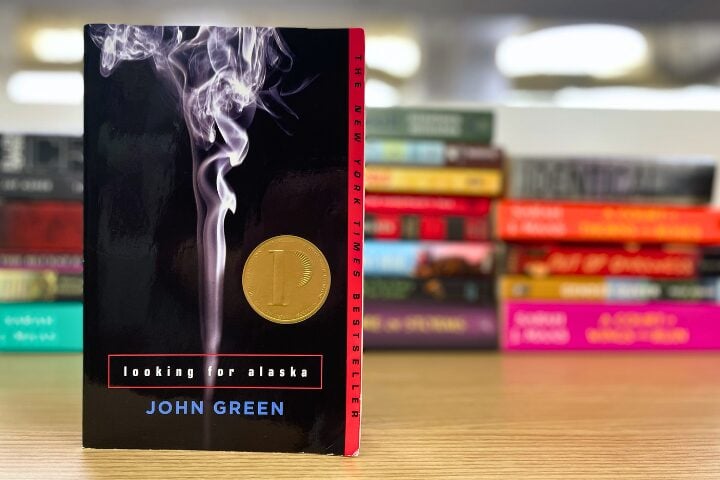
PEN America this week released the top 52 banned books in public schools since 2021, when the current, unprecedented censorship surge began. Topping the list: John Green's Looking for Alaska, published 20 years ago in 2005, which was banned 147 times. “People always say it is a badge of honor, but I think it’s become less and less of a badge of honor and more and more cause for concern,” Green told PEN America in an interview.
 Lisa Tolin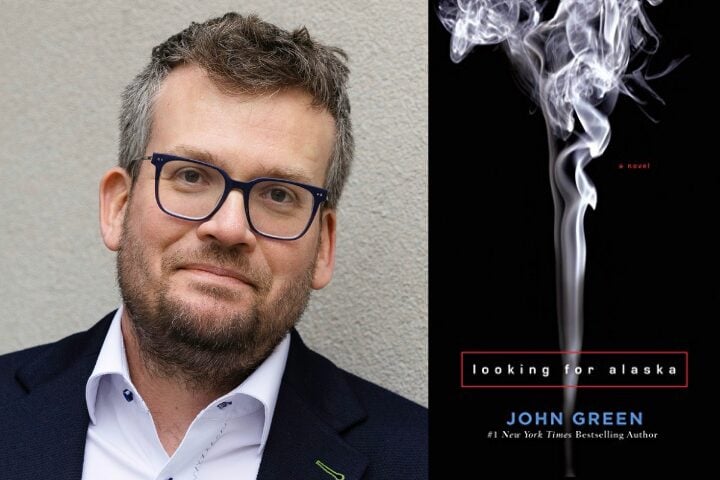
“Books that have opened the eyes of millions of young readers to new perspectives, made them look at others with greater empathy and understanding or guided them through difficult experiences are now lost to them in their schools because conservative activists believe their extremist agenda should take precedence over the freedom to read," added Kasey Meehan, director of PEN America’s Freedom to Read program, in a release.
Meanwhile, PEN America this week also published a policy brief looking at how state laws are propelling book bans.

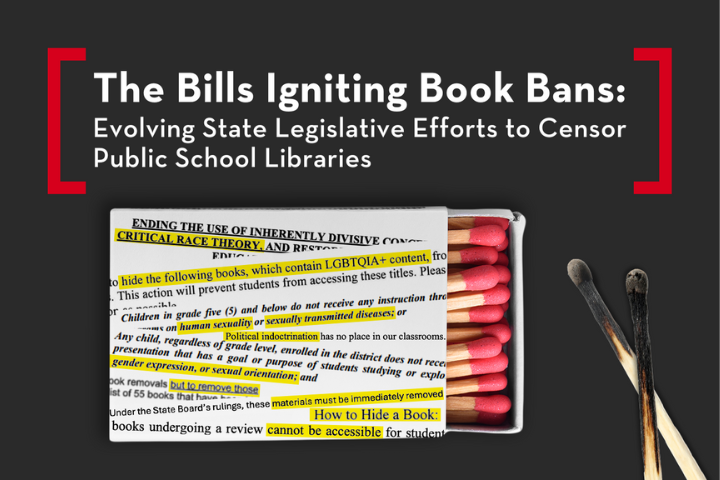
"Thousands of books have been removed from schools out of fear of state governments nationwide," the brief opens. "Five years ago, these stories may have felt more fitting in a dystopian novel or a satirical publication. But for public schools and libraries across the country, instances like these are the new normal."
Librarians Voice Concern Over Supreme Court's Refusal to Take Up Texas Book Ban Case
 Suzette Baker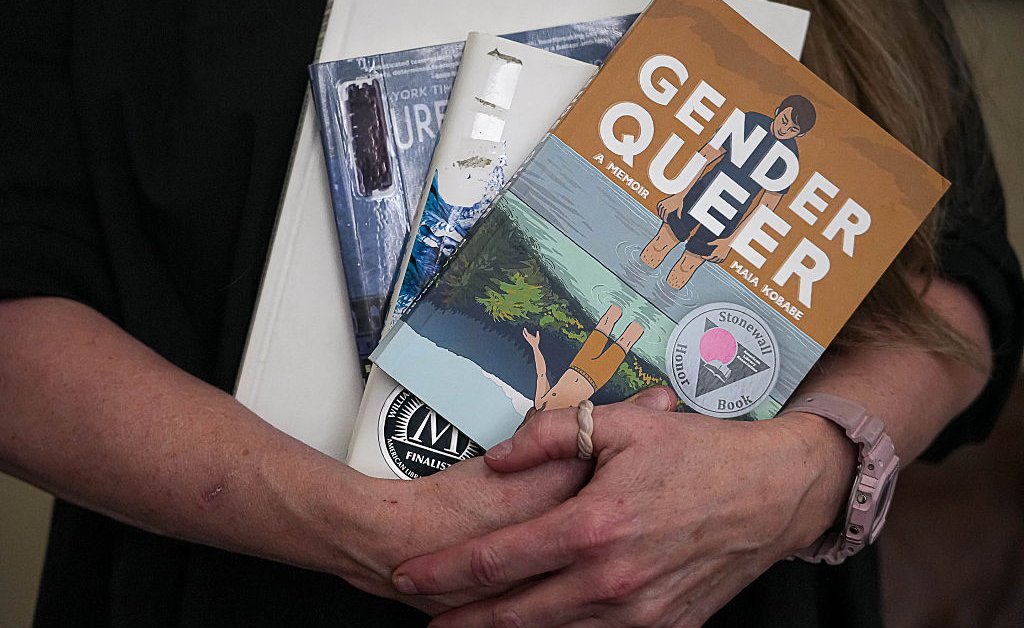
TIME has an excellent article on the recent decision by the Supreme Court not to review the controversial decision in a key Texas book banning case, Little v. Llano County, written by two librarians who know what they are talking about: Louisiana librarian, author, and advocate Amanda Jones, and Suzette Baker, who was fired from her job at the Llano County Public Library's Kingsland Branch for resisting the order to censor books.
"Nobody ever believes this will happen to them. They look at us, two librarians in Louisiana and Texas, and assume these battles are somehow unique to our ZIP codes. But that’s the point," the article states. "The architects of these censorship campaigns—national conservative political groups—test their most aggressive tactics in small, rural places they believe the rest of the country will write off. What feels distant to some is the trial run for everyone. And now, after the Supreme Court refused to intervene, the message is unmistakable: If they can get away with it here, it’s coming to your libraries too. What’s happening on our shelves isn’t a local quirk, it’s a national stress test of your rights."
An Update on the Appeal of Iowa's Book Ban Law, S.F. 496
 Tom Barton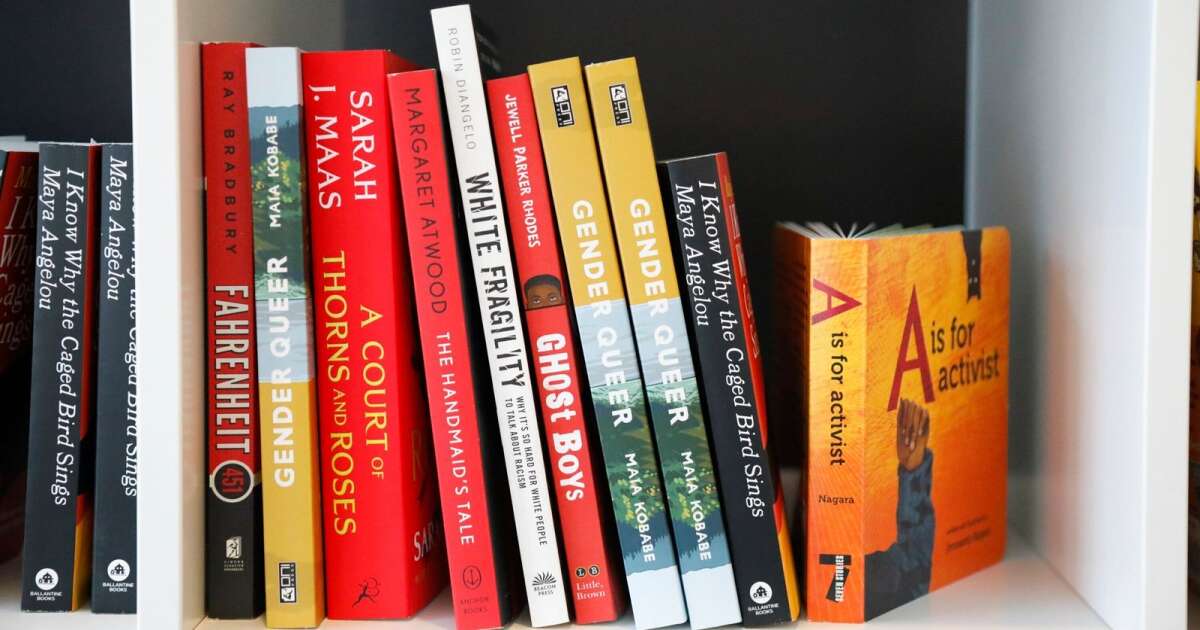
A report in The Gazette looks at where the appeal stands in litigation (spearheaded by publisher Penguin Random House) over the book banning provisions in Iowa's S.F. 496, which was blocked for a second time by a federal judge in March. The case is one of several that will now have greater influence on the future of library book bans after the Supreme Court's refusal to hear Little v. Llano County.
"With the state’s appeal now before the U.S. Court of Appeals for the 8th Circuit and a decision still months away, school leaders say they are operating in a holding pattern. School districts have reshelved previously removed titles, but many remain wary as they await clarity on what the law ultimately will require—and what it will forbid," the Gazette reports. "A ruling is expected sometime after oral arguments, which attorneys anticipate will be scheduled within the next four months."
21 States File Amicus Brief Supporting Florida's Appeal of Order Blocking Book Ban Provisions in H.B. 1069
 K8 Newsdesk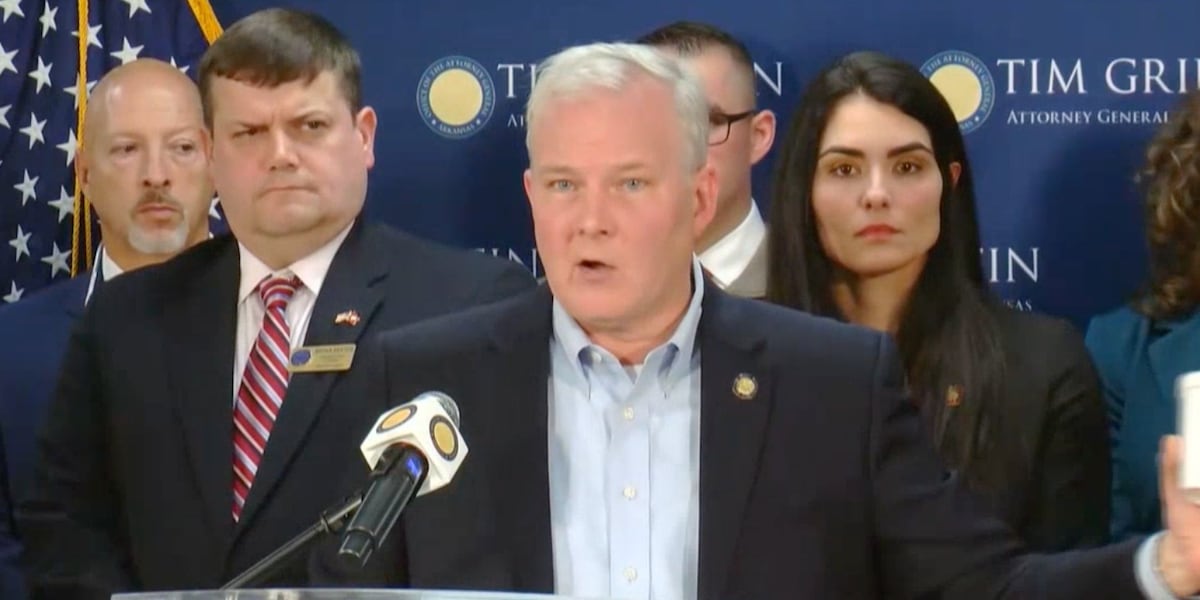
Local affiliate KAIT reports that Arkansas Attorney General Tim Griffin has led a 21-state coalition in an amicus brief supporting Florida's appeal in another closely watched school book banning case, also led by Penguin Random House, this one over Florida's H.B. 1069. Federal judge Carlos E. Mendoza blocked the book banning provisions of the law in August. And like the Iowa case, this appeal, before the 11th Circuit, has also taken on greater importance after the Supreme Court's decision not to take up the Llano case.
Indeed, the 21-state amicus brief offers a strikingly similar legal position to the position held in Little v. Llano County, though the case pertains to school libraries rather than public libraries: "A person’s right to receive information under the First Amendment is not a right to compel information at taxpayer expense. There is no First Amendment right to compel public-school libraries to furnish certain books—much less to require public schools to stock library shelves with graphic depictions of sex acts that elementary students can access without their parents’ knowledge or consent," the brief argues. "The Court should therefore hold that H.B. 1069 regulates government speech and does not violate the First Amendment."
You can download the full brief below:
Controversy Erupts Over Colorado Library's New Board Appointments
 Dana Coffield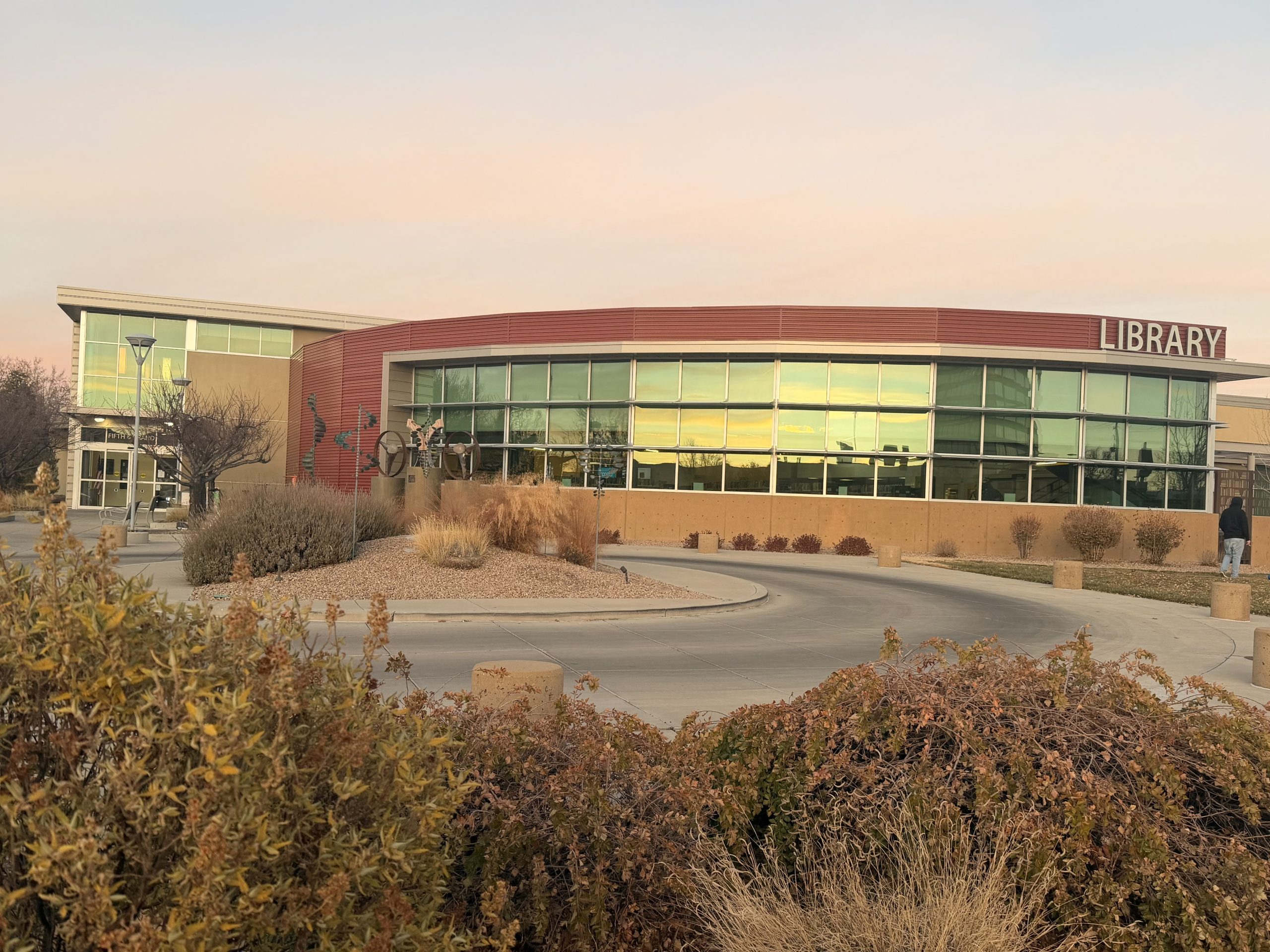
We've been following several stories about library boards in 2025, but this story out of Colorado is one to watch. The Colorado Sun (hat tip and a note of thanks to Colorado librarian Cristy Moran) reports on the controversial appointment of two applicants to the Mesa County libray board that has residents concerned about a possible censorship agenda
The appointments include "a writer of Christian romances" and "a conservative Christian podcaster," who were reportedly chosen by the county's Republican commissioners in a rushed, non-transparent process over more qualified candidates. "The news made Mesa County the site of the latest political battle over library neutrality in the country and prompted fears of book banning and the injection of right-wing politics into a public facility," the Sun reports, noting that the commissioners had "placed the board appointments among other 'consent agenda' items that is the location for matters that are considered uncontroversial and not in need of public discussion."
 SAM KLOMHAUS Sam.Klomhausgjsentinel.com
The Grand Junction Daily Sentinel also has a good story featuring comments from one parent who told the commissioners her "LGBTQ+ child felt 'truly seen'" in books found at the library. “The books are not political for her, they are reassuring, and they show her she is worthy of belonging and representation,” the parent said. “This is not about preventing parents from monitoring what their children read, we all have that right,” the parent added. “This is about whether extremists are permitted to restrict access for marginalized communities, especially for kids who need representation the most.”
North Carolina County Dissolves Library Board For Refusing to Censor LGBTQ+ Title
 Samantha Riedel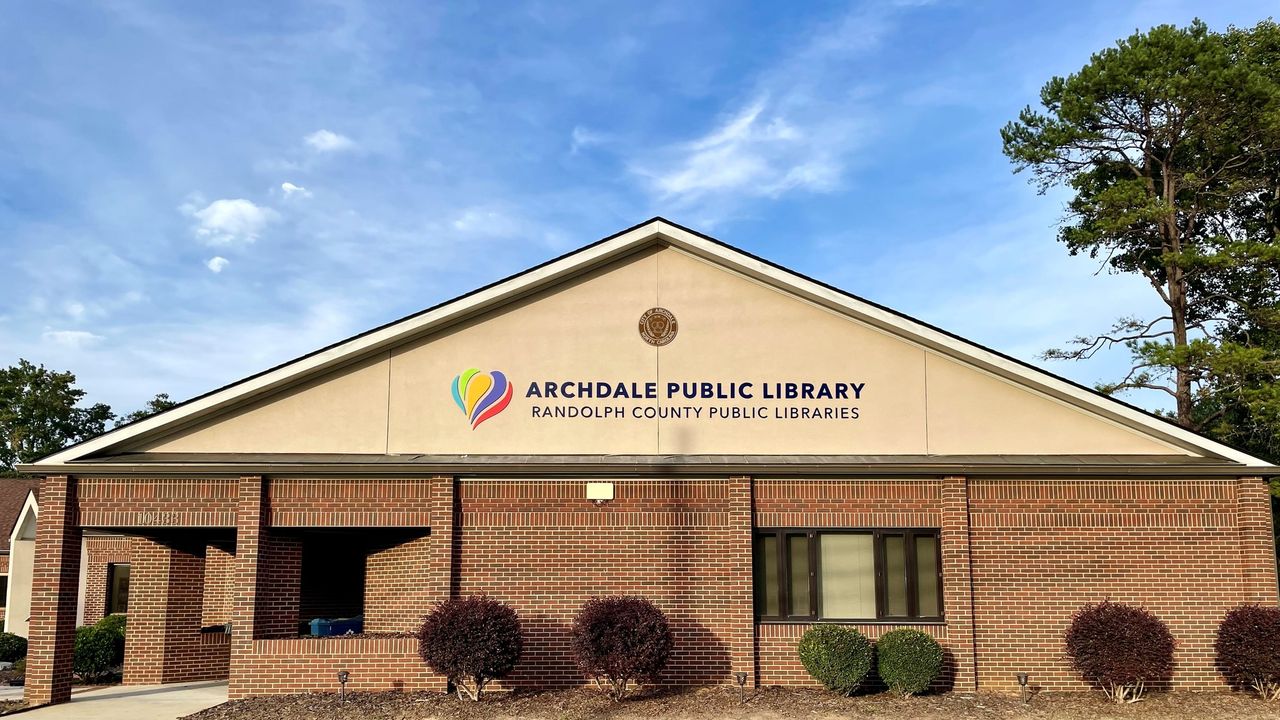
Another concerning library board story to add to the list: Them reports that the commissioners in Randolph County, North Carolina "dissolved the county library system’s entire board of trustees last week, after the trustees voted to keep a picture book about a transgender boy on library shelves."
The move comes after the board in October "voted to keep the picture book Call Me Max on shelves despite some objections from members of the public," the report states. "The book, written by Kyle Lukoff and illustrated by Luciano Lozano, tells the story of a young trans boy who asks to be called Max at school, eventually leading him to come out to his parents. The Randolph County trustees voted 5-2 to keep the book available, with some trustees reportedly commenting that removing or relocating the book would be a 'slippery slope' toward censorship."
New Hampshire Republicans Fail to Override Veto of Book Ban Bill
 Ethan DeWitt - New Hampshire Bulletin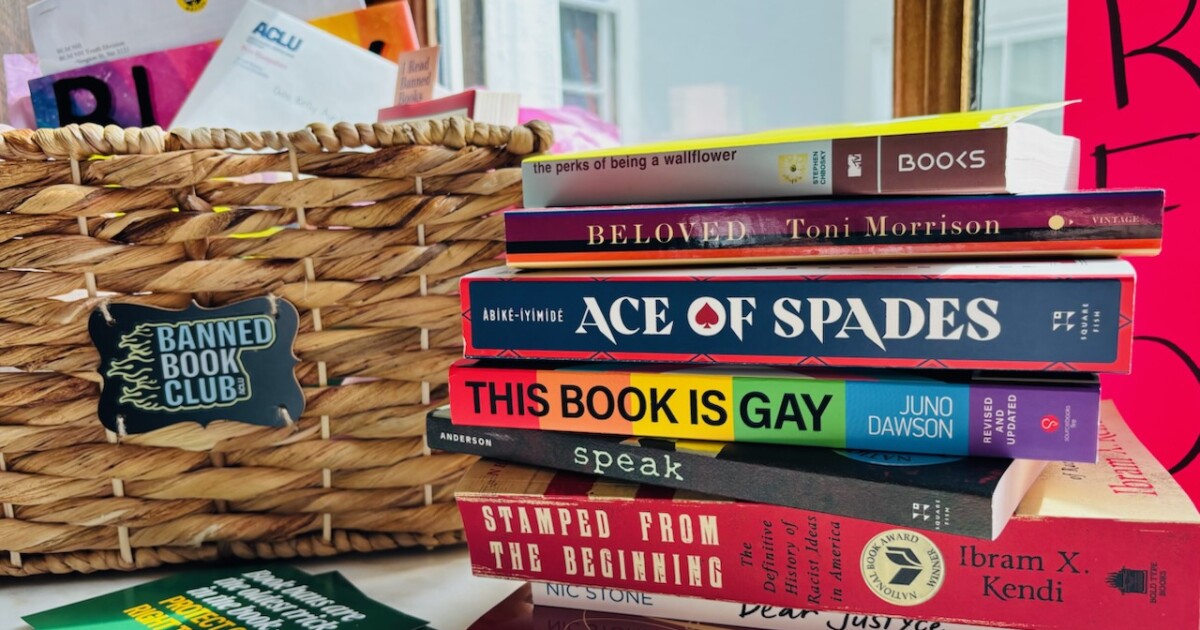
New Hampshire Public Radio reports that New Hampshire House Republicans have failed to override Governor Kelly Ayotte's veto of a bill that would have made it easier to ban books in schools. But, the outlet reports: "The fight is not over. Many of the hot-button bills, like those centered on school book removals and gender bathroom separation, are returning in some form in 2026. And Republicans say the vetoes will not stop them from advocating for the legislation on the campaign trail next year."
In a post, EveryLibrary executive director John Chrastka recounted the efforts made by freedom to read advocates that helped secure the veto, and perhaps the recipe for stopping book banning legislation in 2026. "Without the statewide polling EveryLibrary and MomsRising New Hampshire conducted in March, we would not have had a path forward," Chrastka writes. "The poll was clear that voters overwhelmingly oppose book bans and that the Governor’s own voters did not want her to sign anything like this into law."
More on Comics Censorship from Book Riot, and a Book Censorship Wrap up for 2025
 Kelly Jensen
Over at Book Riot, Kelly Jensen leads off her must read weekly censorship news column with the second installment of her look at censorship in comics. The report again features history professor and comic censorship scholar Brian Puaca's Comic Book Burnings Project.
 Kelly Jensen
And don't miss Book Riot's "Wrapped"-style look at book banning in 2025, done in collaboration with the American Library Association, the Florida Freedom to Read Project, PEN America, and the Texas Freedom to Read Project, and which explores key moments in "the major censorship crisis we’ve observed in 2025."
FCC Chair Says Agency Is Not Independent
 Daniel Arkin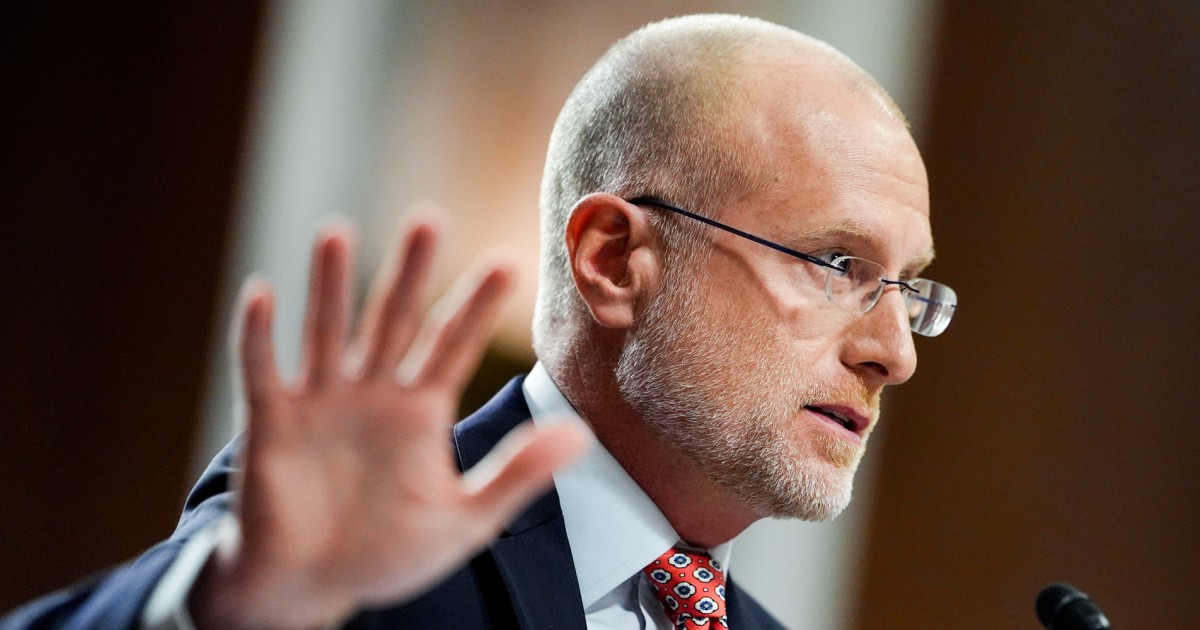
Yet another thing we've apparently lost in the Trump administration: an independent FCC. Via NBC News, FCC Chairman Brendan Carr this week told senators that the agency isn't independent, countering decades of practice, his own previous statements, and the FCC website, which was later updated to reflect Carr's new view. "Traditionally, the independence of federal agencies was seen as a way to insulate their employees from political pressure and allow them to do their work impartially," the report notes, adding that Carr's testimony comes as "the Supreme Court appears poised to grant the president far greater control over traditionally independent government agencies."
ALA Seeks Nominations for 2026 Intellectual Freedom Awards

Via the American Library Association, The ALA's Intellectual Freedom Round Table (IFRT) is now accepting nominations for its prestigious awards recognizing individuals and organizations that have supported intellectual freedom: the Eli M. Oboler Memorial Award, the Gerald Hodges Intellectual Freedom Chapter Relations Award, and the John Phillip Immroth Memorial Award. Each award includes a certificate of recognition and cash prize. "The recipients for all of the awards will be announced in advance of ALA Annual Conference 2026, where they will also be recognized during IFRT programs and events," a release states.
Petition Candidates Announced for ALA Councilor-at-Large Position

The ALA this week also announced that seven candidates have filed petitions for the Councilor-at-Large position on the ALA Council for the 2026 ALA Election: John Clexton, Director of the Gladwin County District Library, Michigan; Amy Dissmeyer, Director of the Spirit Lake Public Library, Iowa; Chulin Meng,
Director of Library Technology at Lehigh University in Pennsylvania; Annie Miskewitch, Executive Director of the Schaumburg Township District Library,
Illinois; Lessa Kanani'opua Pelayo-Lozada, Director of the Glendale Library, California; Leah Richardson, Director of Archives and Special Collections at the
George Washington University Libraries; and Steven Yates, Associate Dean and LIS Professor at the University of Alabama Alabama. Ballot mailing will begin on March 9, 2026, and will run through April 1, 2026.
And Finally This Week...
 Claudia Efemini
Libraries in the U.K. have had it rough, but The Guardian reports on a proposal that could spark change. "Richard Osman, Kate Mosse and Sir Philip Pullman are among authors calling for all babies to automatically receive a library card at birth," the report states. "The proposal, put forward by the think tank Cultural Policy Unit (CPU), aims to make public library membership a national birthright and encourage a culture of reading and learning in the early stages of childhood through a National Library Card."