The Queue: Library News for the Week Ending December 5, 2025
Among the headlines this week: a Texas book banning case takes a step closer to the Supreme Court; a superb take on libraries and the budget drama at the Chicago Public Library; PEN America weighs in on Florida's new book banning numbers; and farewell to our friend and colleague Porter Anderson.

On to the Supreme Court?
The parties in a closely watched Texas book banning case, Little v. Llano County, are a step closer to the Supreme Court. After a scheduled December 5 conference, lawyers told Words & Money that the high court could decide as early as Monday whether to hear the case, setting up a potential watershed moment in what has been a years long, right wing political assault on libraries and the freedom to read.
The legal question presented to the Supreme Court is deceptively simple: are book removal decisions in public libraries subject to scrutiny under the Free Speech clause of the First Amendment? Or, do government officials have the virtually unchecked power to pull books from public library shelves, even if—as a district court judge found in Llano County—their primary motivation is viewpoint discrimination? In other words, censoring books and materials whose opinions or perspectives they dislike.
The petition comes after the U.S. Court of Appeals for the Fifth Circuit in May, in a stunning decision, held that there is no First Amendment right to receive information in libraries, in the process overruling its own 30-year-old, unanimous precedent in Campbell v. St. Tammany Parish School Board, a 1995 First Amendment case that has served as an anti-censorship bulwark for librarians. If allowed to stand, lawyers say the Fifth Circuit's decision would have massive ramifications, effectively giving local leaders the power to transform public libraries from places of diverse, freewheeling inquiry and discovery into mouthpieces for the state.
As Words & Money previously reported, the Llano County defendants are, somewhat surprisingly, urging the court not to take the case, but to instead wait for several other book banning cases in other jurisdictions to be decided. The plaintiffs, however, argue that the Supreme Court must act now.
 Andrew Richard Albanese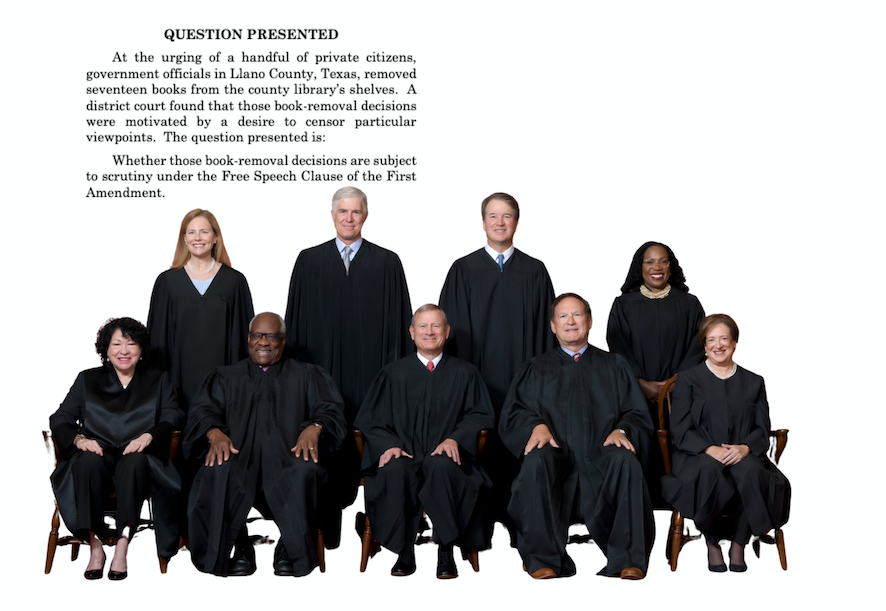
"The gravity of the constitutional issue here counsels strongly in favor of immediate review," the plaintiffs stressed in a November 10 brief. "If this Court were to postpone review, state and local governments in the Fifth Circuit could freely deploy public libraries as instruments of 'naked censorship' during that period of delay. Leaving such a system in place—even for 'another year or two,' is antithetical to our Nation’s most cherished constitutional values."
New Wrinkle in Colorado Book Banning Case as Fired Administrator Sues Over Alleged Retaliation
 Ava Kian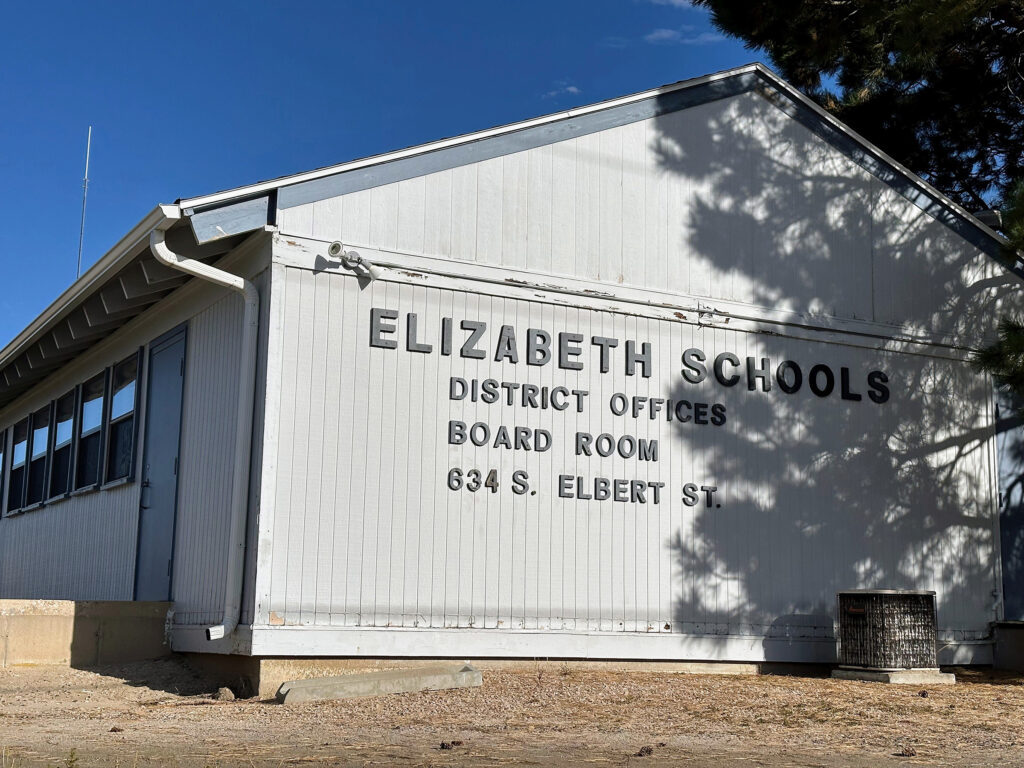
Here's a timely twist: in urging the Supreme Court not to take the Llano County book banning case, Llano County lawyers argue the court should wait for another closely-watched censorship action in Colorado to be decided, Crookshanks v. Elizabeth School District. In that case, which is now before the Tenth Circuit U.S. Court of Appeals, a federal judge in March found that the Elizabeth School District's move to ban 19 titles from high school shelves was unconstitutional. But this week the former Elizabeth School District Dean of Students LeEllen Condry raised the stakes, filing a federal lawsuit alleging that she was wrongly fired in retaliation for her opposition to the board's plan to censor books.
"The Elizabeth School District ('ESD') has sought to silence the voices of Black
women within the walls of its schools. It has done so through the imposition of a Book Ban prohibiting literary works that speak to the Black experience from its school library shelves. But ESD’s mission of silencing Black voices did not end with the Book Ban," the November 30 complaint reads. "ESD made sure to also silence the lone Black woman employed by the district who spoke out against the Book Ban by firing LeEllen Condry just months after hiring her, and a few weeks after she denounced the Book Ban as racist."
In addition to seeking damages, Condry is seeking a written apology from the district. “I think not only an apology to me, but I believe that there are other people in that district who were let go due to not fitting into the culture of the district,” she told Colorado Public Radio. “I also believe that there should be training in that district, learning how to get along with groups of people who you may not align with.”
The case is another stark reminder that the current censorship battle is not only about books and the freedom to read, it's about people.
An Eloquent, Urgent Take on Libraries, and the Proposed Budget Cuts to the Chicago Public Library
 Kelly Hayes
Over at Organizing My Thoughts (a fellow Ghost-hosted independent site) Kelly Hayes offers a superb take on the importance of libraries, and talks with Chicago Public Library associate Sara Heymann about the potential impact of the proposed budget cuts at the Chicago Public Library.
"If these cuts move forward, Heymann sees a bleak trajectory: as programming diminishes and books become harder to acquire, fewer people will use library services, and that drop in participation will be used to justify further cuts," Hayes writes. "'Branches will be closed, she said. 'Libraries could become spaces where we turn on the lights and open the doors and are stuck behind the desk all day. It’ll just be a warming and a cooling center essentially, which is still important, but it's not what we deserve." This is very well done, and a must read.
Over Objections, Minnesota County Slashes Public Library Funding
 Mathew Holding Eagle III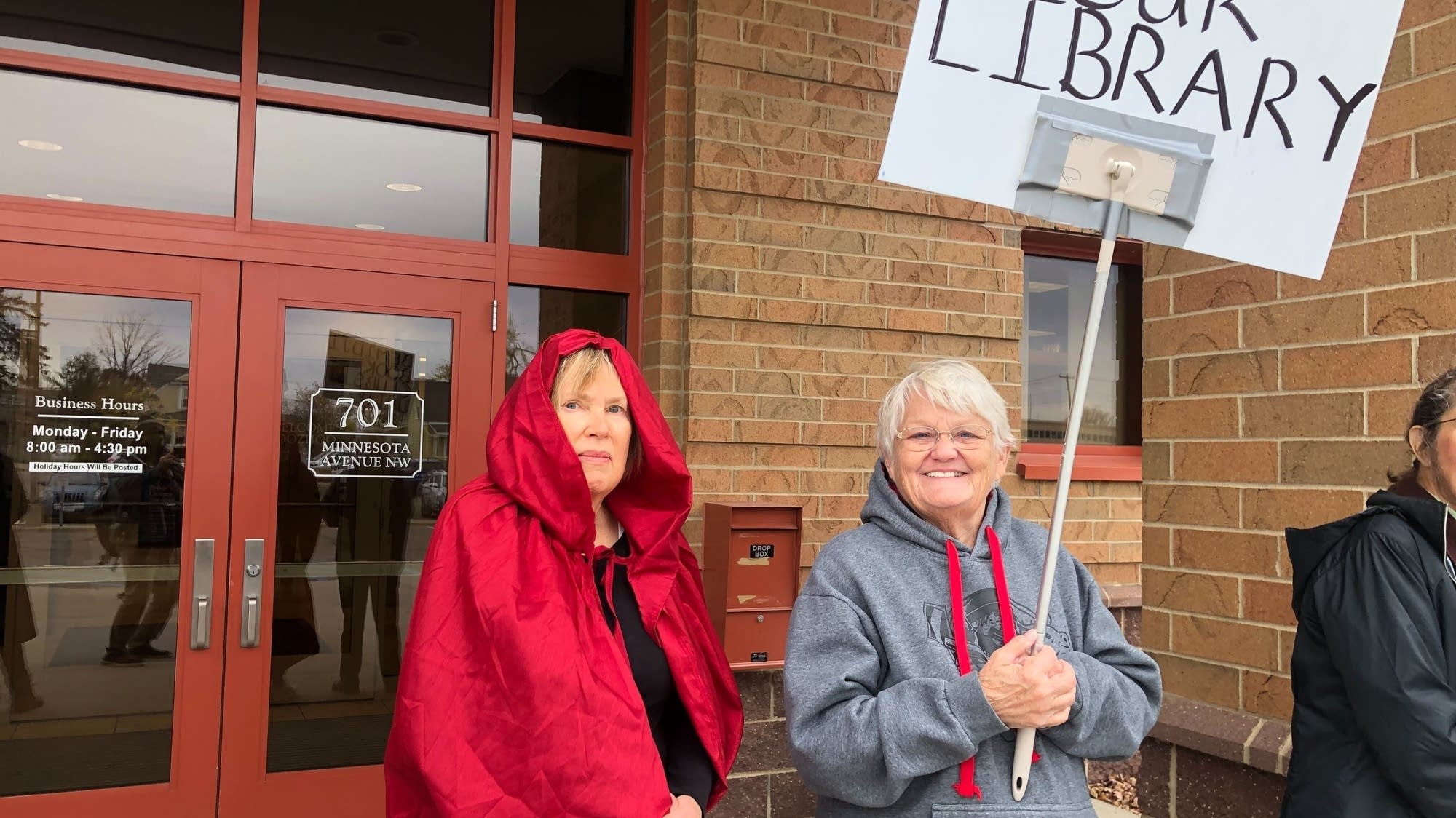
Minnesota Public Radio reports that, despite resistance from the community, the Beltrami (Minnesota) County commissioners this week signed off on a budget that includes painful cuts to Bemidji's public libraries. "During the public comment portion of the meeting the Bemidji Library’s branch manager Sherilyn Warren told the commissioners that approving the budget would potentially force the library to go from being open six days a week to only four. And she warned how the decision would affect her nine employees," the report states. "Out of the eight people who do front-facing work at the Bemidji library, we're going to be losing three of them,” she added.
Oregon Library Director Details Impact of Potential Budget Cut
 Lillian Schrock-Clevenger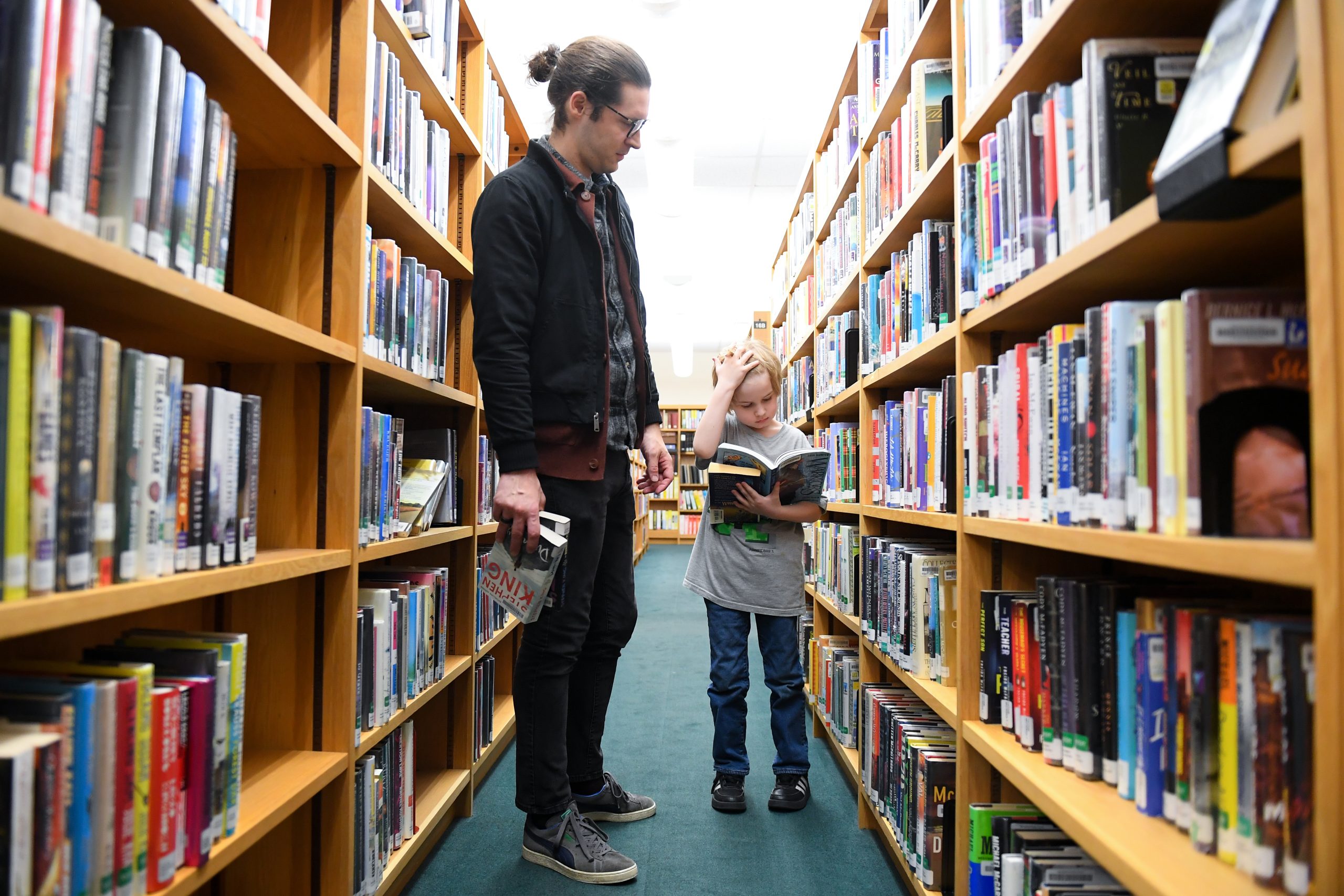
More evidence that public libraries are facing a difficult budget scenario in 2026, LookOut reports this week that Springfield Public Library (Oregon) director Emily David outlined for her City Council what a proposed $500,000 budget reduction would look like. "The documents... identify a scenario that includes cutting three staff positions, five operating hours and $89,000 from the book budget, as well as trimming programming," LookOut reports. "The possible $500,000 budget reduction for the library is based on a recommendation from the mayor’s Fiscal Stability Task Force, which was convened to identify ways to balance the city’s general fund."
Arizona GOP Lawmaker Targets Library Associations
 , The Arizona Republic
The Arizona Republic reports that Surprise, Arizona-based GOP lawmaker Nick Cupper has introduced a bill in the state legislature that would prohibit public school libraries from using taxpayer funds to pay "any professional association that is dedicated to promoting, supporting and advocating for libraries, librarians and information services."
"Kupper said he learned about library associations a few years ago after his son interned at a library in Surprise and grew upset after finding sexually graphic books in the pre-teen section. Kupper asked about it and learned that Surprise partnered with [ALA], which produces recommended book lists for different age groups," the report notes. ALA president Sam Helmick told the Republic that the bill "was part of a larger 'effort to mischaracterize' the association's work and ultimately 'defund' public institutions." Helmick is right, of course. Let's hope the ALA in 2026 will push back hard on right wing efforts to lie about the work professional library associations do.
How to Support Anti-censorship Efforts This Holiday Season
 Kelly Jensen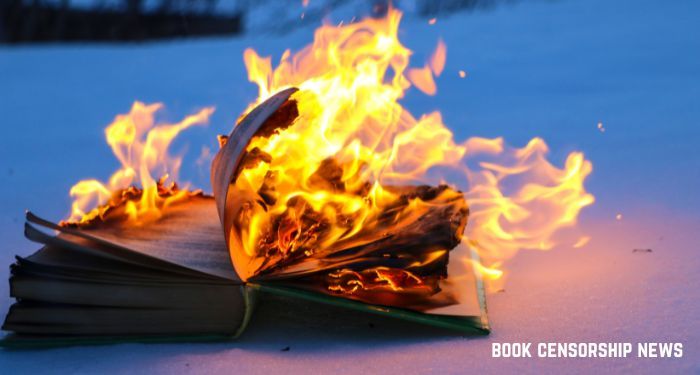
Over at Book Riot, Kelly Jensen takes a week off from her censorship news roundup, but offers a great column on how to support the freedom to read during the holiday giving season. "But this isn’t just about gifting season. It’s about where and how to invite folks into the fold when it comes to fighting for intellectual freedom."
Lee & Low: Publishers Must Remain Vigilant in Defense of Diversity
 Jason Low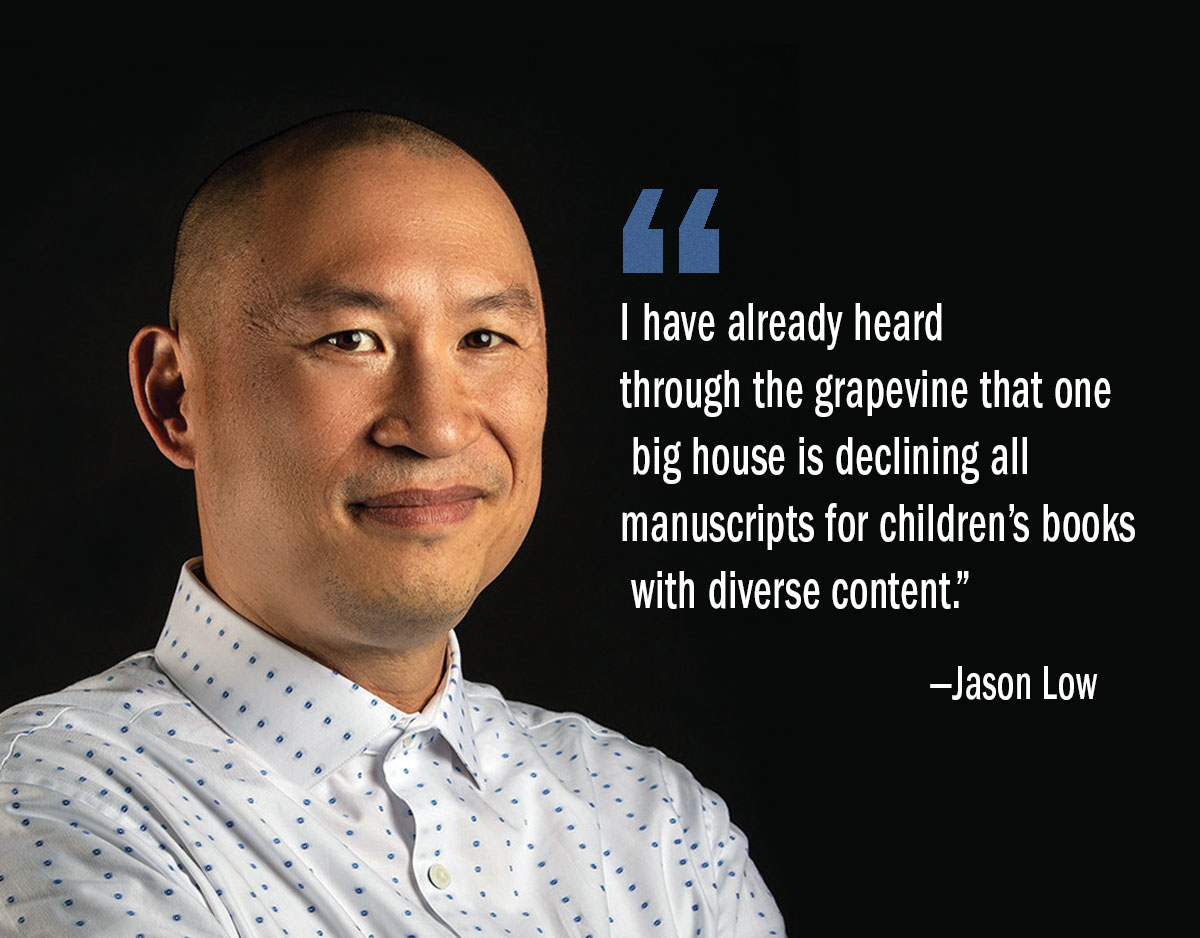
In an open letter published in School Library Journal, Jason Low, the publisher and co-owner of Lee & Low Books , the largest multicultural children’s book publisher in the U.S., is urging publishers to stay engaged in the battle over book bans. "It is safe to assume that those who work in publishing love books, but we no longer have the luxury of our jobs ending with the work we are paid to do," Low writes. "We all must do more to help protect the librarians and educators on the front lines."
PEN America: New Florida Book Removal Numbers Are Misleading
 , Tallahassee Democrat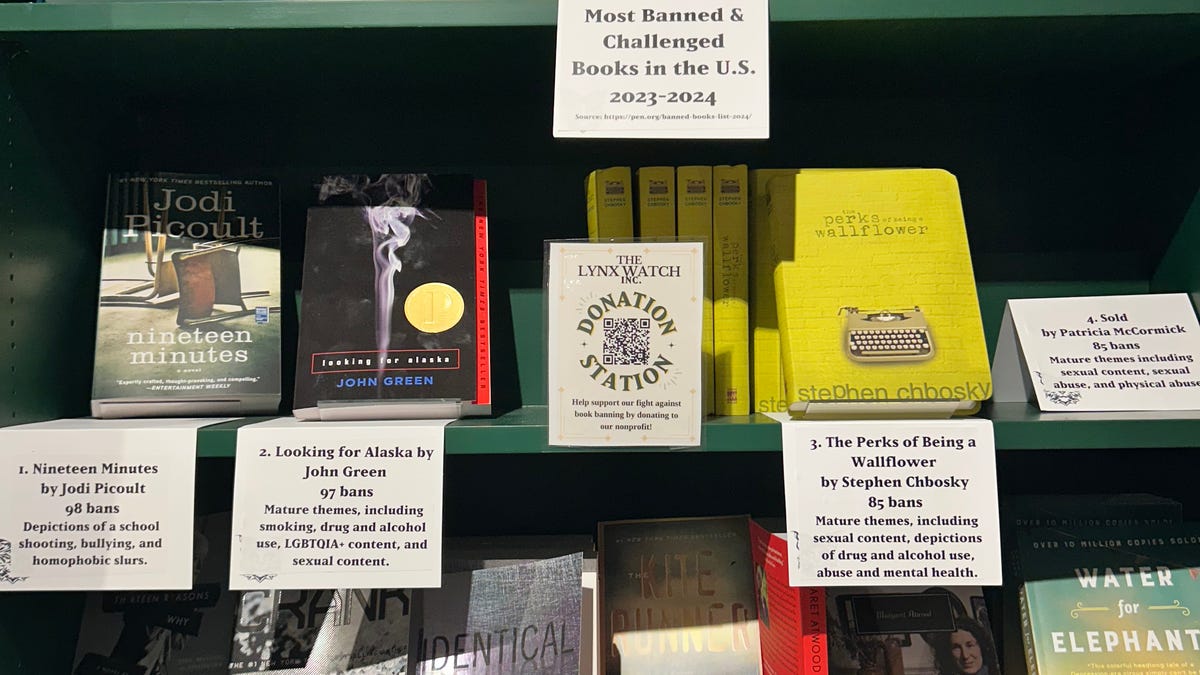
Via the Tallahassee Democrat, the Florida Department of Education reported this week that "about 400 books were 'removed or discontinued' from Florida public schools in the 2024-25 school year by school boards across the state." That's down from about 700 the year before. But in a post this week, PEN America isn't buying it.
In partnership with the Florida Freedom to Read Project, PEN America says it tracked more than 2,300 book bans in Florida during the 2024-25 school year. "Why the difference? PEN America defines a book ban as any action taken against a book based on its content that leads to access to that book being restricted or diminished," the post explains. The Florida DOE, on the other hand, only counts titles for which there has been "a final decision" to remove, which presents a misleading picture.
 egalluscio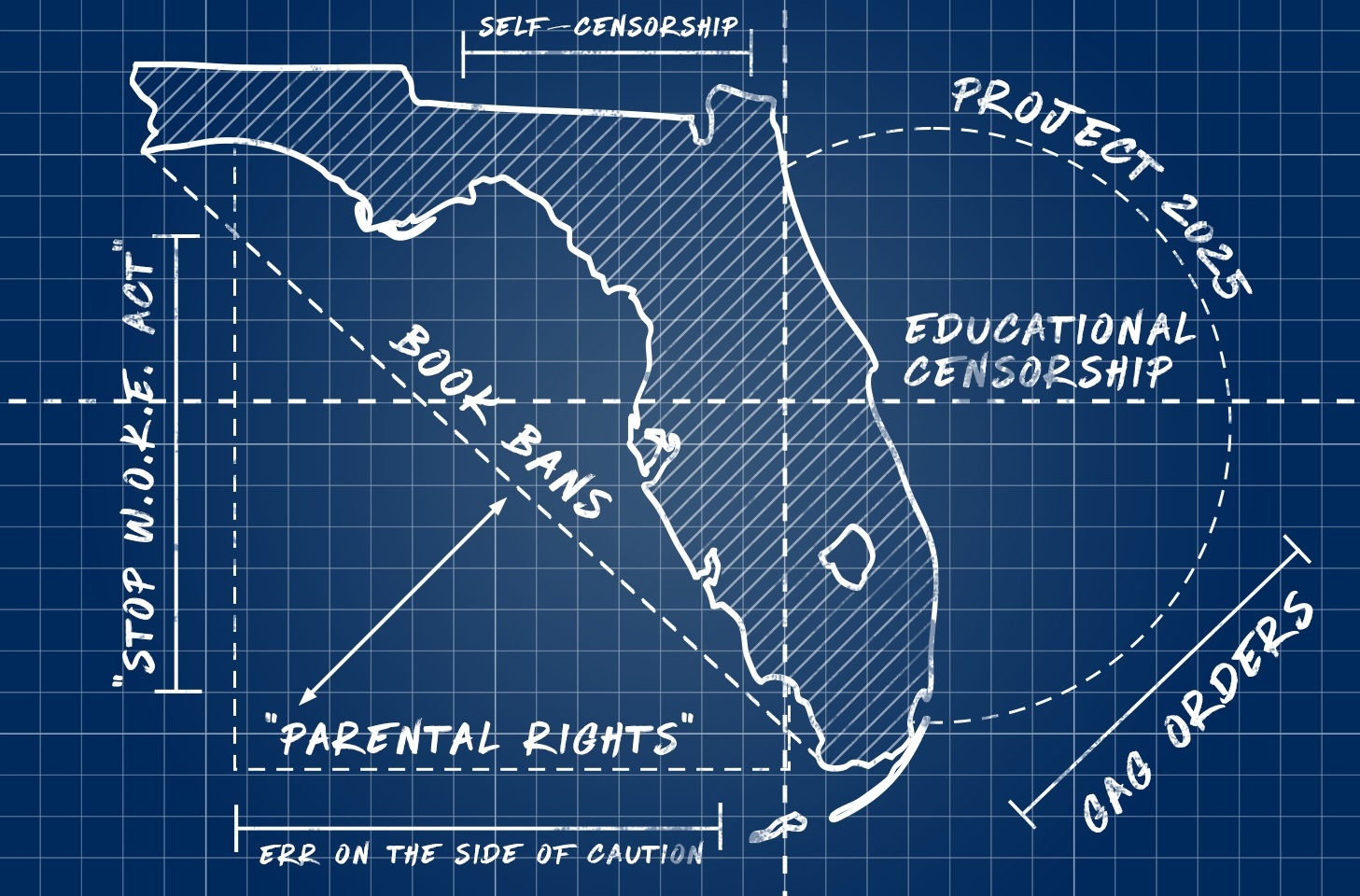
"Take the Hillsborough School District. The Freedom to Read Project documented a months-long campaign led by the Attorney General and State Board of Education against Hillsborough County that led to more than 600 titles being temporarily or permanently removed," PEN America explains. "Meanwhile, the Florida Department of Education’s report claims that there were no book bans in Hillsborough County."
“What happened in Hillsborough is not an exception; it’s the playbook," William Johnson, Director of PEN America Florida, writes. "When the state undercounts these removals, it creates the illusion that censorship has eased. It hasn’t. It simply moves into the shadows."
Streaming May Rule, But Libraries Are Still Buying Physical Media
 Claire Woodcock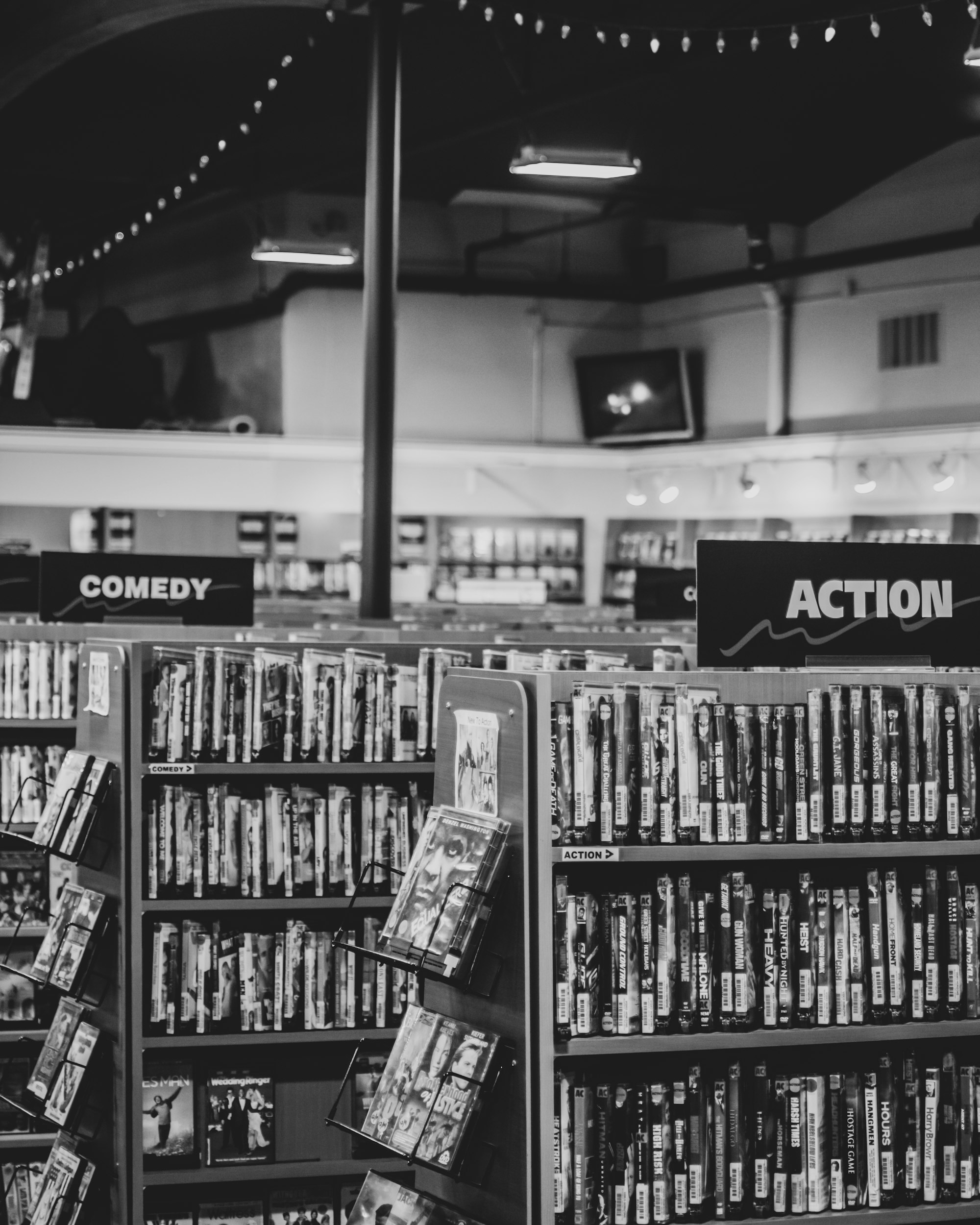
Over at 404 Media, Claire Woodcock has an interesting report on why libraries are not giving up on physical Audio-Visual media. Films and TV shows on streaming platforms "become more vulnerable when companies merge," Woodcock writes, adding that some streaming platforms "just outright remove their own IP from their catalogs if the content is no longer deemed financially viable, well-performing or is no longer a strategic priority." Furthermore, the "data-driven recommendation systems streaming platforms use tend to favor newer, more easily categorized content, and are starting to warp our perceptions of what classic media exists and matters."
Another Snapshot on How Libraries Are Coping, Post-Baker & Taylor
 Wulfe Wulfemeyer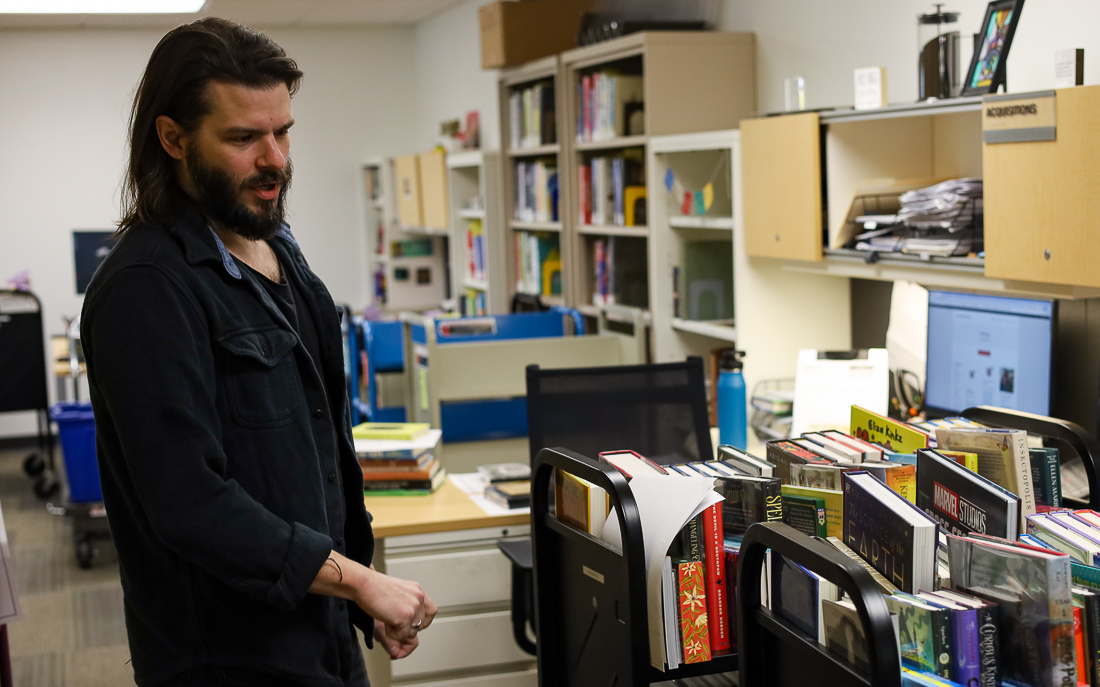
In Kansas, The Lawrence Times has a piece on how the Lawrence Public Library is navigating the post-Baker & Taylor landscape. “In the past, we’d get new titles two weeks out from their… publication date, and that way we could have them processed and ready to go on the shelf for our patrons the day they come out... Now we’re seeing them show up on or after the release date, which is a bummer,” collection services supervisor Kevin Corcoran told the Times.
Check Out Poet Laureate Arthur Sze's New Poem, 'Library of Congress'
 Robert Casper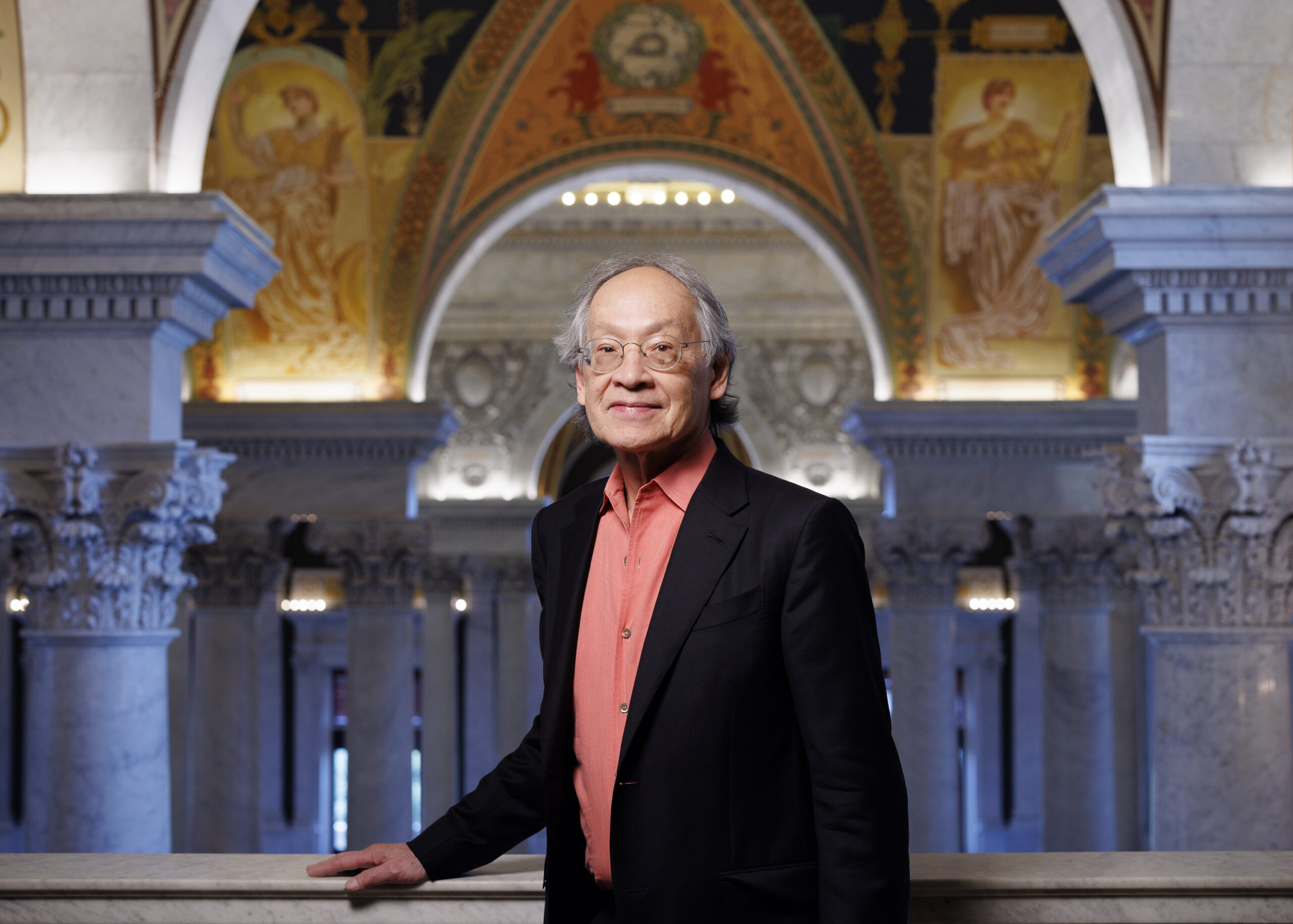
In a post, the Library of Congress shared a lovely new poem by U.S. Poet Laureate Arthur Sze that happens to be about the Library of Congress, and a snippet of how the inspiration struck: "On July 18, 2025, I met with division heads at the Library of Congress and was so moved by their presentations that gave me a rare glimpse of books in the vast collection," Sze writes. "When I returned to Santa Fe, I decided to collage together different moments to see if they might coalesce into a poem, and they did."
Meanwhile, on Monday, December 8, Sze begins his laureateship programming with a workshop and a reading at Queens College in New York. You can watch the 7:00 p.m. EST program via livestream, followed by his inaugural laureate event on Thursday, December 11, which you can also livestream, starting at 7:00 p.m. EST.
And Finally This Week...
 Erin L. Cox
We like to close with good news when we can, but this week we are not so fortunate. We're grieving the unexpected death of Publishing Perspectives editor-in-chief Porter Anderson. As some of you may know, Erin Cox, co-founder and the publisher here at Words & Money, is also the publisher of Publishing Perspectives, where she worked closely with our friend Porter pretty much on a daily basis. Porter was a gregarious presence on the international publishing scene and a passionate voice for the book business. And, as you can read from the comments on Erin's post announcing his death, he was appreciated and very well liked. His sudden loss has shocked and saddened us. We hope you'll keep Porter and his friends and family in your thoughts.