The Queue: Library News for the Week Ending February 13, 2026
Among the week's headlines: the library community mourns Fobazi Ettarh; a tough winter is taking a toll on Philadelphia library workers; new book banning bills advance in Iowa, Florida, and Arizona; a freedom to read bill emerges in Alaska; and don't forget to make plans for PLA in Minneapolis.

The Library Community Mourns Fobazi Ettarh, Author of the Landmark 'Vocational Awe' Article
We begin this week with sad news: the death of a brilliant young librarian and scholar, Fobazi Ettarh, at just 36 years old. Ettarh passed away on January 28 after a lengthy battle with sickle cell disease. A Go Fund Me is here.
In Ettarh's own words, her research centered on "the relationships and tensions between the espoused values of librarianship and the realities present in the experiences of marginalized librarians and library users," reads a release from the University of Illinois Urbana-Champaign, where Ettarh was studying for her Ph.D.


Ettarh shot to prominence with her widely cited 2018 article "Vocational Awe: The Lies We Tell Ourselves," in the open access journal In the Library with the Lead Pipe. The article brought the term "vocational awe" to a library profession increasingly stressed by an ever-expanding service mission, and an overly-mythologized mission.
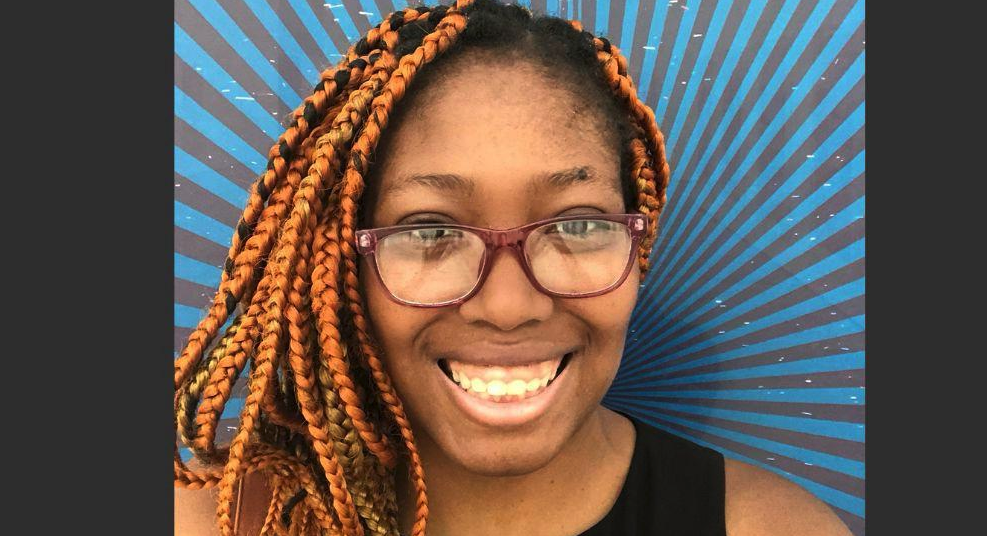
"Libraries are just buildings. It is the people who do the work. And we need to treat these people well. You can’t eat on passion. You can’t pay rent on passion. Passion, devotion, and awe are not sustainable sources of income," Ettarh concluded in her Vocational Awe piece. "The library’s purpose may be to serve, but is that purpose so holy when it fails to serve those who work within its walls every day? We need to continue asking these questions, demanding answers, and stop using vocational awe as the only way to be a librarian."
 Fobazi Ettarh
"It is difficult to overstate the impact that Fobazi had on the field of library and information science," said Interim Dean Emily Knox, in a statement. "Her article on vocational awe appears on almost all of the syllabi for required foundations courses in our school and universities across the country."
This is a devastating loss, as referenced by the many comments on this Reddit thread. Rest in power, Fobazi Ettarh.
Amid a Brutal Winter, Library Workers in Philadelphia Are Feeling the Strain
 Ximena Conde | Aubrey Whelan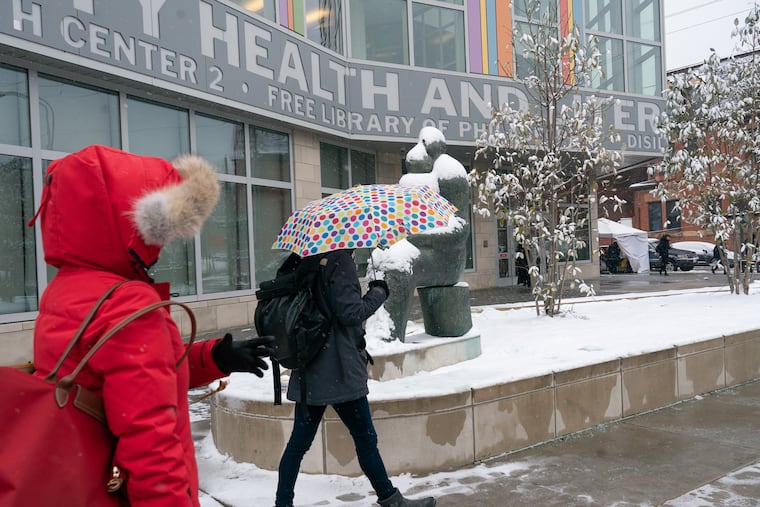
An excellent report in the Philadelphia Inquirer explores an issue that would certainly have interested the late Fobazi Ettarh: amid a persistent stretch of bitter, dangerous cold, libraries in Philadelphia have been serving as warming centers for three weeks straight, and library staff are reportedly struggling to handle the intense needs of those coming through the library.
“Employees say the warming center initiative, in only its second year as a formalized network, leaves branch staff, from librarians to security, unequipped to help some of the people walking through their doors with complex mental and physical health needs,” the report notes. “People are feeling tired, feeling very burnt out, the physical, the emotional, and the mental load of not just doing our regular work, but having like this critical service, like lifesaving service, being offered on top of that for 12-plus hours a day has been really, really hard to sustain,” Liz Gardner, a library worker and union steward, told reporters.
ALA's Virtual Event on Recharging Draws More than 1,100
 Nathalie op de Beeck |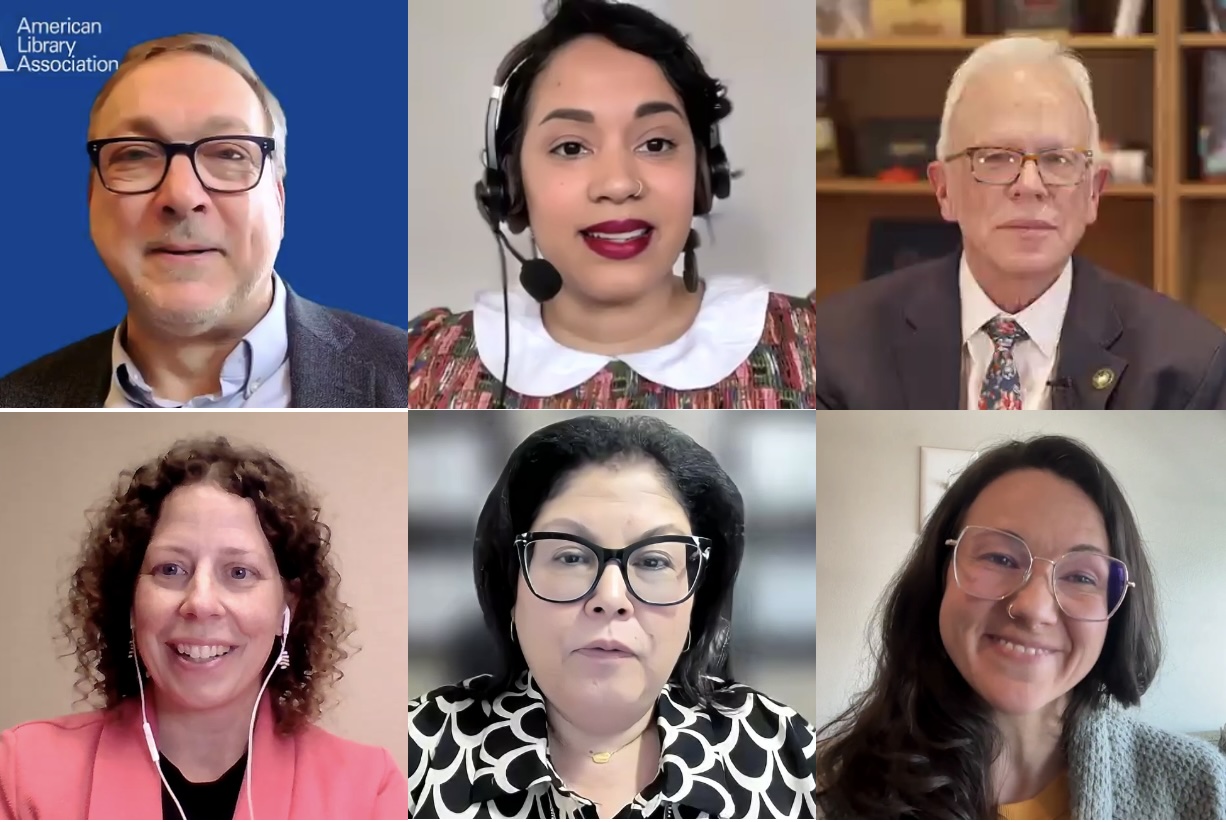
Publishers Weekly reports on the ALA's virtual event this week, Recharging in Challenging Times. "Throughout the day, the ALA emphasized self-care and strategies for persistence, while considering the stresses of library work in the current political climate and the daily struggle with limited resources," the article notes. Opening keynote speaker, clinical social worker Emely Rumble, author of Bibliotherapy in the Bronx, acknowledged that "library workers’ community service" can be "emotionally and physically" draining. "Responsibility has outpaced resourcing, and that is not a weakness of yours, that is a systems problem showing up in your body," she said.
Amanda Jones Wins at the Louisiana Supreme Court, Can Pursue Remaining Defamation Case
 WBRZ Staff
Via local affiliate WBRZ, Louisiana librarian, author, and freedom to read advocate Amanda Jones is free to pursue her defamation lawsuit against a local man who allegedly harassed her online, after the Louisiana Supreme Court this week rejected a bid to have the case tossed. Without comment, the Justices "voted unanimously to dismiss a request by Michael Lunsford and the Citizens for a New Louisiana to throw the lawsuit out."
Late last year, Jones agreed to settle her other defamation case against another defendant, Ryan Thames, for $1 and an apology. Both cases stem from 2022, when Jones spoke against a bid to remove books from her local public library, and was accused by the defendants of wanting to sexualize children. In a separate matter, Jones is also suing a third man, Dan Kleinman, in federal court. Kleinman, meanwhile, published an op-ed in The Hill earlier this month attacking the documentary film, The Librarians, as a "big lie."
New Iowa 'Harmful to Minors' Bill Advances, Despite Concerns
 Isabella Luu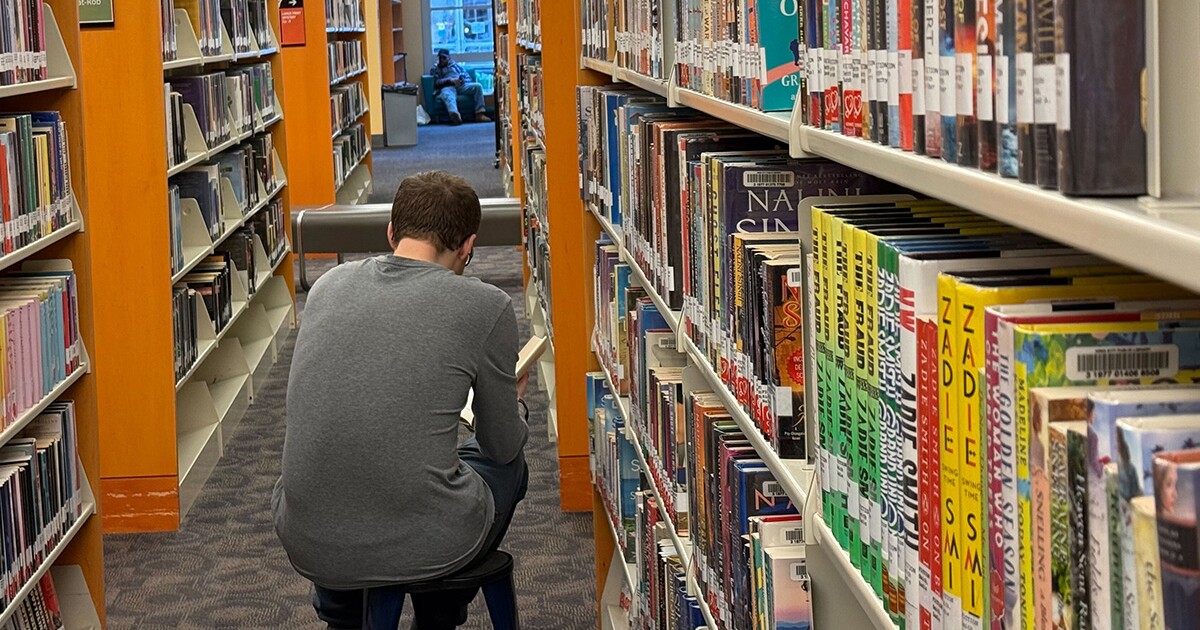
Iowa Public Radio reports that a bill in Iowa to restrict public library materials deemed "harmful to minors" is advancing, despite library leaders in the state saying the law would be "all but impossible" to implement without massive service disruptions and associated costs.
"Under the bill (HF 2309), kids and teens would need yearly parental consent to check out public library materials deemed 'harmful' to minors," the report states. If passed, public libraries "would have to classify their collections as 'general access' or 'harmful to minors.' Restricted material would be relegated to an adult section physically separated from sections designated for children and young adults." Libraries would also have to "indicate in their catalogs" which books are deemed harmful' to minors, and the bill would expose library workers—including volunteers—to criminal charges for allowing a minor access to restricted content, as well as civil liability.
Legendary Florida Bookseller Sounds the Alarm Over Florida's Latest Book Banning Bill
 Mitchell Kaplan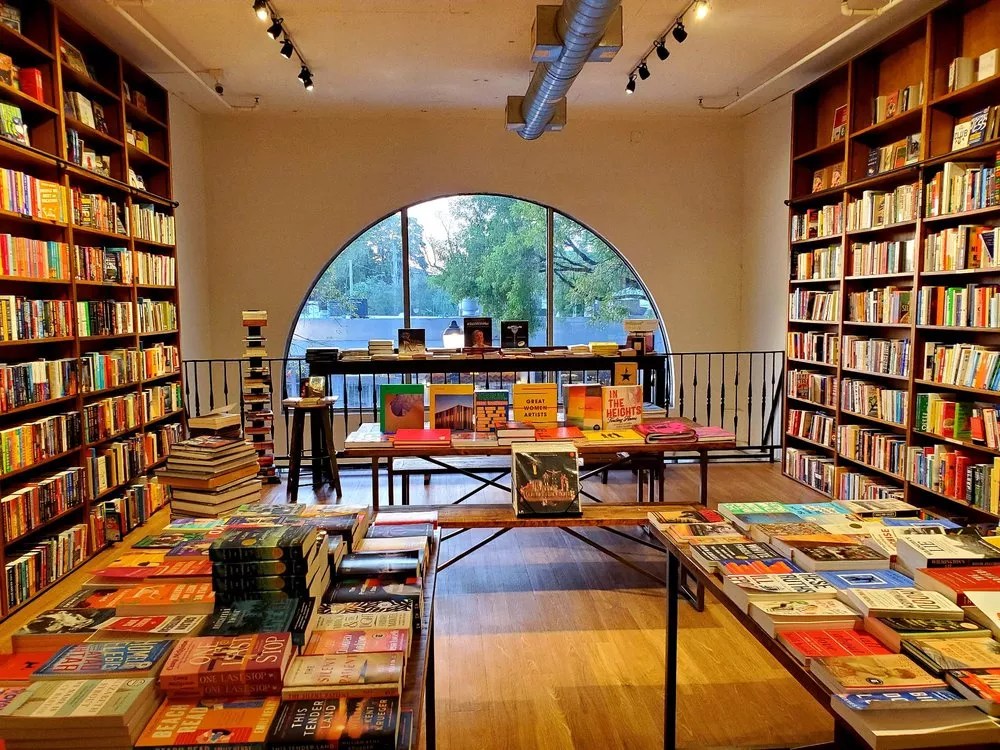
As we shared in our January 30 newsletter, lawmakers in Florida have advanced a new book banning bill, HB 1119 which would would bar school administrators from considering the overall “literary, artistic, political, or scientific value” of a challenged book. And this week, the Miami New Times published a piece by Mitchell Kaplan, owner of Miami stalwart bookstore Books & Books and a founder of the Miami Book Fair, on the dangers of this new effort. "HB 1119 takes Florida in the wrong direction," Kaplan writes. "It replaces a communal spirit and literary exploration with suspicion. It turns schools into battlegrounds instead of places of discovery. It sends the dangerous message that people should police ideas rather than discuss them."
Arizona Lawmakers Renew Effort to Make Library Workers Criminally Liable for Sharing Allegedly 'Harmful' Books
 Kathy Ritchie
In Arizona, KJZZ reports that Arizona lawmakers are once again looking to expose librarians to felony charges over allegedly inappropriate books. Senate Bill 1435 would make it a Class 5 felony (punishable by prison time) for a librarian or library worker to recommend or facilitate "access" for a minor to anything that depicts "sexual conduct, sexual excitement, or ultimate sexual acts." And check out this quote from GOP state senator David Farnsworth in support of the bill: "My wife and I absolutely forbid our children from reading those horrible Judy Blume books," he told KJZZ. "And because we didn’t clean up our society back then, we have to deal with absolutely horrific things today."
Alaska Lawmaker Introduces a Freedom to Read Bill
 Suzanne Downing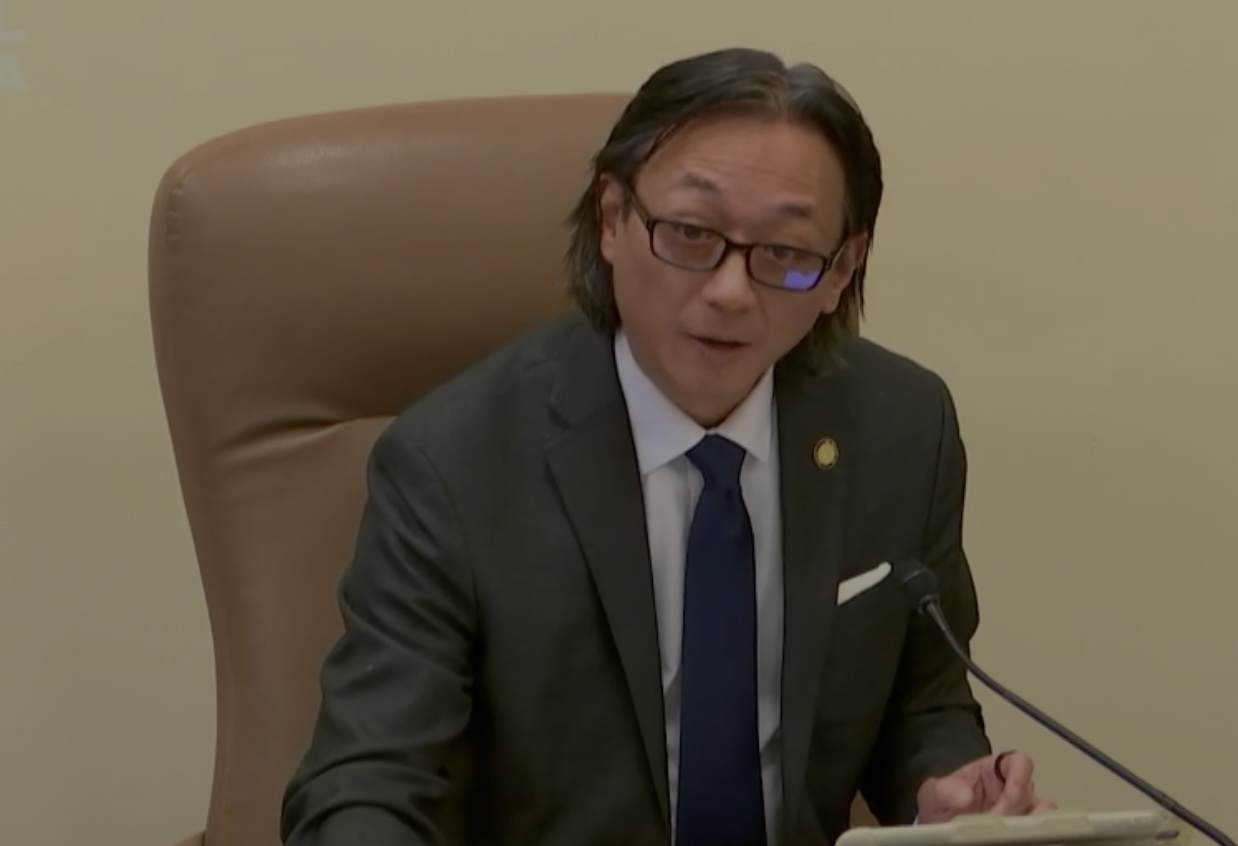
Via the conservative news site Alaska Story, a freedom to read bill has been introduced in Alaska. Among its provisions, Senate Bill 238, introduced on February 9 by Fairbanks Democrat Scott Kawasaki, would create "carve-out defenses" to protect employees of schools, museums, and public libraries from being prosecuted for making library materials available as part of their job. In fact, in several respects, Kawasaki's Alaska bill appears to follow the bill passed in Rhode Island last year.
According to Alaska Story (which positions the bill not as protecting the freedom to read but as a bill that "weakens accountability when explicit content is put in front of children...") Senate Bill 238 would also: prohibit the removal of library materials “based on disagreement with the ideas or concepts” expressed in a work; it would “bar governing bodies from restricting access, limiting searchability, or even requiring parental permission for minors” to access library materials; it would align the standard for “removal of material based on sexual content” with legally established obscenity standards; it would “prevent state or municipal authorities from reducing library funding” as retribution for not removing books; and it would allow “librarians, students, parents, authors, booksellers, and publishers to sue government entities that censor or order censorship of library material.”
Association of Canadian Publishers Speaks Out on Alberta Book Bans
 Erin L. Cox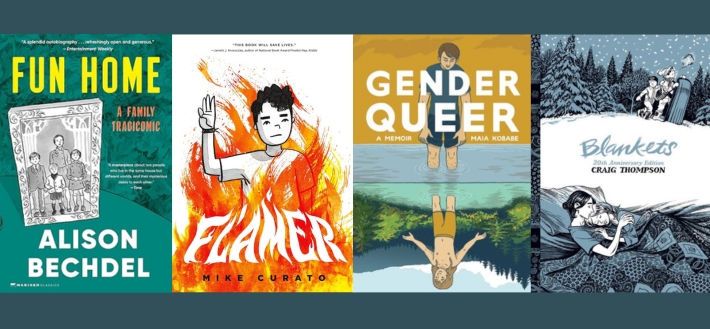
Via Publishing Perspectives, news that the Association of Canadian Publishers has issued a strong statement against the recent book banning directive in the province of Alberta. "Book bans divert educators’ time and public resources toward censorship, rather than education, while yielding no benefit for students," said Alana Wilcox, President of the Association of Canadian Publishers, in a release. The ACP called on Alberta officials to “repeal this harmful directive in its entirety; end top-down approaches to education policy that bypass meaningful consultation with educators, librarians, students, families, and publishers; and commit to developing future policies that respect student rights, professional expertise, and democratic values, while supporting—not restricting—access to a wide range of literature.”
New Hampshire Kills Unpopular Bill to Politicize Library Boards
Via the Conway Daily Sun, lawmakers in New Hampshire have killed House Bill 1214, which would have allowed voters to place public libraries "under the authority of selectmen or town councils while reducing library trustees to an advisory role." The bill's demise came after "library officials and municipal leaders" testified that the measure would "undermine the long-standing independence" of library trustees and "would replace 'a proven professional governance model' with direct political control that could jeopardize library operations statewide."
Texas Freedom to Read Advocate Leila Green Little in Book Riot
 Kelly Jensen
Over at Book Riot, Kelly Jensen leads off her weekly censorship news column with a Q&A with Texas freedom to read advocate Leila Green Little, lead plaintiff in the the unfortunately decided book banning lawsuit, Little v. Llano County. While talking about the harm the decision is causing, Green Little also offers this: "Citizens ultimately do have all the power here," she notes. "We just have to wield it and determine what our public libraries will become." For more, check out our talk with Leila Green Little from December.
Did Weariness with Book Bans Help Fuel a Democratic Win in Texas?
 Amanda Marcotte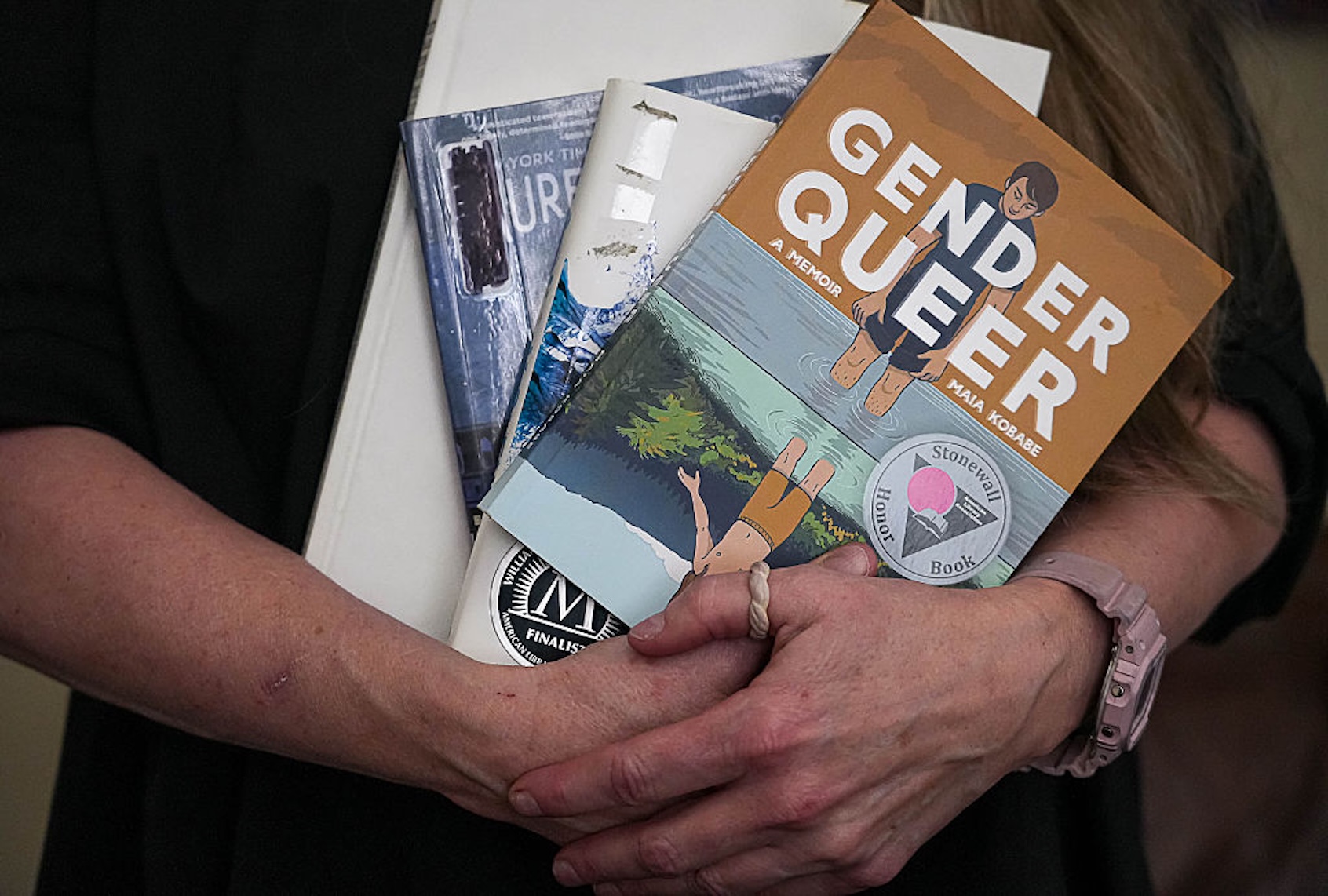
Over at Salon, Amanda Marcotte reports that Democrat Taylor Rehmet's recent victory over Republican Leigh Wambsganss in a special election for the Texas state senate may have been partly attributable to voters' being fed up with book bans in the state. "There are strong signs that Rehmet won in no small part because suburban Fort Worth has long been on the frontline in the culture war over book banning," Marcotte writes. "Wambsganss built her political career advocating for strict censorship in schools and libraries, and her loss signals that, even in this very conservative district, people are getting sick of the far-right telling them what they cannot read."
Librarians in Indianapolis Lead AI Classes
 Claire Rafford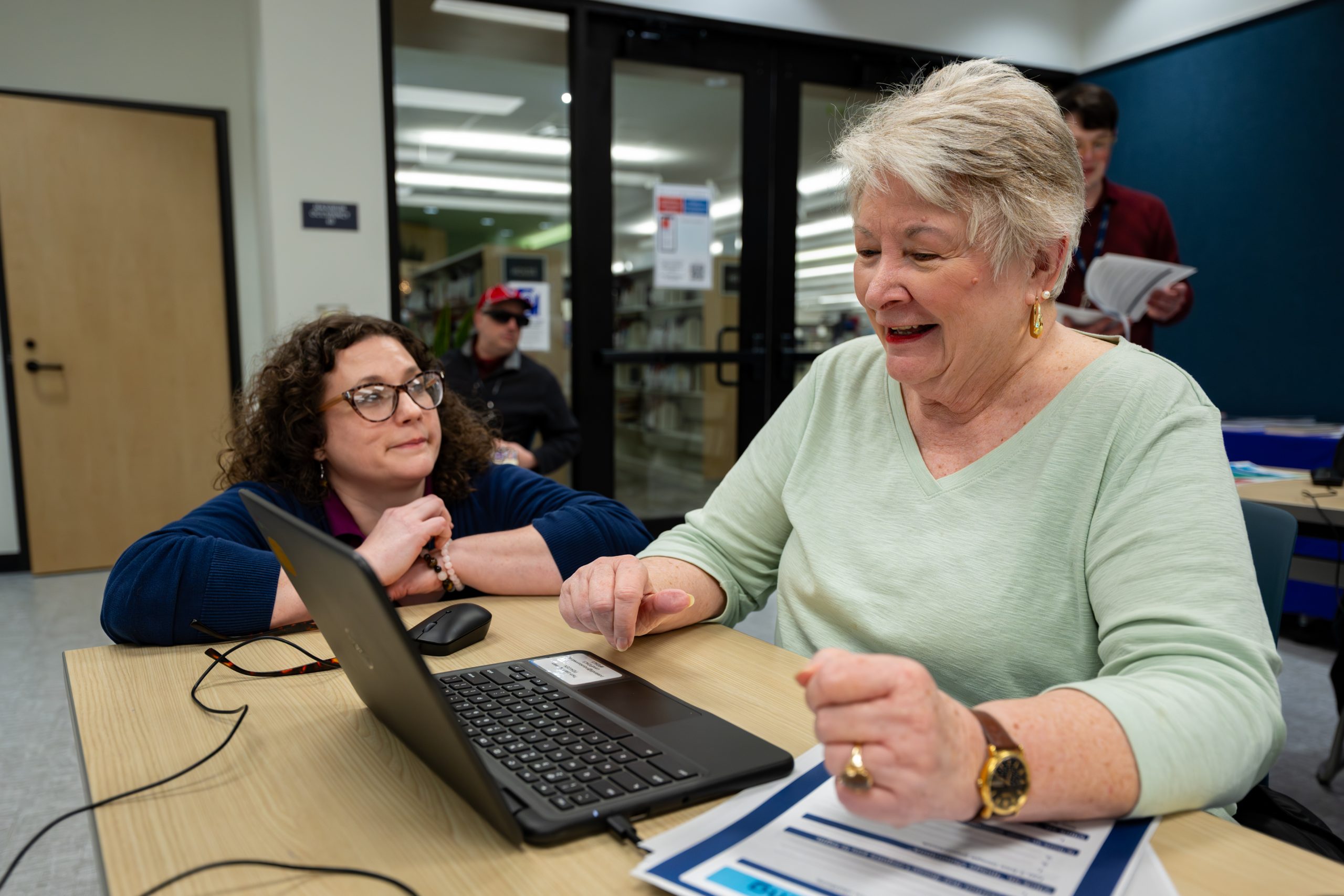
Via the Indy Mirror an article on a subject we expect to see more and more of in the coming year: AI education classes. "The Indy library started offering artificial intelligence classes earlier this year in response to requests from patrons. One course is a general overview of what generative AI is and how to use it, and another is specifically focused on how to recognize AI-generated content," the report notes. "Library staff hope that the AI classes will help people become more informed about artificial intelligence, whether they decide to use the technology or not."
And Finally This Week...


It was good news this week to hear that ICE is ending its surge in Minnesota. Let's hope the news is actually true. And with this news comes an opportunity to remind everyone about the upcoming PLA Conference, set for April 1-3 in Minneapolis, one of my favorite cities in the world. I will be there and I hope you will be too (please get in touch if you want to meet there). It looks like an incredible program. And the people of Minneapolis certainly deserve our support.
I for one have been heartbroken watching events in Minneapolis unfold. But I've also been inspired. The response in Minnesota has shown us all, at a great cost, what makes America great. And I'm looking forward not only to an excellent conference, but to spending an extra day in the Twin Cities eating at local restaurants, visiting libraries and local publishers, buying books, and hearing from people about their experiences.