The Queue: Library News for the Week Ending March 27, 2026
Among the week's headlines: The 2026 PLA Conference is upon us; Illinois advances a library ebook bill; several worrisome library bills in Iowa die in committee; a Tennessee librarian could soon learn her fate for refusing an order to ban books; and SLJ announces its School Librarian of the Year.

See You at PLA in Minneapolis
I'm excited to be heading to one of my favorite cities, Minneapolis, for the 2026 PLA Conference, set for April 1-3. If you're there, I hope you'll find me and say hello. I'll also be at the IndieLib Forum on March 31.
Some 5,500 library professionals are expected convene for the Public Library Association’s (PLA) biennial conference at the Minneapolis Convention Center, and more than 265 companies are set to fill the exhibit floor.


The conference lineup looks terrific, with national leaders from the American Library Association and PLA set to share policy and advocacy updates on topics ranging from federal funding for libraries, to the freedom to read, and discussion of a recent report the state of public library facilities. Keynote speakers will include Bryan Stevenson, founder and executive director of the Equal Justice Initiative (EJI) in Montgomery, Alabama; Ruha Benjamin, founding director of the Ida B. Wells Just Data Lab; and Chef Sean Sherman, of the Oglala Lakota tribe who is owner of Owamni restaurant and an acclaimed cookbook author.
There are also more than 100 educational sessions on tap across a variety of subjects, from book bans, to AI and the state of the library ebook market. You can check out the full professional program here.
Illinois Advances its Library Ebook Law
 Taylor Fleming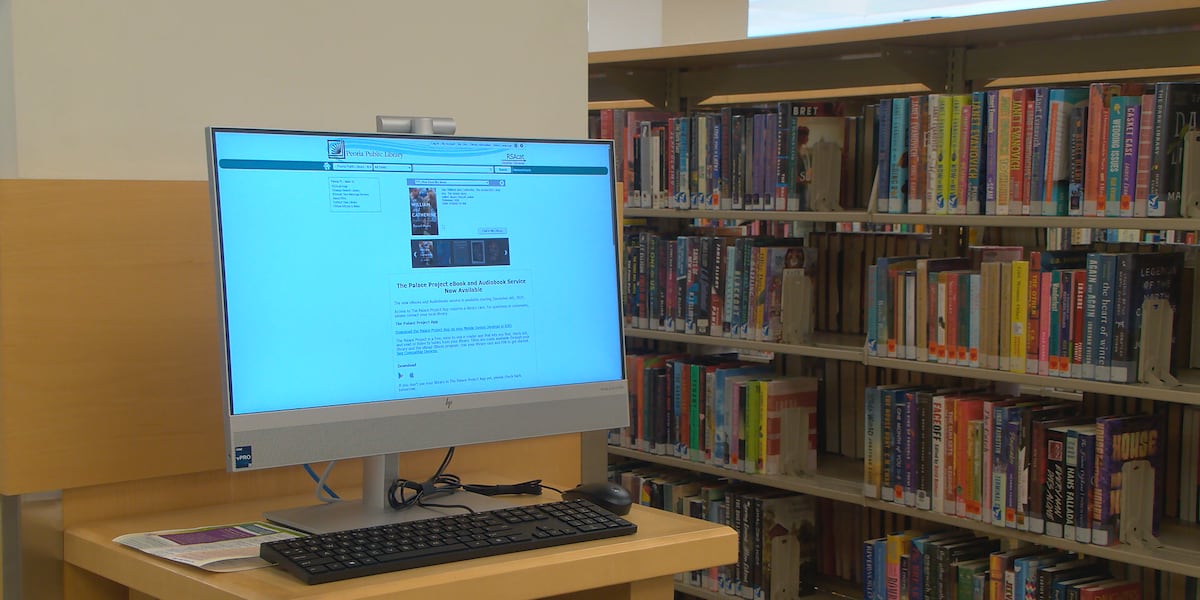
This week, we reported on a shift in the library ebook market toward legislation. And this week, news from local affiliate 25 News that the state’s new library ebook bill is moving through the state legislature.
“The Digital Library Protection Act would restrict publishers from making agreements to distribute electronic materials like e-books and audiobooks if the agreement would keep the library from ‘customary operational functions’ or performing ‘customary lending’ functions,” the report notes. Meanwhile, the report notes that the Association of American Publishers is seeking to stop the bill, telling lawmakers that the legislation “infringes on the rights of authors and other creators,” and comparing it to the 2021 Maryland law that was struck down as unconstitutional over a copyright conflict, even though this bill is fundamentally different.
How Public Librarians Are Handling ICE
 Greg Landgraf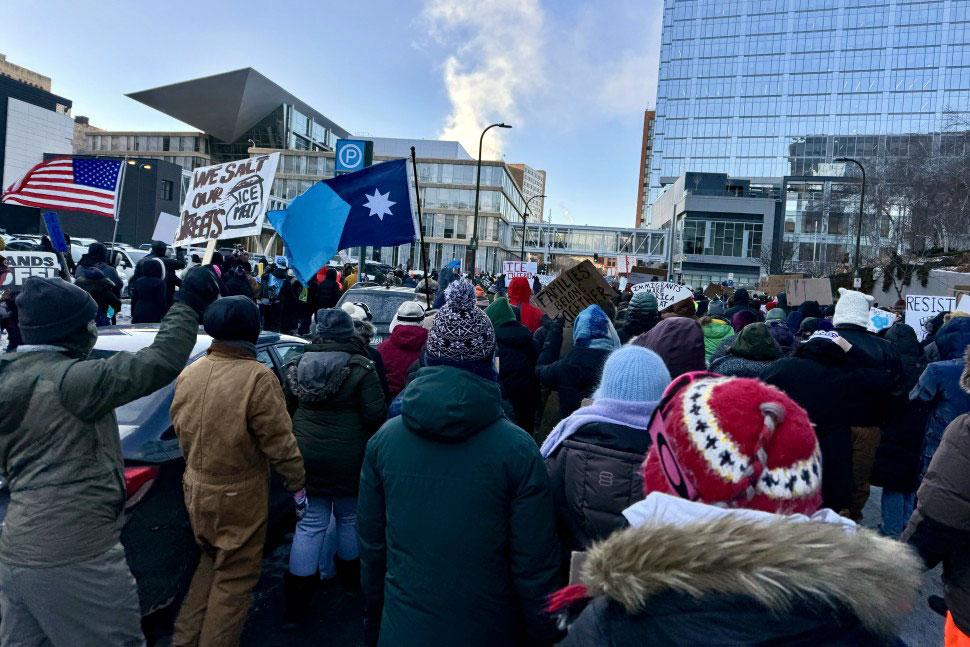
American Libraries this week looks at how librarians are dealing with ICE. The piece rounds up observations offered during a February Public Library Association (PLA) webinar called Responding to ICE at the Library: Real World Approaches. "Speakers include Scott Duimstra, director of Hennepin County (Minn.) Library; Kimberly B. Knight, director of Virginia Beach (Va.) Public Library; and Jocelyne Sansing, director of Middleton (Wis.) Public Library. They will also present this session at the PLA 2026 Conference in Minneapolis on April 3, at 11:45 a.m.," the report notes.
Iowa Bills Aimed at Restricting Public Libraries Fail to Advance
 Katarina Sostaric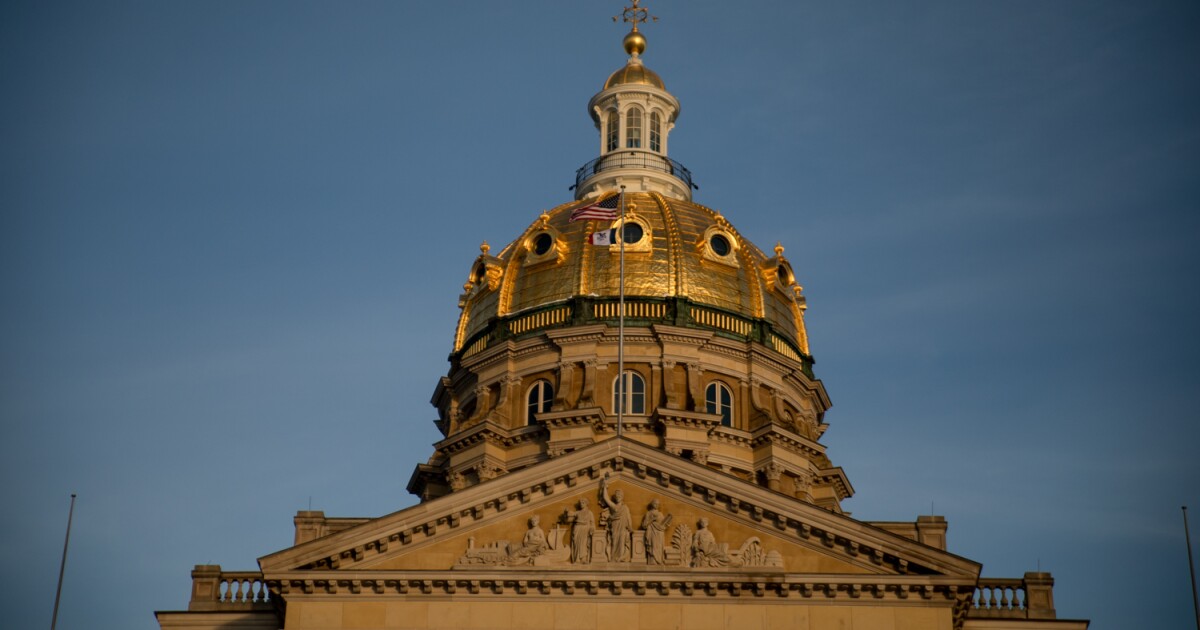
According to reports, several of the bills looking to restrict the work of libraries in Iowa have died in committee. Iowa Public Radio reports that "four bills aimed at keeping minors away from library materials with sexual content failed to advance, as well as a House bill (HF 2662) that would shift public library governance from a board of trustees to the city council."
According to the Iowa Capital Dispatch, one of the bills that failed to make it was House File 2324, the monumentally stupid proposal that would have banned partnerships between schools and public libraries.
Meanwhile The Gazette writes that while some bills have failed, others have not, and the threat to libraries in the state remains. "Some bills targeting public libraries that made headlines survived the legislative funnel deadline this past week. Some didn’t make the cut. But no proposal is truly dead until lawmakers end the session this spring," the report notes. "It’s common for 'dead' bills to rise again, especially in a session’s final hours. And if, as expected, Republicans keep control of the Legislature, there’s always next year."
Tennessee Librarian to Face Board Over Refusal to Remove Books
 Kelly Jensen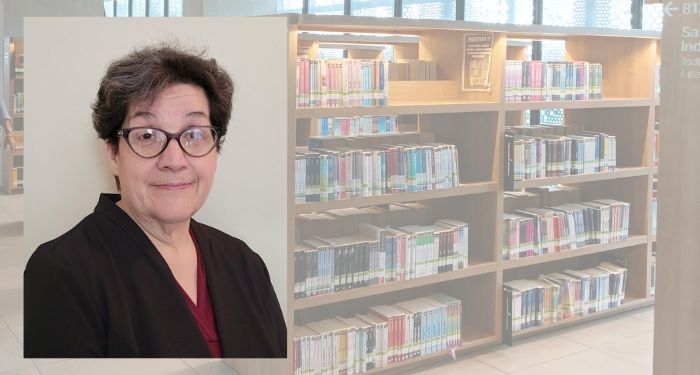
The Tennessean reports that Rutherford County Library Director Luanne James, who has been called a hero for courageously refusing to move some 132 books as ordered by her library's board following a state-ordered review of the collection, will face the board on Monday, March 30 at 5 p.m. at the Rutherford County Historic Courthouse "to determine the appropriate course of action against James for her insubordination.”
In addition, Kelly Jensen at Book Riot has an excellent piece on James and her actions, well worth reading. "James’s decision not to remove the books is being hailed by freedom to read advocates as heroic, and it is," Jensen writes. "She’s continued to show a willingness to speak up and out about the board’s behavior. While her livelihood is on the line, she’s taken the risk because it’s her duty as a librarian and to her community."
In her March 18 email to the board, James outlined her objections. "My duty to protect public access is not merely a personal opinion; it is a core tenet of the American Library Association’s Code of Ethics. As an arm of the county government, the Board cannot legally limit the public’s access to materials owned by the people based on the content of the ideas expressed within them," James wrote. "Therefore, I will not comply with the Board’s decision to relocate these books. Doing so would violate the First Amendment right of all citizens of Rutherford County and myself. Consequently, I would compromise my professional obligation to oppose government-mandated viewpoint discrimination.”
Meanwhile, an online letter-writing campaign has generated more than 16,000 letters in support of James.
The Impact of Banning Books on 'Sensitive Topics' in Schools
 Elizabeth Heubeck
EdWeek has an interesting article on how banning books that deal with tough topics, such as mental health challenges, abuse, and suicide impacts students. "The question of how schools should respond to suicide risk may not have a single answer. But several areas are worth examining: the role of teaching literature to high school students, partnerships between teachers and school-based mental health professionals to support vulnerable students, and how to keep students at the center of book removal decisions," the report states.
Good Taste, or Something Else?
 , York Daily Record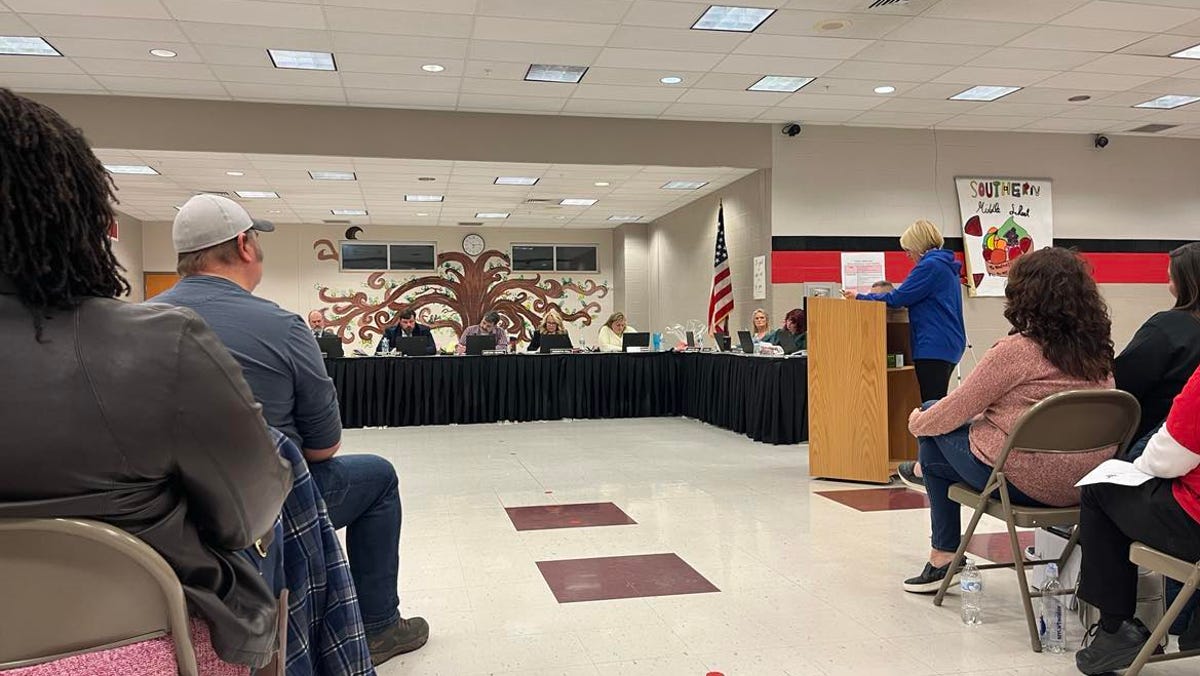
In Pennsylvania, The York Daily Record reports that the Southern York school district has approved a new library policy that bans books with “vulgar language” that offends “good taste or propriety.” Books that meet the new policy's definitions “will not be stocked in Southern York's school libraries, regardless of their artistic merit,” the report notes. "The language of the policy, adopted unanimously by members of the all-conservative board, is nearly identical to policies adopted by several other far-right school boards," the report also observes, adding that some of those policies were drafted with the help of "the conservative Christian Independence Law Center. The ILC has promoted book bans and anti-LGBTQ+ policies in districts across the state."
Texas School Library Proposes Major Investment in School Libraries
 Sierra Burnett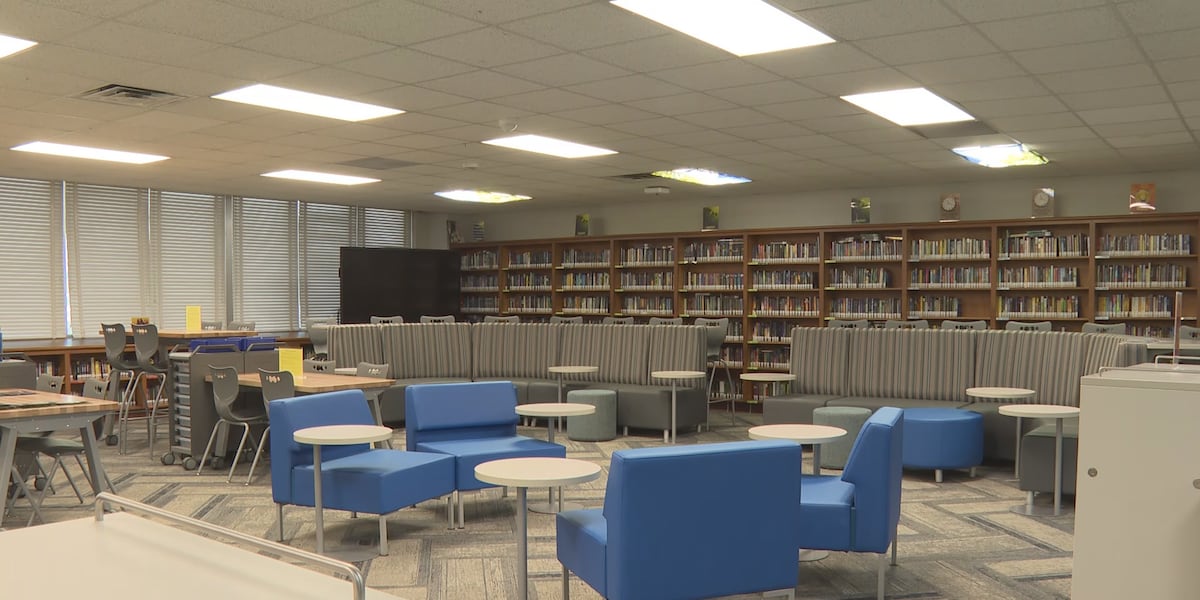
Less book banning, Texas, and more of this, please. Local affiliate First Alert 7 reports that the Ector County ISD has announced a major investment in its school libraries. "District leaders say this isn’t just about books; it’s about creating environments where students want to learn," the report states. "Plans include updated furniture, flexible seating, and new, diverse book collections from romance to science fiction to horror. It’s all designed to reflect students’ interests."
How Book Banners Are Attempting to Get Around Your Rights
 Kelly Jensen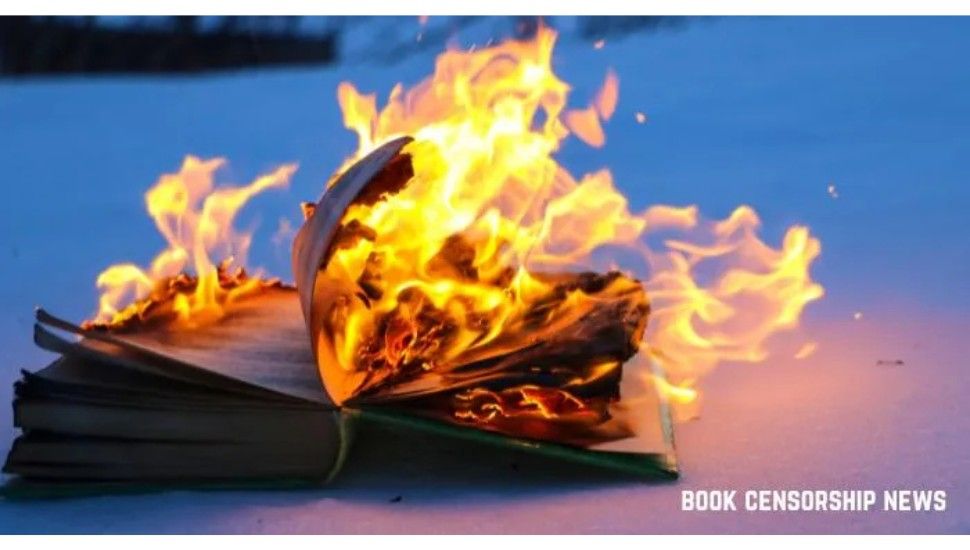
Over at Book Riot, Kelly Jensen leads off her weekly censorship news column by teaming up with the ALA's Executive Director at the Office for Intellectual Freedom, Sarah Lamdan, for a look at how book banners are attempting to work around the Supreme Court's "Miller Test" for obscenity and use the Government Speech doctrine to change the very nature of libraries. "Because book banners know that what they are doing violates people’s rights, they are trying to bypass those rights by claiming that, when people use libraries, those rights don’t exist," the piece notes. "But they are wrong."
Open AI is Shutting Down Sora
 Maxwell Zeff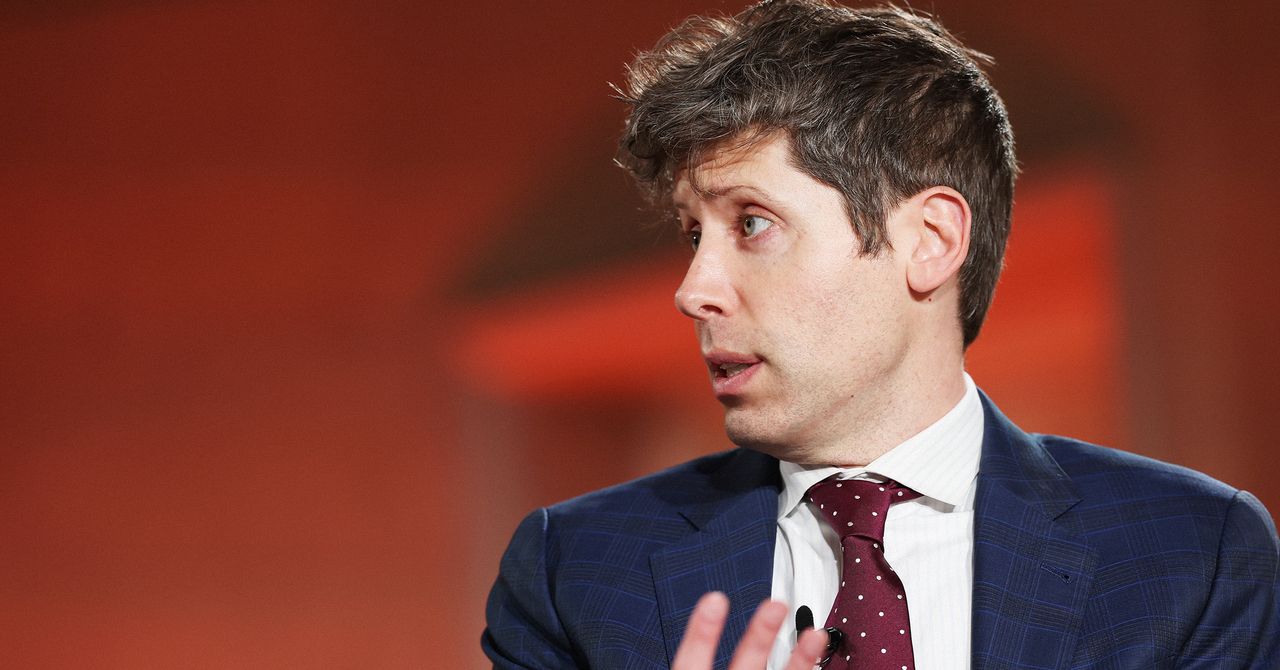
Open AI this week announced that it is shutting down Sora, its controversial video-generation app. "While Sora launched with great fanfare, the product didn't quite fit into OpenAI’s new era, and the company decided its GPUs and researchers were better used elsewhere," Wired reports.
This is good news for library digital platform OverDrive. As Words & Money has reported, OverDrive , which owns Sora, the popular student-focused digital borrowing platform, was in the process of suing Open AI for trademark infringement in federal court, arguing that Open AI's "misuse of the OverDrive SORA trademark threatens to harm (and already has harmed) the goodwill associated with OverDrive’s SORA and SORA Icon trademarks." The litigation is currently paused while the parties have scheduled in-person mediation, which should end the litigation.
NBCC Announces its 2026 Literary Award Winners
 Sophia Stewart |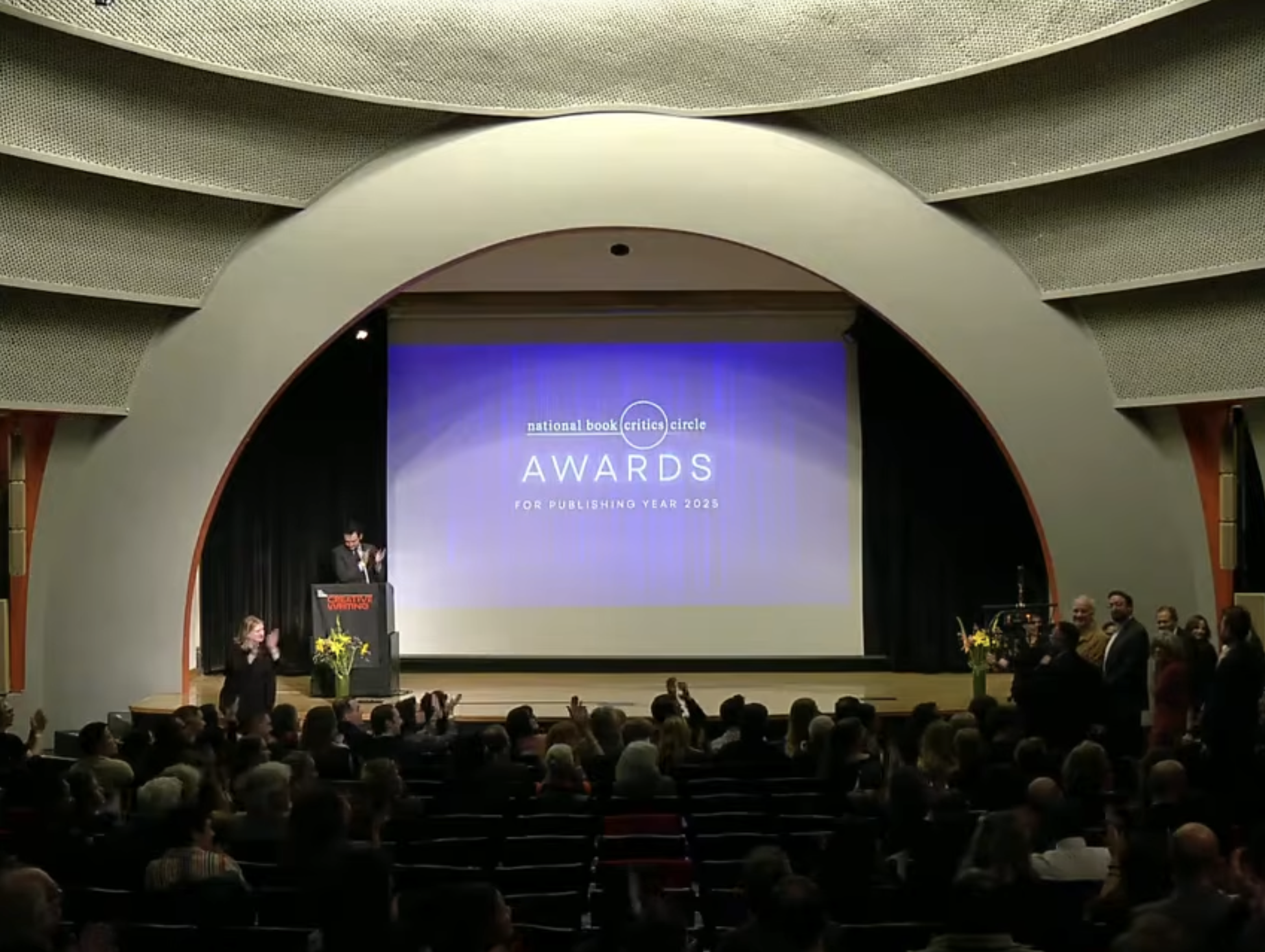
Sophia Stewart at Publishers Weekly reports on the winners of the National Book Critics Circle Awards, which were announced at a ceremony in New York on March 26. "NBCC president Adam Dalva kicked off the night by acknowledging that our current political moment is one in which 'the very concept of the free press is under attack. And yet here we are, defiantly carrying on the NBCC’s mission: to seek the right for our members, and for critics around the world, to think freely,'" she notes. This is one of my favorite literary awards.
And Finally This Week...
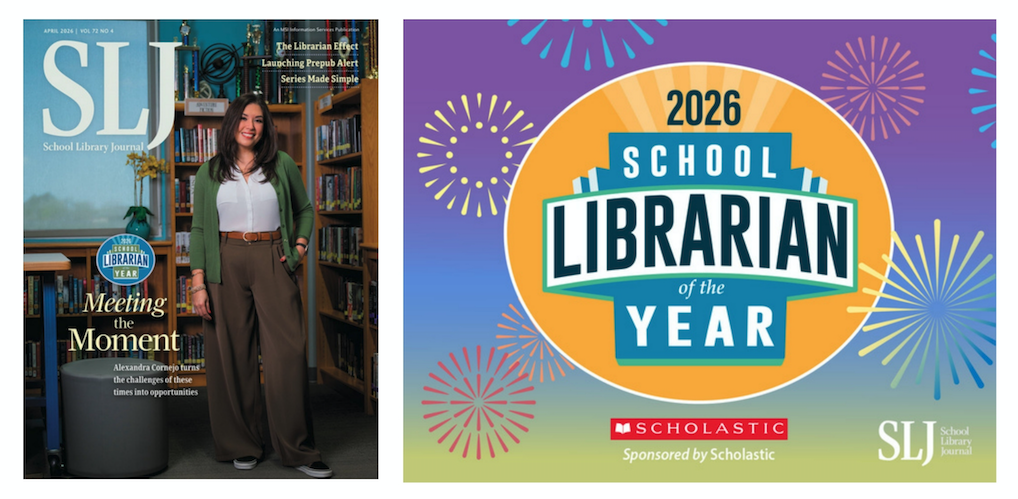
Congratulations to Texas librarian Alexandra Cornejo on being named School Library Journal's 2026 School Librarian of the Year. I thoroughly enjoyed Kara Yorio's excellent profile of this excellent librarian.
"In the state at the heart of America’s censorship attempts, she focuses on creating a collection that shares stories from various perspectives and trains her fellow district librarians on collection development within the legislative restrictions; she advocates for intellectual freedom; and she stresses the importance of her information literacy lessons. As educators try to manage the overwhelming impact of artificial intelligence (AI), she shows teachers and students how to use the technology to assist their actions, not replace their agency," Yorio writes. "A librarian of these times, for these times—turning unprecedented challenges into new opportunities and giving it all she’s got—Cornejo is the 2026 School Librarian of the Year."