The Queue: Library News for the Week Ending March 6, 2026
Among the week's headlines: ALA workers form a union; library advocates get to work as congress begins the FY 2027 budget process; a controversial book banning bill in Wyoming dies in committee; and a startup in Texas looks to cash in on the state's new book banning bill, S.B. 13.

There is Power in a Union
It's been a difficult stretch for the American Library Association as it looks to implement a new strategic plan and seeks to recover from a serious financial shortfall. And no question, the burden has been acutely felt by ALA staff in recent years, who have seen layoffs and furloughs with more pain likely to come before things get straightened out. Against that backdrop, comes some good news this week: ALA workers have formed a union.
In a letter shared publicly this week, ALA workers announced the creation of ALA Workers United, with AFSCME Council 31. In the letter, ALA workers cite "recent multi-round layoffs, increased workloads, benefits reductions, financial crises, ingrained salary disparities, and lack of transparent decision-making" as motivating the effort. "Despite these many challenges, we still believe ALA is an inspiring place to work and want to see it succeed," the letter goes on, adding that the ALA union hopes to create "a sustainable future that restores, reimagines, and reinvigorates ALA’s crucial advocacy by negotiating an equitable labor contract."
The letter also notes that the workers hope ALA leadership will respect their right to unionize and meet them at the negotiating table in good faith. And so far, that appears to be happening, which should not be a surprise, given that the ALA's new executive director, Dan Montgomery, comes to ALA after 15 years leading a major union, the 103,000-member Illinois Federation of Teachers.

“ALA’s mission has always been rooted in the belief that people deserve a voice in their communities, in their institutions, and in the decisions that affect their lives. That belief extends to our own workplace," Montgomery said in a statement issued by ALA. "We respect our employees' legal right to organize and will engage in this process thoughtfully and in good faith."
On a personal note, over many years of reporting, I can personally attest to the quality and dedication of the ALA staff. Congratulations to them on the formation of their union. And kudos to the ALA as well for its response. I'm sure the path ahead won't be easy, given the pressure ALA is under. But let's hope the current spirit of cooperation extends to negotiations and yields a fair contract, and a stronger ALA.
ALA Calls for Federal Funding Boost in FY 2027 Budget

It's that time again: with Congress seeking requests for federal Fiscal Year (FY) 2027 spending, the American Library Association (ALA) this week launched its annual Fund Libraries campaign, and is asking library advocates to urge their representatives to sign the bipartisan “Dear Appropriator” letters in support of federal full funding for two crucial programs: $232 million for the Library Services & Technology Act (LSTA) and $50 million for the Innovative Approaches to Literacy (IAL) program. The deadline for signatures is Friday, March 20. Companion letters in the Senate will be released in the coming weeks.
“Over the past year, we have faced seemingly insurmountable challenges, but libraries have a track record of success in securing support for federal funding," said ALA President Sam Helmick, in a release. "These wins are not just good luck. Federal library programs are still in place, and grants continue to flow because advocates show up for our libraries. Advocates can contact their federal leaders through ALA's #FundLibraries campaign page. ALA also tracks signatures on Dear Appropriator letters and updates them in real time at ala.org/fundlibraries.
On to the General Election...
 Editor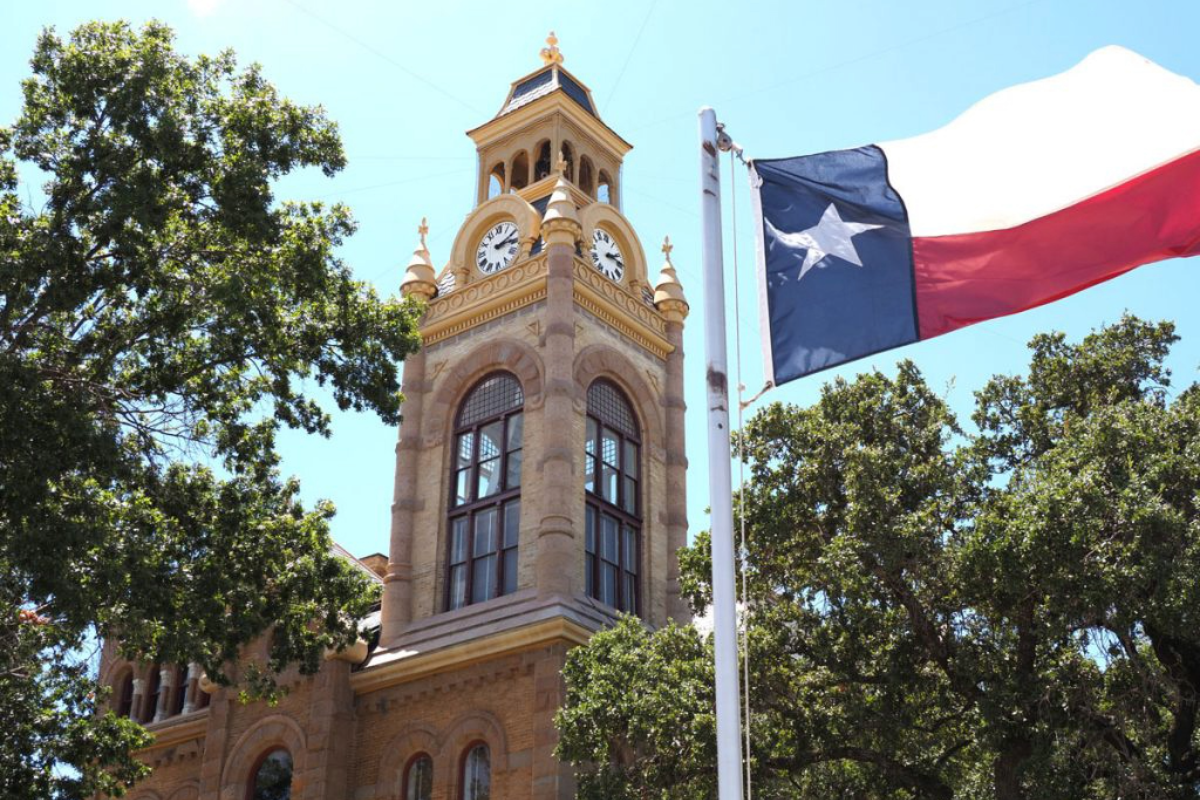
No surprise, it turns out that opposition to censorship isn't much of a driver for Republican primary voters in rural Texas. In a follow up to our lead item last week on the local race in Llano County, Texas, on March 3, 20-year incumbent Jerry Don Moss easily won the GOP nomination for the Llano County Commissioners Court, Precinct 4, defeating Robert Little, the husband of Leila Green Little, the freedom to read advocate and lead plaintiff in the one of nation's most closely-watched book banning cases, Little v. Llano County. Moss captured roughly 91% of the Republican vote in securing the nomination, again, hardly a surprise.
The result, however, doesn't diminish Little's effort, and it is a victory of sorts that Moss didn't go unopposed. And, the race is not over, of course. It's now on to the general, where Moss will have to face off directly against Leila Green Little, who secured the Democratic nomination, running unopposed in last week's primary.
Group Warns of 'Devastating' Cuts if Ohio Group Succeeds with Bid to End Property Taxes
 Marty Schladen, The Ohio Capital Journal
Cleveland Scene (via the Ohio Capital Journal) reports that a group called Ax Ohio Tax is working on a terrible idea: to put "a tax-elimination amendment on the November ballot" that would end property taxes in the state.
"In Ohio, property taxes fund a wide variety of local services. More than three-fifths of property taxes fund public schools, with lesser portions funding fire and police departments, libraries, townships and city and county governments, Policy Matters Ohio reported in January," the article notes. But out of this terrible idea comes some good news: a new poll, which finds strong support for libraries. "A Public Opinion Strategies poll released this week said that 90% of Ohioans think their local library is important to their community; 87% believed it was worth the taxes that supported it; and 69% could recall a specific time when the library helped them personally."
Eleventh Circuit Hears Challenge to Review Process in Florida Book Banning law
Courthouse News has a good report on a hearing before the U.S. Court of Appeals for the 11th Circuit over a review process in Florida's controversial H.B. 1069, which purports to ban allegedly "pornographic" books from Florida schools. While the 11th Circuit is also set to hear an appeal of an August 2025 decision that gutted the law's book banning provision, this case, filed by three Florida parents, involves a provision in H.B. 1069 that allows for an appeal process when a school board refuses to remove a challenged book, but offers no path for appeal when a book is removed.
In dismissing the suit last year, federal judge Allen Winsor, a Trump appointee, ruled that the law was fine because it was not about "viewpoint discrimination" but about speaker status. "The State Review Process exists to uphold Florida law, under which local districts may not retain books of the sort the Legislature deemed inappropriate," Winsor pointed out in his dismissal. "Thus, it makes sense that the State Review Process does not offer parents wanting books retained an opportunity to appeal or otherwise access the process. The bottom line is that limiting access to parents who appeal inclusion of a book is reasonable in light of the State Review Process’s purpose of ensuring local compliance with Florida law."
Escambia County, Florida Confirms Library Director Over Board's Unanimous Objection
 , Pensacola News Journal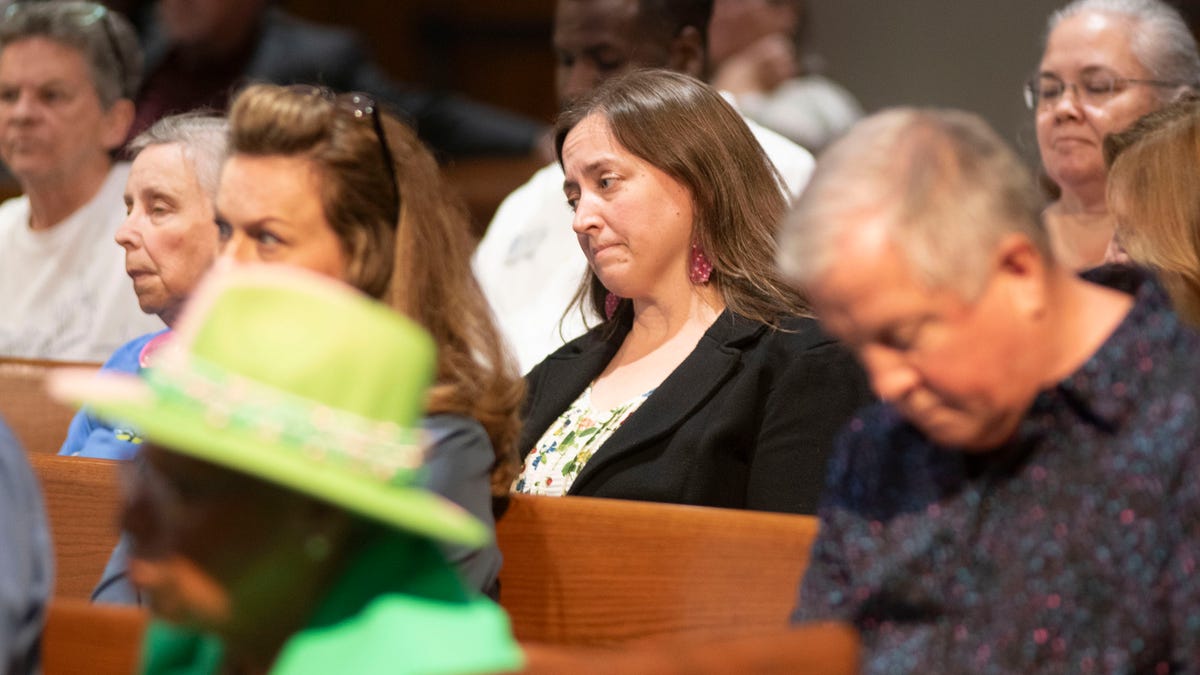
The Pensacola News Journal reports that Escambia County, Florida has confirmed "a controversial pick for the director of West Florida Public Libraries over the protests of the libraries’ board" (which reportedly rejected the nomination unanimously) and "dozens" of objectors. The article notes that the newly appointed director, Christal Bell-Rivera, has no library degree, only three years of experience working in a library, and is married to a local County official.
“I was totally flabbergasted that the county commissioner would ignore the recommendation from the board and, as has been said, select an unqualified person for this very important decision,” retired librarian Cindy Burden told the county commission, according the report. “It just seems to me that a unanimous decision by the board should be supported by this commission and the county commissioner. Otherwise, it does smell really fishy.”
Controversial Wyoming Book Banning Bill Dies in Committee
 Charley Sutherland, Jackson Hole News&Guide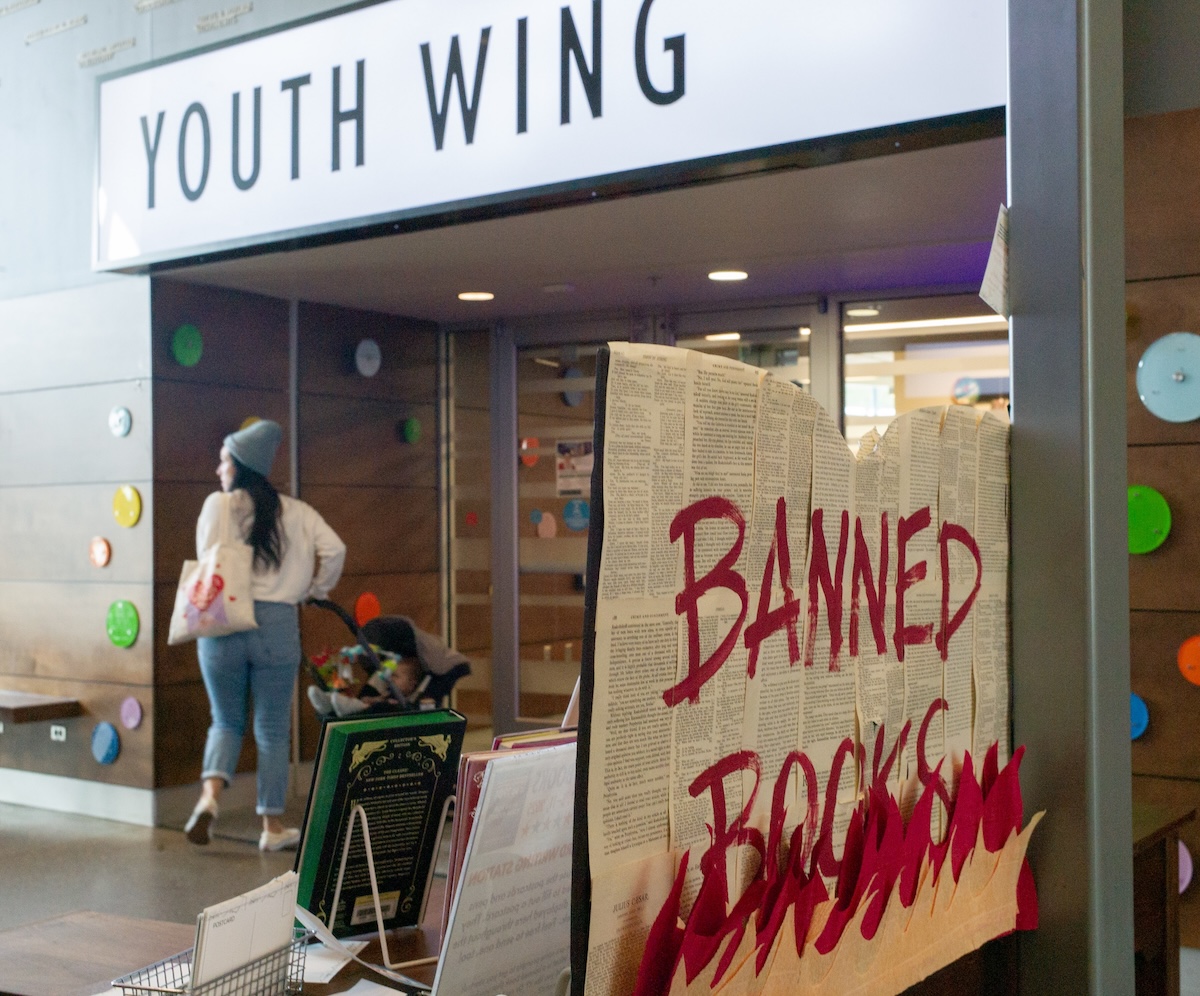
Some good news out of Wyoming, where WyoFile reports that a controversial library book banning bill has died in committee. "The bill in question, House Bill 10, 'Sexually explicit materials in libraries-requirements,' gained traction in Cheyenne but died Tuesday when the Senate did not take it off the upper chamber’s general file ahead of the deadline to do so," the report notes. "Had the measure passed, librarians would have needed to ensure there were no sexually explicit books in the children’s section of a library."
Opposition Rises to Iowa Bill That Would Ban School, Public Library Partnerships
 Jocelyn Peshia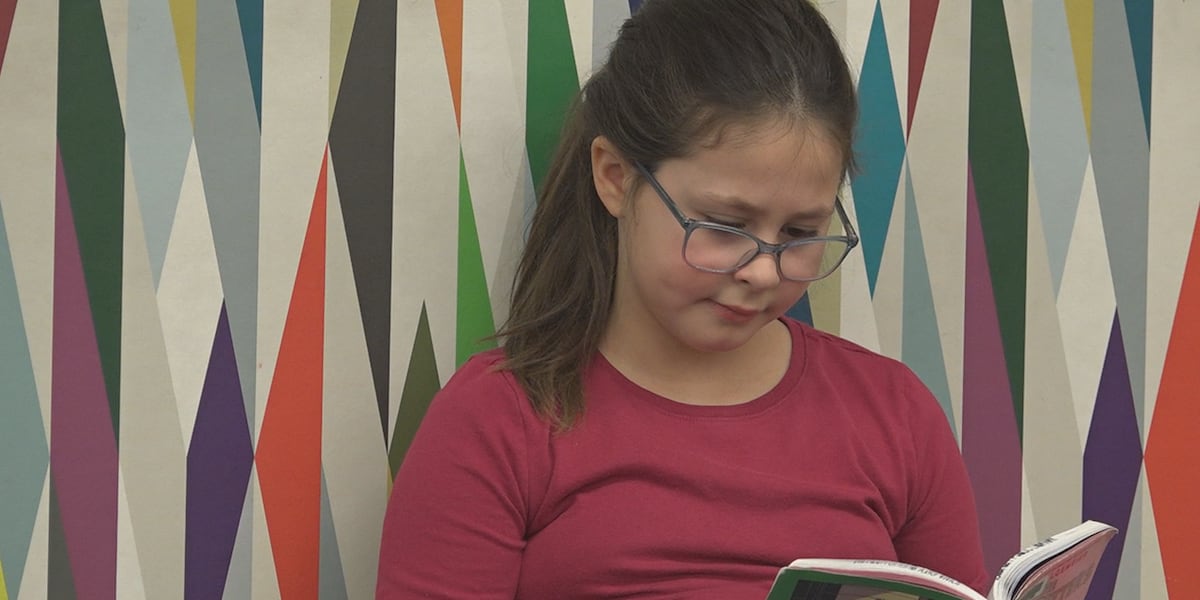
Of all the anti-library bills advancing in state legislatures, House File 2324 may be the stupidest. KCRG reports this week that the bill (one of several advancing in the Iowa legislature this term) would prohibit public and charter schools from entering into partnerships with public libraries over fears of exposure to inappropriate content. But KCRG reports that some 98% of Iowa City families choose to allow their children to use their school ID number for library access (in other words, they opt-in). “Books and librarians and libraries are not the enemy,” Angela Pilkington, the children’s services coordinator at the Iowa City Public Library told reporters. “I think we need to get to a place as a society to realize that it’s a public place, and it’s okay for you not to like a book, but it’s not okay to tell other people that they should not like that same book.”
Iowa Librarian: 'It Used to Be a Given That Libraries Are Good'
Also in Iowa, The Gazette has a piece this week on the importance of librarian advocacy amid a years-long legislative attack on the freedom to read. "Iowa libraries have become something of a legislative lighting rod in recent years with a slew of proposals coming out each session that could affect library operations across the state, if not the country," the report notes. "The change has pushed many librarians to merge their traditional role as educators and public servants with that of advocates working to protect continued community access to information and imagination."
The article goes on to quote Iowa Library Association President Brittany Jacobs, who commented on "the hostility" and "vitriol" that seems to accompany these legislative attacks. "It used to be a given that libraries are good," Jacobs told the Gazette. "So to see the legislature turn around and introduce bills that call us out and demonize libraries was shocking to say the least."
Utah's Book Banning Spree Continues as State Orders Four More Books to Be Removed from Schools

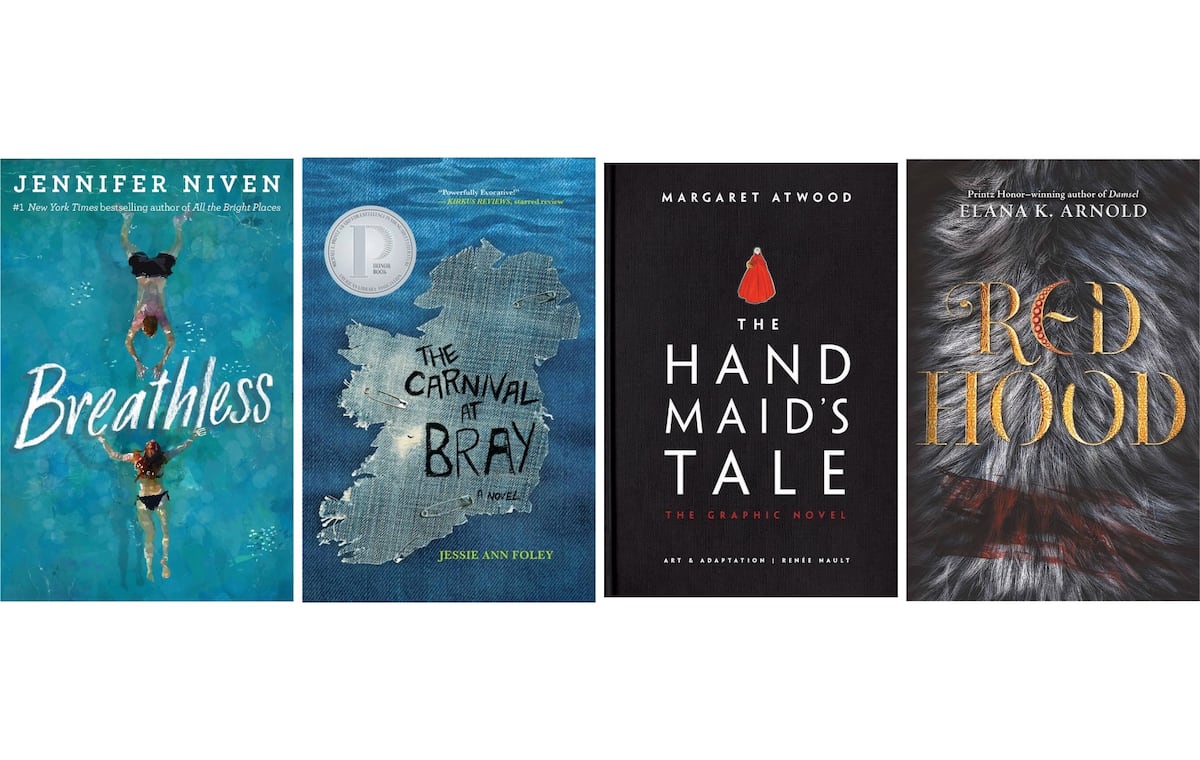
The Salt Lake Tribune reported this week that the number of books banned from all Utah public schools under a new state law hit 27 this week, after four new titles were added to statewide removal list. "The books are: Breathless by Jennifer Niven; The Carnival at Bray by Jessie Ann Foley; The Handmaid’s Tale: The Graphic Novel by Margaret Atwood; and Red Hood by Elana K. Arnold," the Tribune reports. Under the law, books are banned from schools statewide if three or more school districts ban the books. "The four new titles were officially banned Monday after the Davis, Granite and Washington County school districts removed the titles," the report notes.
Censorship, or 'Risk' Management'?
Fast Company has an interesting piece on Bookmarked, the startup that is promising to help Texas school officials comply with the recently passed law S.B. 13, which seeks to restrict access to allegedly inappropriate books in Texas school libraries.
“OnShelf, [the company’s] AI-powered platform…works by ingesting a school district’s library catalog and comparing it against a growing database of titles that have been challenged or restricted elsewhere,” to generate “a list of “potential flags.” Notably, the article notes that “the company spent at least $80,000 lobbying” in favor of S.B. 13.
In an interview with Fast Company, the company’s founder downplayed the censorship risk. “We’re just showing you what we find on the internet. We’re not telling you what to do.” But critics, including Tasslyn Magnusson, disagree. “When you start flagging books as somehow bad or under issue in other districts and other states, you’re undermining your local community control of what a school should have available for its students,” she told Fast Company. “Leila Green Little, a Texas parent and lead plaintiff in a recent federal lawsuit over library censorship, is more blunt in her assessment,” the article goes on. “Bookmarked is a solution to a problem that does not exist,” she told the outlet.
Discrimination, Then and Now
 Kelly Jensen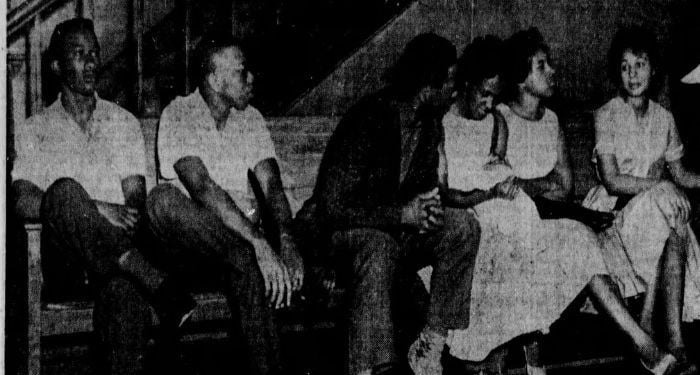
With the death of Jesse Jackson, Kelly Jensen leads off her weekly censorship news column at Book Riot with a look back at the "Greenville Eight," who stood up to discrimination in the Greenville Public Library in 1960. "It’s not often enough that we talk about the role public libraries played in upholding segregation, but they did," Jensen writes. "It’s also not often enough that we tie that segregation into the contemporary movements of book censorship and how the erasure of queer voices and voices of color are but the continued legacy of upholding the public library as a space of and for white supremacy."
Suzanne Collins Takes Home 'Audiobook of the Year' Honors at the 2026 Audie Awards
 Andrew Albanese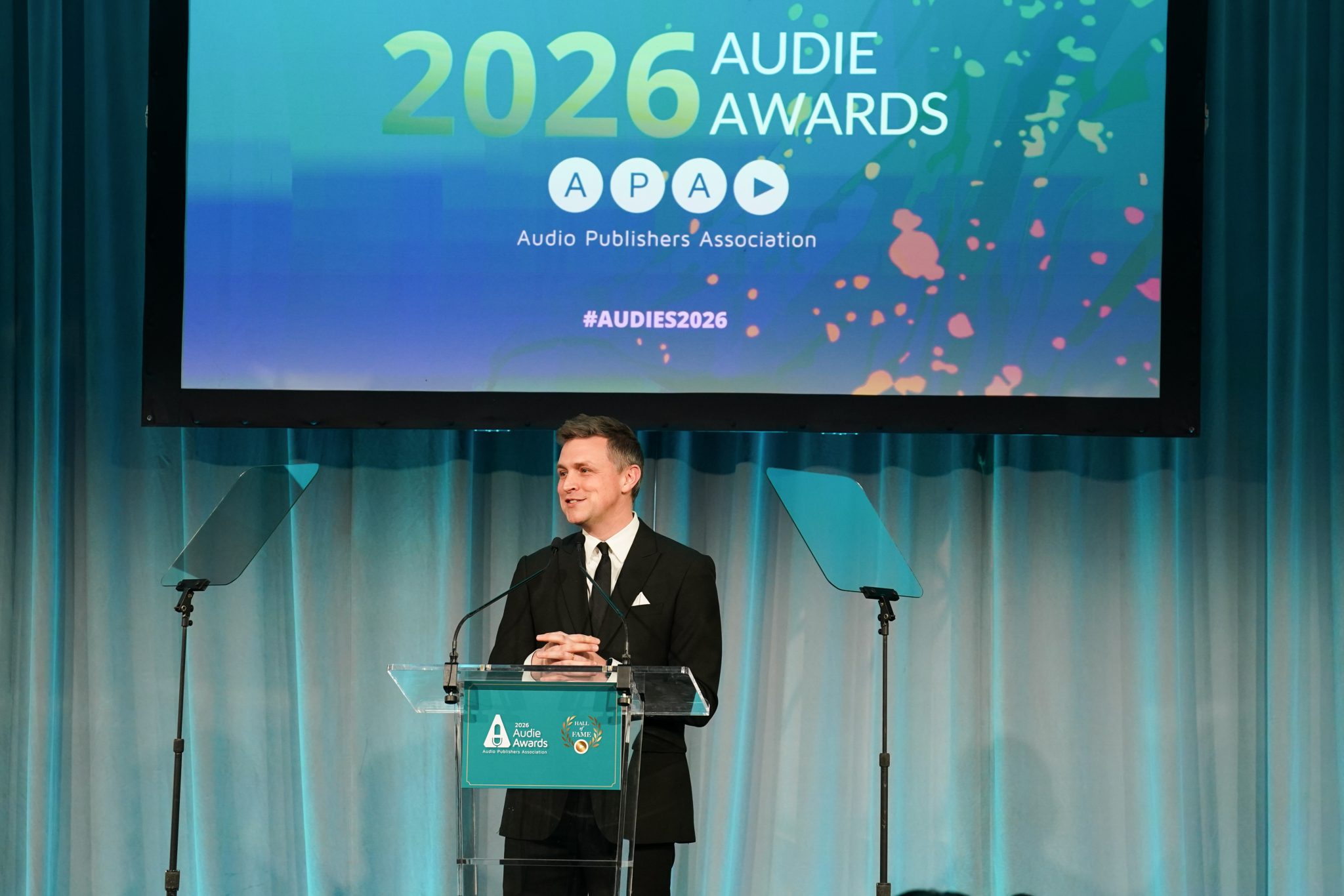
As I reported for Publishing Perspectives, Suzanne Collins’ Sunrise on the Reaping, narrated by Jefferson White, took home the top honor at the 31st Annual Audie Awards, at a star-studded gala held at New York’s Pier 60 on March 2.
In other categories, veteran actor Blair Underwood won for best nonfiction narrator for Lionel Richie’s Truly; Kristin Atherton won for best fiction narrator for Diana Galbaldon’s Outlander; John Green won best author narration for Everything Is Tuberculosis; former SNL star Kate MacKinnon won top honors for her book Secrets of the Purple Pearl, which she narrated with Emily Lynne; and Alton Brown, who also among the evening’s presenters, won for best collection for his book of essays Food for Thought.
In addition, the APA honored the inaugural Audio Publishers Association Hall of Fame inductees: veteran narrators George Guidall, Hillary Huber, January LaVoy, Robin Miles, and Simon Vance.
Libby Book Award Winners Celebrated

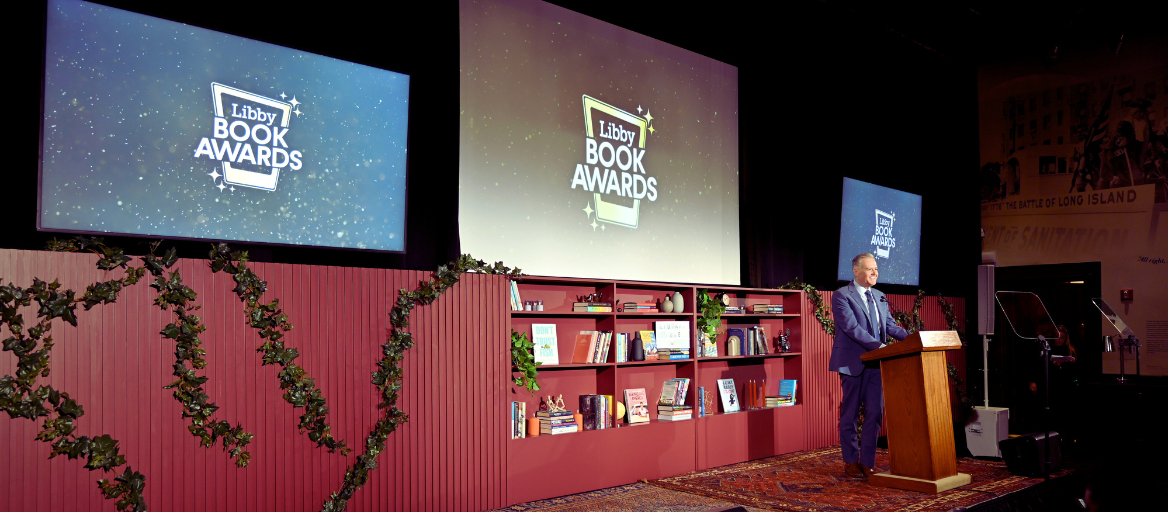
Via the OverDrive blog, the third annual Libby Book Awards were celebrated in-person for the first time on March 3rd at The Center for Brooklyn History at the Brooklyn Public Library. "The Libby Book Awards was a bookish night to remember," the post notes. "Taking place at The Brooklyn Center for History in New York and hosted by the iconic Ross Mathews, the night was filled with laughter, community, and bookish joy."
And Finally This Week...
 Matt Sutherland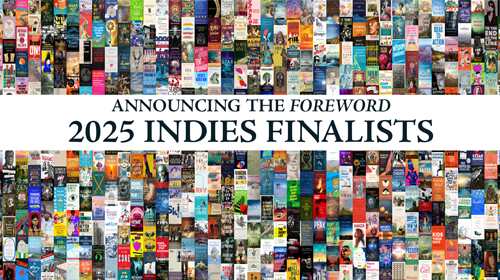
I'm looking forward to PLA in Minneapolis in April, and to the IndieLib Forum, on Tuesday, March 31, 2026 at McNamara Alumni Center, University of Minnesota, Twin Cities. I've attended the first two forums, which bring together indie publishers and libraries. I hope to see you there.
In that spirit, check out Foreword's outstanding list of finalists, released this week, for the 2025 INDIES Awards. “This year’s finalist judging process leaves us buoyant about the health of independent publishing,” said Foreword Executive Editor Matt Sutherland, in a release. Winners in each genre, along with Editor’s Choice Prize winners and Foreword’s Indie Publisher of the Year, will be announced in June 2026.