The Words & Money Weekly Newsletter: December 12, 2025

Thank you for supporting Words & Money, and helping us establish an independent media venture that aims to properly center libraries in the 21st century reading, writing, and publishing enterprises. If you're already a subscriber, thank you, and we encourage you to please share this newsletter with your friends and colleagues and ask them to subscribe as well. And if you can, consider a premium subscription for just $45 annually.
It was a tough week for libraries and the freedom to read, as the Supreme Court declined to hear a key Texas book banning case, Little v. Llano County, leaving in place a stunning Fifth Circuit decision that gives local leaders sweeping powers to ban books from public libraries. On that score, Words & Money caught up for an exclusive interview with Leila Green Little, lead plaintiff in the case. And in our weekly news roundup, The Queue: check out how Llano County leaders reacted to this week's news from the Supreme Court; Publishers Weekly names PRH CEO Nihar Malaviya its Person of the Year; Montana librarians worry about relaxed new state standards for libraries; Hoopla shares its most borrowed titles of 2025, and more...
In Conversation: Freedom to Read Advocate Leila Green Little
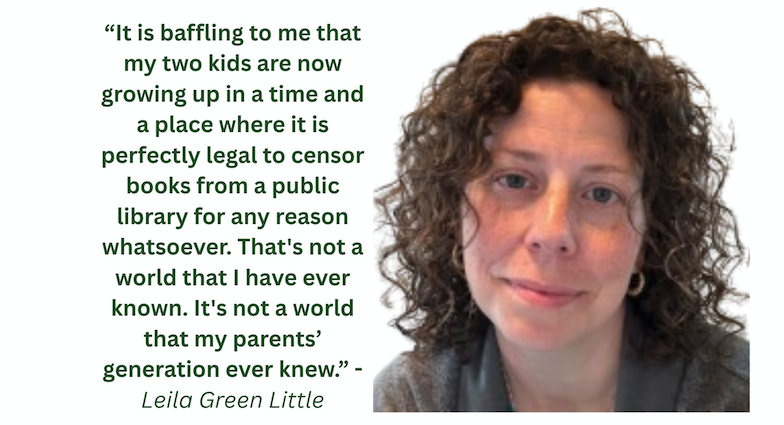
Words & Money talks with the lead plaintiff in Little v. Llano County about her four year fight against censorship.
Supreme Court Declines to Hear Key Texas Book Banning Case
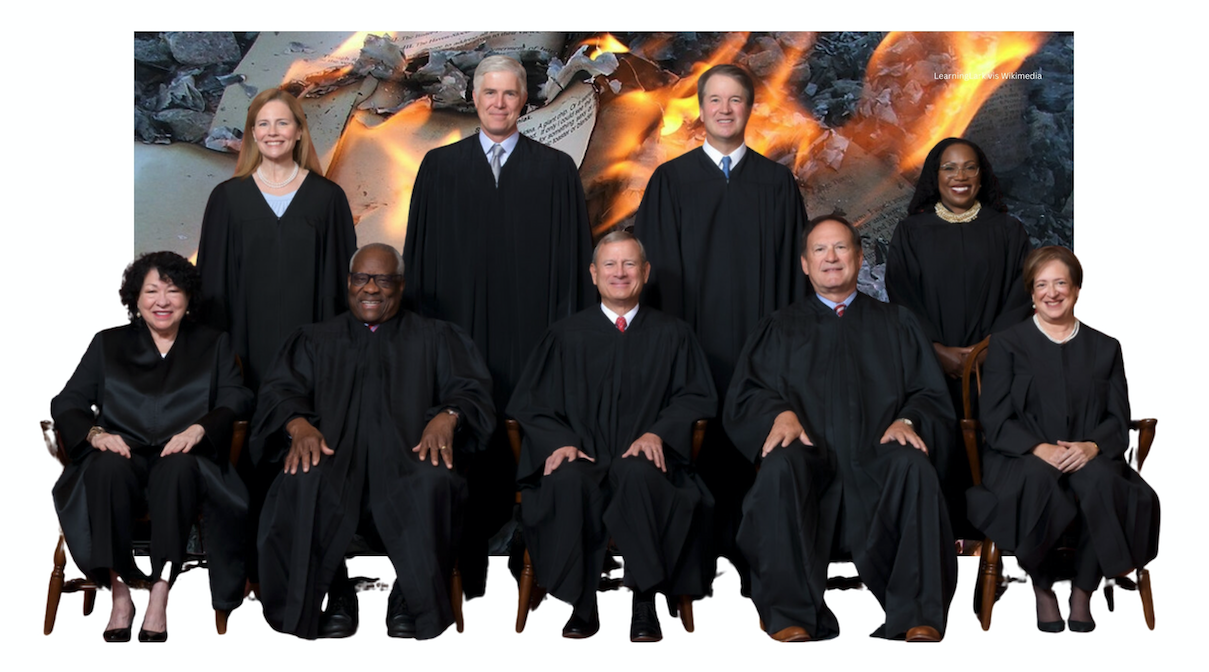
The denial in 'Little v. Llano County' lets stand a controversial Fifth Circuit decision empowering local leaders in three states to remove books from public libraries at will, even for unconstitutional viewpoint discretion.
The Queue: Library News for the Week Ending December 12, 2025
The High Five Heard Round the Library World
They say a picture is worth a thousand words, and the picture in this Llano News/Hill Country News article certainly tells a story.
 Megan Russell-Davis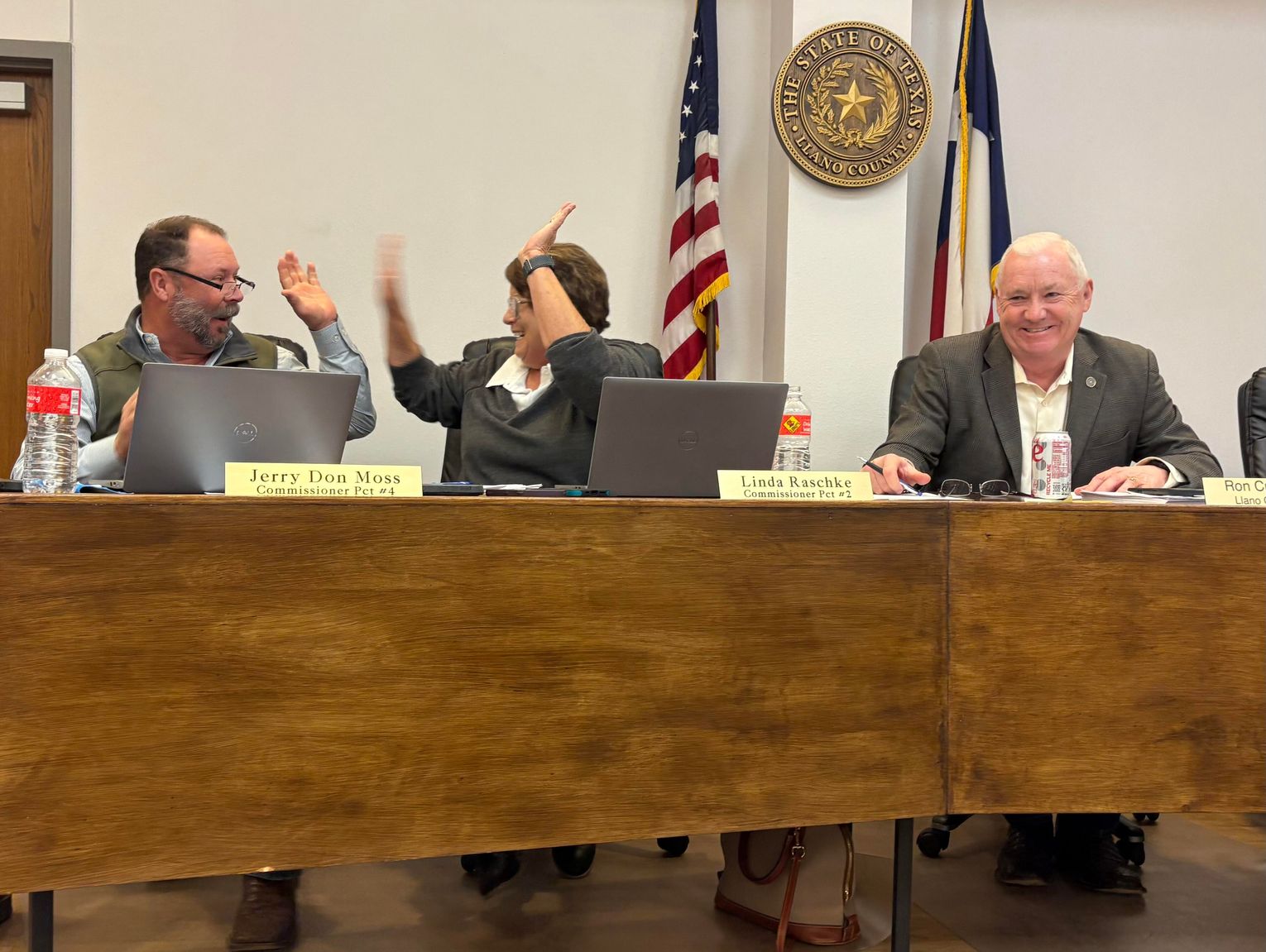
As the local paper in Llano, Texas, Hill Country News captured the moment that the Llano County commissioners, defendants in the closely watched book banning case, Little v. Llano County, learned that the Supreme Court would not be reviewing their case, letting stand a highly controversial appeals court ruling that paves the way for local leaders to effectively censor books from library shelves at will. The commissioners' reaction: big smiles and high fives.
It's an incredibly tone deaf display considering the profound damage the county's actions have caused. "The legal, cultural, and political dispute has cost Llano County residents nearly $270,000 in legal fees, frayed community ties, and hurt their public libraries, which have not purchased new books in three years," the Austin American-Statesman reported back in January. In March, the county was forced to spend $225,000 to settle a wrongful termination suit over the firing of librarian Suzette Baker, who was dismissed after standing up to the county's censorship efforts.
 Bayliss Wagner
Of all the commentary and national headlines the Supreme Court's denial of the Llano County case has generated this week, this picture may be the most potent reminder of what freedom to read advocates are up against. The issues at the heart of the litigation will almost certainly make it to the Supreme Court via several other cases in other states. But the ongoing issues in Llano County suggest that its leaders have failed their community, something several commenters on the Llano News's posting of the high five photo on Facebook were quick to note.
"I also like to high five & celebrate when I violate the public trust, deny rights to others based on my personal beliefs, and ignore constituency I don't agree with," one commenter noted. "Employees of the government celebrating the government’s removal of our constitutional rights. How Orwellian," posted another.
For Anti-Censorship Efforts, Publishers Weekly Names PRH CEO Nihar Malaviya Its 'Person of the Year'
 Jim Milliot |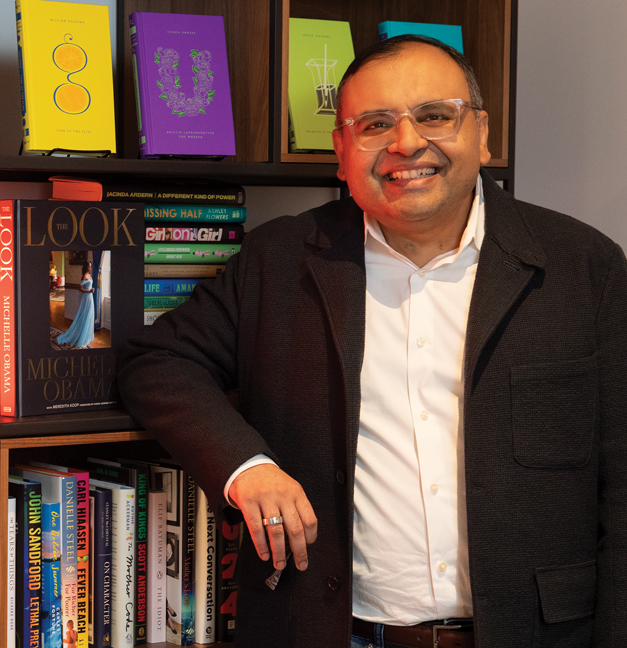
Citing the company's commitment to defending the Freedom to Read, Publishers Weekly this week named Penguin Random House CEO Nihar Malaviya its Person of the Year for 2025. "PRH has indeed been active on the legal front, beginning in 2023 when it joined the lawsuit against the Escambia County, Fla., school district aimed at quashing a policy that would have allowed the school board to remove any book it deemed objectionable from library shelves. PRH filed subsequent lawsuits in Florida, Idaho, and Iowa, in addition to filing amicus briefs in seven other cases," writes Jim Milliot.
Hachette Giving $200K to Support Classroom Libraries
 Raising Readers
To commemorate their parent company's 200th anniversary, Hachette CEO David Shelley this week announced a $200,000 investment in its Raising Readers campaign to support classroom libraries in underfunded schools. "Milestones like this are often celebrated internally, but given the urgency of the reading crisis, I believe the most meaningful way to mark the bicentenary is to invest more deeply in Raising Readers,” Shelley said, in a release. Raising Readers "strives to raise awareness of the decline in the number of children reading for fun," and to help make "reading for enjoyment part of children’s daily lives."
Authors, Advocates Urge New York Governor to Sign Freedom to Read Bill into Law
 Julia Goldberg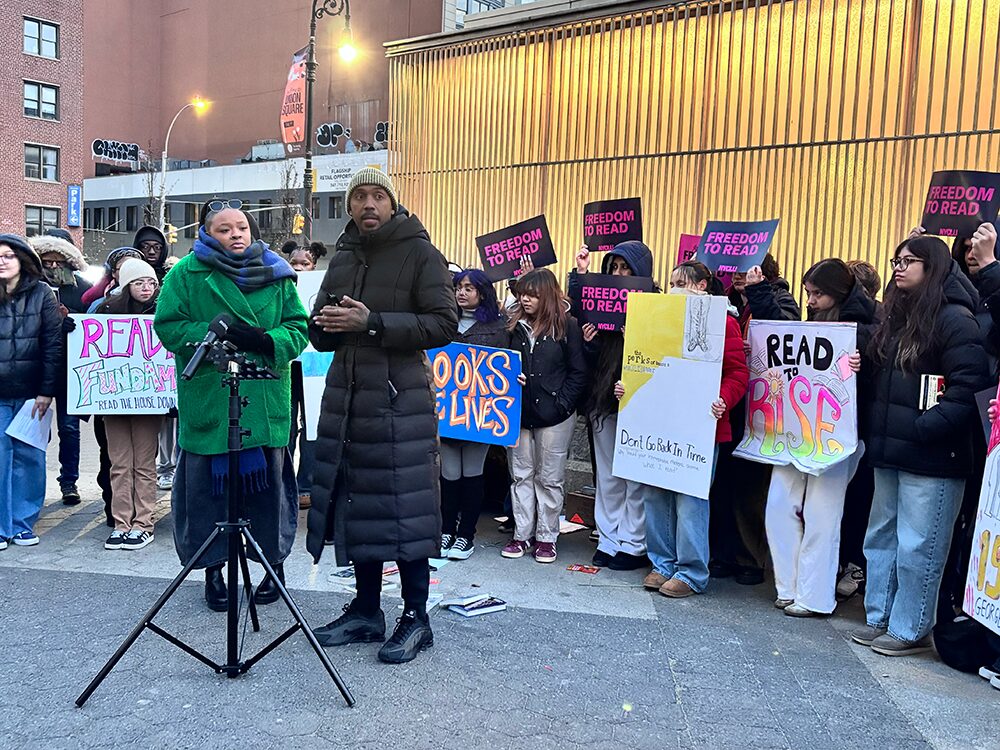
As the year comes to a close, there are more than 100 bills left to be acted on by New York Governor Kathy Hochul, including the state's recently passed school library "Freedom to Read" bill (S1099). And this week, PEN America hosted a rally with authors and advocates urging Hochul to act. "Although other states have faced more book bans in recent years, New York isn’t free from censorship," PEN America noted in a release. The bill was passed in June, but wasn't sent to Hochul’s desk until December 8, which officially starts a 10-day period (excluding Sundays) for Hochul to sign or veto the bill.
'Book Riot' Explores Comics Censorship
 Kelly Jensen
Over at Book Riot, Kelly Jensen leads off her weekly censorship news column (this week's roundup is a double issue) with the announcement of a three-week look at "the past, present, and future" of comics censorship. "All three of these posts feature the voices of scholars whose work has included exploring comics and book bans, and they’ll offer insight into why it is this literary format has constantly drawn criticism and condemnation in America."
Check Out the New Issue of The Political Librarian Journal

The EveryLibrary Institute this week announced the latest issue of the journal The Political Librarian, and it is well worth a read, jam-packed with a strong lineup of articles from some great librarians, with a focus on DEI.
School Libraries Are Essential...and Under Threat
 Daniel A. Sabol
Over at Education Week, librarian Daniel A. Sabol, author of A Guide for Librarians on the Science of Reading, writes eloquently about the importance of school libraries. "The number of full-time certified librarians dropped by nearly 20 percent between 2010 and 2019, according to an analysis of National Center for Education Statistics data," the article states. "At the same time, the literacy crisis deepened. The irony is painful: Schools are desperate to boost reading scores and digital fluency, while dismantling the one environment designed to cultivate both."
After a Recount, a New York Library's Modest Budget Proposal Did Pass After All
 Tyler A. McNeil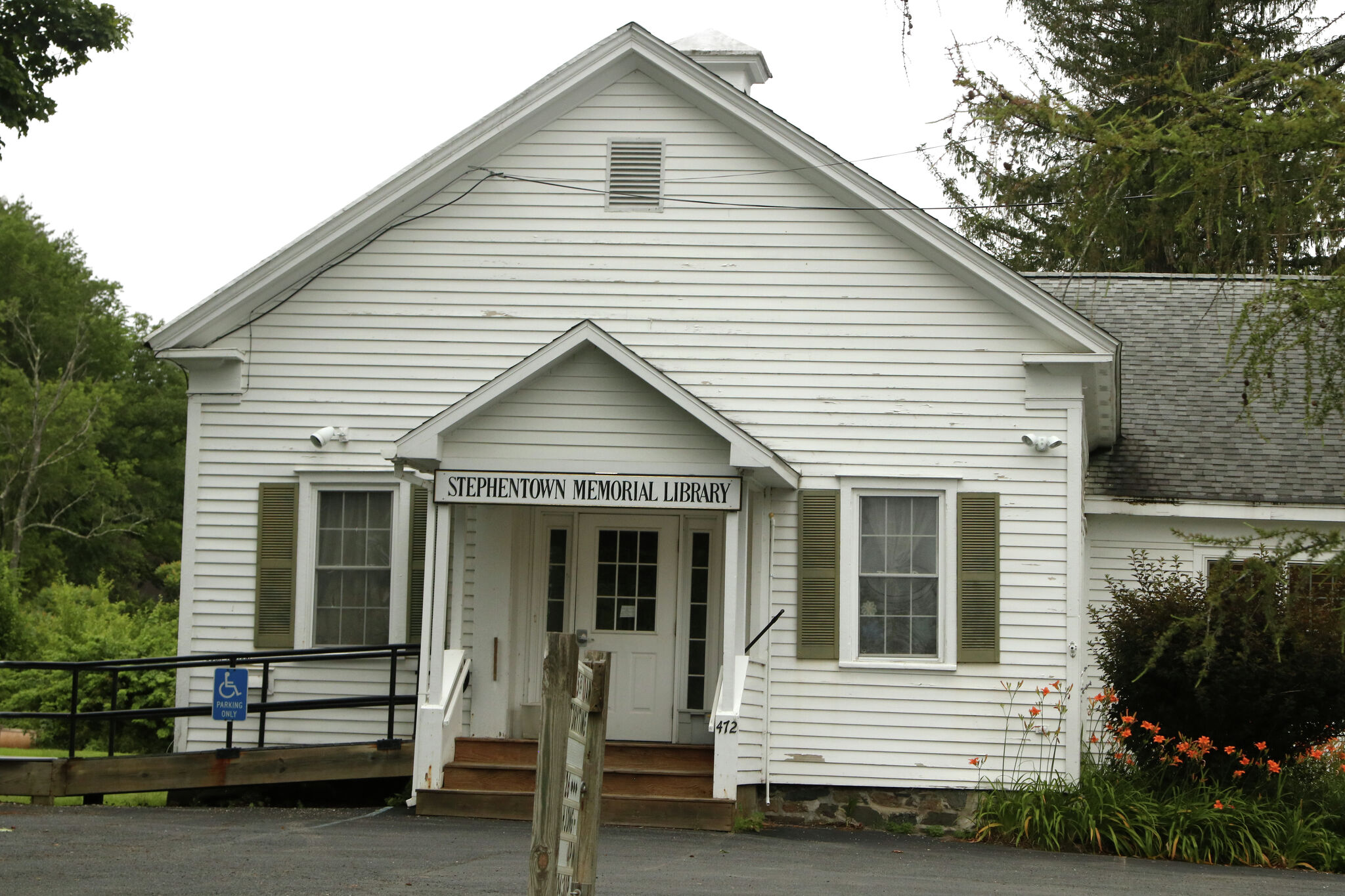
Via the Times Union, a remarkable update to a story we shared after election day this past November: local officials in Stephentown, New York were right—their library funding proposal increase wasn’t handily rejected by voters after all. “Unofficial results after Election Day a month ago showed that Stephentown Memorial Library’s budget proposal was shot down by 89% of voters, or 528-60. Certified election results submitted by the Rensselaer County Board of Elections following a recount show that the library’s proposal—to increase municipal tax contributions from $95,000 to $110,000— actually passed easily by a vote of 540 to 279,” the report notes. “The initial results had been met with disbelief among library stakeholders.”
Montana Libraries Worry That Relaxed State Standards for Libraries Will Lead to Budget Cuts
 Zeke Lloyd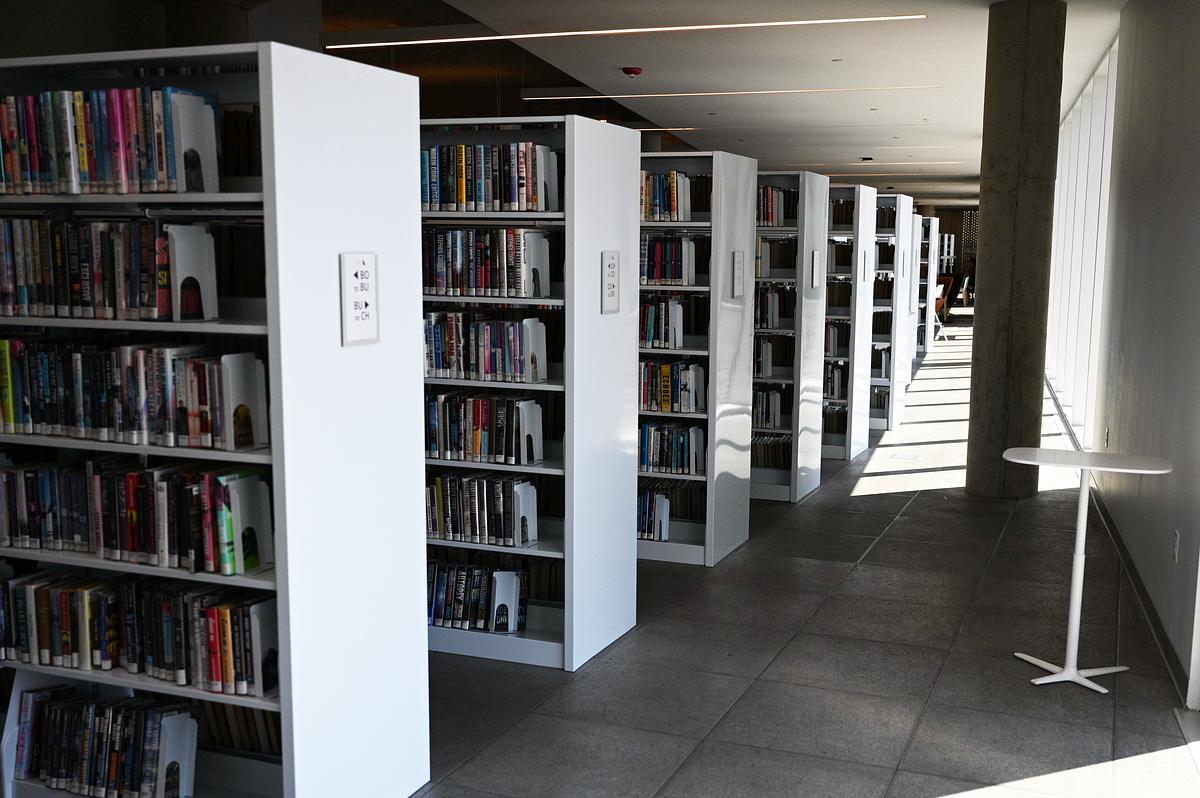
Solid reporting from The Montana Free Press about the potential impact of the Montana State Library Commission's decision to reduce the minimum number of required hours a library must be open to receive state aid.
"On Wednesday, the commission reduced the number of hours a library must be open each week by 30%," the report notes. "But dozens of the state’s 82 public libraries and 30 public library branches signed on to public comments opposing the measure by the end of a public comment period in November, with one librarian explaining that "fewer open hours would mean less demand for staff. And that means our employees will look for employment somewhere else." Meanwhile, the piece includes other datapoints that should raise concern: "Montana libraries recorded 3.2 million visits in 2024, down 32% from 4.7 million in 2014. The number of Montanans with a library card has also declined, from 48% in 2014 to 35% last year."
More on the Baker & Taylor Fallout
 Bella Biondini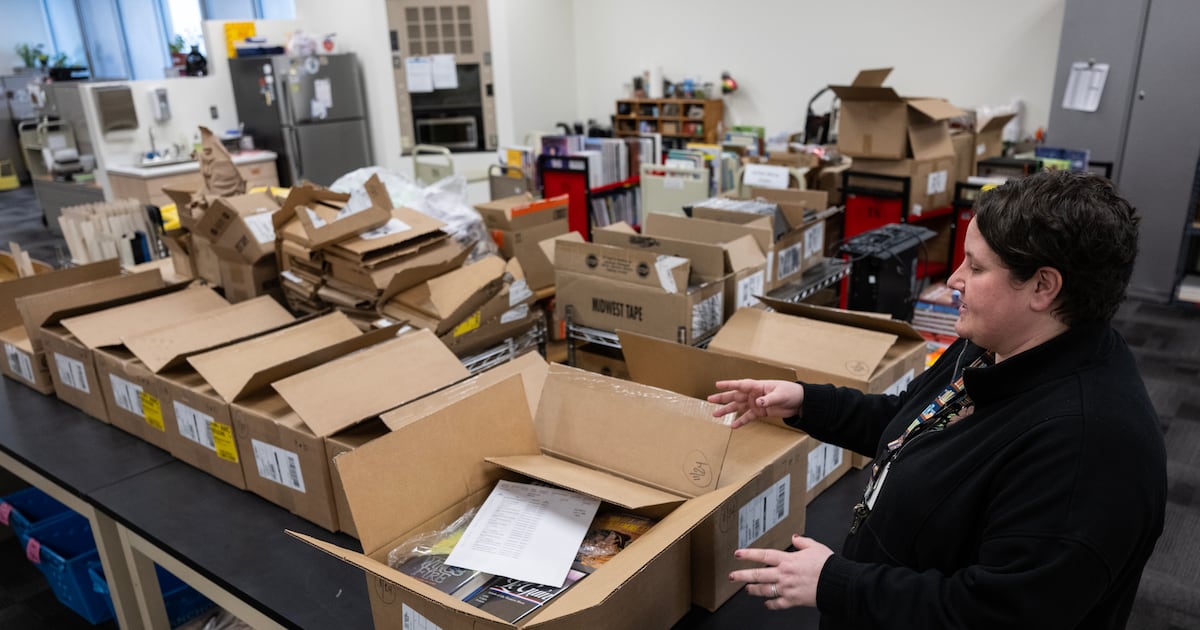
More reports this week on the fallout from Baker & Taylor's collapse, but the general theme remains the same: libraries are dealing, but their patrons are being pretty heavily inconvenienced. "Over the past few months, the choices in the 'New Books' section have become sparser than usual," Anchorage Public Library spokesperson Misty Rose Nesvick told the Anchorage Daily News, noting that many orders were lost following the distributor's collapse, and that processing orders from new vendors has also been time consuming.
 By: Jacqueline Aguilar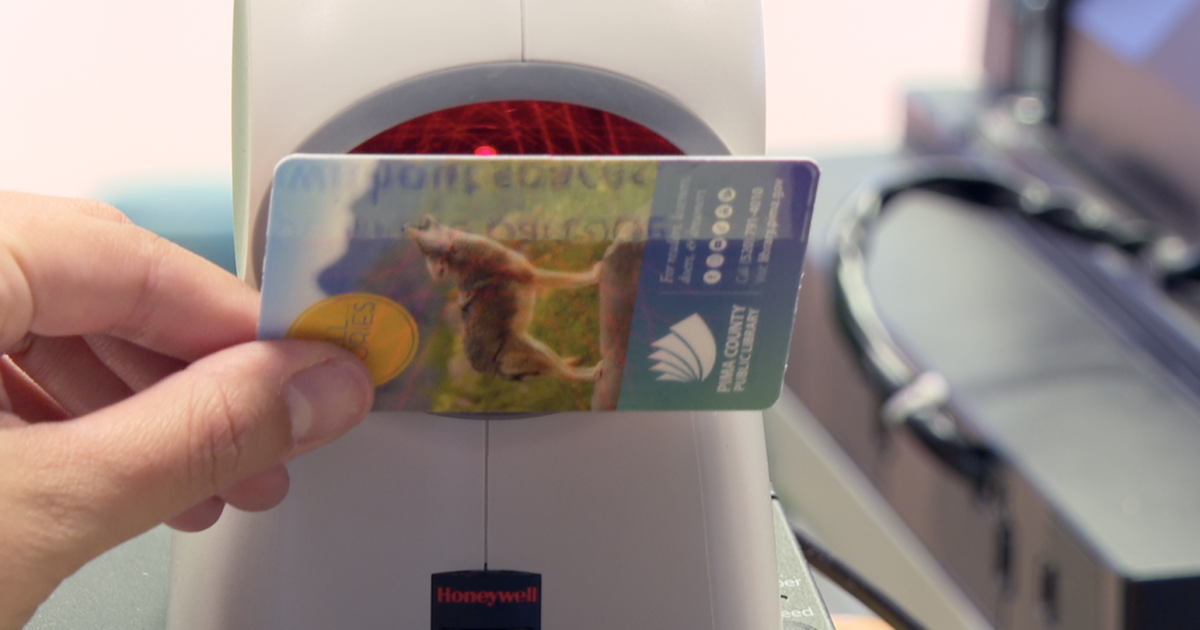
Meanwhile, a report from local affiliate KGUN in Pima, Arizona reports similar disruptions. "The shutdown has forced library workers to take on tasks previously handled by the distributor, including cataloging, adding barcodes and labels to new books. Baker & Taylor had been the go-to supplier in the public library industry, delivering books shelf-ready to libraries across the country."
Baltimore County Library CEO Departs After Layoff Debacle
 Rona Kobell,Sapna Bansil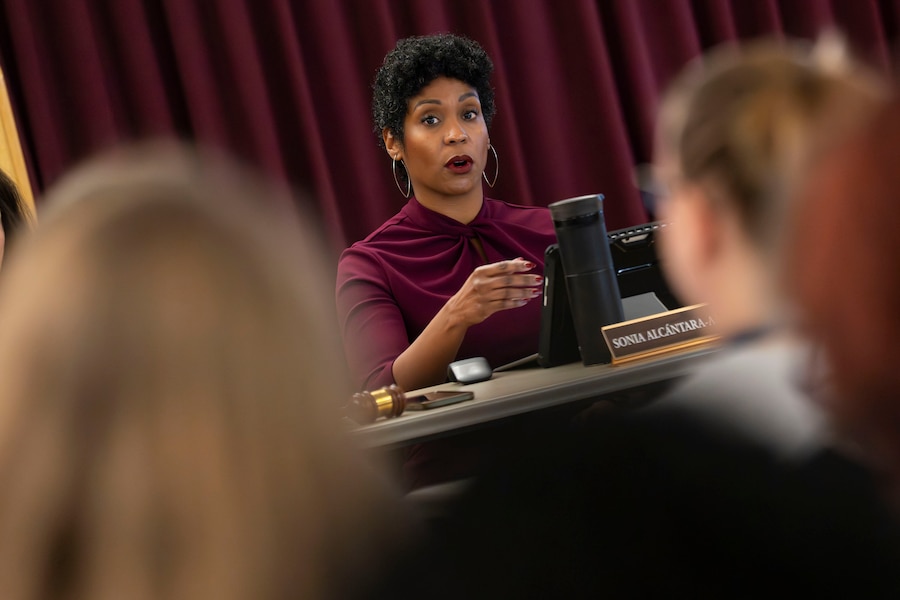
The Baltimore Banner reports that former PLA president Sonia Alcántara-Antoine has left the Baltimore County Public Library, amid fallout over the botched elimination of 14 part time positions this past fall. The first Black woman to helm the library, Alcántara-Antoine was "a high-profile hire" when she came aboard, the report notes, garnering several accolades during her tenure, and establishing a marquee speaker series. "But her support nosedived last month after she abruptly laid off 14 part-time librarians shortly before Thanksgiving, only to rehire them two days later amid a public backlash."
AI's Fake Citations Are a Real Problem for Librarians
 Dan Vergano
Scientific American this week published a short item on a growing problem: how AI slop is sending people to the libraries looking for nonexistent resources and fake citations. The report cites a recent post by the International Committee of Red Cross warning researchers of AI-generated hallucinations. "AI models not only point some users to false sources but also cause problems for researchers and librarians, who end up wasting their time looking for requested nonexistent records, says Library of Virginia chief of researcher engagement Sarah Falls," Scientific American reports. "Her library estimates that 15% of emailed reference questions it receives are now ChatGPT-generated, and some include hallucinated citations for both published works and unique primary source documents."
December 10 Was Dewey Decimal Day
 Mary Apel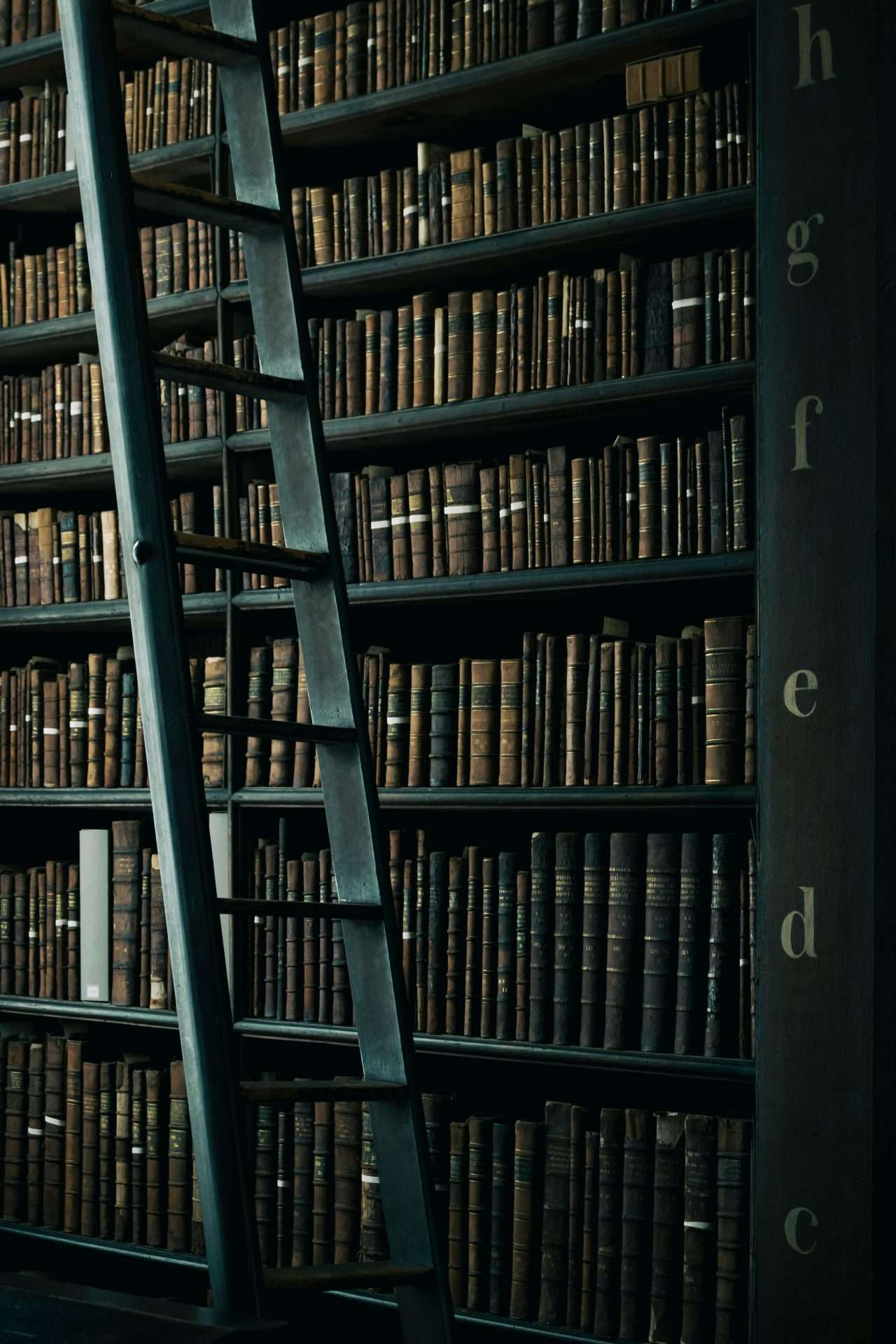
Melvil Dewey's legacy hasn't aged well, but the organizational system he pioneered perseveres, and this week Darkhorse Press published a nice little note of appreciation for the Dewey Decimal System in honor of Dewey Decimal Day. "In a time when information can feel like a tidal wave—click here, search there, scroll endlessly—the Dewey Decimal System brings a tiny bit of order to the chaos for those who still love the feel of a book in their hands," the post notes. "It’s old, but not outdated. A relic, maybe, but a relic that still makes the world just a little bit more orderly."
Audiobooks, Romantasy, Suzanne Collins, Freida McFadden Were Most Popular on Hoopla in 2025
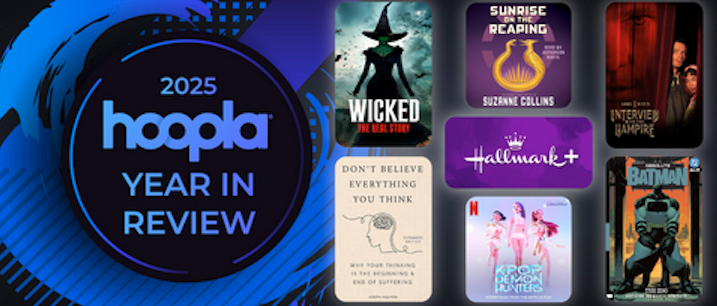
Digital library Hoopla Digital this week released its most borrowed titles from 2025 this week, with Freida McFadden, Sarah J. Maas, Rebecca Yarros, J.K. Rowling, and Suzanne Collins topping the list of popular authors. “Patrons stayed loyal to household names and series like The Hunger Games as well as audiobooks and kids’ titles while exploring fresh content, trends and authors, especially new and independent authors," said Jeff Jankowski, founder of Hoopla Digital, in a release. “Audiobooks remained patrons’ favorite type of content on Hoopla, increasing 18% year-over-year in borrows in 2025,” added SVP of Content Strategy Brad Rose.
And Finally This Week...
 David Adams |
Spring is almost here! Yeah, OK, it's not even officially winter yet. But it's not too early to look forward to the great books on tap for upcoming spring publishing season. And this week our friends at Publishers Weekly published their adult spring preview. As usual, the preview features books across 13 categories with both a top 10 list chosen by PW review editors and a longlist. There’s also a searchable database of all the submitted titles. And there's more to come. PW's religion and spirituality preview is set to drop on January 12; the comics and graphic novels preview on January 26; and the children’s preview on February 2.