The Words & Money Weekly Newsletter: January 23, 2026

Thank you for supporting Words & Money and helping to establish an independent media venture that aims to properly center libraries in the 21st century reading, writing, and publishing enterprises. If you're already a subscriber, thank you, and we encourage you to please share this newsletter with your friends and colleagues and ask them to subscribe as well. And if you can, consider supporting us with a premium subscription for just $45 annually.
This week, a closely watched appeal in a Colorado book banning case is abandoned on the eve of oral arguments. And among the headlines in our weekly news roundup, The Queue, the IMLS-funded 'Freedom Trucks' hit the road; ALA realigns its Office for Intellectual Freedom; PEN America calls out two new book banning bills in Florida; and 'Book Riot' looks at how librarians are coping with the growing pressures of the job.
On Eve of Hearing, Appeal in Key Colorado Book Ban Case is Suddenly Abandoned
While the abandoned appeal stands as a win for freedom to read advocates, the question remains: why?
The Queue: Library News for the Week Ending January 23, 2026
IMLS 'Freedom Trucks' Hit the Road
Even as the Trump administration is arguing in federal court that it has the legal right to dismantle to the Institute of Museum and Library Services, and recommending that Congress defund and wind down the agency, one of the administration's key IMLS-funded initiatives hit the road this week: yes, here come the Freedom Trucks.
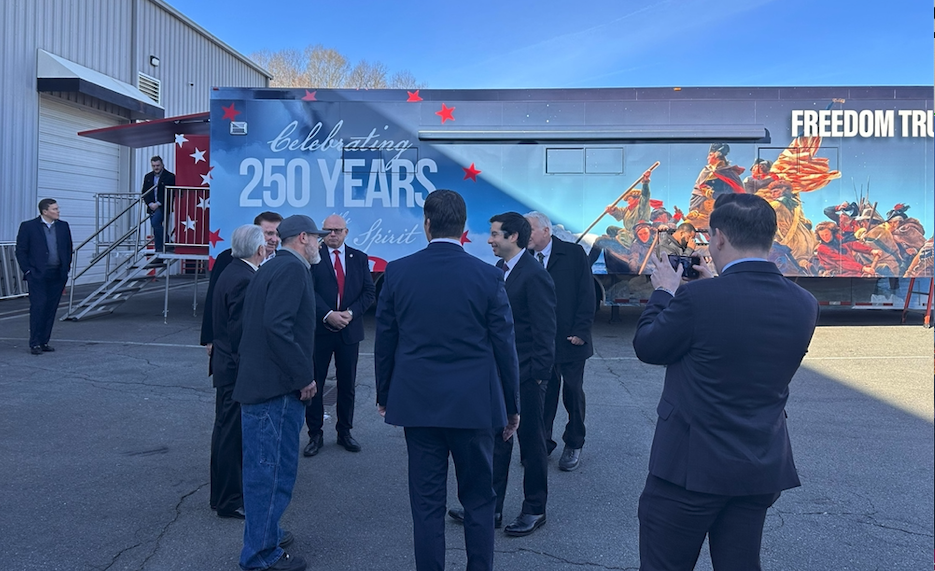
"On January 21st, 2026, the Freedom 250 Freedom Truck made its first stop in North Carolina. Inspired by the Freedom Train of our nation’s 1976 bicentennial, the Freedom Trucks are the largest ever traveling exhibits teaching about America’s founding," an IMLS release notes. “By connecting our nation’s past to the future of the American workforce, this initiative helps inspire the next generation to understand the values of opportunity, innovation, and service that make this country exceptional," Department of Labor Deputy Secretary Keith Sonderling, the acting IMLS executive director, said in a statement.
According to an IMLS report, over the next year, six 18-wheelers will deliver "uplifting displays about our nation’s founding to areas of the country which are all too often forgotten and ignored, helping to restore and renew Americans' connection and pride in our great nation."
Under the Trump administration, the IMLS has shifted millions of IMLS dollars to America250 and the the Freedom Trucks initiative.
On a social media post on the IMLS Facebook page, commenters this week slammed the program. "Your IMLS dollars were taken to create these monstrosities," one commenter noted. "What Orwellian monstrosity is this?" noted another.
ALA 'Aligns' Office for Intellectual Freedom and Public Policy and Advocacy Office, Promotes Sarah Lamdan to OIF Executive Director

The American Library Association announced that it has relocated its Office for Intellectual Freedom within the ALA Public Policy & Advocacy Office (PPA), under the direction of Lisa Varga, associate executive director of the PPA. "This alignment brings together a critical set of expertise to bolster the organization’s ability to respond to censorship, protect the freedom to read, and support libraries and library workers nationwide," ALA reps said, in a release.
In addition, ALA announced that Sarah Lamdan, the deputy director who stepped up after longtime OIF director Deborah Caldwell-Stone was laid off in October, has been promoted to OIF executive director.
“By aligning intellectual freedom, policy, and advocacy under the leadership of Lisa Varga and Sarah Lamdan, we are ensuring that our members have the strongest possible support to meet this moment,” said ALA Executive Director Dan Montgomery, in a statement. "Together, Varga and Lamdan provide complementary leadership—uniting legal expertise, policy strategy, and advocacy to advance ALA’s intellectual freedom mission nationwide."
PEN America Warns that Florida Is 'Doubling Down' on Book Banning with New Bills
 Sophia Brown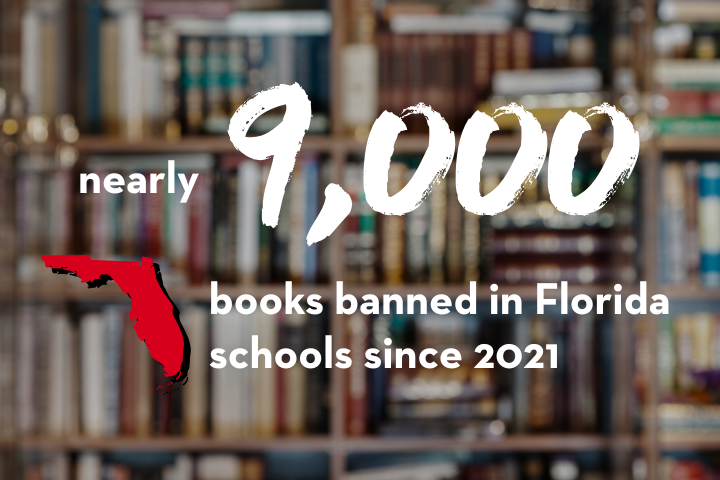
In a release this week, PEN America said Florida is looking to maintain its "unfortunate distinction" as the nation's number one book-banning state. "For the 2026 legislative session, state legislators have introduced bills that would drive the state’s book-banning crisis to unimaginable heights," PEN America reps warn. "This year, two major bills–H.B. 1119/S.B. 1692 and H.B. 1071/S.B. 1090–would further restrict students’ access to books in Florida."
H.B. 1119/S.B. 1692 "explicitly forbids school districts from considering a book’s literary, artistic, political, or scientific value when assessing whether to ban it," the PEN release notes, while H.B. 1071/S.B. 1090, "is an omnibus education bill that would give the Education Commissioner the power to ban a publisher from the state-adopted list of instructional materials if the commissioner simply decides–without any legal due process–that the publisher violated Florida law. The bill also includes "a broad ban on diversity, equity, and inclusion" that "could be weaponized to censor book fairs, library purchases, author visits, membership or training from library organizations, and any other book-related activities that politicians view as supporting DEI or activism."
New Iowa Bill Seeks to Expand Ban on 'Sexual Orientation and Gender Identity' in Schools
 Tom Barton
The Gazette reports that Iowa legislators have advanced a new bill, Senate File 2003, that would expand the state’s current ban on “instruction related to sexual orientation and gender identity,” which is currently limited to kindergarten through sixth grade. “Republican lawmakers and conservative advocates framed the bill as a parental-rights measure and said schools should remain focused on core academics,” the outlet reports. “Opponents—including parents, students, educators and faith leaders—warned the proposal would silence LGBTQ+ students and families, undermine student safety, and expose the state to further legal risk.”
The Fallout Continues in Alabama Over Book Bans and Library Funding
 John Sharp | jsharpal.com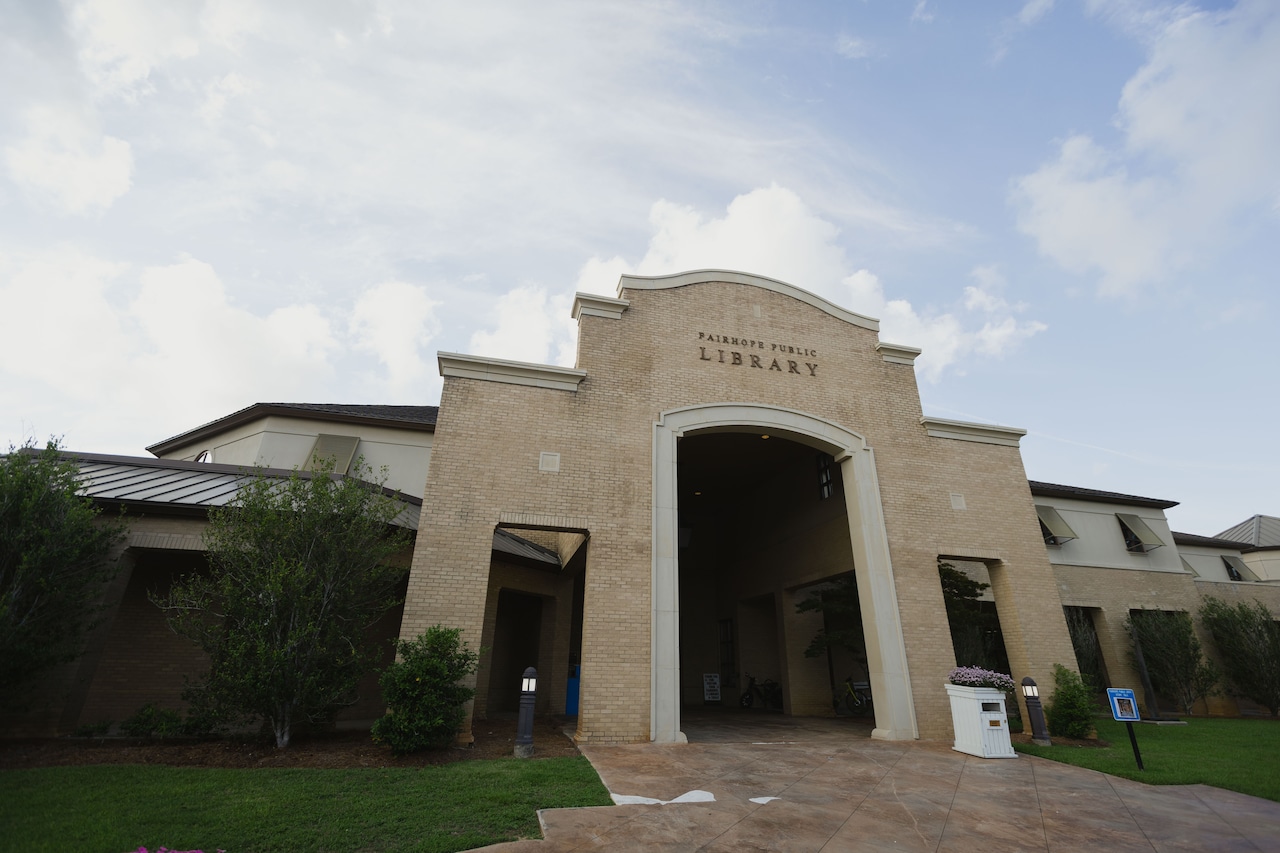
AL.com reports that Fairhope Mayor Sherry Sullivan is clashing with John Wahl, chairman of the Alabama public library board, after the APLS denied the Fairhope Public Library its state funding for the library over a book banning dispute. "The disagreement has left the two sides deeply divided over library funding that has been frozen by the state board for about 10 months," the report notes.
The Alabama Reflector has a good piece on the controversy, too. "It’s tempting to say libraries should just use common sense to examine challenged books," writes Catherine Dorrough. "How hard could it possibly be to determine whether a text is sexually explicit? But that’s the beauty of literature: Authors can deploy the poetry of metaphor, of insinuation, of stagecraft, to write about difficult subjects with exquisite delicacy. In Speak, a novel that has been challenged at the Fairhope Public Library, author Laurie Halse Anderson includes two scenes of sexual assault. Both scenes are terrifying, intensely physical, and not at all graphic. Would they count as sexually explicit? I would say no. Clearly, whoever challenged the book would argue otherwise."
Kentucky Bill Would Give Politicians More Control Over Library Boards
Via the Lexington Herald Ledger, a state senator has introduced a bill that would give local politicians more control over library board appointments. “Senate Bill 40 would allow county fiscal courts—if they want—to give their judge-executives the power to more quickly reject nominees recommended for the local library board and appoint whomever they choose,” the report notes. “The bill’s sponsor is state Sen. Gary Boswell, a Republican from Owensboro, where the local library has been ensnared in controversy in recent years…with advocacy groups loudly arguing over challenges to books in the library’s collection.”
Plan to Eliminate Some Public Library Branches in Dallas Is Reportedly on Hold
 Marissa Armas
CBS News reports that the Dallas City Council is pressing pause on a plan to close a handful of branches. "The new regional model would have extended hours and shifted staff to larger branches. Library officials said the proposed model would have saved the city an estimated $4.5 million." But council member Cara Mendelsohn said the plan was "poorly executed," and after "unanimous pushback from the council," the plan is now on hold. "The Council is expected to revisit the issue sometime in March," CBS reports.
The 'Generational' Impact of Book Bans
 Kelly Jensen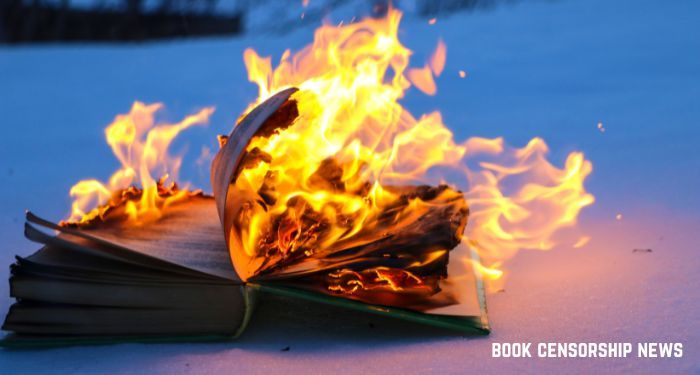
Over at Book Riot, Kelly Jensen leads off her weekly censorship news column with an interesting look at how this recent surge in book bans is impacting young readers. "The young people who will be entering college in the 2026-2027 school year were in eighth grade when book banning began its latest national increase. For young people in some states, including Florida, Texas, Utah, and others, this means that they’ve never had access to a wide swath of books on topics like racism, gender, puberty, or sexuality that their peers in other states have," she writes.
Amid Budget Cuts and Book Bans, Librarians Are Feeling the Pressure
 Kelly Jensen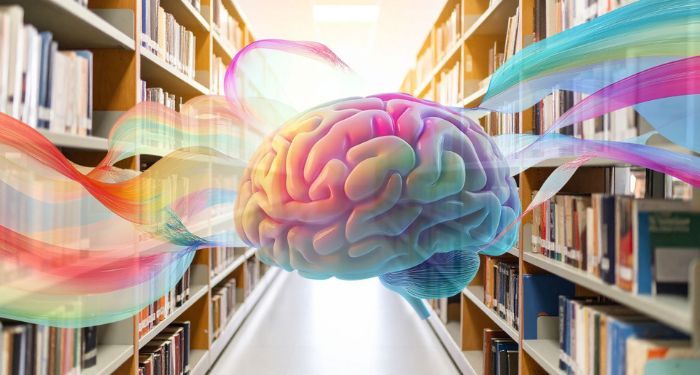
Also at Book Riot, Kelly Jensen has an important piece on the state of librarian mental health, based on a survey over more than 200 librarians. "It can’t go unacknowledged that library workers’ mental health is also tied to the unmet needs of the patrons they serve," she writes in one of her final takeaways. "Staff are being asked to be the social solution to massive systemic issues, including homelessness, drug use, falling wages, and trauma at the community level."
One conclusion that really caught my eye from the survey: the erosion of professional identity. "A chunk of responses mentioned that librarians have shifted from being information professionals to more generic 'community programming' librarians," Jensen writes. "There’s a feeling that librarians are no longer serving as an information authority, that there has been a decrease in academic and intellectual rigor requiring their skills, and a corresponding reduction in their role in information literacy. Instead, boards are far more interested in event metrics and numbers–things better measured by, say, how many people show up to a program."
University of South Carolina Professor Seeks to Help Librarians Cope with Workplace Stress


A release from the University of South Carolina's School of Information Science this week highlights the work of assistant professor Rachel Williams to help librarians cope with a rise in "troubling, and sometimes aggressive, incidents" at public libraries. "Librarians are not social workers, doctors, therapists or lawyers. They can’t always provide the support that patrons in crisis need,” said Williams. “So how do librarians best serve all patrons in a professional way during a crisis, while staying safe and setting healthy boundaries for themselves?”
Working with the school's clinical social work faculty, Williams has developed workshops for library and is pilot testing using VR headsets for "virtual reality simulations" for library staff, technology she reportedly plans to demonstrate at the Public Library Association conference in April.
And Finally This Week...
 Morristown Green Contributor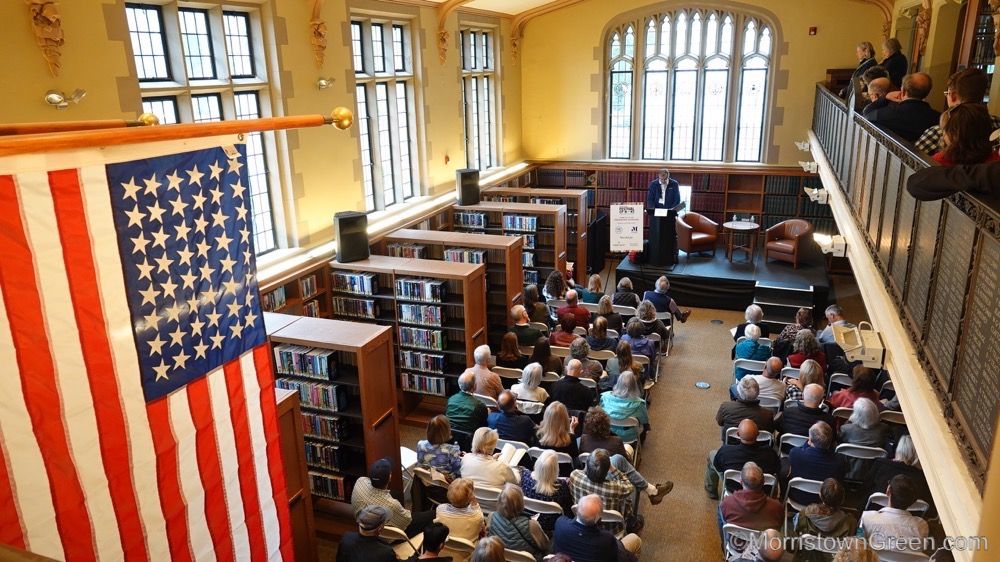
We like to close with good news when we can, and this story from Morristown Green caught our eye, about how, at a time when so many libraries are "struggling" and "being asked to do more with less" the Morristown and Morris Township Library in New Jersey is thriving.
"The metrics reveal total circulation jumping 44% in the past five years," writes Linda Stamato. "My favorite statistic is this one: The library signed up 10,000 new library cards since 2020. There are now 23,120 cardholders—and securing a card is often one of the first things new residents do."