The Words & Money Weekly Newsletter: May 15, 2026

Thank you for supporting Words & Money and helping to establish an independent media venture that aims to properly center libraries in the 21st century reading, writing, and publishing enterprises. If you're already a subscriber, thank you, and we encourage you to please share this newsletter with your friends and colleagues and ask them to subscribe as well. And if you can, consider supporting us with a premium subscription for just $45 annually.
Among the headlines in our weekly news roundup, The Queue: Congress quietly advances a bill to make the Register of Copyrights a presidential appointee; the Authors Alliance weighs in to support library ebook legislation; Baker & Taylor's collapse is still being felt; New York increases library funding; and a great Q&A with EveryLibrary's John Chrastka. In other news, the landmark Anthropic settlement cruises through its fairness hearing. And, the Authors Alliance's Dave Hansen weighs in on the Anthropic fairness hearing and what comes next in the AI litigation space.
Anthropic Settlement Appears to Cruise Through Its Final Fairness Hearing
What's at Stake—and What Isn't—as Bartz v. Anthropic Settlement Heads Toward Approval
The Queue: Library News for the Week Ending May 15, 2026
What's Next for the Librarian of Congress and the Register of Copyrights?
A year after the Trump Administration's shock firing of Librarian of Congress Carla Hayden and the attempted firing of Register of Copyrights Shira Perlmutter, Roll Call reports that Congress is quietly advancing a bill that would change the way the leaders are appointed.
 Nina Heller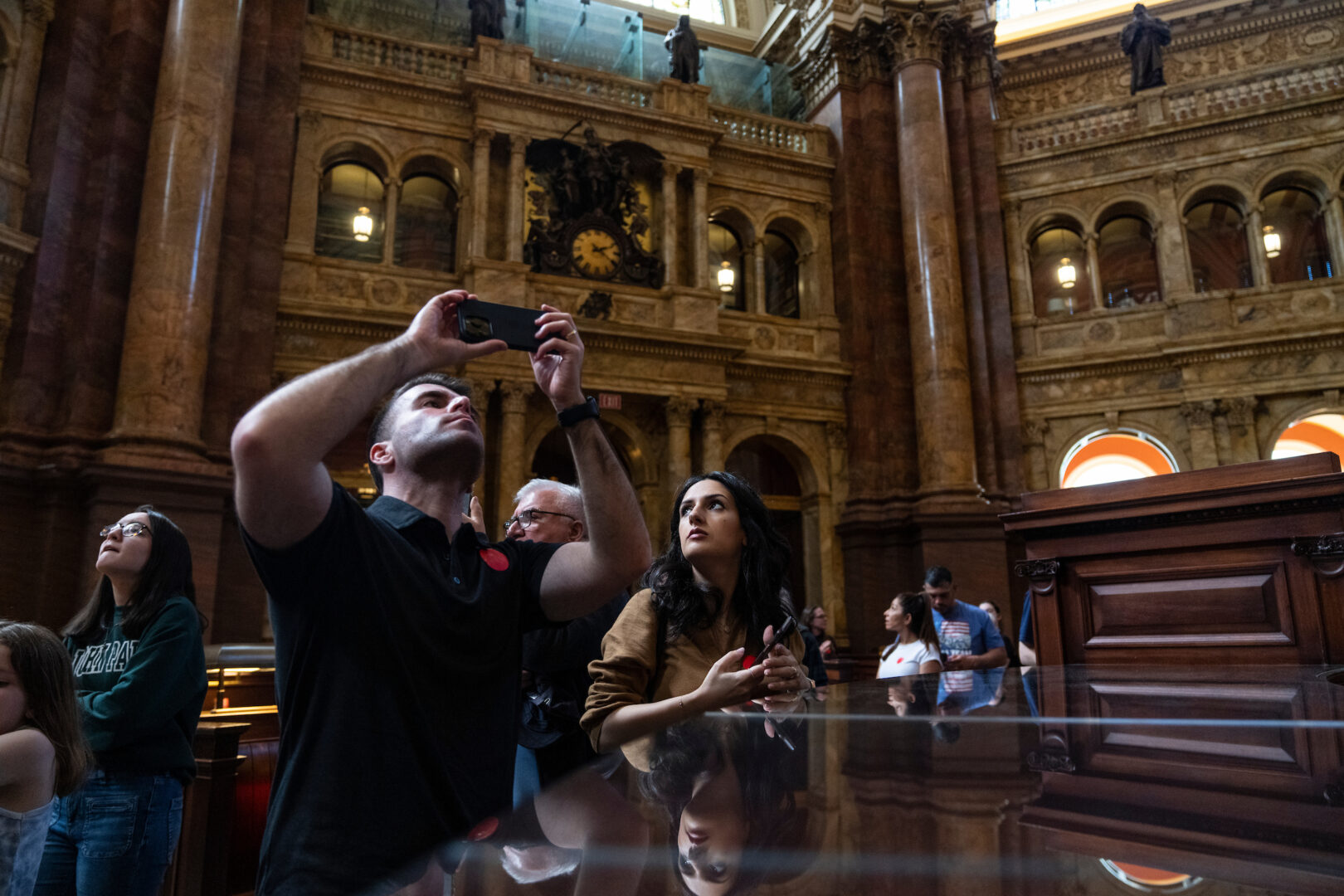
"One year after President Donald Trump fired the librarian of Congress, support is growing for a bill that would prevent it from happening again. The heads of both the Library of Congress and the Government Publishing Office should be appointed not by the president but by a congressional commission, lawmakers on the House Administration Committee agreed Thursday," Roll Call reports, adding that the panel easily advanced H.R.6028, the Legislative Branch Agencies Clarification Act, by an 11-0 margin.
Currently, the Librarian of Congress is appointed by the president, subject to Senate confirmation. But under H.R. 6028, both the Librarian and the Director of the GPO would be appointed by a bipartisan congressional commission, and subject to removal only by the House of Representatives and the Senate. That move makes some sense. After all, as lawmakers note, the Library of Congress is part of the legislative branch, despite the Trump Administration's legal arguments to the contrary.
But the bigger news is that the proposal would also remove the U.S. Copyright Office from the purview of the Library of Congress, and hand the power to appoint the Register of Copyrights, which currently rests with the Librarian of Congress, to the President.
While the Roll Call article rather soft-pedals the Copyright Office move, it's a potentially huge deal, and could reignite a controversy that kicked up a decade ago, after Carla Hayden removed then-Register of Copyrights Maria Pallante (who is now president and CEO of the Association of American Publishers). Amid concern over Pallante's removal in 2017, the House rushed through the Register of Copyrights Selection and Accountability Act, H.R. 1695, which would have transferred the power to appoint the Register of Copyrights to the President. The headline-grabbing bill was eventually blocked in the Senate.
The library community was among those that strongly opposed to the move, while the publishing community supported the measure. During her tenure as Register of Copyrights, Pallante strongly recommended the Copyright Office be made an independent agency with the Register appointed by the president.
This is a story to watch. Politicizing the Copyright Office has never seemed like a good idea, but with the advent of AI, the Trump administration's close ties to the tech industry, and the administration's attempted firing of Perlmutter just days after she released a Copyright Office report that questioned the AI industry's unauthorized use of copyrighted works, this seems like an especially bad idea now.
Library of Congress Seeks Funding for 'Secure' AI Platform
 Matt Bracken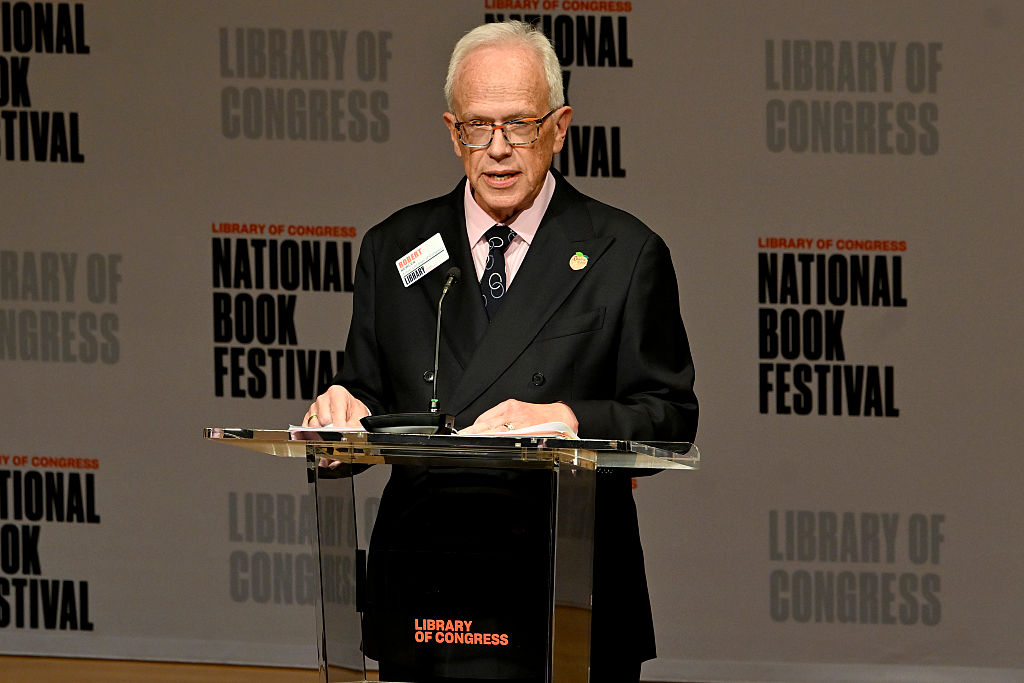
FedScoop reports that the Library of Congress is asking lawmakers to fund a "centralized AI platform" that acting Librarian of Congress Robert Newlen says would "help the LOC both adjust to staff reductions and improve work processes." According to the article, Newlen told a Senate panel that the library has “made significant strides in harnessing AI,” but "have hit a roadblock because we don’t have a secure platform."
Authors Alliance, Ebook Study Group Join Forces to Support Library Ebook Legislation
In a release this week, the Authors Alliance this week announced that it was joining with the Ebook Study Group to support Illinois's library ebook legislation, and library ebook legislation more broadly. "The publishers’ recent claim that this bill does not help readers or libraries turns the issue upside down," the release reads. "Big publishers and big-name authors shouldn't profit at the expense of smaller competitors just because their market power allows them to force unfair terms on libraries."
Ebook Friday Returns to ALA 2026
 Michael Blackwell
Over at ReadersFirst, Michael Blackwell shares the agenda for this year's Ebook Friday, set for June 26th at the ALA Annual Conference in Chicago. It's a strong program and comes at a critical moment in the digital library market.
Some Libraries Are Still Feeling the Fallout from the Collapse of Baker & Taylor
 Sam Delgado
The 51st has an article on how the collapse of Baker & Taylor has left library patrons at the D.C. Public Library in Washington D.C. waiting for their books. “Navy Yard resident Scott Kirkwood is used to juggling a dozen library holds at any given time and, as of a year and a half ago, checking out four to five books a month. But in the last six months, Kirkwood said he’s picked up just one single book from his D.C. Public Library branch,” the article states, adding that two weeks ago, DCPL “sent out a notice to its customers about book delivery delays, citing the closure of one of their biggest distributors, Baker & Taylor.” Lunden Gillespie, DCPL’s Director of Collections told reporters that the library is “seeing progress” in receiving more physical copies from its new vendor, Ingram, and said a "return to normal" remains an "utmost priority.”
In New York, Mayor Zohran Mamdani Restores Library Funding, Doubles Down on Support
 Elizabeth Kim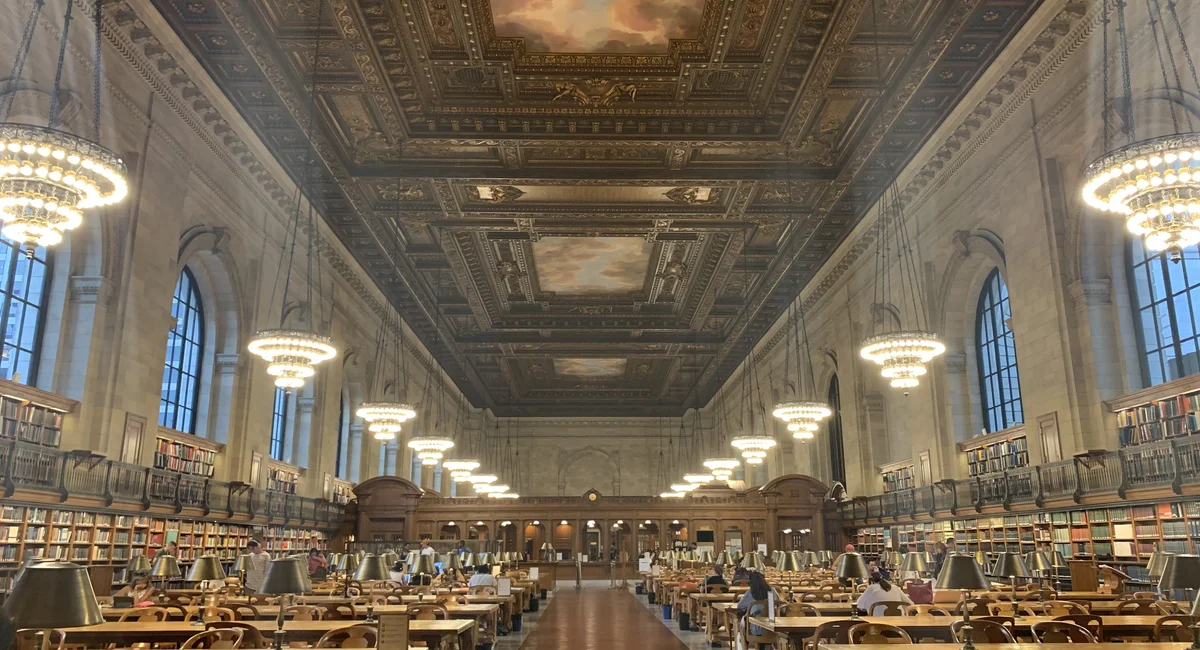
As legislative sessions enter a crucial period in many locales, there are lots of library funding stories hitting, including this week with New York City, where Gothamist reports that Mayor Zohran Mamdani (who campaigned on supporting the city's public libraries only to threaten a budget cut earlier this year), has restored the library's funding, and added a permanent bump. "Under the executive budget unveiled on Tuesday, Mamdani will add an additional $31.7 million in funding to the three library systems—Queens, Brooklyn, and New York—as requested by the City Council. Library funding accounts for less than $500 million, or less than .5%, of the city’s overall $124.5 billion budget," the report notes. "The mayor’s initial proposal in February to slash library funding amid a $5.4 billion budget deficit surprised many of his supporters."
In Iowa, a Property Tax Bill Has Some Residents Fearing Cuts to Libraries
With a movement against property taxes advancing in several states, local affiliate WHO13 reports that residents are worried that a proposed property tax bill in Iowa could lead to library funding cuts. "Cities across the Des Moines metro area and throughout Iowa are beginning to evaluate how a newly passed property tax bill could affect local budgets and public services. State lawmakers approved the legislation at the end of the session as part of a $4 billion property tax cut plan," the report states. "In Des Moines, residents are voicing concerns that libraries could face possible reductions in staffing, hours and resources." Governor Kim Reynolds has yet to sign the bill, the report adds.
North Carolina Libraries Brace for Potential Budget Cuts
Axios reports that all three of the North Carolina "Research Triangle" county managers have proposed changes to library budgets. "In Wake County, a budget proposal would shift about $2 million—4.8% of the library system's budget—to another department," the report notes, adding that "Wake County librarians rallied outside a Board of Commissioners meeting Monday night, saying the growing population is already straining the library system." Durham County, meanwhile, has proposed a 3.6% cut from last year's budget, despite library locations counting "nearly 700,000 visits a year." Orange County is considering a plan to phase out "annual payments to the Chapel Hill Public Library over the next two years, eventually saving over $600,000 a year."
Despite Tight Economics, Two New Rural Libraries Open in New Mexico.
The Santa Fe New Mexican reports that two new rural libraries have opened in the state, despite tight funding. "While rural library advocates for years have pressured lawmakers for additional funding—often receiving just a fraction of their ask—a couple of rural libraries have recently opened or expanded in communities on the outskirts of Santa Fe, one in Pecos and another in La Cienega," the report states. "It’s proof positive that people want libraries in their small towns, said Shel Neymark, executive director of the nonprofit New Mexico Rural Library Initiative, which advocates on behalf of some 60 rural libraries across the state."
On the Importance of Libraries
 Scott Baldauf and Melanie Stetson Freeman
The Christian Science Monitor this week published a solid essay that defended the vital role of public libraries. "America’s network of libraries is vast, with 9,000 systems serving 155 million registered users. But that network is also under threat. While some communities are investing in modern new libraries, others are letting their branches crumble. Funding cutbacks for affordable housing or mental health services have led many low-income or unhoused people to use libraries as places of shelter. And widening polarization over social issues has sparked debates within some communities about whether some books should be banned as offensive," the article states. "Despite the challenges, libraries play a civic role that many see as more vital than ever."
In One Idaho County, Voters Look to Blunt a New State Law By Establishing a New Library District
The Idaho Mountain Express reports on an upcoming vote in south Blaine County, Idaho, that would create a new library taxing district that could ensure "financial sustainability for the Hailey and Bellevue public libraries," as well as offer a measure of independence. "The latest Idaho law, House Bill 715, which will go into effect on July 1, gives city councils the ultimate authority over the hiring and firing of library directors, whereas that authority had previously been under the purview of library boards, whose members are approved by city councils," the article explains. "Independent library districts, such as the one being proposed for southern Blaine County, are not subject to the new law."
Fresno County Officials Block Library From Participating in Pride Month
 Pablo Orihuela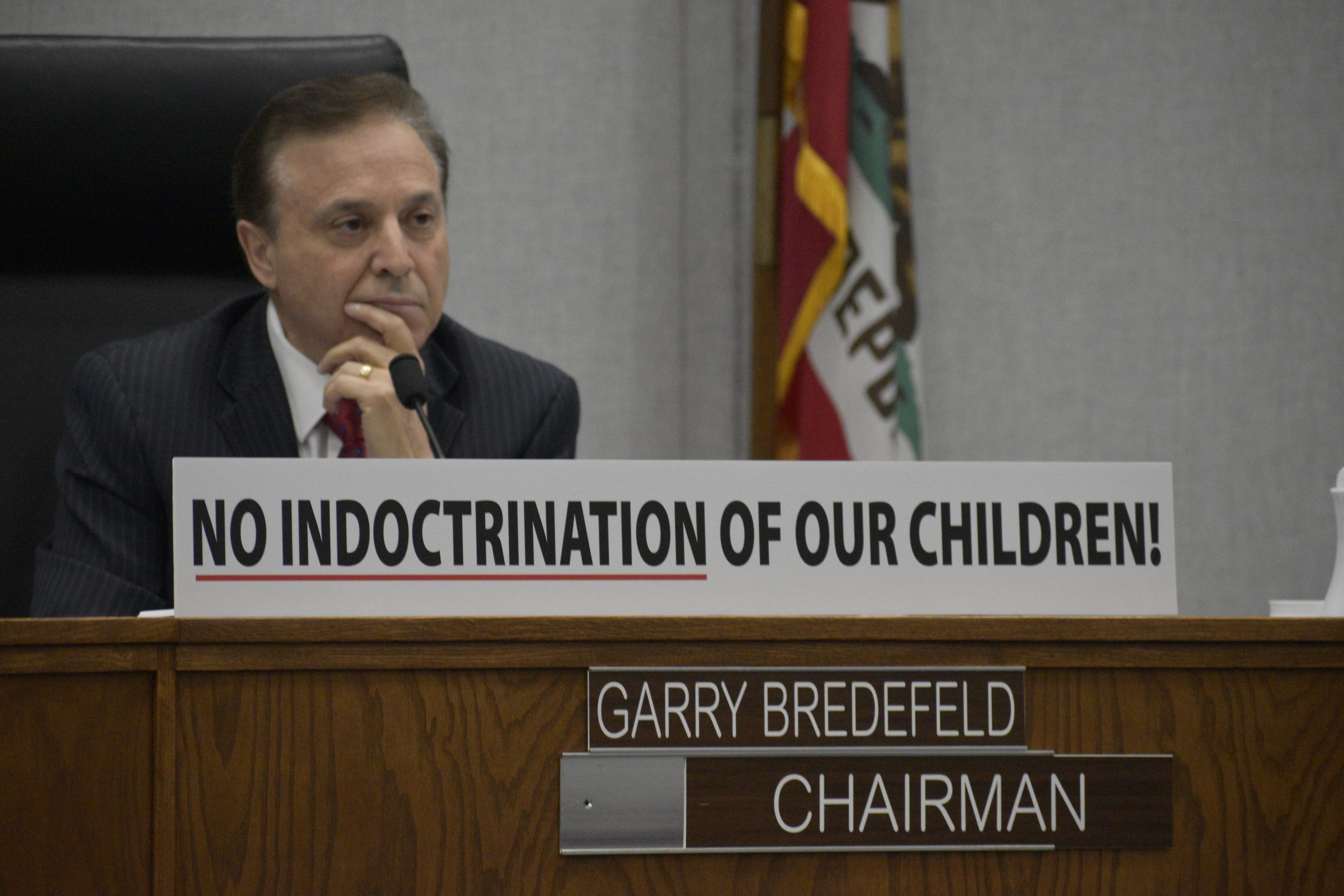
"In a split 3-2 vote Tuesday, the Fresno County Board of Supervisors barred the county library from participating in local Pride Month celebrations," Fresnoland reports. "The hearing revolved around a pair of items that, if approved, would have allowed the library to spend money to host a booth at this year’s Fresno Rainbow Pride event, and to allow the library to recognize and celebrate Pride Month for the next five years." The report adds that county documents show the library had requested "$125 to participate in this year’s Fresno Rainbow Pride, an event that follows the annual Pride parade."
In Oklahoma, a Forwarded Email Leads to Removed Displays
 Ginnie Graham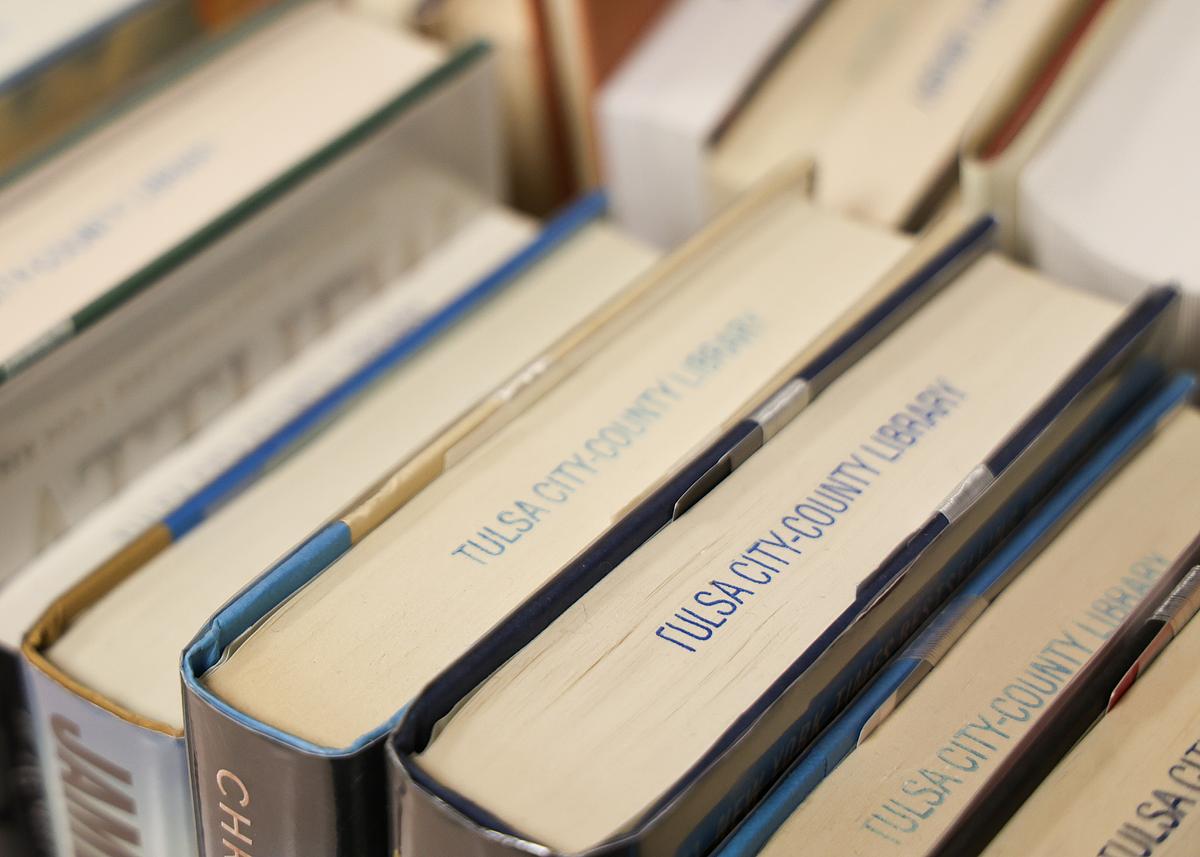
The Tulsa Flyer reports that a local library took down several displays after State Senator Christi Gillespie (R-Broken Arrow) forwarded a constituent complaint to library leaders. "The email was from a constituent complaining about the Broken Arrow Library’s displays of materials addressing race and LGBTQ+ themes,” the report states. "The library system is no stranger to complaints—there have been 15 about displays since June 2024, according to library documents. Ten of those were related to LGBTQ+ content. But the complaint that Gillespie forwarded is the only one that was acted upon. Library spokeswoman Toni Allen said the action was taken because a trend was appearing that showed policy violations."
Arkansas Proposal Seeks to Restrict Minors From Accessing Allegedly 'Sexually Explicit' Materials in Libraries
Tess Vrbin at the Arkansas Advocate reports on a proposed set of state standards that would require libraries in the state to restrict access to certain materials in order to receive state aid. "The rules proposed by the library board last week are the latest in an ongoing fight over library books that’s been playing out in Arkansas and other states in recent years," Vrbin writes. "If approved by the board and a legislative panel, the rules would require libraries to ensure that children under 16 cannot check out 'sexually explicit materials,' which depict or describe sexual contact and behavior as defined by federal law." Central Arkansas Library System Executive Director Nate Coulter told the outlet that the proposal “seems an attempt to do by executive fiat what [the state] tried and failed to do by legislation” last year.
Under Utah's Recently Enacted State Law, a Few School Districts Are Now Driving Statewide Book Bans
 Carmen Nesbitt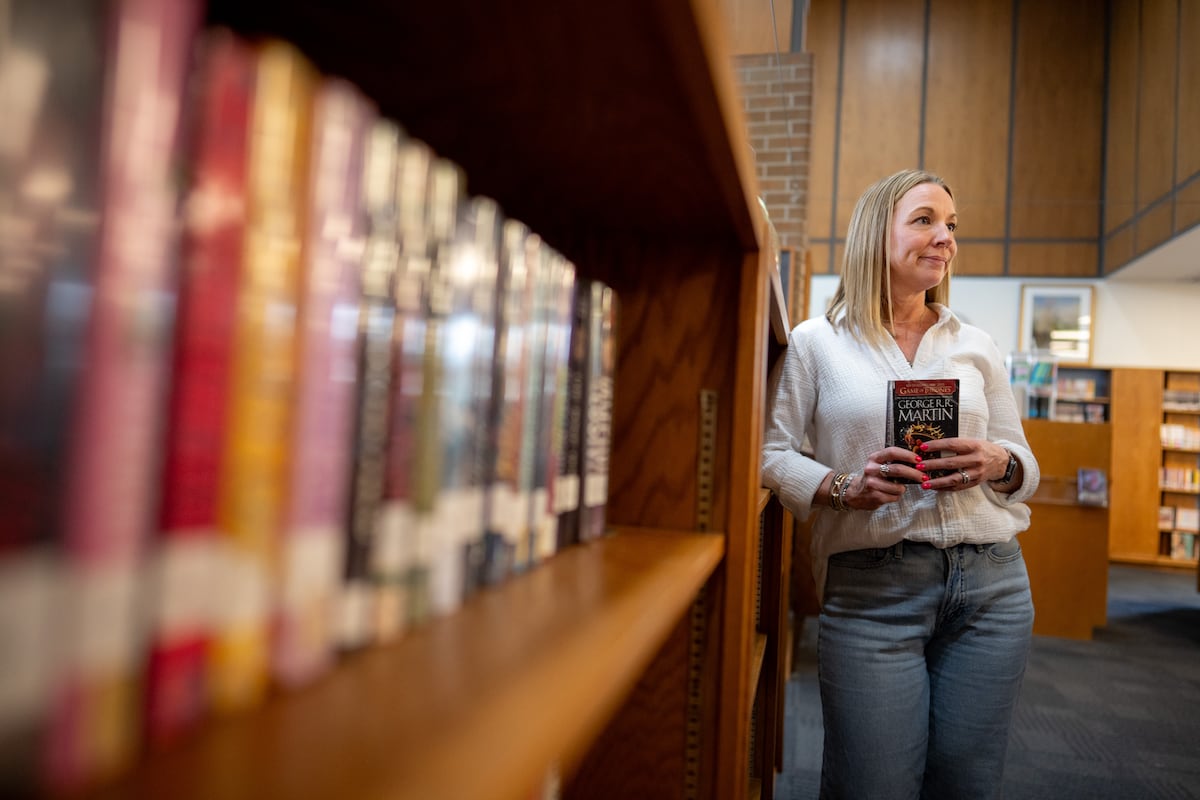
The Salt Lake Tribune has a piece that highlights the absurdity of Utah's recently enacted law that has led to 34 books being banned in school districts statewide, despite few districts actually choosing to remove the books in question.
"Under Utah law, once three school districts (or two districts and five charters) remove the same book for containing 'objective sensitive material,' all public schools in the state must also pull—and destroy—the title," the report explains. "In actuality, a small handful are driving the statewide bans, and, in most cases, the same three or four districts." The report goes on to note that "every single book ban so far has originated from at least one of nine school districts in the state," which is comprised of 41 districts, with two districts appearing most frequently: Davis School District has banned 33 of the 34 titles, while Washington County has banned 29.
Five Years Into an Unprecedented Attack on the Freedom to Read, and What Have We Learned?
 Kelly Jensen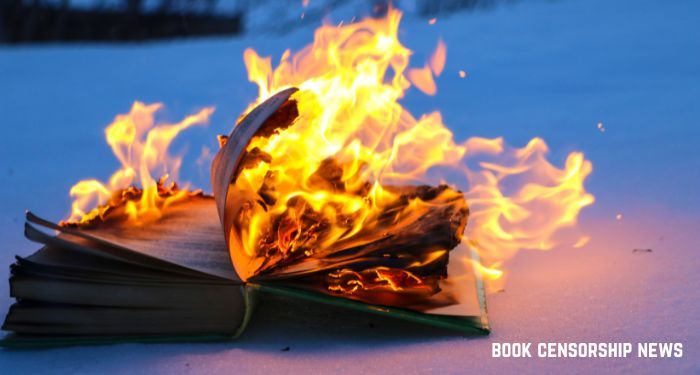
Over at Book Riot, Kelly Jensen reports on an inauspicious benchmark for the freedom to read, offering a look at some key things we've learned. "This spring marks five years of escalating attacks on books and libraries in America," Jensen writes. "Throughout 2026, organizations across the spectrum will be marking this anniversary, both to emphasize how long and complex this battle has been and to champion and celebrate the work being done to protect equitable access to books and libraries."
And Finally This Week...
 David Masciotra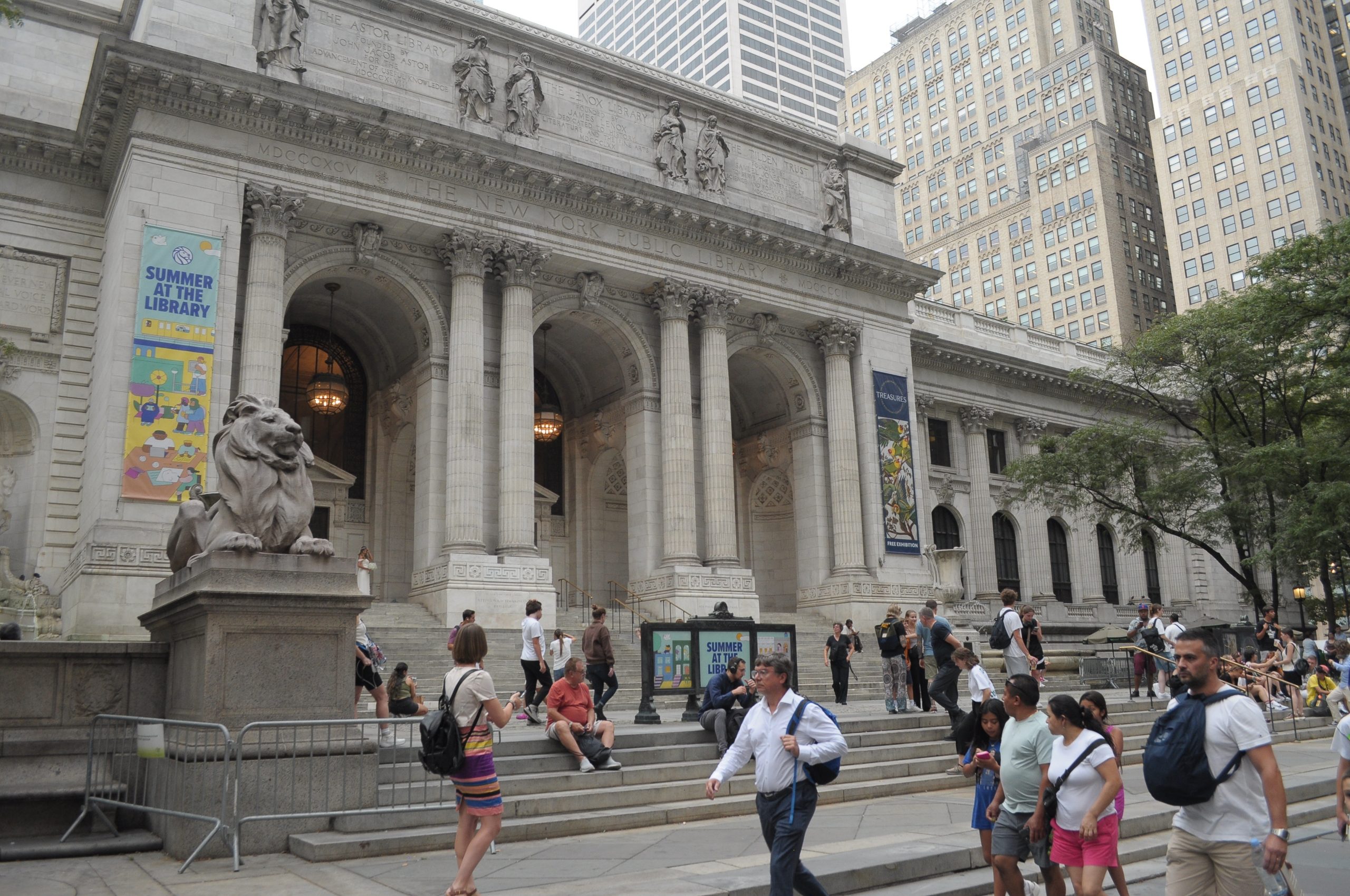
The Washington Monthly has a great interview with EveryLibrary founder and Executive Director John Chrastka, who, as always, shares some great insights.
"The library is one of the best libertarian arguments for limited government. You might not have expected that answer, but it is," Chrastka told the outlet. "As a nation, we want to see an informed and prosperous citizenry. The library helps us reach that goal with very little taxpayer money. It is the best example of the libertarian ideal. Yet, it is also progressive because people who are not part of the majority get to see themselves honored and reflected on the shelves. It is also conservative, because it preserves communal memory and identity. It is also an embodiment of the Tenth Amendment because states have extraordinary discretion to run the library."