The Queue: Library News and Views for the Week Ending April 17, 2026
Among the headlines this week: National Library Week kicks off on Sunday; a new bill in Rhode Island aims to boost school librarians; an Alabama bill that would have politicized library boards is dead; and according to Pew, print still rules, but digital reading is on the rise.

National Library Week Is Here
It's back. National Library Week 2026 kicks off on Sunday, April 19, with events set to run through April 25. Tik Tok star librarian and Reading Rainbow host Mychal Threets is this year's honorary chair, and this year's theme is “Find Your Joy.” It's familiar message in Threets’ videos, as well as in his debut picture book, illustrated by Lorraine Nam, "I’m So Happy You’re Here: A Celebration of Library Joy," published in February by Penguin Random House Books for Young Readers.
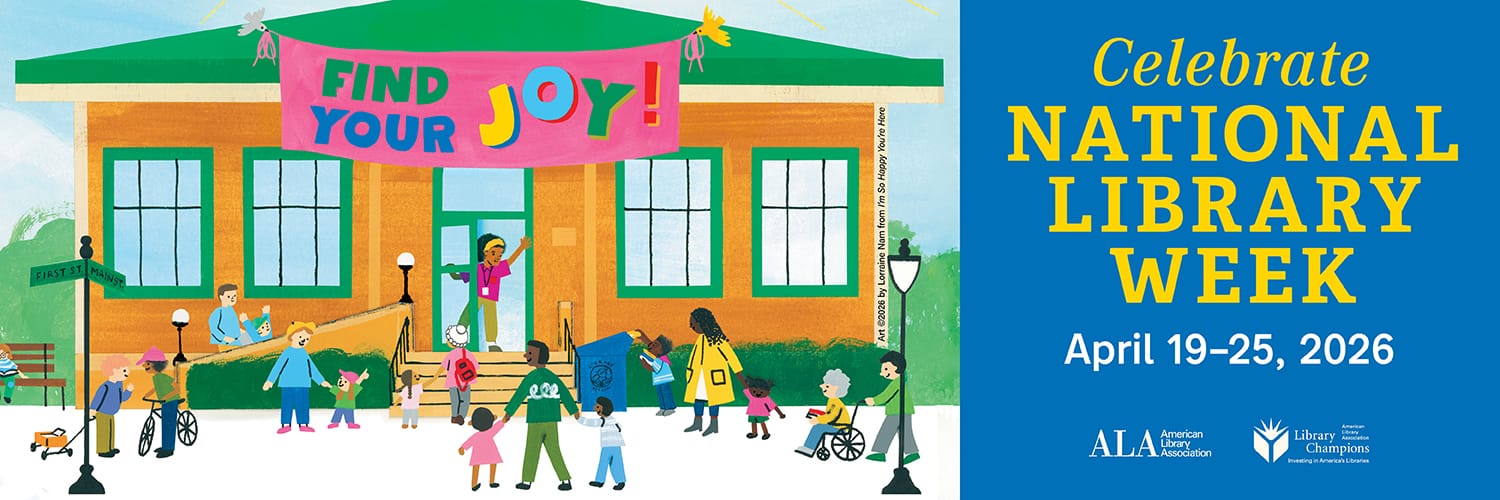
Organized by the American Library Association, the first National Library Week was held in 1958, and from there, it has become an annual celebration highlighting the valuable role of libraries, librarians, and library workers.
The week will begin with the release of the ALA's State of America's Libraries Report, which will include the list of Top Ten Most Challenged Books of 2025.


Among other highlights:
Monday, April 20 is Right to Read Day, a day for readers, advocates, and library lovers to take action to protect, defend, and celebrate the right to read.
Tuesday, April 21 is National Library Workers Day, a day to recognize the valuable contributions made by all library workers.
Wednesday, April 22 is National Library Outreach Day (formerly National Bookmobile Day), a day to celebrate library outreach and library professionals who are meeting their patrons where they are.
Thursday, April 23 is Take Action for Libraries Day, a day to rally advocates to support libraries.
As usual, the ALA offers a slew of National Library Week resources, available here.
Rhode Island Bill Supports School Librarians
Steve Ahlquist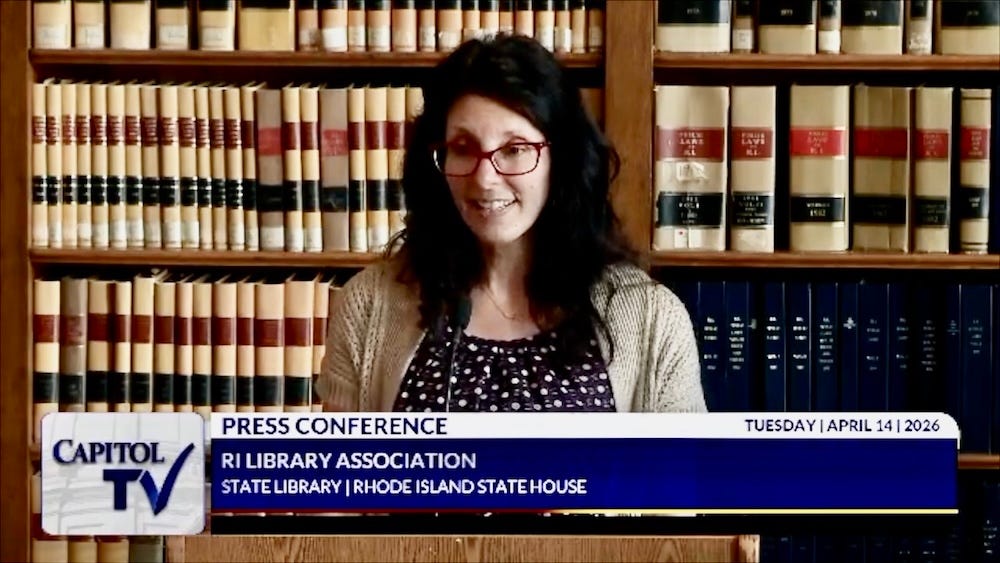
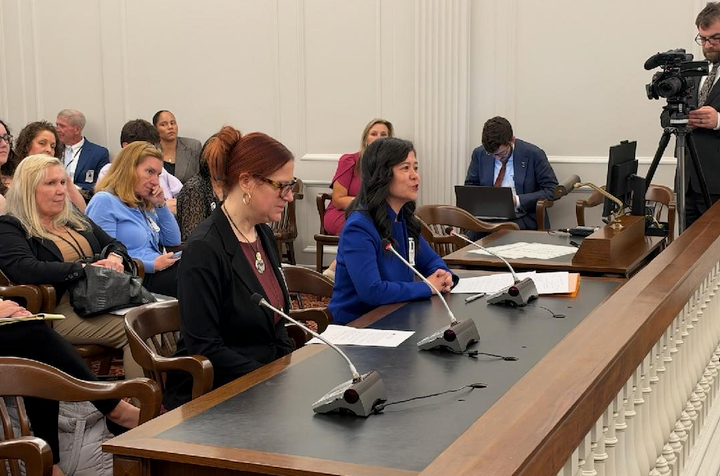
Independent reporter Steve Ahlquist has an in-depth report from a press conference this week held by the Rhode Island Library Association and School Librarians of Rhode Island (SLRI) along with a group of legislators in support of the Save Our Rhode Island School Libraries Act (S2078/H7417), a bill that would ensure every public school in the state has a certified school librarian. “This bill matters because the research is clear: Students with access to well-funded school libraries with full-time certified school library media specialists see higher reading achievement and greater overall student success, helping them discover who they are as readers, thinkers, and learners," said Natasha White, the 2025 Rhode Island School Librarian of the Year.
Tennessee School Librarians Voice Concern Over Eligibility Changes
Shannon Coan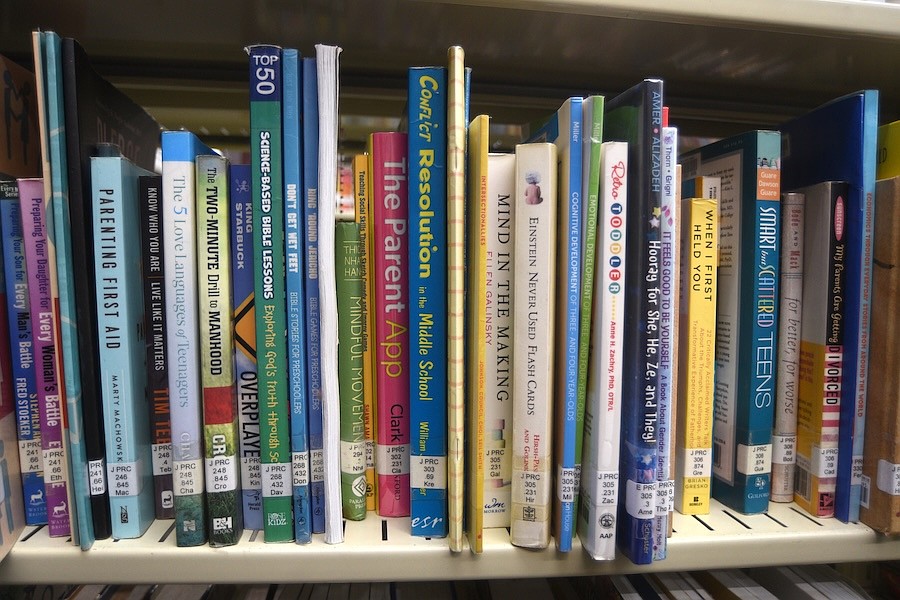
The Chattanooga Times Free Press reports that school librarians are expressing concerns after Tennessee lawmakers advanced a bill that would expand who can work in a school librarian position. Previously, school librarians needed a library degree to obtain "a library information specialist endorsement," the report notes. But House bill 2423, which would go into effect July 1, "expands the eligibility for that endorsement" to those with an advanced degree in media and technology.
"Most educational professionals do not have to spend year after year trying to prove their value," East Ridge High librarian Charles Rayburn told lawmakers, the report states. "Most educators are allowed to do their jobs with administrators taking it at face value that those degrees and certifications are worthwhile. With librarians, however, this seems not to be the case." The bill's sponsor, meanwhile, told reporters he introduced the bill "in response to a constituent who was having challenges with finding traditionally licensed librarians."
Alabama Bill to 'Politicize' Library Board Appointments Fails to Advance
The Alabama Reflector reports that S.B. 26, a bill that would have given local politicians the power to fire library board members, failed to advance before the Alabama Legislature ended its 2026 session. "The Alabama Senate approved the bill on Feb. 10, and a House committee approved the measure on Feb. 19," the article notes. "However, the bill did not advance any further in the nearly two months that followed." In a statement, advocacy group Read Freely Alabama, which had opposed the measure, celebrated the bill's demise. “This positive outcome reflects the voices of thousands of Alabamians who spoke up for intellectual freedom and the right of families—not politicians—to decide what their children read.”
Over Objections, Montana County Approves Controversial Board Applicant
Hannah Pedeferri
Local affiliate KTVQ reports that a nominee was unanimously appointed to the Billings Public Library Board this week over community concerns. “A packed crowd gathered on Tuesday for the Yellowstone County commissioners' meeting to weigh in on the appointment of the nominee, Amanda Scheidler. The controversy stems from Scheidler's application, where she states that libraries are places where ‘sexual agendas and filth are being shoved into children's minds and hearts. I want to see an end to that, and help make libraries a safe haven again.’” In a previous report, KTVQ noted that Schiedler was the only applicant for the board seat.
In Pennsylvania County, Republican Commissioners Deny Library Professional a Board Seat
TOM LISI | Staff Writer
Lancaster Online reports that the Lancaster County commissioners this week "voted along party lines to install a pageant photographer on the Library System of Lancaster County board of directors, again overlooking a candidate with years of library experience." According to the report, "Republican Commissioners Ray D’Agostino and Josh Parsons chose Anthony Panzino, listed as a Lancaster city GOP committeeman by the Republican Committee of Lancaster County, to serve on the board. They passed on Carrie Rampp, vice president and chief information officer at Franklin & Marshall College, for the fourth time in two years."
The report also points out that "Parsons and D’Agostino were leading voices in a social media backlash that year over an event in which a drag queen performer at the library was going to read children’s stories to families," an event that ultimately had to be canceled "amid anonymous online bomb threats."
Unimaginable: Why Are Some Politicians Targeting Dolly Parton's Imagination Library?
Kelly Jensen
Over at Book Riot, Kelly Jensen leads off her weekly censorship news column with a look at the growing number of states targeting Dolly Parton's Imagination Library program, which provides funding to get books into the hands of young readers. "Legislators see providing children with free books from the time they are born until they turn five years old as an unnecessary expense, despite the mounting evidence that such access is a key tool in growing success," she writes. "That the books create a common connection and highlight an array of voices and perspectives is only further fuel for targeting the program."
Texas Librarian Sues Over 'Politically Motivated' Firing
Jeff Awtrey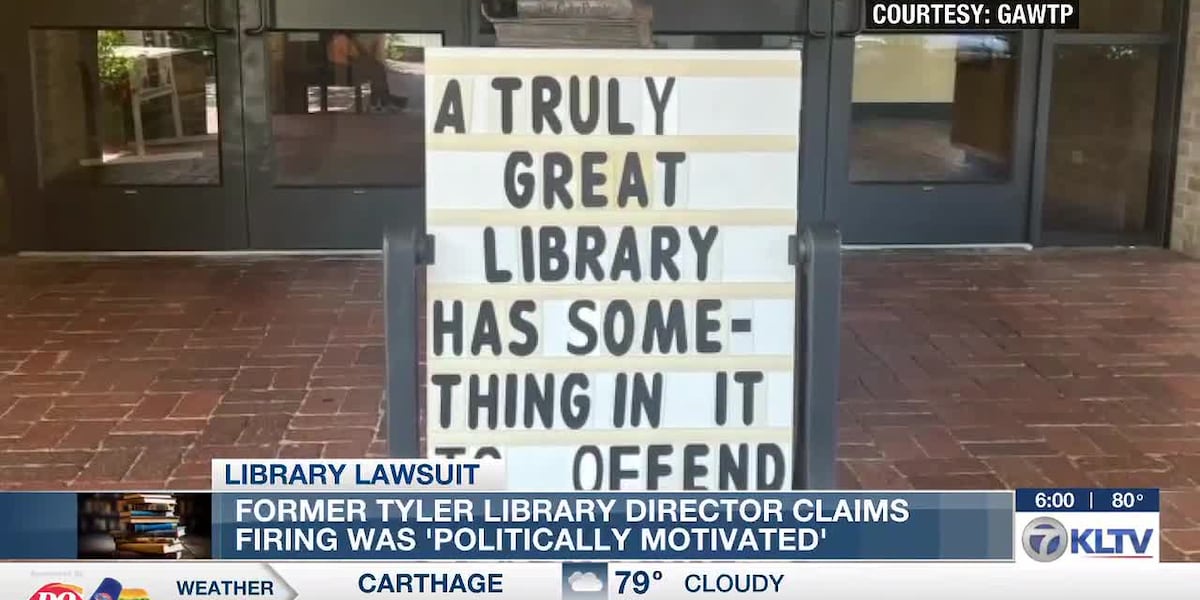
In Texas, KLTV reports that Ashley Taylor, the former director of the Tyler Public Library, has filed a lawsuit alleging that she was unlawfully retaliated against over a sign posted outside the library last fall that featured a famous quote from librarian Jo Godwin: “A truly great library has something in it to offend everyone.”
According to the report, someone with the right wing political advocacy group Grassroots America, which the suit contends had been pressuring Taylor and the library since 2021 over allegedly inappropriate content, posted a photo of the sign on social media, after which a City Councilman (and mayoral candidate) publicly confronted Taylor, who was later fired.
"Ashley Taylor dedicated nearly twenty years of her professional life to the Tyler Public Library and the community it serves,” attorney William S. Hommel told reporters, in a statement. “This case is about whether a public library—one of democracy’s most fundamental institutions—can be placed under the ideological control of organized political pressure groups, and whether public employees can be punished for speech they did not even author.”
Challenge to the Bible Makes a Broader Point About Book Bans
 Kathryne Mccann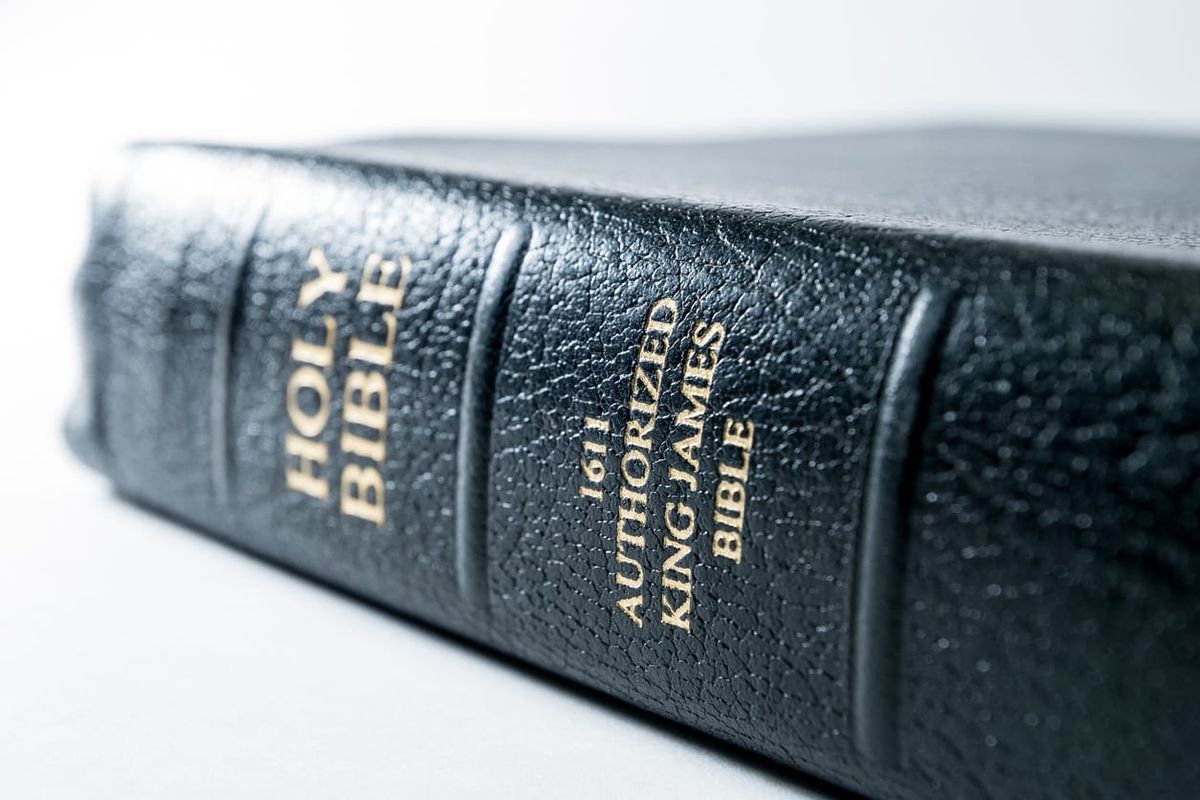
In California, Redlands News reports that after "a marathon public hearing packed with emotional testimony," the King James Bible will stay on the shelves of Redlands Unified school district libraries. But, as in other challenges to the Bible in other parts of the country, the challenge appears to have succeeded in making a broader point about books bans. "A major theme across the hearing—even among those who support keeping the Bible—was criticism of the district’s book challenge policy," the report notes. "Despite the unanimous vote, the hearing made clear that the recent removal policies remain contentious and will likely continue to be a central debate at future board meetings."
Pew: Print Still Rules, But Digital Reading Is on the Rise
William Bishop
In an April 9 post, the Pew Research Center shared results from its survey of readers conducted last fall, finding that print is still the preferred format for U.S. book readers, but that digital reading has gained ground. "The share of adults who have read a print book in the past 12 months has declined from 72% in 2011 to 64% in October 2025," the post notes. "Digital and audiobooks, by comparison, have become more widely used. About three-in-ten adults (31%) now report reading an ebook in the past year, up from 17% in 2011. Audiobooks have seen similar growth, with use of this format more than doubling in the same period."
As the use of digital content in libraries continues to grow, it's worth going back on these findings. But it's this finding that should stand out for those in the book business: "There has been little change in the overall share of Americans who read books–or in the formats they use–since we last asked these questions in 2021." Let that sink in. Over the last 15 years, technology has made books more accessible, in theory, than ever before. Yet people report reading fewer books.
Amazon Announces Plan to Stop Supporting Your Old Kindle
Boone Ashworth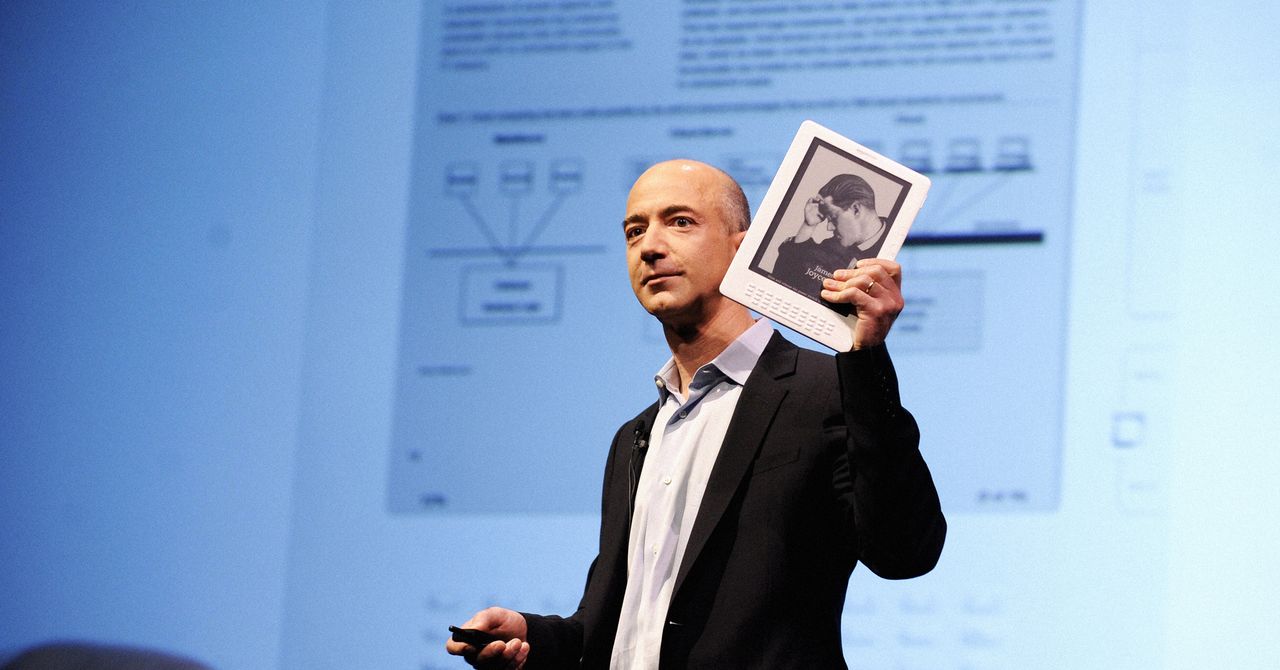
Wired is among the many outlets reporting that "Amazon will stop supporting any of its Kindle devices released in 2012 or earlier" as of May 20. "That means these devices—even if they’re perfectly functional—won’t be able to connect to the Kindle Store to download new ebooks," the report notes, although you'll still be able to read the books you have already downloaded. "It's unclear whether services like Libby will work, which uses the Kindle Store to deliver downloads," the report added, noting that Amazon did not immediately respond to a request for comment.
Digital Checkouts Have Surpassed Print at the Sacramento Public Library
In reporting for our recent report on the rise of library ebook legislation, we heard from several librarians who said that digital checkouts have surpassed print. And on that score, Abridged by PBS KVIE reports this week that that Sacramento "residents checked out more ebooks, audiobooks, and other electronic materials than physical books from the library" over the last fiscal year. Furthermore, digital circulation has more than doubled since 2019. "Circulation hasn’t fallen at the library—it has just changed," the report states. "Last year, patrons checked out roughly 4.8 million electronic items, comprising roughly 54% of total circulation. By comparison, electronic items made up about 26% of circulation in fiscal year 2019, state data show."
Objections Unsealed in Anthropic Copyright Infringement Settlement; Fairness Hearing Date Set
 Authors Alliance
Dave Hansen at the Authors Alliance has been doing fantastic work following the $1.5 billion Anthropic copyright infringement settlement, and this week he has a great post detailing some of the recently unsealed objections to the settlement's approval. A fairness hearing, meanwhile, has now been rescheduled for May 14.
The objections, which Hansen summarizes, raise some thorny issues. But this one really stands out: the settlement appears to "systematically" favor publishers over authors, even though the suit was brought by authors.
"Even if 60% of works have been claimed, it may be the case that 55% were claimed by publishers and only 5% by authors. The court may wish to consider scrutinizing data on the percentage of authors that have submitted claims," notes Professor Lea Victoria Bishop, whose motion led to the objections being unsealed. "It is particularly concerning that the distribution plan fails to dedicate unclaimed amounts to escheating or charity. Instead, amounts not claimed by authors can be collected by publishers.”
More on the ALA Staff's Unionization Effort
 Devyn-Marshall Brown (DMB)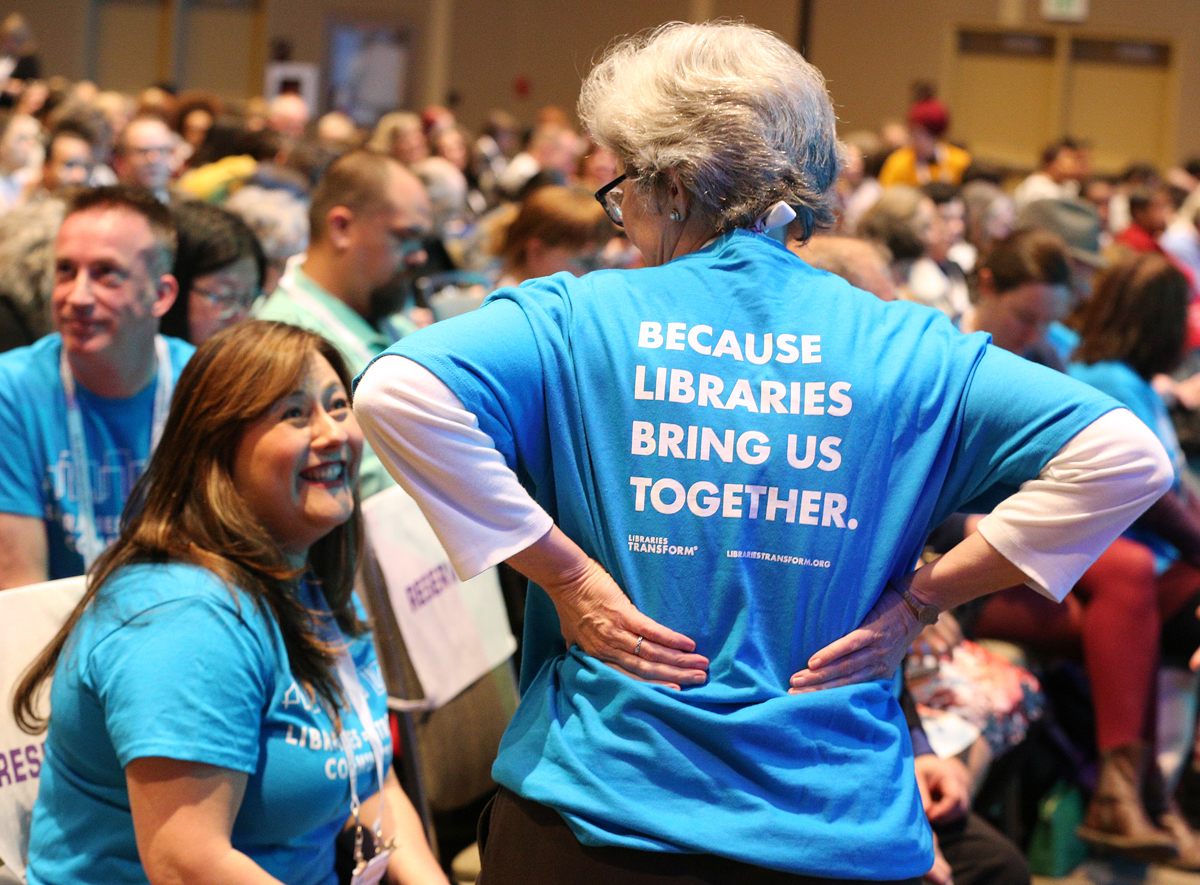
Chicago Reader has an article with more details on the unionization efforts of the American Library Association staff. "After registering with the National Labor Relations Board in early April, the nonprofit’s workers will vote on April 24 on whether to recognize it," the report states. One ALA staff member told the Reader that the situation at ALA, which is navigating a serious financial crisis, had become unsustainable, and that a union will help protect staff who have been struggling to do more with less. "We are losing staff to retirement, to people burning out, to layoffs. It’s not a good situation here, and I think that a union will help protect us," the worker said. "We need to foster a work culture, practices, pay, and benefits that encourage people to stay with ALA... and to feel motivated to do the work that they need to do.”
And Finally This Week...
The Knight Foundation has a nice interview with Maureen Hartman, Director of the Saint Paul Public Library, and it’s certainly worth checking out. In it, Hartman discusses what drives the work of a public library director (“a passion and a love and understanding of community. The community is the whole reason…”), and some of the challenges library directors face today (“the hardest part is when there are challenges outside of our control that are impacting our ability to provide good service...").
But this answer from Hartman really resonated. “Also, there’s still a lot of education about what public libraries do now. Sometimes we’re left out of important community conversations when we know we have an important role to play," Hartman said. "Part of this job is educating people about what libraries do now and seeing the different ways people are using libraries.”