The Queue: Library News for the Week Ending December 26, 2025
Among the headlines this week: Governor Kathy Hochul has vetoed New York's 'freedom to read' bill; in Tennessee, legal questions hang over a state-ordered audit of library collections; Ohio libraries are facing an uncertain 2026; and check out the works entering the public domain on January 1.

As Words & Money reported last week, 2025 ended on a disappointing note for freedom to read advocates with New York Governor Kathy Hochul quietly vetoing S1099, the state's school library-focused Freedom to Read Act.
 Andrew Richard Albanese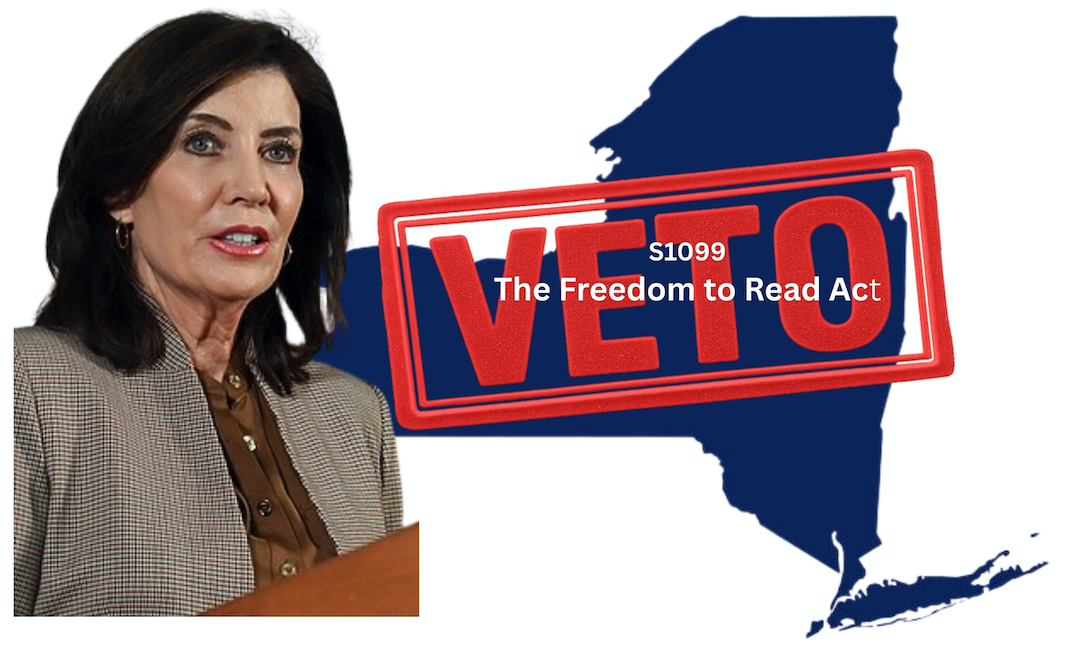
In a message posted to her Facebook account, State Senator Rachel May, the bill's architect, called Hochul's veto "misguided" and said the move would leave professional librarians "exposed" and students potentially "caught in the middle of political fights they are often not even aware of."
Passed in June, the bill would have required the state to establish guidelines and policies to ensure that public school library staff are "empowered to curate and develop collections that provide students with access to the widest array of developmentally appropriate materials available to school districts."
We've been asking around, and we are still in the dark as to exactly why Hochul vetoed the bill. The governor is certainly not someone we would describe as supportive of censorship, and, as PEN America reported earlier this month, New York has seen "at least 25 books" banned in the state in recent years.
It's likely there was some political calculation involved—this is New York after all, and Hochul is up for reelection in 2026 (and facing a primary challenge from her lieutenant governor, Antonio Delgado). But the most common reaction to the veto we've heard from people tracking the New York bill is that the final product, while welcomed, was not strong enough, and that lawmakers can do better.
So, in 2026, we'll look for freedom to read advocates in New York to come back with a better bill, perhaps more along the lines of the law enacted this summer in Rhode Island.
Rhode Island's is widely considered to be the gold standard among "freedom to read" laws. Its provisions include: prohibiting the removal of books from libraries due to partisan or doctrinal disapproval; a model policy for materials in public and school libraries; shielding library staff from civil and criminal liability; and, perhaps most importantly, it offers groundbreaking protections against censorship for authors and readers.
 David Wright
Meanwhile, Ocean State Media reports that the Rhode Island bill takes effect on January 1. "When it was passed, it was the first state law in the nation to guarantee that if a book is illegally banned, authors and readers can take their case to court," the report notes.
Massachusetts Lawmakers Are Making Progress on Their State's Freedom to Read Bill
 Madison Schofield, Contributing Writer
Meanwhile, the Athol Daily News reports that lawmakers in Massachusetts are making progress on their state's freedom to read bill, An Act Regarding Free Expression. "In November, the state Senate voted 35-3 to advance the bill (S.2726), which will now be discussed by the House Committee on Ways and Means. State Sen. Jo Comerford, D-Northampton, vice chair of the Senate Committee on Ways and Means, which brought the legislation forward, said the bill would provide clear guidelines on how, when and why materials can be removed from libraries," the article states. "The bill states that no material can be removed for “personal, political or doctrinal views or bias.”
Lawyers Question the Legality of Tennessee's Controversial Library Audit
 , The Tennessean
The Tennessean has a follow up on Tennessee Secretary of State Tre Hargett's October order that all of the state's 181 libraries audit their collections for materials that might violate either a new state law, or President Donald Trump's January executive order regarding gender ideology.
"There have been very important executive orders over time,” Lindsay Langholz, senior director of policy and program at the American Constitution Society, told the Tennessean. “The Emancipation Proclamation and the desegregation of the U.S. military were done through executive orders. But those have to do with things that the administration actually has power over, and this certainly is not one of them.”
Woman Destroys Transgender Books at Arizona Library
 (Davis Devereux)
In Arizona, Local affiliate KJCT reports that the police are looking for a woman who allegedly vandalized several books "that discussed transgender topics" from the Mesa County Library. "According to a report our newsroom obtained, on December 17, an officer with the Grand Junction Police Department went to the Central Library Branch after learning from library security that several books were ripped up and thrown away in the trash. Using video surveillance footage, the officer found a woman had carried several books into the bathroom, then leaving the bathroom and throwing the books away."
Donations Pour in to Help Alabama Library Penalized in Book Banning Clash with State Library Officials
 John Sharp | jsharpal.com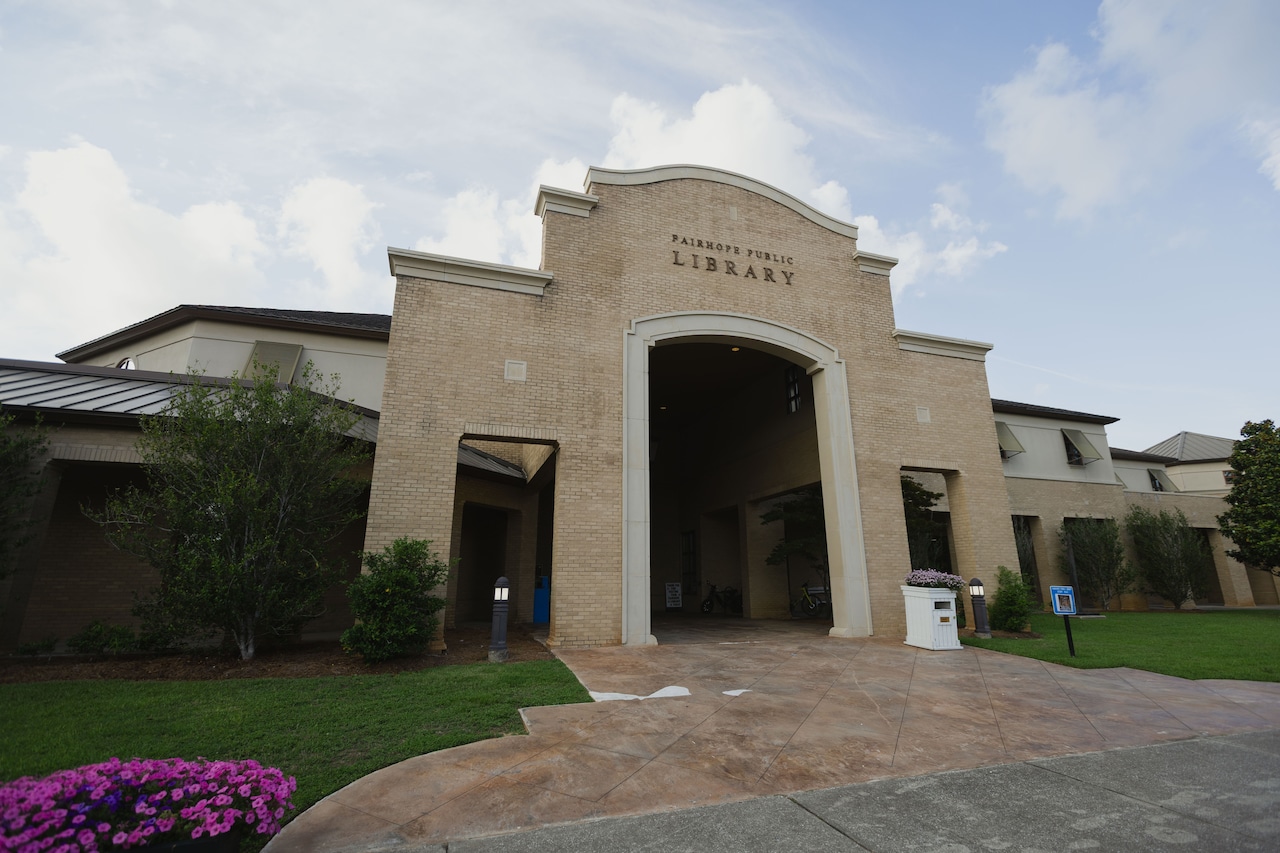
In a move that garnered national headlines, the Fairhope (Alabama) Public Library was denied half of its annual state funding, some $22,000, for refusing to censor books in accordance with a new state policy. But AL.com reports this week that the library has since received some $98,000 in donations, including an anonymous $50,000 donation.
That's great news, of course. But as AL.com reports, it doesn't solve the problem. "The funding battle in Montgomery is expected to resurface next month, when the Alabama Public Library Service (APLS) board is scheduled to discuss the fate of Fairhope’s library funding amid an ongoing dispute over the placement of a small number of books in the library’s youth sections," the report notes.
New Year, Hard Choices for Ohio Libraries
 Mary Frances McGowan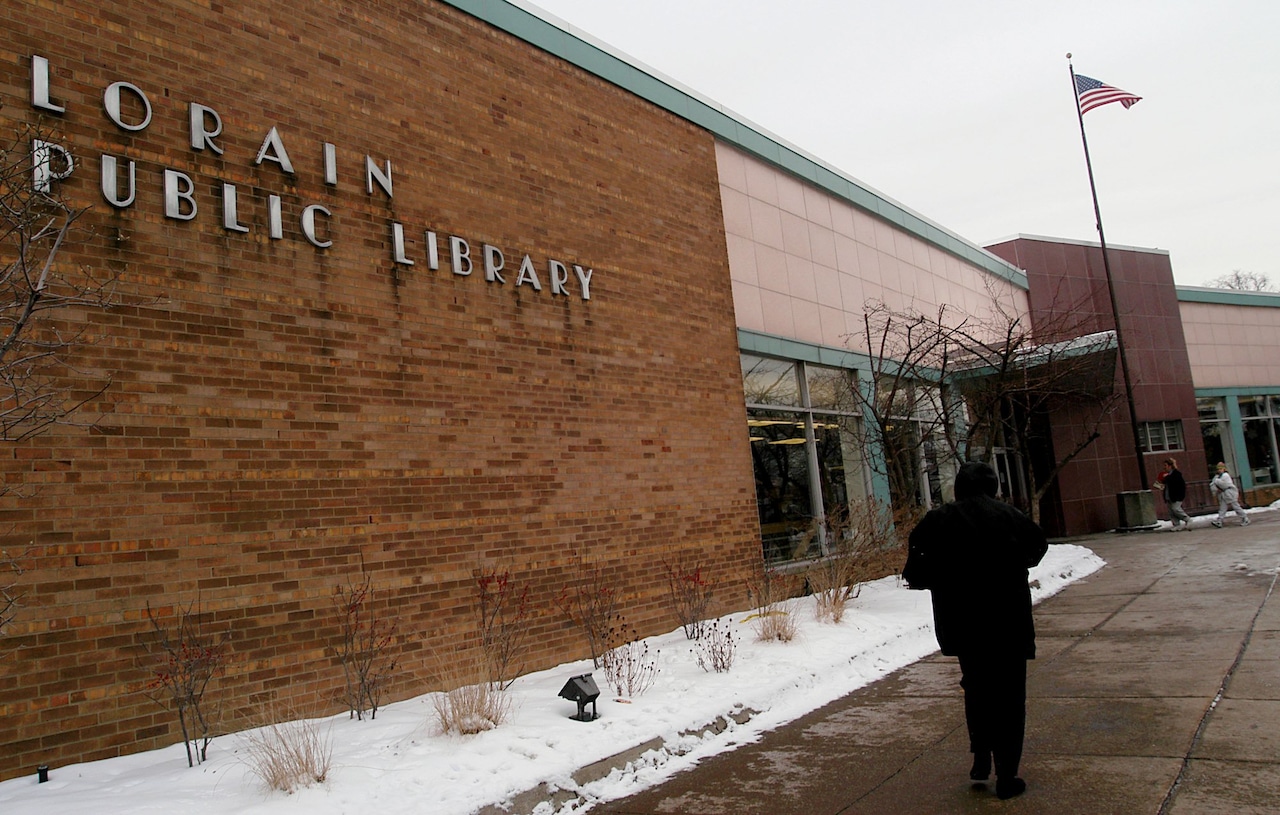
After the state passed a new funding formula for libraries and a cut in its state budget, Cleveland.com reports that 2026 is shaping up to be challenging year for Ohio libraries.
"The state budget Gov. Mike DeWine signed into law in June removed the longstanding funding formula that gave libraries a percentage of the state’s revenue fund, replacing it with discretionary line-item appropriations," the outlet reports. "The comparative instability of the new formula is worrying for libraries. Future legislatures or gubernatorial administrations could reduce funding without warning—a big shift for institutions that have long relied on stability."
"The seismic budget cuts came at an already difficult time," Cleveland.com adds. "Despite heightened demand for services, and the rising costs of providing them, libraries had operated at funding levels similar to those from 25 years ago."
Comics Censorship Is on the Rise, and Could Get Worse
 Kelly Jensen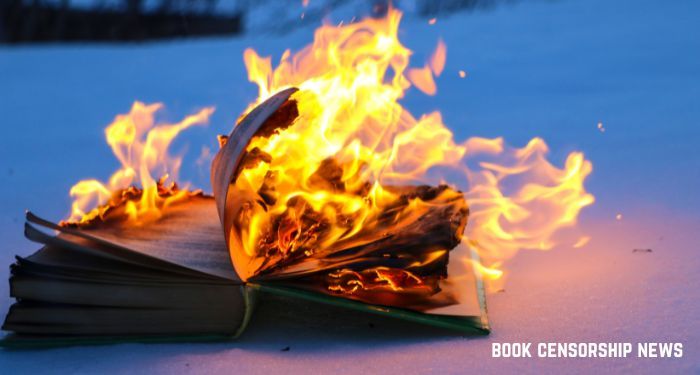
Over at Book Riot, Kelly Jensen leads her weekly censorship news roundup with the final installment of her look at comics censorship, featuring a "deep dive" into PEN America's comics censorship data by Carol Tilley, an associate professor in the School of Information Sciences at the University of Illinois, a comics scholar and a library educator.
"Comics are thriving as a format, and they are continuing to grow in numbers, as well as in accolades. That puts them in the target of those eager to revoke the rights of their fellow Americans–and especially young people–to read what they want to read and to hinder access to a wide array of materials in public and public school libraries," Jensen writes.
Happy Public Domain Day 2026!
 Austin Buchanan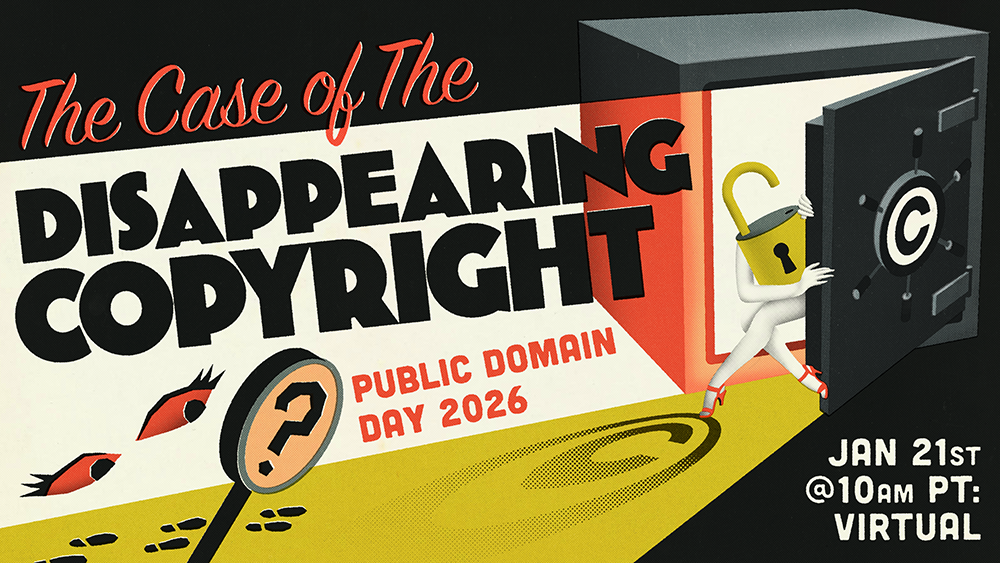
On January 1, 2026, creative works from 1930 and sound recordings from 1925 will enter the public domain in the United States. The Internet Archive has a great post about what this year's public domain day will bring, with help from Duke Law’s Center for the Study of the Public Domain. "1930 ushered in a new decade and a world teetering between mystery and modernity," the IA post notes. "It was a year of detectives, jazz, speakeasies, and iconic characters stepping onto the cultural stage—many of whom have been locked behind copyright for nearly a century."
PLA Launches AI-Focused Technology Task Force

Ahead of the PLA 2026 Conference, set for April 1-3 in Minneapolis, the Public Library Association (PLA) announced this week that it has established the Transformative Technology Task Force to advise the association on "the evolving role and impacts of transformative technology on library work and to identify and recommend priority training topics relevant to public library staff and users."
The move comes after PLA Board of Directors voted in June to sunset the previous Technology Advisory Group, a release notes, and to "shift focus to artificial intelligence in public libraries for the first two years of the new task force." A PLA Town Hall is also set for January 27 at 1 p.m CT, which will explore how libraries and library workers can "lead in relation to artificial intelligence in our communities" and PLA can help librarians in their efforts. You can learn more about the task force here.
What Were the Best Indie Books of 2025?
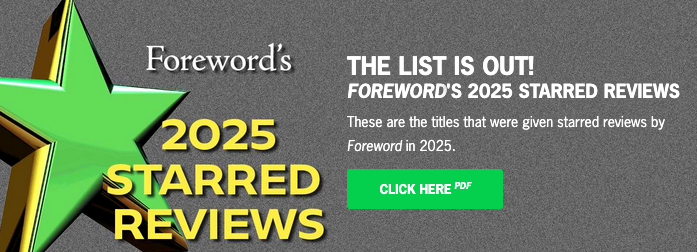
In case you missed it, Foreword Reviews has released its list of books that received starred reviews in 2025, and it is fantastic. Check it out.
Cuyahoga County Public Library Announces New Writer-in-Residence
 Marc Bona, cleveland.com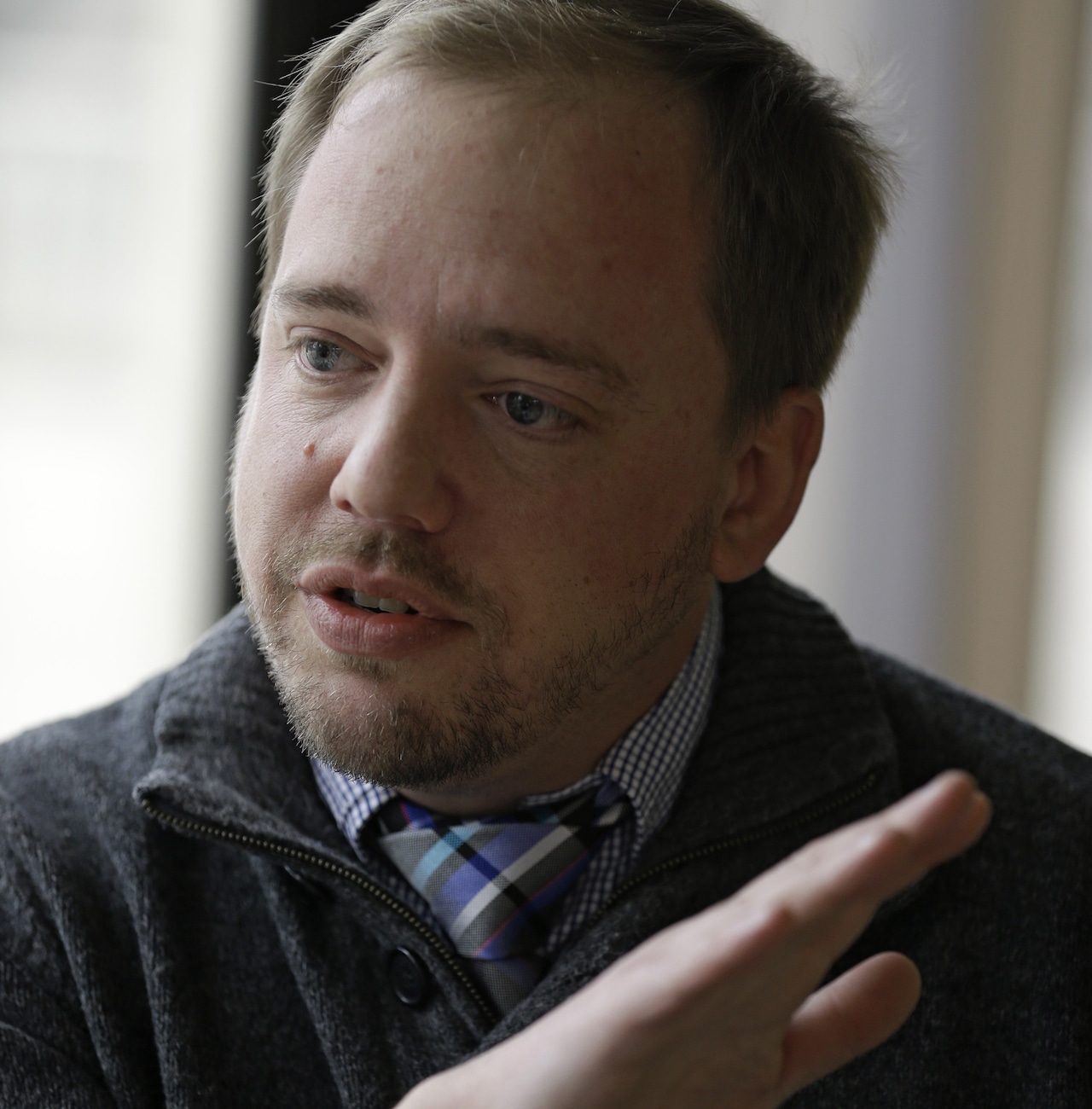
From Cleveland.com, news that the Cuyahoga County (Ohio) Public Library has named author Brad Ricca as the 2026 William N. Skirball writer-in-residence.
“Ricca has written seven books, with his latest being “Lincoln’s Ghost: Houdini’s War on Spiritualism and the Dark Conspiracy Against the American Presidency.” He won the Ohioana Book Award for his 2013 book, “Super Boys: The Amazing Adventures of Jerry Siegel and Joe Shuster – the Creators of Superman,” the report notes.
This is a great program, and another example of how libraries are deeply invested in supporting writers. In 2018, while at Publishers Weekly, I had the pleasure of working with my friend Sari Feldman, a former CCPL director, on a column about this very topic.
 Sari Feldman |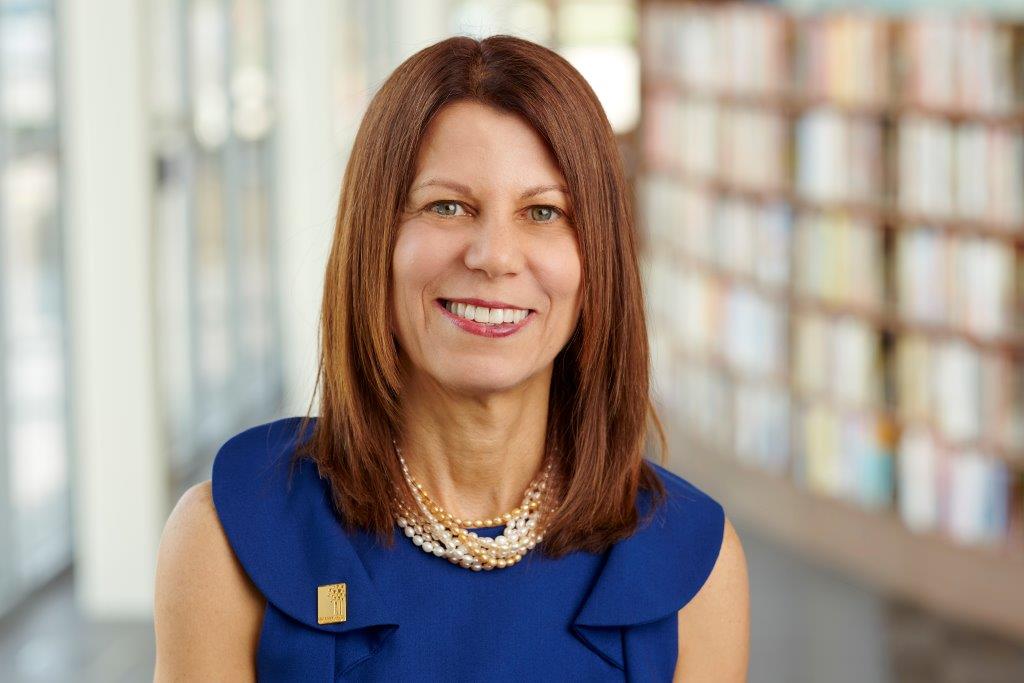
"The writing programs at CCPL are evidence that libraries can sit comfortably in that place between creator and consumer, fostering both individual and community exploration of the literary arts," Feldman explained in her column. "And it’s an increasingly vital contribution. For libraries, it’s important to constantly breathe life into the otherwise static volumes sitting on our shelves by celebrating the creative experience and actively supporting the people who create. The role of the library as a link between writer and reader is critical if we are to stem the decline of recreational reading in our nation. And really, who better than libraries?"
And Finally This Week
 Jim Milliot |
Big news this week from Publishers Weekly, where 40-year veteran Diane Roback has announced that she will step back from her role as SVP and children’s book editor on March 2, 2026, transitioning to an editor-at-large role.
"Roback has headed PW’s children’s book coverage since 1986, when she was named children’s books editor by then PW editor-in-chief John Baker," PW reports. "During her 40 years at the publication, Roback broke new ground in the coverage of children’s books not only at PW, but in wider media circles. In 1988, she inaugurated the first national children’s bestseller list. She also set up a children’s reviews department that relied on a group of freelance reviewers in the same way that adult books were reviewed at the magazine." Additionally, Roback launched the weekly e-newsletter Children’s Bookshelf in 2005, which now has some 47,000 subscribers.
On a personal note, I had the pleasure of working with Diane for many years, and I wish her all the best in her new role. And congratulations are also in order to Emma Kantor, currently senior editor for children’s books, who will become PW’s children’s news editor, and Amanda Bruns, who has been promoted to associate reviews director for children’s.