The Queue: Library News for the Week Ending January 9, 2026
Among the headlines this week: A library ebook bill in D.C. elicits a sharp response from OverDrive; 'Library Journal' announces its 2026 Librarian of the Year; Michigan mourns its state librarian; New Hampshire lawmakers try again to ban books; New Mexico introduces a freedom to read law, and more…

Advocates, Opponents Clash Over D.C.'s Proposed Library Ebook Law


Watch the video of the December 18 hearing on the D.C. Library Ebook Bill
When Connecticut passed its library ebook law in May 2025, Connecticut Library Consortium executive director Ellen Paul told Words & Money that opponents of the bill were, surprisingly, fairly quiet. But in written testimony released this week for a substantially similar law introduced in the District of Columbia in November, the simmering tensions in the library ebook market have once again burst into the open—with the D.C. bill apparently really getting under the skin of OverDrive, the leading vendor in the library ebook market.
While others who submitted testimony for a December 18 hearing on the bill, B26-0490: The Library E-book Pricing Fairness Amendment Act of 2025, kept their submissions to a few pages, OverDrive CEO Steve Potash delivered a 54-page submission that included several blistering attacks.
"To argue that libraries are entitled to 'Magical Library Books' at the same price of a Kindle ebook from Amazon, ignores the fact that print and digital library books are not the same product. Yet the bill’s proponents want to strongarm their CDL contracts on every public librarian," Potash testified, referencing Controlled Digital Lending, the legal theory behind the Internet Archive's scanning and lending program that was ruled illegal in 2023. "According to the CDL copyright deniers, they are entitled to every right to the 'content' of the digital book, in perpetuity, for undisclosed, unauditable, uses," Potash testified.
Several librarians that reached out to Words & Money were taken by what they characterized as Potash's "vituperative" testimony. "He brought up controlled digital lending, which this bill does not even mention, a poor and weak red herring argument. And his statistics ignore what his customers have been saying for years," ReadersFirst organizer Michael Blackwell told Words & Money. "It's very disappointing from a company that claims to be the librarian’s friend, and a poor argumentative showing that seems not to understand this bill at all."
In a response posted to the Ebook Study Group, Kyle Courtney, one of the architects of the Controlled Digital Lending legal theory and who, as a founder of the Ebook study group helped craft the D.C. bill's language and submitted testimony, also took issue with Potash's testimony.
"OverDrive’s testimony claims the bill is based on 'faulty assumptions,' will not achieve its goals, and will produce disastrous consequences," Courtney wrote. "The point of this kind of prediction is not simply to forecast; it is to pressure lawmakers into accepting a baseline assumption that the current terms are non-negotiable and that any attempt to improve them must be met with withdrawal of access. That is precisely the market power problem these bills are confronting. Libraries cannot negotiate on equal footing when the dominant contract posture is take-it-or-leave-it."
Connecticut's bill, passed in May, was the first library ebook bill to pass since Maryland’s first-of-its-kind library ebook legislation was struck down over copyright issues in 2022. Supporters say that law, as well as the bills in D.C. and a pending bill in New Jersey avoid the copyright issues that doomed the Maryland effort, and instead seek to regulate what libraries can agree to in their licenses.
While the opposition was muted regarding Connecticut's bill, the testimony in D.C. suggests the fight over the library ebook market is, as expected, poised to heat up in 2026. Watch this space: Words & Money will more reporting in the coming days and weeks.
What Happened in Vegas...
No question, there are plenty of challenges ahead for the library and publishing communities in 2026. So it's nice to jump into the new year with a positive headline: congratulations to Library Journal's 2026 Librarian of the Year, Las Vegas-Clark County Library director Kelvin Watson.
 Lisa Peet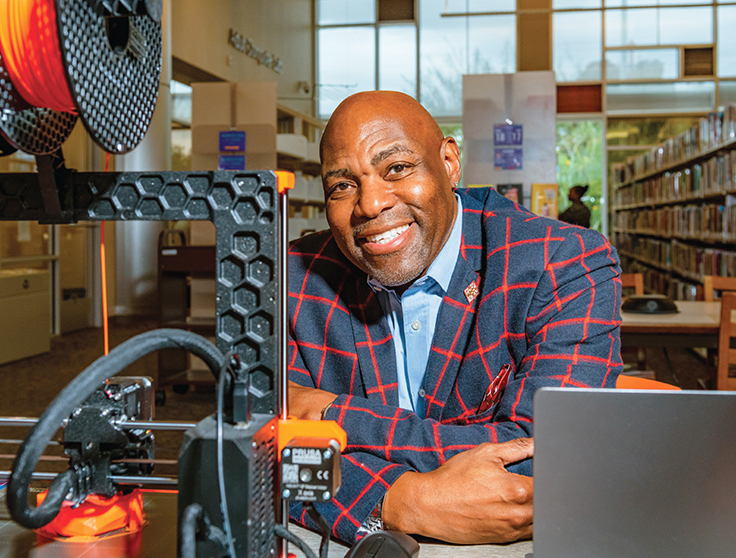
"When Kelvin Watson arrived in his new role as executive director of the Las Vegas–Clark County Library District (LVCCLD) in spring 2021, services were opening up again after COVID-19 shutdowns," writes LJ executive editor Lisa Peet, who delivers an excellent profile. "Within a few weeks of his arrival, he had met the heads of the Las Vegas Global Economic Alliance and Chamber of Commerce, the Clark County Schools Superintendent, and the presidents of area universities. 'I was out every day, doing library things and community things, attending galas, attending fundraising events, and just getting my face out there, talking about the library,' he says."
The results, Peet writes, speak for themselves. "LVCCLD has received the American Library Association (ALA)/Information Today Library of the Future Award three years running; the 2023 ALA Medal of Excellence Award; and the 2023 Urban Libraries Council Innovation Award for Anti-Racism, Digital Equity & Inclusion, among many other accolades. Programming and circulation metrics have surpassed those of 2019."
This is a very well deserved honor for Watson, one of the most dynamic, skilled, and effective leaders in the library community.
Library Community Mourns Michigan State Librarian Randy Riley
 0
0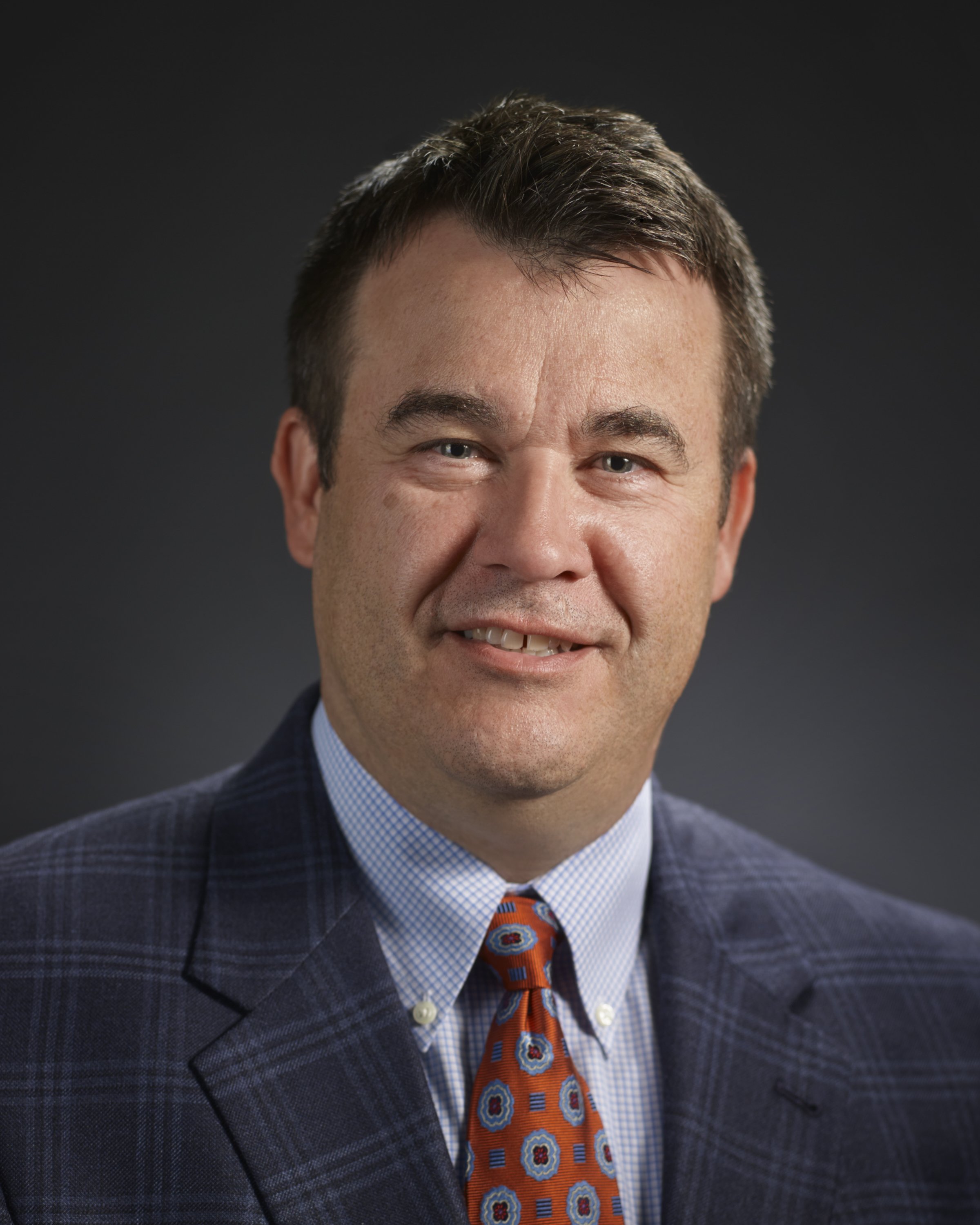
Very sad news out of Michigan, as Michigan State Librarian Randy Riley has died. The highly respected Riley had been with the Library of Michigan since 1989 in various roles, becoming the State Librarian in 2014. "Randy will be remembered as a relentless advocate for libraries and books across the state and country. He will be dearly missed by those in and out of the library profession," reads a tribute on Library of Michigan Foundation website, which includes a place to share remembrances, and a link for donations to the Randy Riley Memorial Fund.
PEN America Weighs in on Lawsuit Over Utah's Statewide "No Read" List
 Suzanne Trimel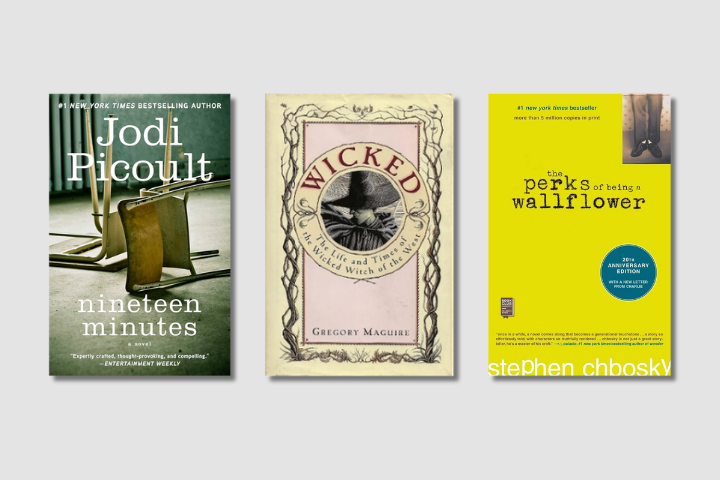
As we reported this week at Words & Money, a coalition of Freedom to Read advocates is now suing state officials in Utah over a state law now responsible for some 22 book bans in Utah schools. And this week, PEN America weighed in with a blog post. “We can’t allow censorship to take root under laws with vague prohibitions against topics deemed unacceptable by an extremist movement," said McKenna Samson, program manager for PEN America’s Freedom to Read Program. "The right to read is fundamental. These laws are wrong and should be struck down by the courts.”
After Veto, New Hampshire Republicans Advance Another Censorship Bill
Over at EveryLibrary, executive director John Chrastka reports that New Hampshire has advanced another bill seeking to ban allegedly inappropriate books, just weeks after lawmakers failed to override Governor Kelly Ayotte's veto of a previous censorship bill. "Today, the New Hampshire House of Representatives voted 181-157 in support of S.B. 33, as amended, a chilling bill that goes beyond banning books to also censor web pages, videos, artwork, performances, and other school materials," the EveryLibrary post notes, sharing statements by several members of the New Hampshire Freedom to Read Coalition. "S.B. 33 covers the same ground as last year’s H.B. 324, which Gov. Ayotte wisely vetoed," observed Jacquelyn Benson, a regional leader for Authors Against Book Bans.
 Katharine Webster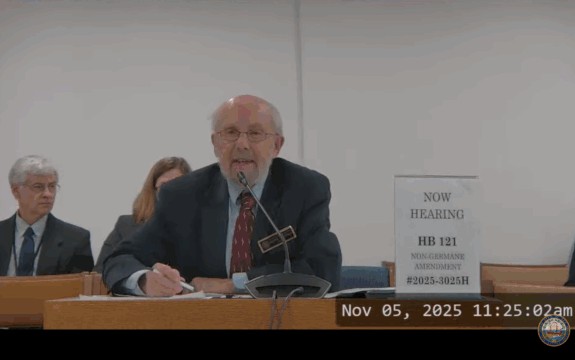
As InDepthNH.org reported in November, when S.B. 33 passed out of committee, the bill includes a broadened definition of obscenity and "specifies that K-12 schools would no longer be exempt from the state obscenity law, potentially opening educators up to criminal prosecution." Also in a November statement, NeaNH.org reported that the bill "opens the door to censorship that silences marginalized voices in classrooms and libraries."
Oklahoma Lawmaker Introduces Bill to Ban 'Obscene' Materials in School Libraries
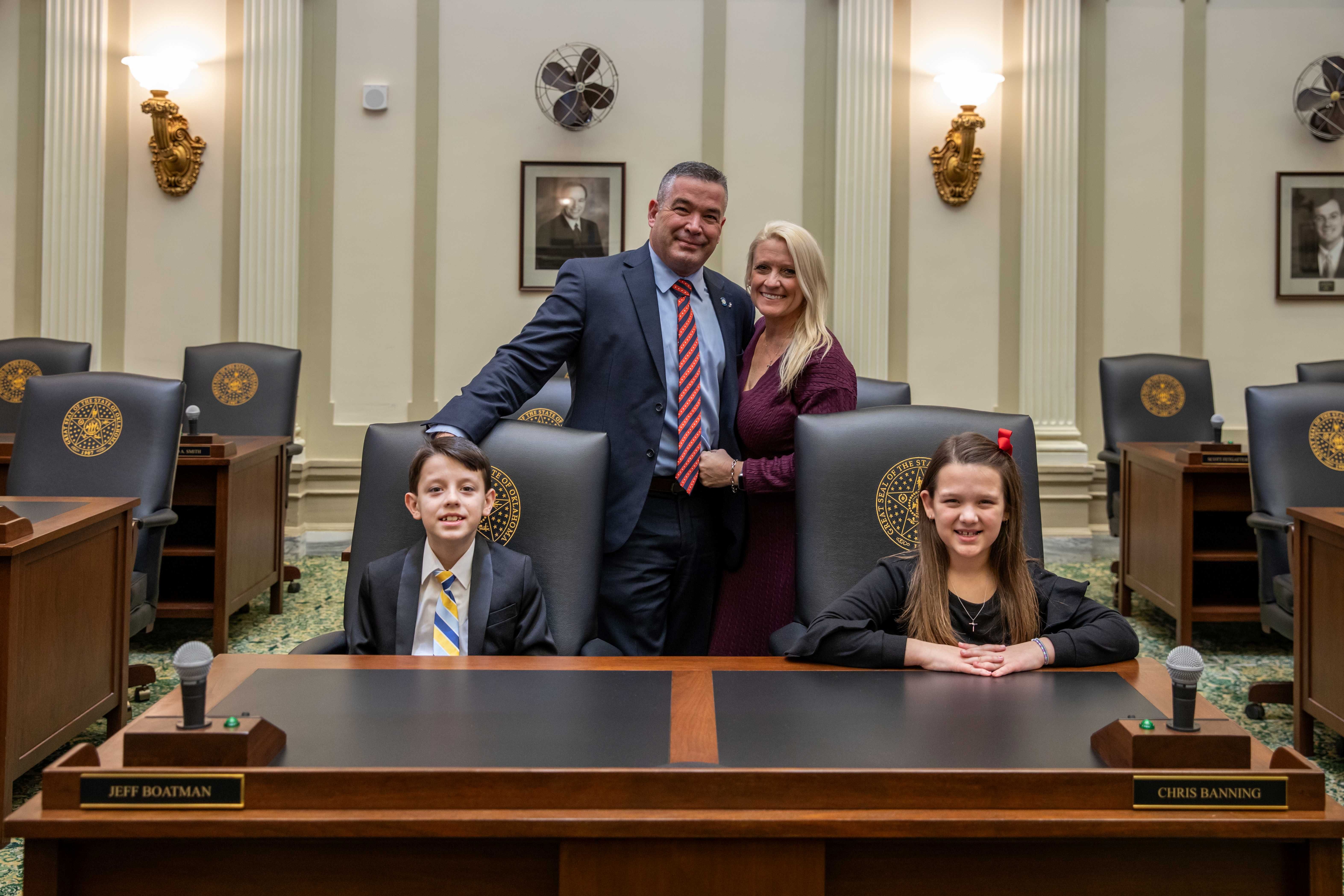
An Oklahoma lawmaker has introduced a bill seeking to implement a state standard for deciding what's appropriate for school libraries. And I'm not making this up, his name is Banning. "Rep. Chris Banning, R-Bixby, filed legislation this week prohibiting obscene materials in Oklahoma public school libraries," reads a release on the Oklahoma House of Representatives' website. "House Bill 2978 would update state law governing school library media programs by prohibiting the acquisition of materials that meet Oklahoma’s legal definition of obscenity."
According to Banning's Wikipedia page, in 2024 he backed then superintendent Ryan Walter's attacks on the American Library Association." But Oklahoma's legal definition of obscenity appears to be properly grounded in the Miller Test laid out by the Supreme Court, which the ALA supports.
New Mexico Introduces a Freedom-to-Read Bill
Source New Mexico reports that New Mexico has introduced a freedom-to-read bill. "State Rep. Kathleen Cates (D-Rio Rancho) pre-filed House Bill 26 last week, which, along with prohibiting book banning, would also require publicly run libraries to establish a procedure for people to challenge library materials 'believed to be obscene, unlawful or incompatible with the library’s purpose;' prohibit retaliation against library employees; and would make public libraries ineligible for state funding if they do not follow state law,' the report notes."
Cates told Source New Mexico that H.B. 26 is “almost identical” to a similar bill she sponsored last year, which failed to advance. The outlet also reported that for the bill to be considered at this time, the governor would have to "explicitly include the issue in her 'call' for the session starting Jan. 20, which is otherwise limited to budgetary matters."
Maine Abandons Proposal for New Public Library Standards
 Judith Meyer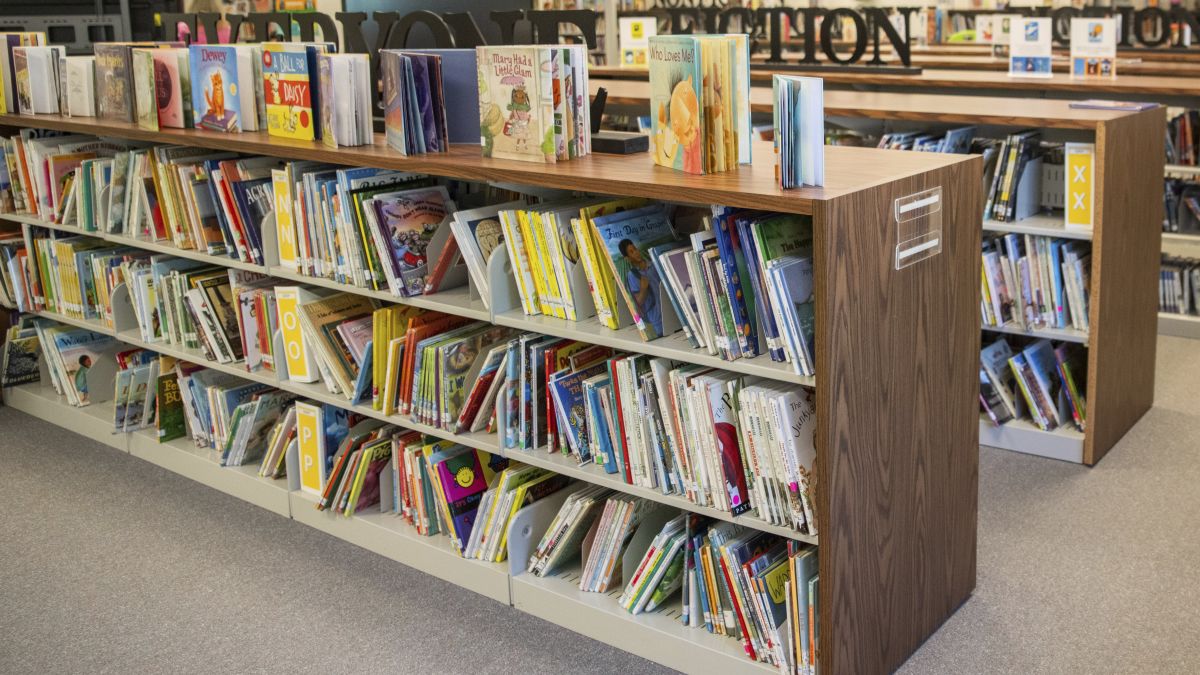
The Maine Monitor reports that the Maine Library Commission has abandoned a proposed agreement that would have set new requirements for public libraries in the state in order to participate in statewide services. "Several months ago, the state’s public libraries were told they would have to sign the Maine Regional Library System Public Library Agreement to Participate by Jan. 1 and conform to a new definition of a public library to continue receiving the services. The definition would have required all libraries to employ paid directors and be open at least 12 hours a week—standards that many of Maine’s smallest rural libraries said they could not meet."
That proposal drew pushback from rural libraries, however, who often rely on volunteer help. The Monitor reports that "the attorney general’s office has since recommended that the commission consider using a rulemaking process" to establish the criteria for libraries "to receive certain statewide services through the Maine State Library."
How to Defend the Right to Read in 2026
 Kelly Jensen
Over at Book Riot, Kelly Jensen leads off her must-read weekly censorship news column with a list of 60-plus "small tasks" you can do to defend the right to read. "Rather than offer a traditional 'how to fight book bans in 2026' guide, I’ve compiled a massive list of ideas for things you can do not only effectively to fight against book censorship but that also will increase your own knowledge, vocabulary, and fluency in the world of censorship as it is right now."
A More "Assertive" Approach to Funding Libraries?
 Contributing Writer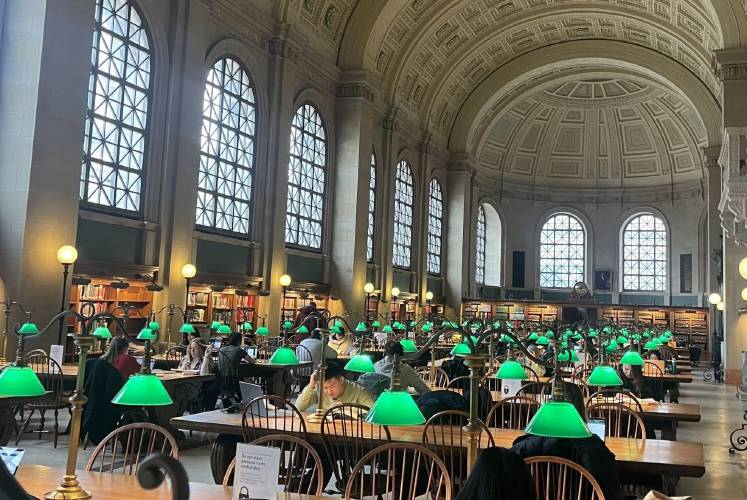
There are no shortage of headlines about stressed library budgets these days, especially as the future of federal funding remains very much in flux. But in Massachusetts, the Statehouse News Service has an interesting report about library leaders warning public officials that libraries are "being treated as budget leverage" and insisting that has to change.
"The warning came Tuesday during a Massachusetts Board of Library Commissioners strategic planning session at the Boston Public Library’s Central Branch, where librarians urged a more assertive approach to funding, both on Beacon Hill and in city and town halls," the report states. "Worcester Public Library Executive Director Jason Homer said municipal officials view libraries as effective rallying points for voters—institutions whose popularity can help drive support for tax increases. Homer argued this turns libraries into bargaining chips rather than essential municipal services and asked for help from the board in reframing debates so that libraries are considered non-negotiable infrastructure."
More Coverage of the Fallout from Baker & Taylor's Collapse
 Jim Milliot |
With Baker & Taylor's final days now approaching after the company collapsed last year, plenty of headlines this week on the fallout. Over at Publishers Weekly, Jim Milliot reports the GA Group, which is overseeing the liquidation of Baker & Taylor's assets, is seeking bids on the company's remaining inventory, which includes "465,208 books for sale that have a total list price of $7,842,474," including books "ranging from the Big Five to self-published authors" and "a large number of titles from B&T's publishing arm, Paw Prints Publishing."
 Gina Gagliano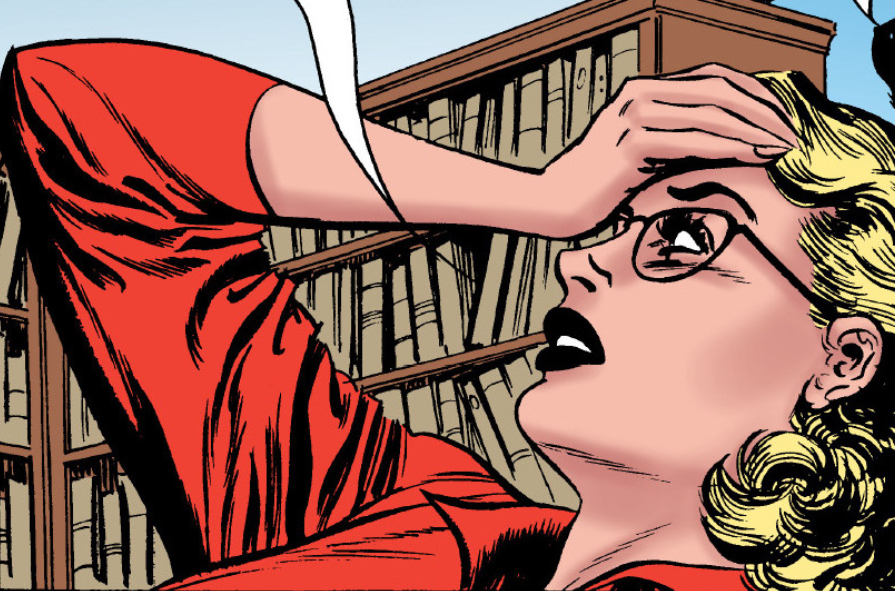
The Comics Journal has a lengthy piece on how Baker & Taylor's demise is being felt in the comics world. "The company has been the biggest distributor of print books to public libraries around the country—and since many libraries use only a single distributor, B&T's closing leaves a lot of librarians without any way to order books."
NPR also has a piece on B&T's collapse, including quotes from the well known library marketplace expert Marshall Breeding. "This comes at a really bad time for public libraries," Breeding said of the company's demise, citing funding pressures and the high costs of library ebooks. "And now they have to deal with [finding] new ways to buy their books. So, yeah, this is a hard time to be a public librarian."
And Finally This Week...
 Erin L. Cox
As many of you may have seen, I am not only reporting the news this week but making some of my own: I have joined my partner and Words & Money publisher Erin Cox at the global publishing newsletter Publishing Perspectives, as Editor-in-Chief. Erin is also the publisher for both publications.
I'll just add a quick note to the announcement, which is to emphasize that I remain fully committed to Words & Money. These two roles serve a common mission, which is to share news and perspectives about the book business, including libraries, and I am excited to work with both platforms to explore the challenges and opportunities facing the global book business today.
Unfortunately, as many of you know, the appointment comes under difficult circumstances, following the unexpected death of longtime Publishing Perspectives editor Porter Anderson in November. Porter was a singular figure in publishing media, and he will be greatly missed.
I also want to take this opportunity to thank you for your support for Words & Money, which has grown tremendously since our first newsletter in April 2025. I'm looking forward to expanding Words & Money in 2026, and to helping guide the next chapter of Publishing Perspectives alongside Erin Cox and the excellent team in place there. Please, if you have any questions or comments, or if you want to pitch me stories for either (or both) platforms, email me at andrew@wordsandmoney.com.