The Words & Money Weekly Newsletter: August 21, 2026

Thank you for supporting Words & Money and helping to establish an independent media venture that aims to properly center libraries in the 21st century reading, writing, and publishing enterprises. If you're already a subscriber, thank you, and we encourage you to please share this newsletter with your friends and colleagues and ask them to subscribe as well. And if you can, consider supporting us with a premium subscription for just $45 annually.
We're in the final weeks of summer, so another abbreviated newsletter this week, although there is still plenty of news to share. Among the headlines in our weekly media roundup, The Queue: at a press conference this week, Texas Lt. Governor Dan Patrick revealed the lie behind the ongoing attacks on libraries and the freedom to read; voters in Florida appear to be turning away from the culture wars; cuts in state funding are hurting Ohio libraries; North Carolina libraries are struggling with digital lending costs; and in an interview about her new memoir, Behind the Desk at the Main, Dorothy Lazard reveals why librarians are like 'old school' DJs.
The Queue: Library News for the Week Ending August 21, 2026
'We're Coming for the Books'
Since 2021, the ongoing surge in attacks on libraries and the freedom to read has been steeped in a narrative about "parental rights." But, as observers have rightly pointed out over the years, the parental rights argument has always been a fig leaf for a right wing effort to erase people and ideas they don't like from schools and from library shelves. And this week, in Texas, came a stark reminder that the "parental rights" argument is and has always been a lie.
 Steven Ardary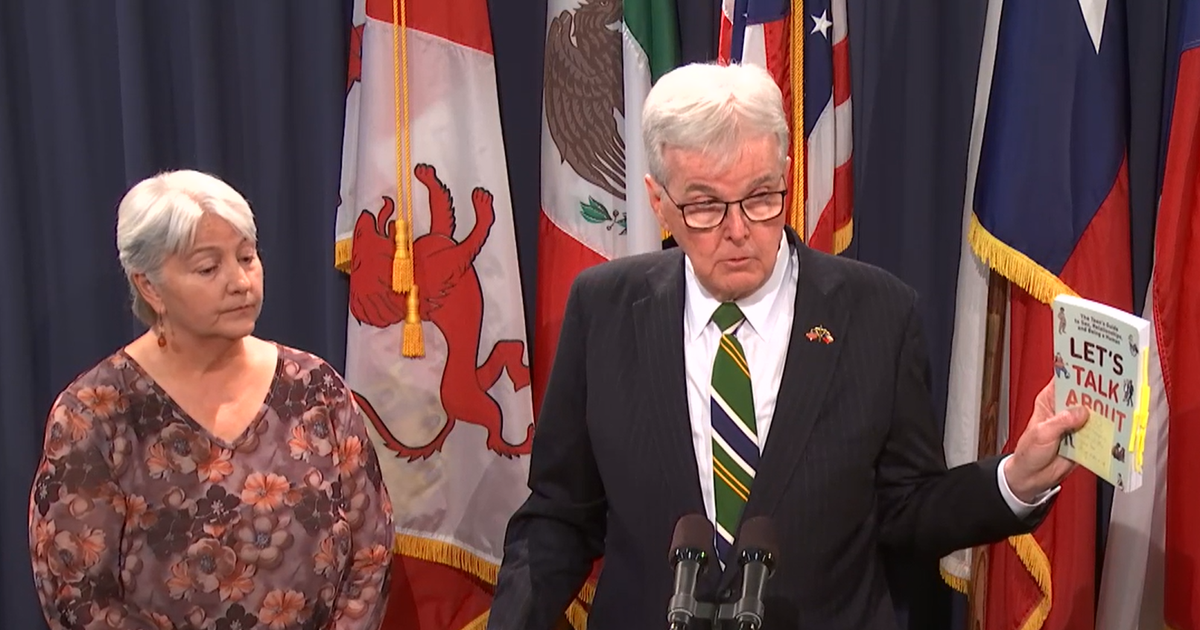
In June 2025, Texas enacted S.B. 13, a bill that, among its provisions, effectively stripped librarians and educators of their roles in choosing books for school libraries, handing that power to local elected officials and parent advisory groups. Now, a year later, it appears that these newly empowered parents are not banning enough books to satisfy state leaders (though, to be clear, they are banning a lot of books). And at a press conference this week, held with right wing activist Bonnie Wallace, Texas Lt. Governor Dan Patrick threatened local officials: ban more books, or face the consequences.
"Patrick, in a news conference Wednesday morning, claimed that 80% of school districts in the Lone Star State were not complying with Senate Bill 13," reports Fox 7 Austin. Citing a list of some 2,200 titles prepared by Wallace, Patrick warned Texas schools to remove these books from library shelves, or face new legislation that could pave the way for state intervention, or possibly threaten a school's funding. At the presser (which you can watch in full here) Patrick and Wallace played the hits: they attacked the American Library Association, and singled out passages from offending titles, which he characterized as part of a left wing conspiracy to "disrupt families."

Let's be clear: in passing S.B. 13, Texas politicians gave parents and local officials immense, unprecedented power over school library collections. But now that these parents are apparently making choices that aren't extreme enough for the state, Patrick is warning that if Texas schools don't comply with the demands of a right wing activist, the state will force them to. So much for the illusion of parental rights.
In a strongly-worded response this week, The Texas Freedom to Reach Project warned that Patrick's threats will lead to more censorship, and urged voters in the state to push back in November.
"These attacks on the freedom to read have always been about limiting access to information and silencing ideas that don't fit the narrow worldview these groups want to force on everyone else," the statement reads. "Dan Patrick and these activist groups have already passed laws (S.B. 13 and H.B. 900) attempting to control reading and restrict access to ideas in Texas schools. What they discovered is that when given local control, Texas parents and communities don’t want to ban books or limit their children’s education."
In a deep dive over at Book Riot, Kelly Jensen, who has been closely covering the pernicious wave of book bans via her weekly censorship news column since 2021, agreed that voters must make their voices heard.
 Kelly Jensen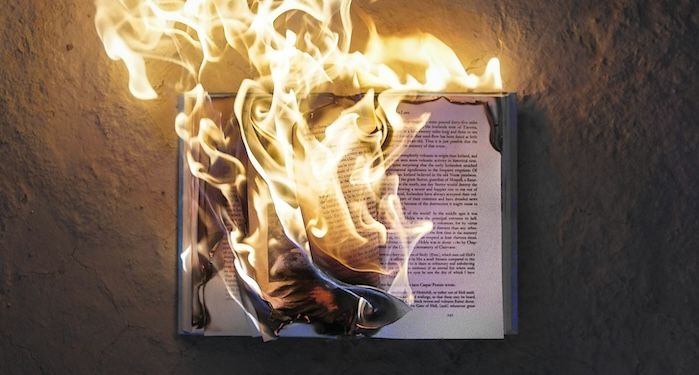
"This isn’t about local control. It’s about Republican control of anything and everything, down to local availability of books," Jensen writes. "But as voters have shown in other states across the country, including in this week’s Florida school board elections, book banning isn’t the winning issue that far-right politicians continue to think that it is."
Meanwhile, Patrick's threats come as state lawyers are preparing for another trip to the U.S. Court of Appeals for the Fifth Circuit, once again seeking to overturn a block on a controversial provision of a 2023 state law, H.B. 900, which, if enacted would force booksellers to rate all books (including books previously sold) for sexual content as a condition of selling to Texas schools. The closely-watched appeal is now fully briefed, but due to attorney schedules oral argument is not expected to happen until after the November elections. Watch this space.
Despite Turning Point USA Complaints, Texas School Votes to Keep Challenged Books in High School Libraries
 Chelsea Collinsworth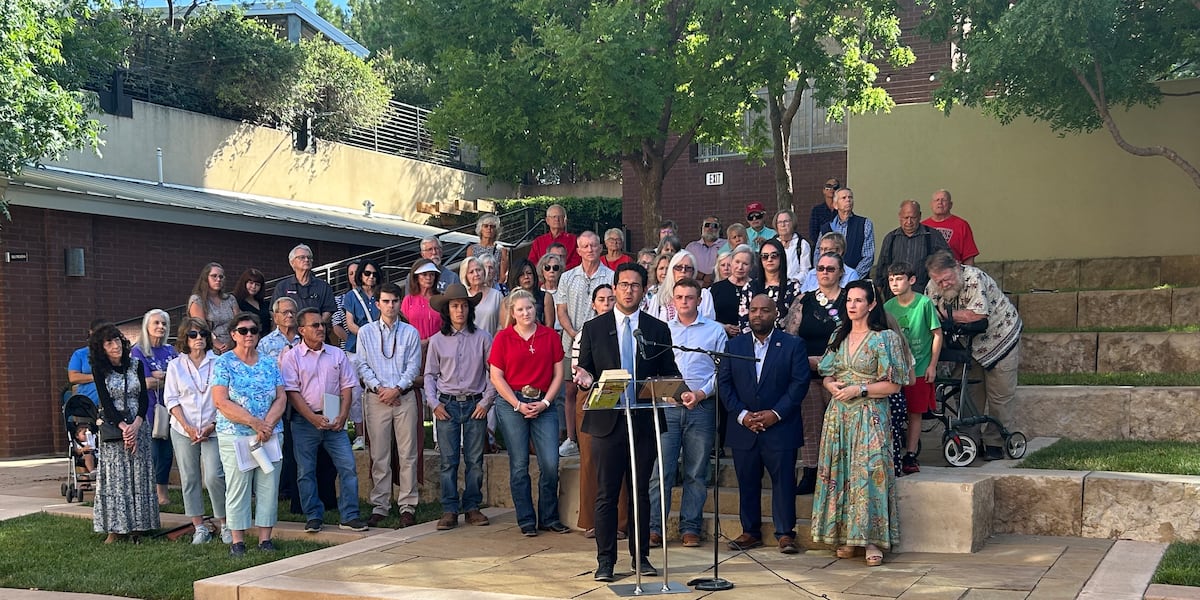
Local affiliate KCBD reports this week that conservative activists from Turning Point USA were among those urging the Lubbock Independent School District in Texas to ban a list of books from the school's libraries at a board meeting this week. "If a passage is about rape or forced sexual acts, how could that book be considered acceptable, even if the rest of the book is good. I just find that completely unacceptable,” Stephen Lara, with Turning Point USA of Lubbock, told reporters, reiterating the argument that the group's list of challenged books likely violated Texas law S.B. 13.
But, as the right-leaning Texas Scorecard reports, the board subsequently voted to remove several books challenged by the group from middle school libraries to keep them on high school shelves, including: Me and Earl and the Dying Girl by Jesse Andrews; Heroine by Mindy McGinnis; Kingdom of Ash by Sarah J. Maas; Lighter Than My Shadow by Katie Green; Lady Midnight and Lord of Shadows by Cassandra Clare, The Lovely Bones by Alice Sebold; and The Female of the Species by Mindy McGinnis.
"This action by the Lubbock ISD board of trustees follows Lt. Gov. Dan Patrick’s warning for school districts to 'be aware' that if they continue to refuse to remove explicit books before the next legislative session, lawmakers could pass legislation to drop the school district’s letter accountability rating down one," the report noted.
Is the Political Tide Turning Against Book Banners in Florida?
 Brittany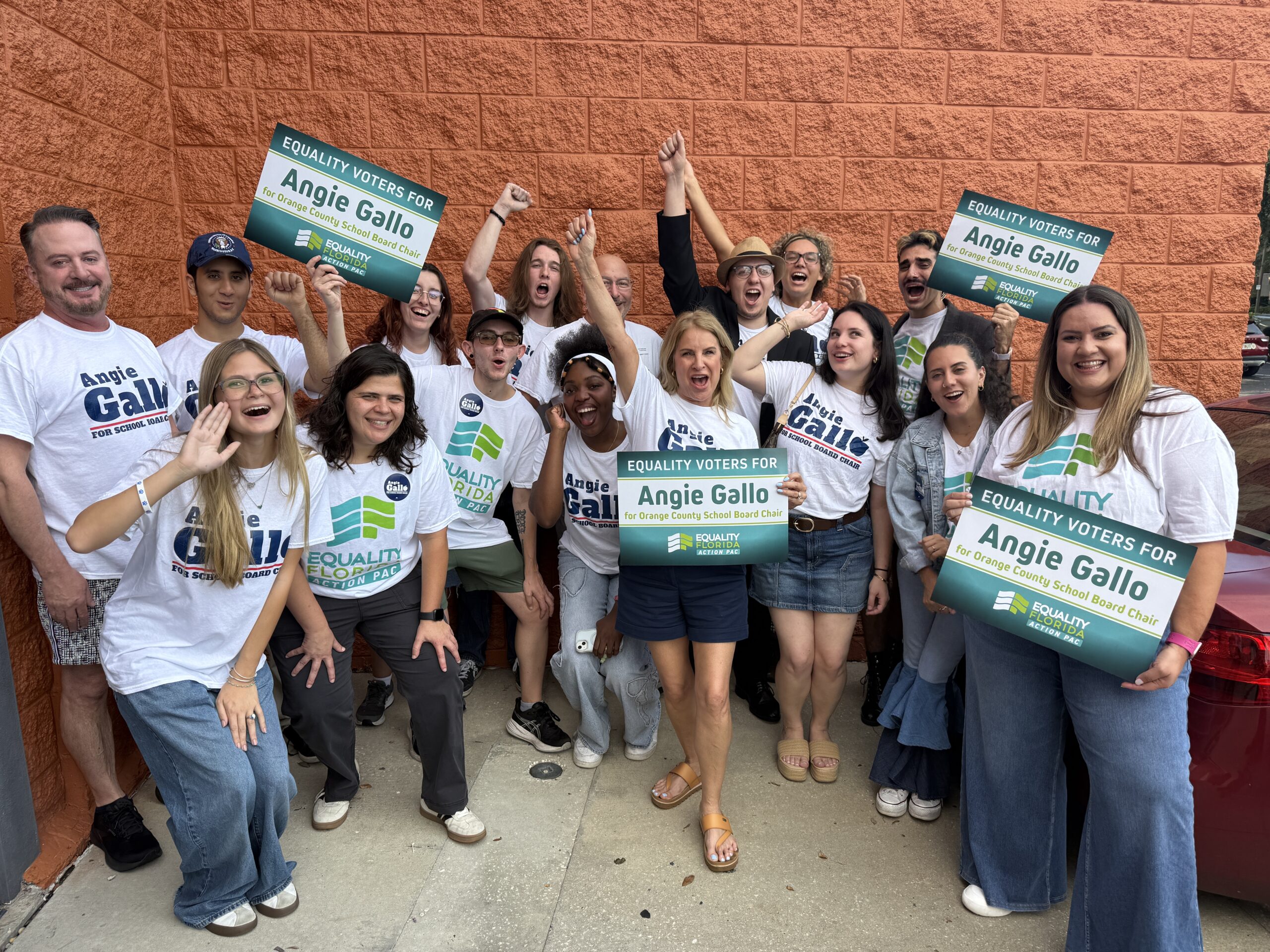
Several media outlets this week, including the Washington Post, are reporting on what appears to be a rebuke of culture war politics in Florida after this week's primary elections—including in Sarasota County, where Republicans outnumber Democrats by a 2-1 margin. “Four years after Gov. Ron DeSantis put his political operation behind a conservative takeover of the Sarasota County School Board, voters have broken that majority apart,” reports Florida Politics. “The results guarantee a different balance of power on a Board that has spent much of the past four years at the center of Florida’s fights over education, parental rights and culture-war politics.”
In a release this week, political action group Equality Florida touted the results. "Moms For Liberty is in free fall. Communities are fighting back against book bans, curriculum censorship, and the whitewashing of history," said Joe Saunders, Executive Director of Equality Florida Action PAC, suggesting that voter "outrage" over the right wing "hijacking of school boards to advance an extremist political agenda" has finally reached a boiling point. That, of course, remains to be seen. “Every couple of years someone in the media writes our obituary, and every couple of years parents show up and prove them wrong,” Tina Descovich, Moms for Liberty co-founder and chief executive, told the Washington Post.
Will Voters in Ohio Respond to Library Cuts?
On Cleveland.com's popular Today in Ohio podcast, hosts Chris Quinn and Laura Johnston offered a harsh assessment of the state's recent cuts to libraries. “We’re going to see more cuts to programs, whether that means shortened hours, less staff, or just the services they provide are going to shrink,” Johnston said, noting that large systems including Cleveland Public Library, Cuyahoga County Public Library, and Toledo-Lucas County Public Library are looking at roughly "$2 million less this year compared with 2025."
Meanwhile, Quinn and Johnston said the cuts appear to be motivated by an ideological antipathy to libraries, and questioned whether politicians could pay a price at the ballot box. “I would think that some people might cast votes based on the library issue,” Quinn said. He added that Ohio’s previous funding approach "helped create some of the best libraries in the country," and suggested that service losses will continue "unless voters elect lawmakers" willing to restore library funding.
State 'Censorship' Officer? Alabama Might Not Fill Position Designed to 'Help' Librarians Comply with New Content Rules
 Ralph Chapoco
The Alabama Reflector reports that Alabama Public Library Service staff have advised the agency's board against filling a position that was created to help libraries comply with controversial new content rules, arguing that the position is unnecessary. And according to the report, freedom to read advocacy group Read Freely Alabama, citing how the position is likely to be used, agreed. “Board member Amy Minton admitted that she intends for the ‘sole job’ of the assistant director to be to identify individual books libraries would be forced to censor or lose their state funding,” the organization said in a statement. “This creates a state censorship officer, and expands inappropriate state control over local libraries.”
Arkansas Officials Revise Proposal to Bar Sexually Explicit Content in Libraries, Seek New Round of Public Comment
 Tess Vrbin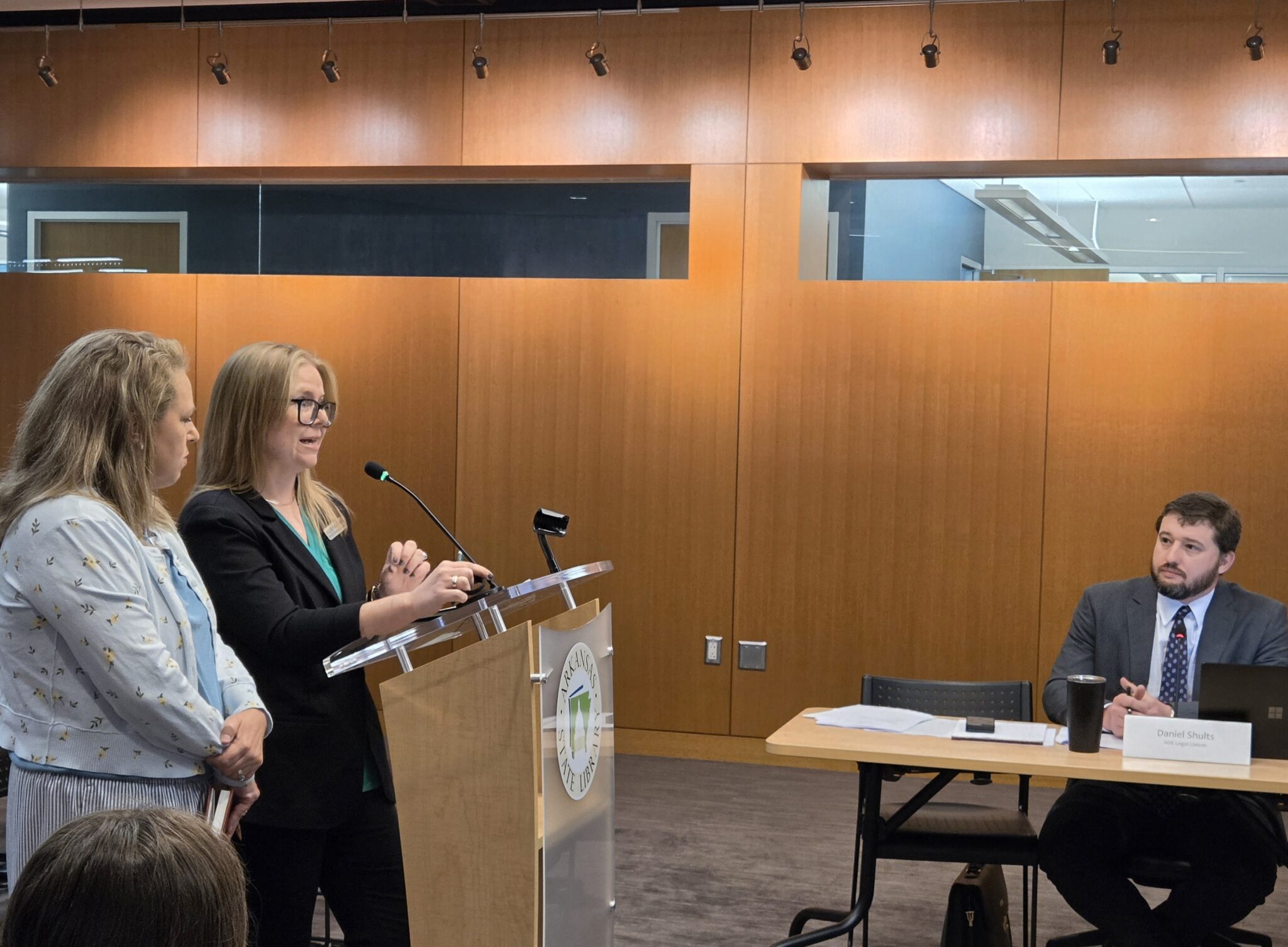
As Words & Money shared last week, the Arkansas State Library Board was set to consider new rules on August 14 that would limit access to “sexually explicit” materials in libraries. This week, Tess Vrbin at the Arkansas Advocate reports that the commission has revised its original proposal over concerns that the rules "could unfairly punish libraries that accidentally place restricted books on shelves." The public will now have until Sept. 13 to submit comments.
"The previous version of the rules required libraries to 'ensure the appropriate placement of sexually explicit materials.' The version updated by the Arkansas State Library Board at its [August 14] meeting replaces 'ensure' with 'take all reasonable steps,' a suggestion from Education Department attorney Daniel Shults," the article notes. Still pretty vague. As Vrbin reports, in previous public comments Arkansans overwhelmingly opposed the new rules, which would condition public library funding on keeping books with sexual content away from those 16 and under.
Utah Bans Another Title from School Libraries Statewide Under New Law

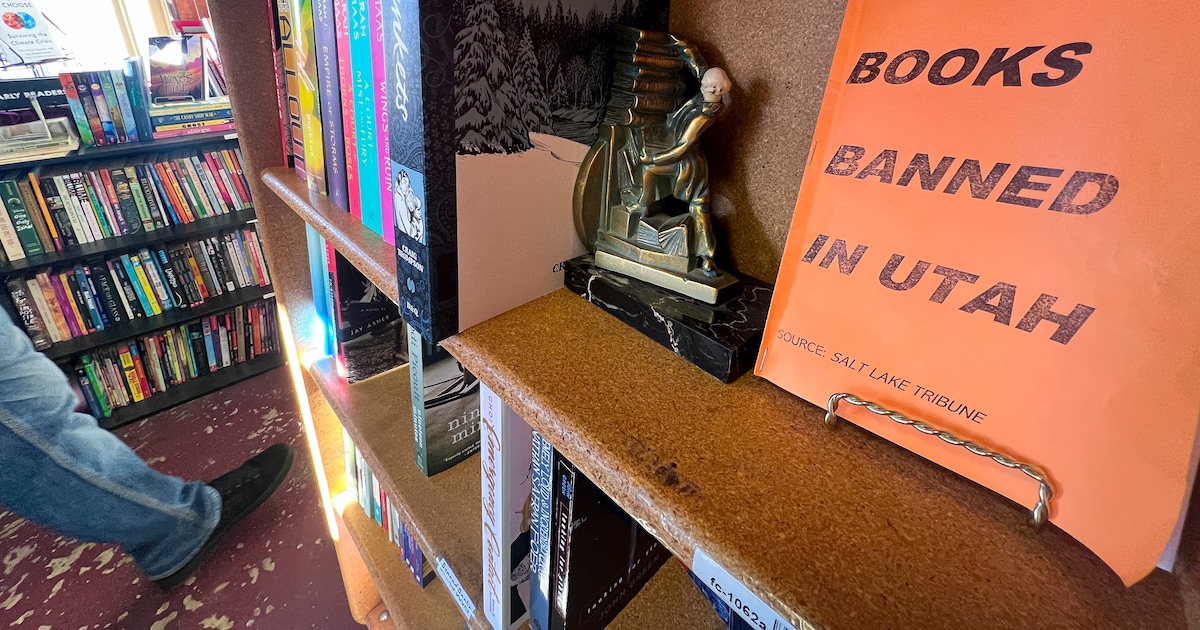
The Salt Lake Tribune reports that the list of titles prohibited in Utah public schools has risen to 37 under a 2024 state law that requires a book be removed from all public schools in the state if at least three school districts determine it contains "sensitive" material. "Utah’s first book ban of the new school year is in," the report notes, and it is Push, by Sapphire, which was banned statewide this week after "the Davis, Granite and Washington County school districts removed it." The book was made into the 2009 movie Precious.
More on Prison Censorship...
 Kelly Jensen
Over at Book Riot, Kelly Jensen leads off her weekly censorship news column with part two of a three-part series on prison censorship by writer and librarian Aaron Blumberg.
National Book Foundation Awards Literary Prize Judged by Incarcerated People
 Colin McDonald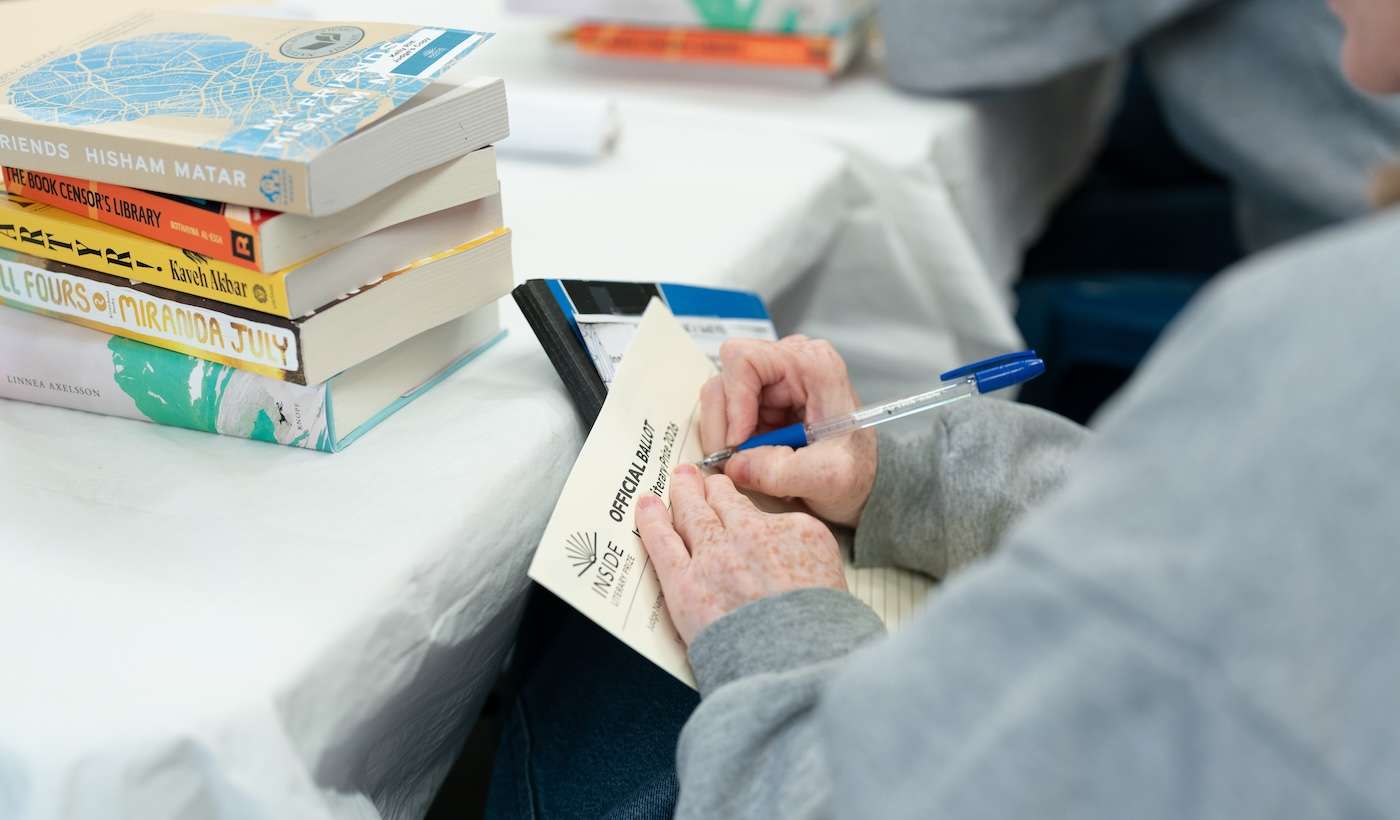
This week, the National Book Foundation announced that its Inside Literary Prize, "the first and only US-based literary award judged exclusively by incarcerated people," was awarded to The Book Censor’s Library by Bothayna Al-Essa, translated from the Arabic by Ranya Abdelrahman and Sawad Hussain. The book was also a finalist for the 2024 National Book Award for Translated Literature.
"The Inside Literary Prize celebrates the power of literature by amplifying the insight, humanity, and voices of readers living in prison confinement," the release states. "This year, nearly 200 incarcerated judges participated in the selection process, with over 1,650 books distributed across eleven correctional facilities in Illinois, Maine, Maryland, Massachusetts, Minnesota, and Washington." The prize will be presented at The New York Public Library on Thursday, September 3, 2026, with the celebration emceed by incarcerated judges through recorded video messages."
In a Familiar Refrain, North Carolina Libraries Are Struggling with Digital Lending Costs
 Kate Denning
The Carolina Public Press adds yet another voice to the chorus of libraries claiming that library ebook costs are unsustainable. Wake County Public Libraries director Dan Brooks told reporters that just keeping up with expiring titles and purchasing additional copies to address holds "takes up about 75%" of the library's weekly spending, "leaving around 25% of the budget for new titles." Harold Escalante, Charlotte Mecklenburg Library’s Assistant Director of Collections and Access, agreed, saying the challenge of keeping ebooks and audiobooks available "is always going to be the increasing cost of digital licenses."
Urban Libraries Council Executive Director Brooks Rainwater also weighed in. “The only way that you can solve this is either to get better usage terms, better contract terms, rethinking the way that we have our relationships with the Big Five publishers in particular, or if local governments want to spend more money on e-books," Rainwater said, "and, to me, it feels like the amount we are spending now is more than fair. There’s got to be a way that we can meet in the middle.”
'Heated Rivalry' Author Throws Lifeline to Nova Scotia Libraries
 Sean Mott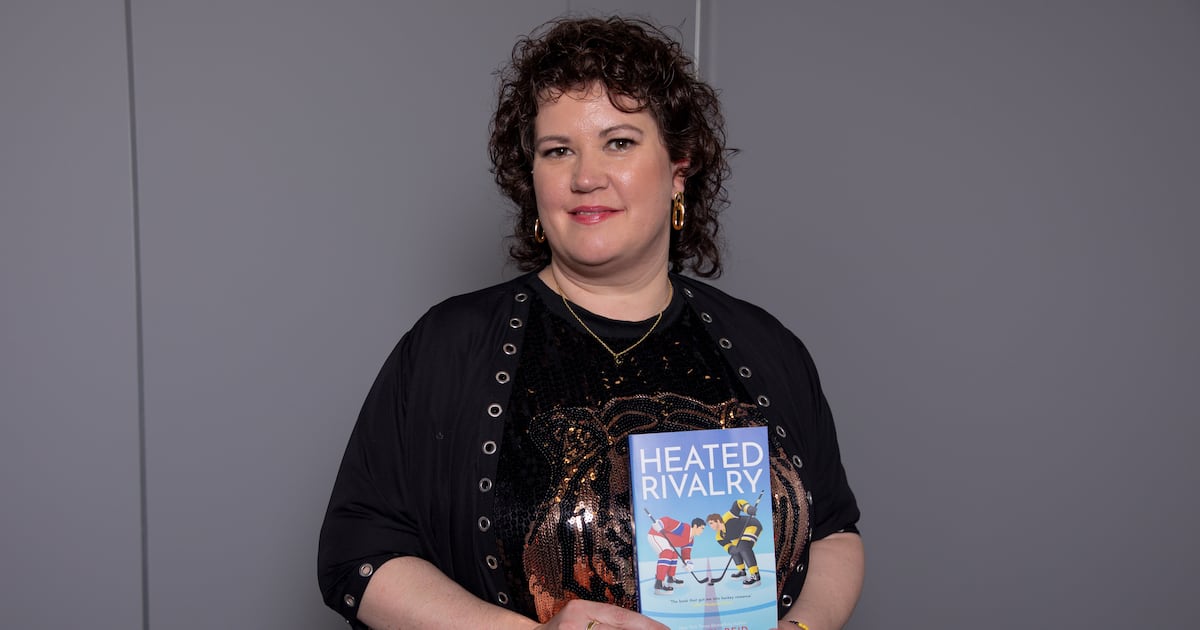
CTVnews reports Rachel Reid, author of the popular “Heated Rivalry” series, has donated $300,000 to save several Nova Scotia libraries from potential closure. “I credit my local library for being a huge part of the reason I’m a published author today,” Reid said in a release. “As essential community cornerstones, libraries provide free resources, information, assistance, and safe spaces to their residents. Nova Scotia governments should be prioritizing libraries, and working to ensure these fundamental branches remain open for their communities.” Grateful library officials said the donation will provide a six-month reprieve, but that the gift does not replace the “critical need” for "stable annual public funding."
Concern for Viral Librarian and 'Reading Rainbow' Mychal Threets
 Brian Niemietz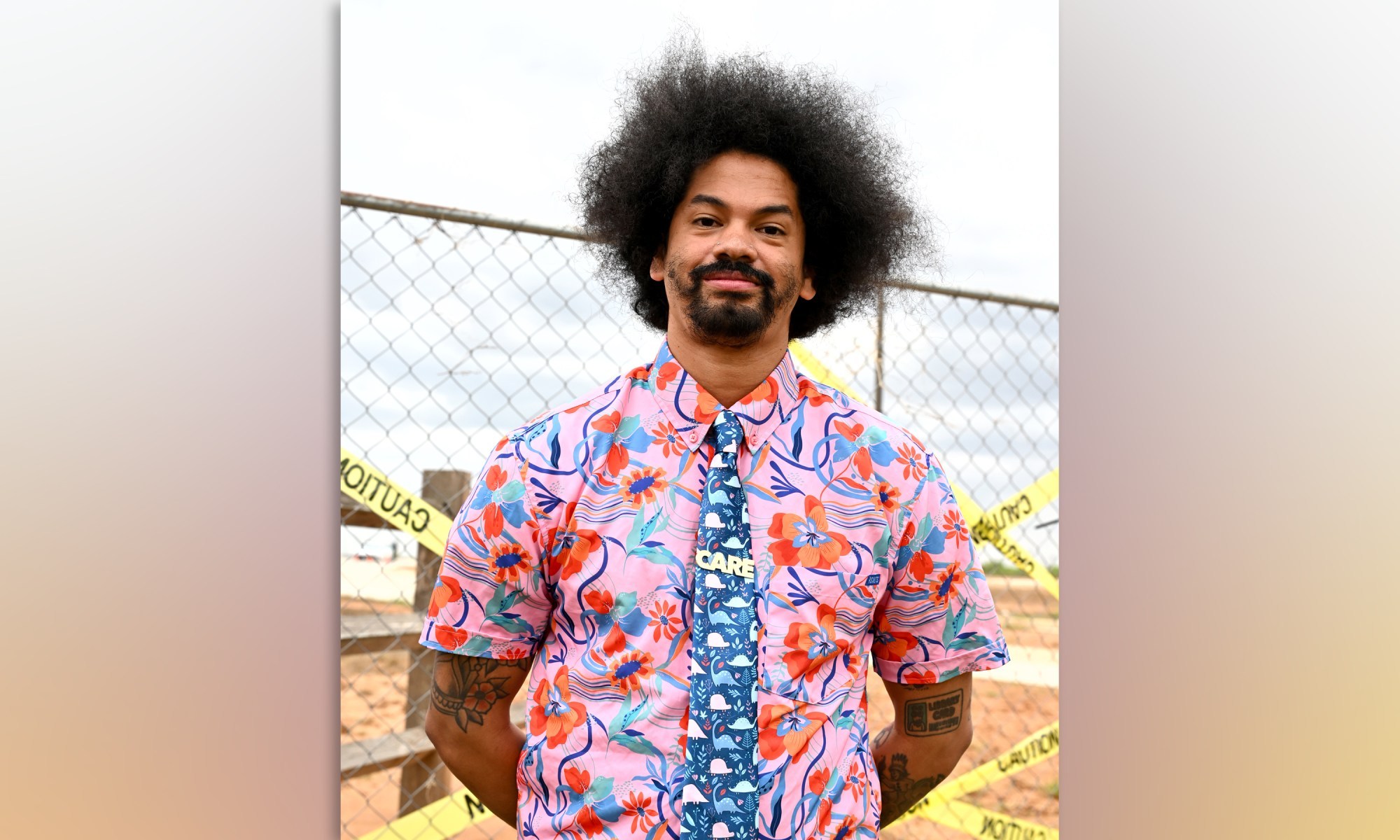
Our hearts are with librarian Mychal Threets this week, as the Mercury News reports that the viral TikTok librarian and host of Reading Rainbow revealed that he was "not okay" and was seeking help in a hospital. "Threets didn’t say what was troubling him, but assured supporters he would get treatment," the report notes. "Fans first grew concerned about Threets’ wellbeing earlier this month when he began a video by telling viewers, 'If today is my last day in the land of the living, I just wanted to say, ‘I love you and I’m proud of you.’”
And Finally This Week...
 Alexis Madrigal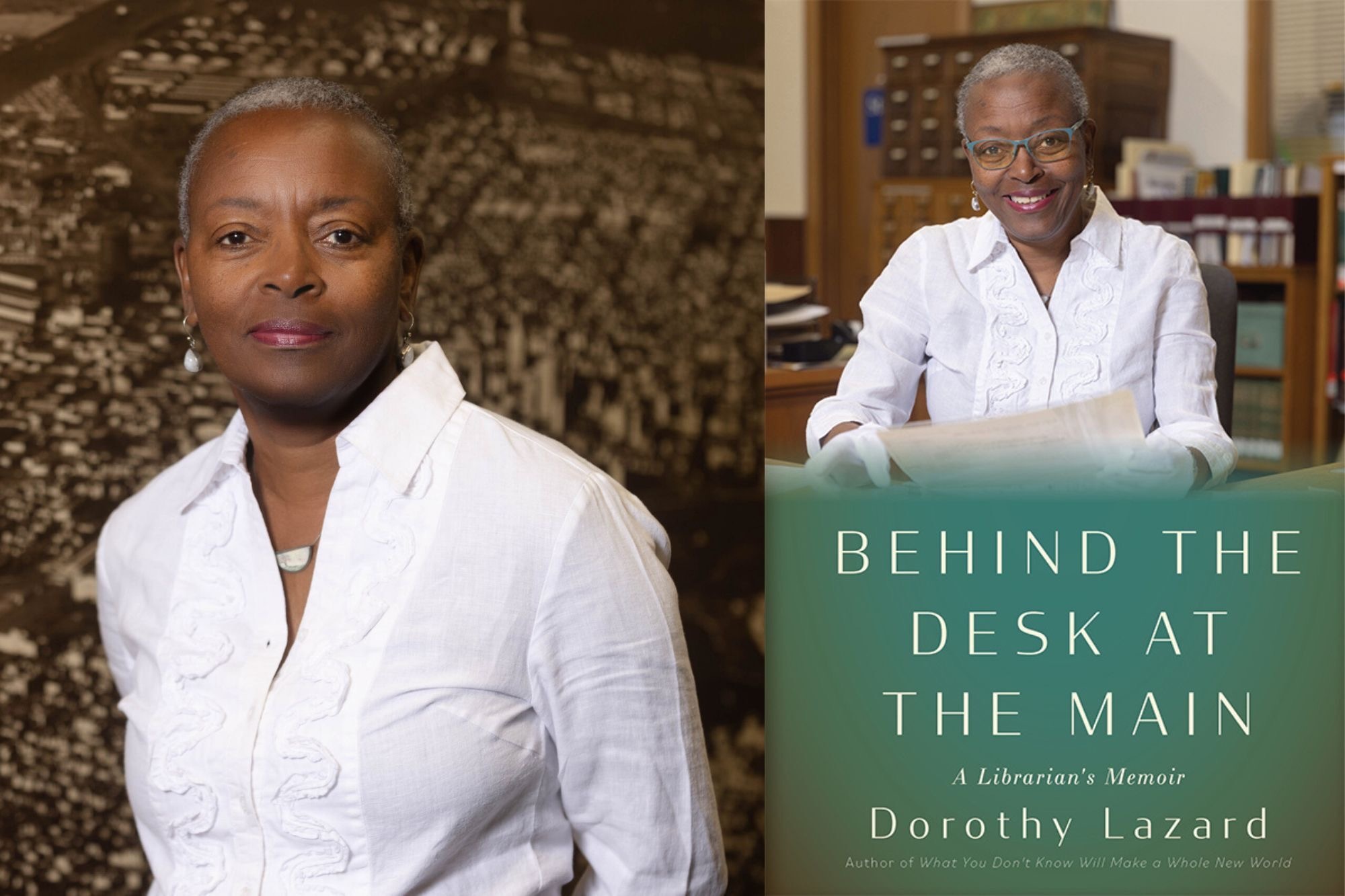
I'm really looking forward to diving into this book: KQED's Alexis Madrigal interviews veteran reference librarian Dorothy Lazard on the publication of her memoir Behind the Desk at the Main. One of the simple questions Madrigal asks really struck me, given the work of book banners in recent years to portray librarians as pushing an agenda: How did you decide what a community needed in its library? Madrigal asks. "Well, the community tells you," Lazard replied. "We’re like old-school DJs. We take requests."