The Words & Money Weekly Newsletter: July 10, 2026

Thank you for supporting Words & Money and helping to establish an independent media venture that aims to properly center libraries in the 21st century reading, writing, and publishing enterprises. If you're already a subscriber, thank you, and we encourage you to please share this newsletter with your friends and colleagues and ask them to subscribe as well. And if you can, consider supporting us with a premium subscription for just $45 annually.
Among the headlines in our weekly media roundup, The Queue: a veteran publishing industry observer kicks off a series of data-driven posts on the state of libraries; The Atlantic explores the decline of reading; Smithsonian Secretary Lonnie G. Bunch III responds to yet another Orwellian White House attack on the institution; and former Library of Congress staffer Roswell Encina writes about his shocking encounter on the Fourth of July. U.K.-based Library advocate Tim Coates weighs in with his first take on the newly released Public Libraries Survey stats from the IMLS. And in a new essay, Open Letter Books founder and publisher Chad W. Post sees the launch of the Literary Arts Foundation not only as a promising a new funding opportunity, but as a chance to rethink how we support serious book culture in the U.S.
In the Latest IMLS Stats, Some Worrying Trends for Libraries Persist
How to Blow $50 Million on the Nonprofit Literary Arts
The Queue: Library News for the Week Ending July 10, 2026
Libraries, by the Numbers
 Personanondata
While U.K.-based library advocate Tim Coates this week offered Words & Money readers his first take on the recently released 2024 Public Libraries Survey Numbers from the IMLS, over at his Substack, PersonaNonData, publishing industry veteran Michael Cairns has launched his own seven-post, data-driven look at the state of libraries.
While Coates has been publishing his take on the IMLS data and public libraries annually since 2020, Cairns aims to cast a wider net with his series of posts, looking at public and academic libraries, and drawing on data from: "the IMLS Public Libraries Survey, NCES Academic Libraries Survey, ARL Statistics, ALA Office for Intellectual Freedom, OCLC, the Pew Research Center, and the U.S. Census Bureau."
 Personanondata
The seven posts, Cairns writes, will cover: "library finances and fiscal structure; community usage and digital access; services and physical spaces; academic library transformation; workforce, technology, and intellectual freedom; and the economics of digital lending in public libraries and the conflict with trade publishers," all of which reveal "a sector that is simultaneously more valued, more pressured, and more structurally vulnerable than at any point in recent memory."
In his first post this week, Cairns writes that U.S. public libraries appear to be well supported, with the IMLS data showing a 25.1% increase in nominal funding over 10 years ($14.78 billion in FY 2023, up from $11.82 billion in FY 2014). However, the funding increase lags behind the cumulative CPI over the same period (estimated at 30%–32%), meaning that "real purchasing power" has eroded, he writes, leaving libraries "running faster to stay in the same place, and in some budget categories losing ground."
Cairns also notes an encouraging trend: library ballot measures are succeeding at record levels. But he goes on to note that yoking library funding to property taxes (a point that has taken on new importance as several states look to scale back or eliminate property taxes) may not be stable. "The next 2-year outlook is unsettling," he writes, citing slowing property tax growth and "structural deficits" in several states for the FY 2026–27 budget cycle. Furthermore, "the cost pressure from digital collections is not abating—it is, if anything, accelerating."
In a second post this week, Cairns points to IMLS data showing that, while physical visits and circulations are down over the last decade, digital is growing, which is adding to the stress on libraries.
 Personanondata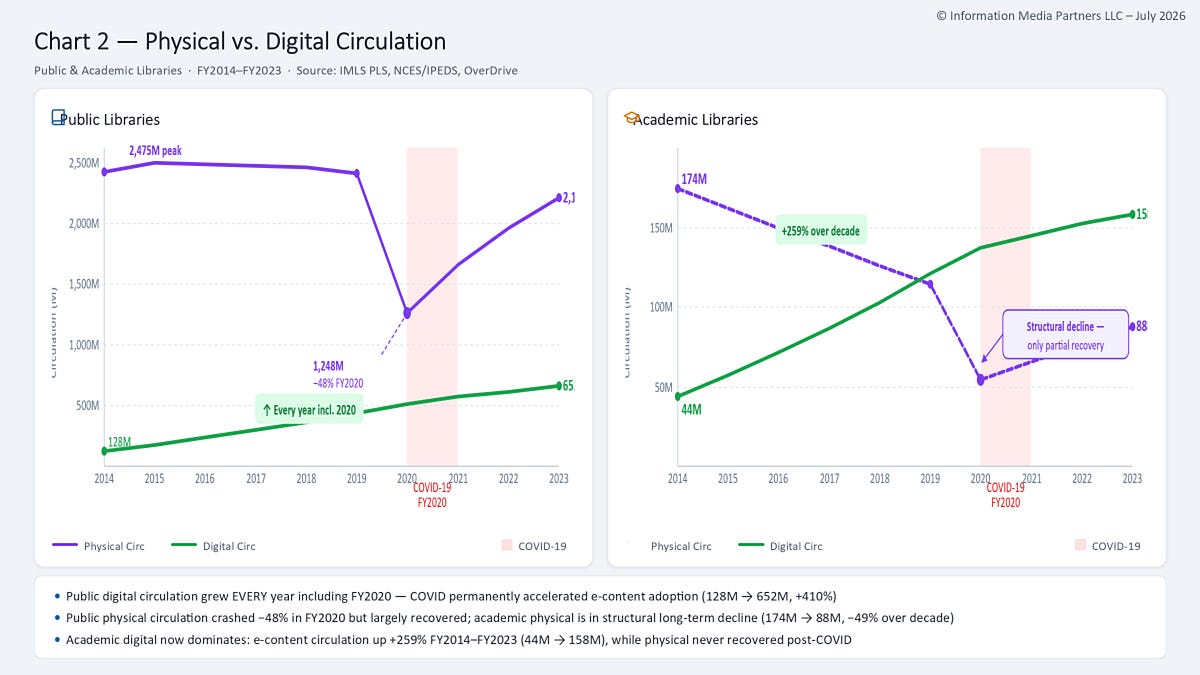
"Public libraries are now front and center in the effort to equalize access to digital infrastructure and online content and their influence is growing," he concludes. "The gap between what the digital equity infrastructure requires and what current funding structures provide is widening. This is a problem worth watching closely, and a gap worth naming explicitly in every advocacy conversation the sector has with Congress and state legislatures."
The Atlantic Says Reading Is Done
 Rose Horowitch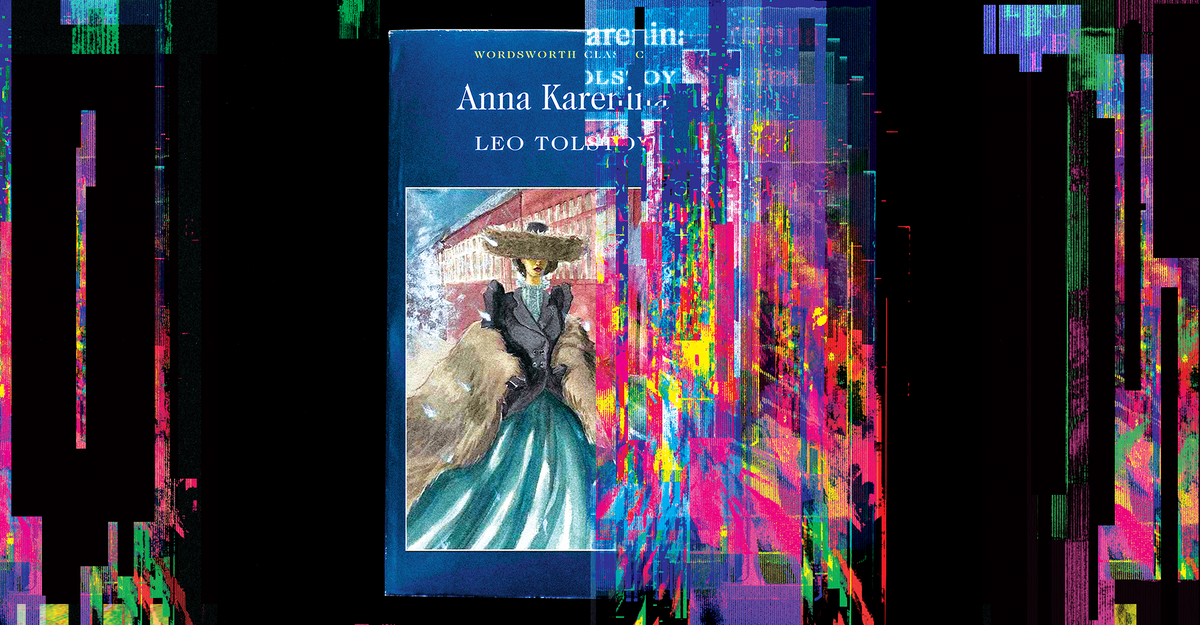
Stop me if you've heard this one before: reading is dead, writes Rose Horowitch at the Atlantic (paywalled, but hopefully the gift link works).
"Books used to be an essential source of knowledge, memory, wisdom, and morality. They were written by older generations and passed down to the young in a vertical transmission of culture, the social psychologist Jonathan Haidt told me. Now information moves horizontally, from young person to young person," Horowitch writes. "The notion of a popular literary figure appearing on the cover of a print newsweekly read by millions of Americans is impossible to imagine today. There is no such figure, and there are no such widely read newsweeklies. Instead, many Americans are proudly postliterate."
First take: for the length of this piece, it doesn't really break any new ground. Still, Horowitch offers a sprawling buffet of demoralizing trends and data to support her core argument that the rise of social media and the prevalence of short video represents the nadir of reading. And it's hard to disagree.
Hachette CEO Weighs in on the Decline of Pleasure Reading
 David Shelley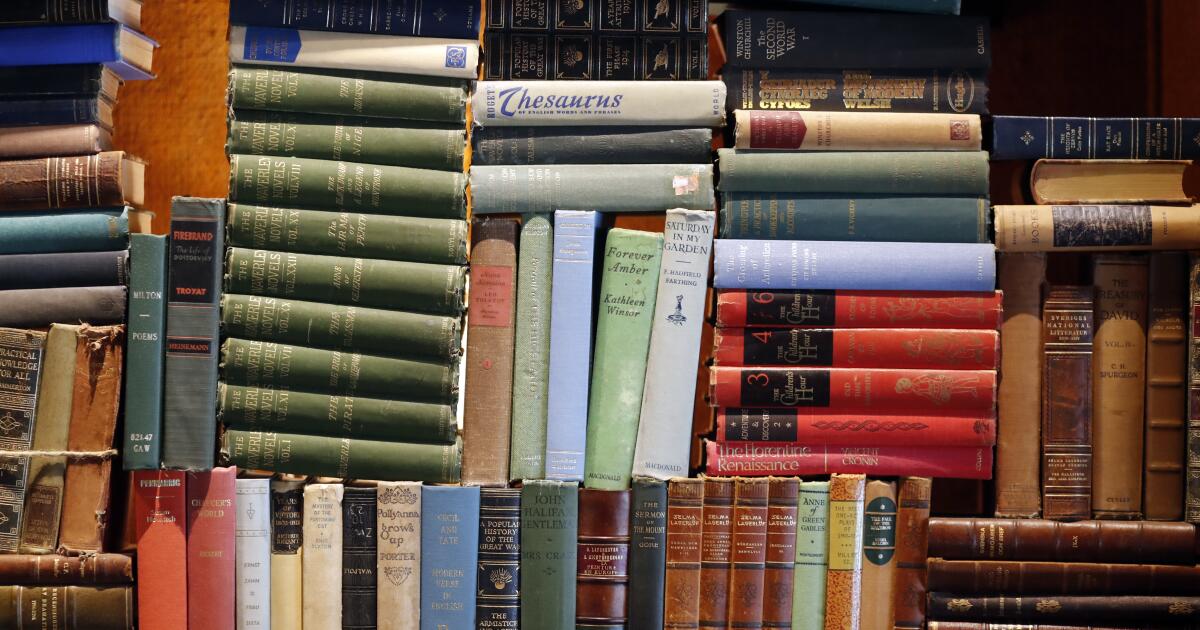
Again, this is paywalled: In the L.A. Times, Hachette Books CEO David Shelley bemoans the dramatic decline in reading for pleasure and ties it the advent of the smartphone. "The statistics for the decline in reading for pleasure are inversely proportional to those that track the number of hours of smartphone usage," Shelley writes, calling the drop in pleasure reading one of the publishing industry's "most significant existential concerns."
Citing the benefits of reading, he urges parents to take up the slack. "Crucially, helping a child to explore the magic of reading is the single most helpful thing any parent or caregiver can do to maximize their chances of future success," he writes.
Smithsonian Leader Pushes Back on Trump Administration Attacks
 Deena Zaru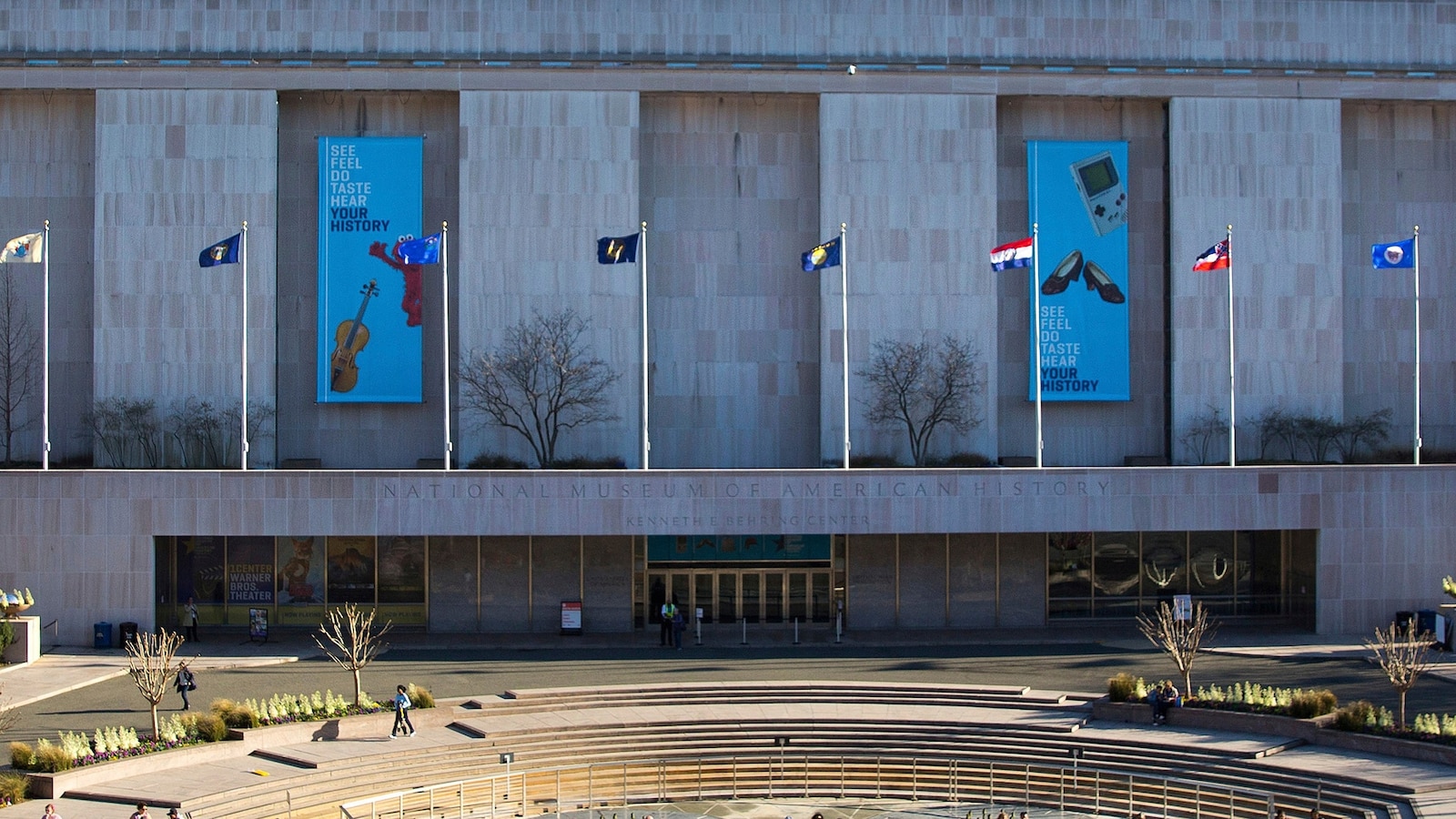
ABC News is among several organizations reporting on Smithsonian Secretary Lonnie G. Bunch III’s letter to staff following a stunning July 4 White House report that criticized the Smithsonian, and specifically the National Museum of American History, alleging anti-conservative, “anti-white” bias and a “radical” rewriting of American history. The White House report doubles down on a Trump executive order, issued in March 2025 under the Orwellian title Restoring Truth and Sanity to American History.
“While there will always be room for improvement, this report is not a fair characterization of the work and totality of the National Museum of American History,” Bunch wrote in his email to staff. “At the Smithsonian, our work is driven by scholarship, accuracy, and an uncompromising commitment to tell the fullness of America’s story. As public servants and the keepers of this institution, we are charged with helping a nation find understanding, hope, and clarity and as part of that duty, we are dedicated to excellence, reflection, and growth."
 Nina Heller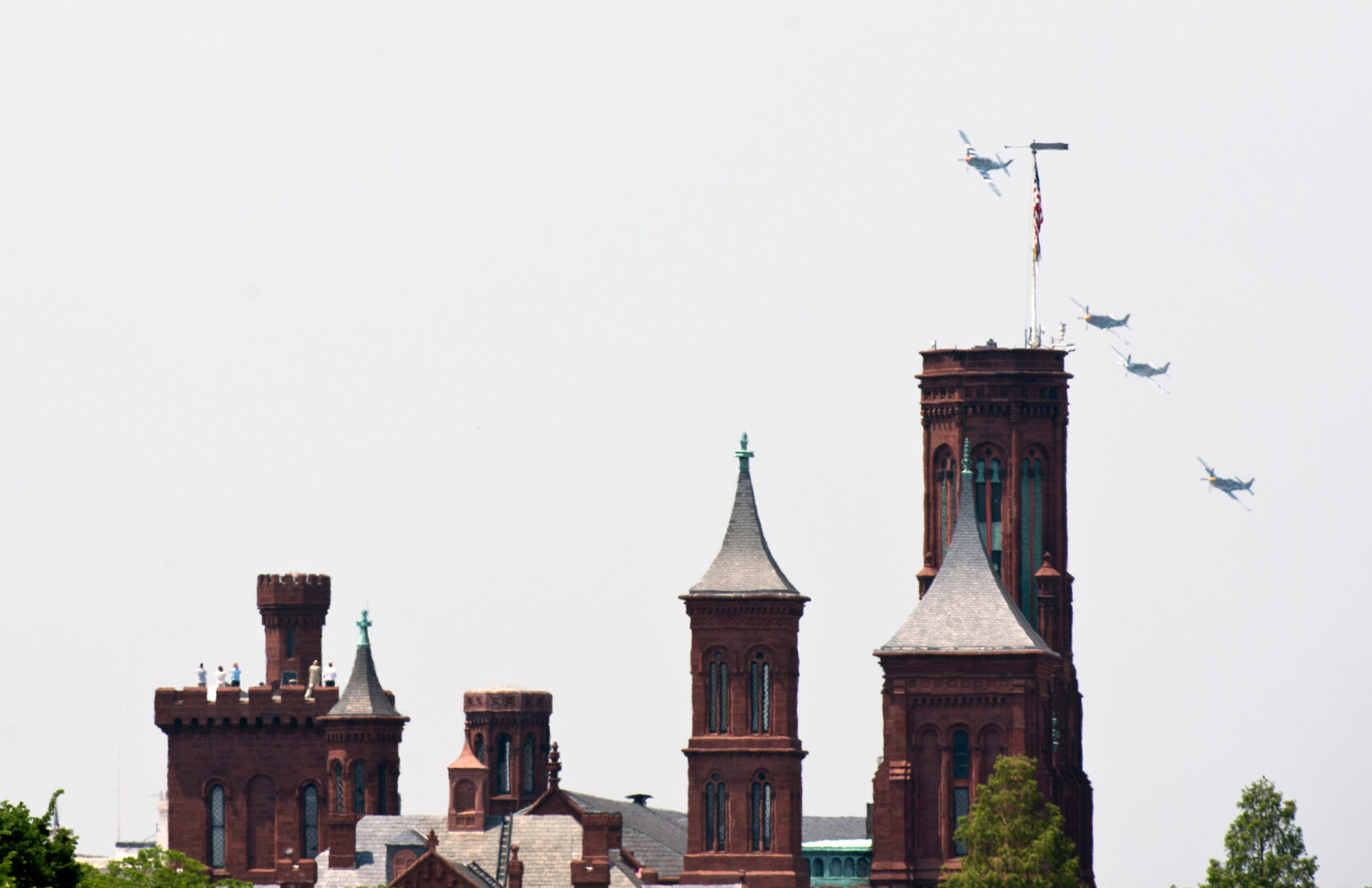
Meanwhile, Roll Call reports that Congress is now grappling with how best to defend the Smithsonian, an independent institution which depends on Congress for much of its funding. "As the White House accuses the Smithsonian Institution of 'ideological capture,' it’s put members of Congress in a tough spot as they weigh what, if anything, they can do," Roll Call reports, adding that many Democrats "are wary of wading into a cultural fight as they try to stick to affordability messaging ahead of the midterms."
Trump Administration Appeals Court Decision That Restored NEH Grants
Elon Musk's catastrophic DOGE efforts officially ended this week, but the effects will continue to linger, including in the courts. After the Authors Guild in May won a decision in federal court ordering the NEH to restore grants effectively canceled by DOGE, news this week that Trump administration has filed an appeal in the Second Circuit. The appeal will not impact the more than 1,400 writers, scholars, and researchers whose awards were restored, but the fight goes on.
Judge Appears Poised to Approve Class in Amazon Lawsuit Alleging Ebook 'Monopolization'
 Employment Authority
Here's a potentially interesting twist in the ebook market: a long-running, longshot consumer class action lawsuit accusing Amazon of monopolization in the ebook market appears poised to move forward after a federal judge this week suggested that he is inclined to approve a sprawling class of ebook buyers. According to Law360, U.S. Magistrate Judge Gabriel Gorenstein told Amazon attorneys that the company may well have defenses to the charges of monopolization, but in terms of winning class approval, the plaintiffs appear to have met their burden.
The case was first filed in the Southern District of New York in January 2021 by Seattle-based firm Hagens Berman—the firm that first sued Apple and five major publishers for colluding to fix e-book prices in 2011. The case initially alleged that the Big Five publishers were co-conspirators in a hub-and-spoke scheme with Amazon to suppress retail price competition and to keep e-book prices artificially high, specifically through the use of various forms of a most-favored-nation (MFN) clause.
 Andrew Albanese |
That suit was tossed in 2022. But the plaintiffs returned with an amended complaint. And in July 2023, the court dismissed the major publishers from the suit but allowed the case to proceed against Amazon on charges of "monopolization" and "attempted monopolization," holding that the plaintiffs had “plausibly" alleged that Amazon’s conduct in the market has led to "reduced competition in the e-book platforms-transaction market and higher e-book prices for consumers.” Stay tuned, this could get interesting.
Censorship at NYPL?
 Kelly Jensen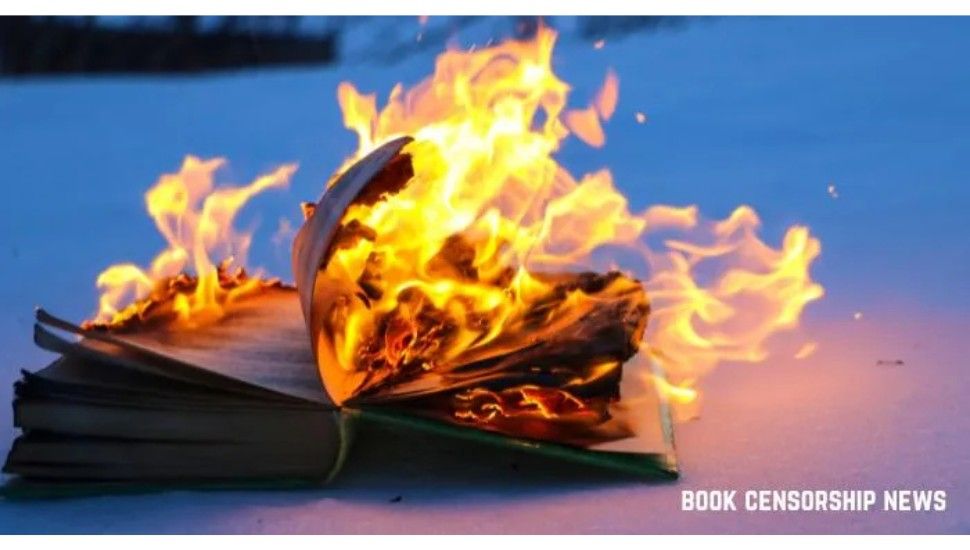
Over at Book Riot Kelly Jensen leads off her weekly censorship news column with a look back at some stories from the past year. But her roundup this week includes a link to some fairly stunning allegations of censorship at the New York Public Library. "At the American Library Association conference, I began to hear stories of censorship happening at the New York Public Library," Jensen writes. "Here’s how the New York Public Library sold out to fascism, censored book lists, and discussed bowing to Trump demands."
Nikole Hannah-Jones to Head Home to Iowa for Banned Books Event
 , The Des Moines Register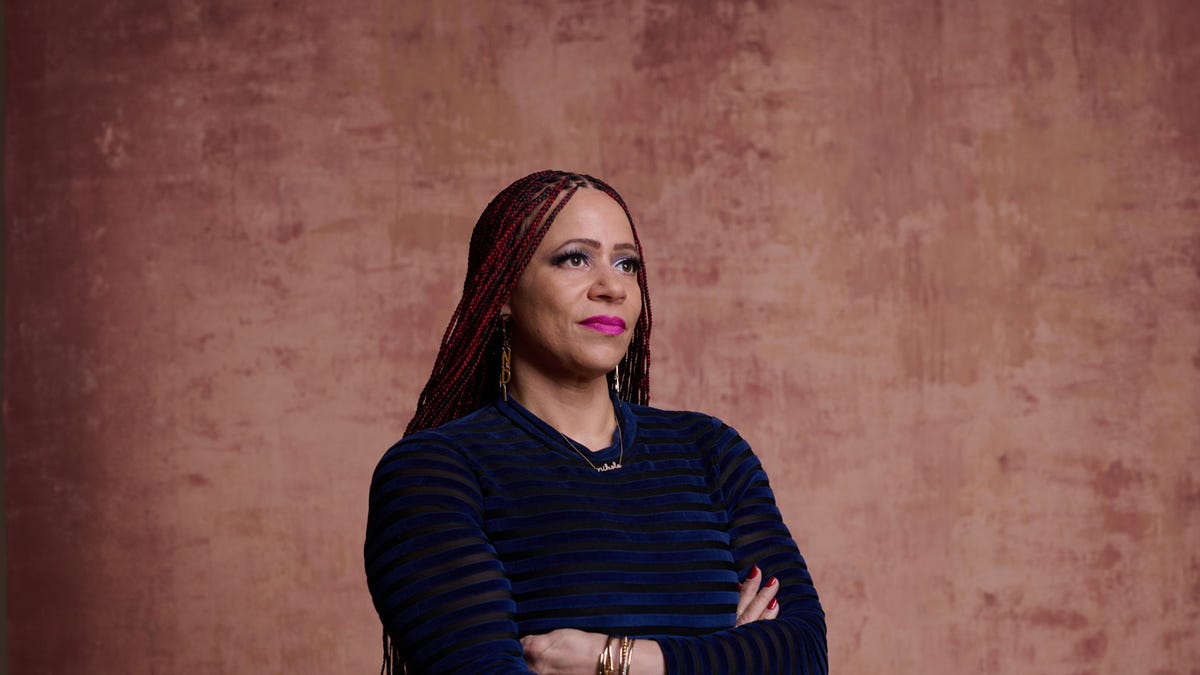
The Des Moines Register reports that authors “whose work has been removed from schools around America, including Iowa,” will headline the 1619 Freedom School Read-in at Waterloo West High School on July 18. “The free event—now in its second year—will feature award-winning authors Jason Reynolds; Angie Thomas; Renée Watson, an Iowa native; and Nikole Hannah-Jones, 1619 Freedom School founder and Waterloo native," according to a release.
Th report notes that Reynolds and Thomas' books were among “thousands removed from Iowa public schools following the passage of the 2023 law Senate File 496,” which requires schools to remove most books depicting sex acts. "What I hope people will take (away) is just an affirmation that all stories deserve to be told and heard, that most of their neighbors don't actually believe in these book bans and are not afraid of literature for children," said Hannah-Jones.
Utah Bans Its 36th Book Statewide
 Megan Brugger, KUTV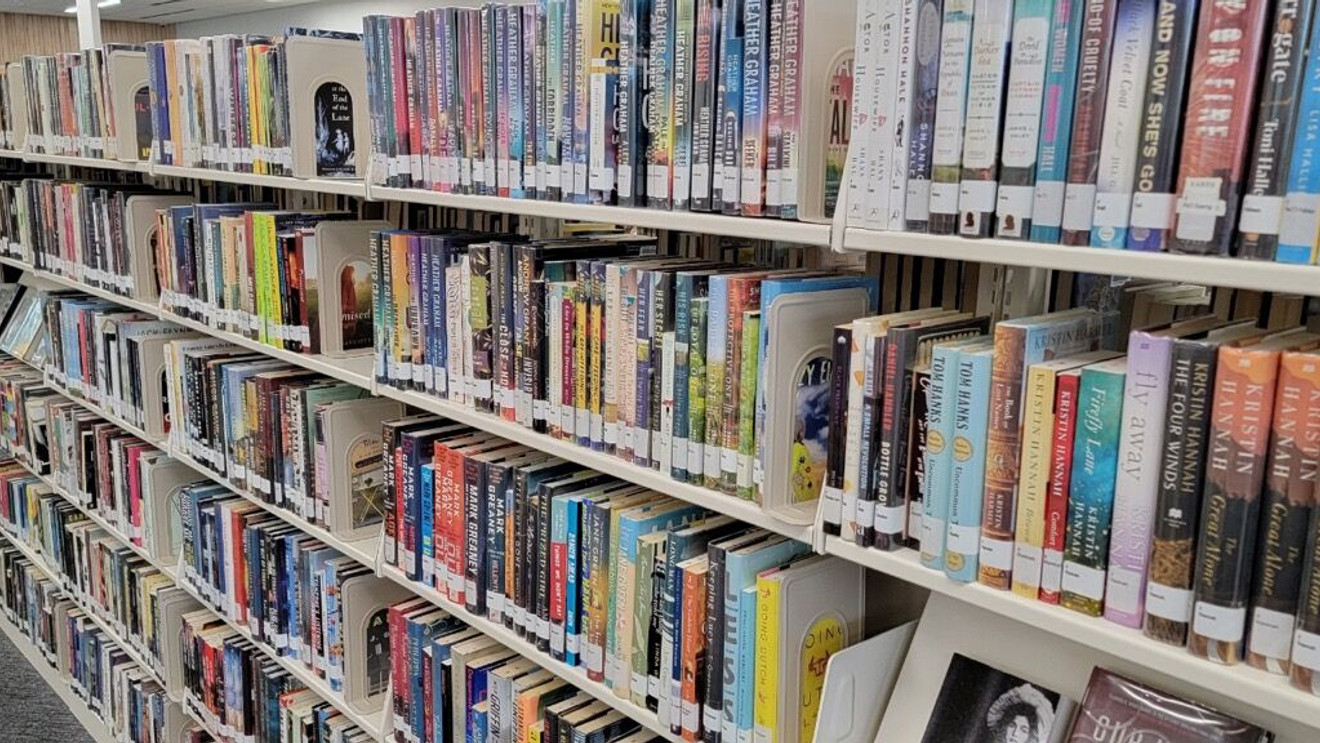
Add another one to the list. Local affiliate KUTV reports that Stephen King's novel Different Seasons has been banned from Utah schools statewide, after the Davis, Jordan, Tooele, and Washington school districts decided to ban the novel, triggering a statewide ban by the Utah State Board of Education, per state law. "Unfortunately, we're going to continue to see this big snowball effect," said Aaron Welcher of Let Utah Read."
Two U.S. Libraries Named Finalists for IFLA's 'Public Library of the Year' Award
 Andrew Albanese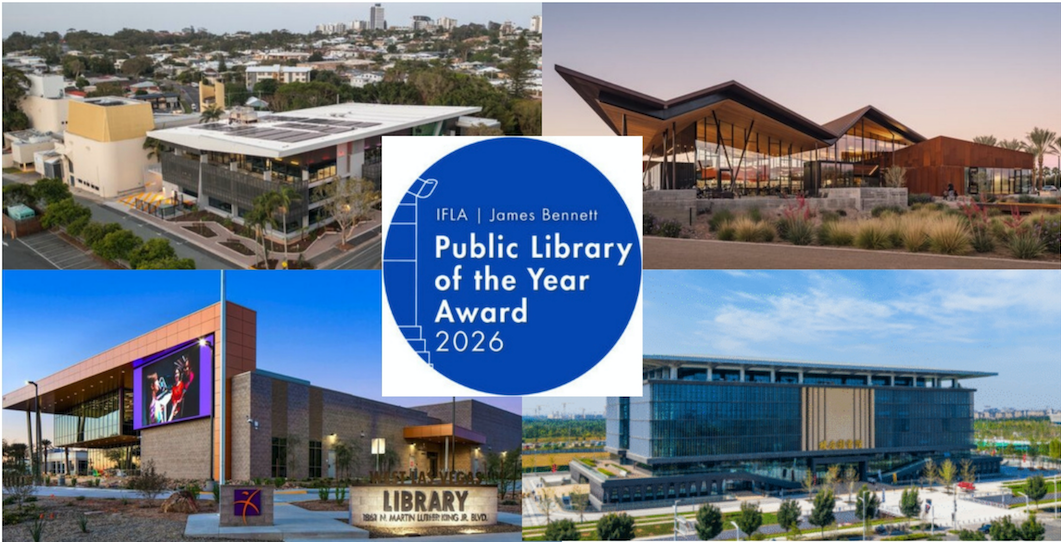
As I reported for Publishing Perspectives, IFLA (the International Federation of Library Associations and Institutions) has announced the shortlist for the IFLA/James Bennett Public Library of the Year Award 2026. The annual award celebrates a newly built or expanded public library that has “best managed to combine open and functional architecture with sustainable and creative IT solutions” and “has included both digital developments and local culture.”
This year’s award will be the first named for its new sponsor, Australia-based library supplier James Bennett, which took over sponsorship of award from U.S.-based Baker & Taylor after the company’s sudden collapse late last year.
The 2026 shortlist includes: Library+ Caloundra (Sunshine Coast, Australia); Mesa Gateway Library (Arizona, U.S.); West Las Vegas Library (Nevada, U.S.); Xiong’An Library, Hebei Province, China. The shortlisted libraries will be showcased at the 90th World Library and Information Congress in Busan, South Korea, from 10-13 August 2026, with the winning library receiving a $5,000 prize.
And Finally This Week...
 Roswell Encina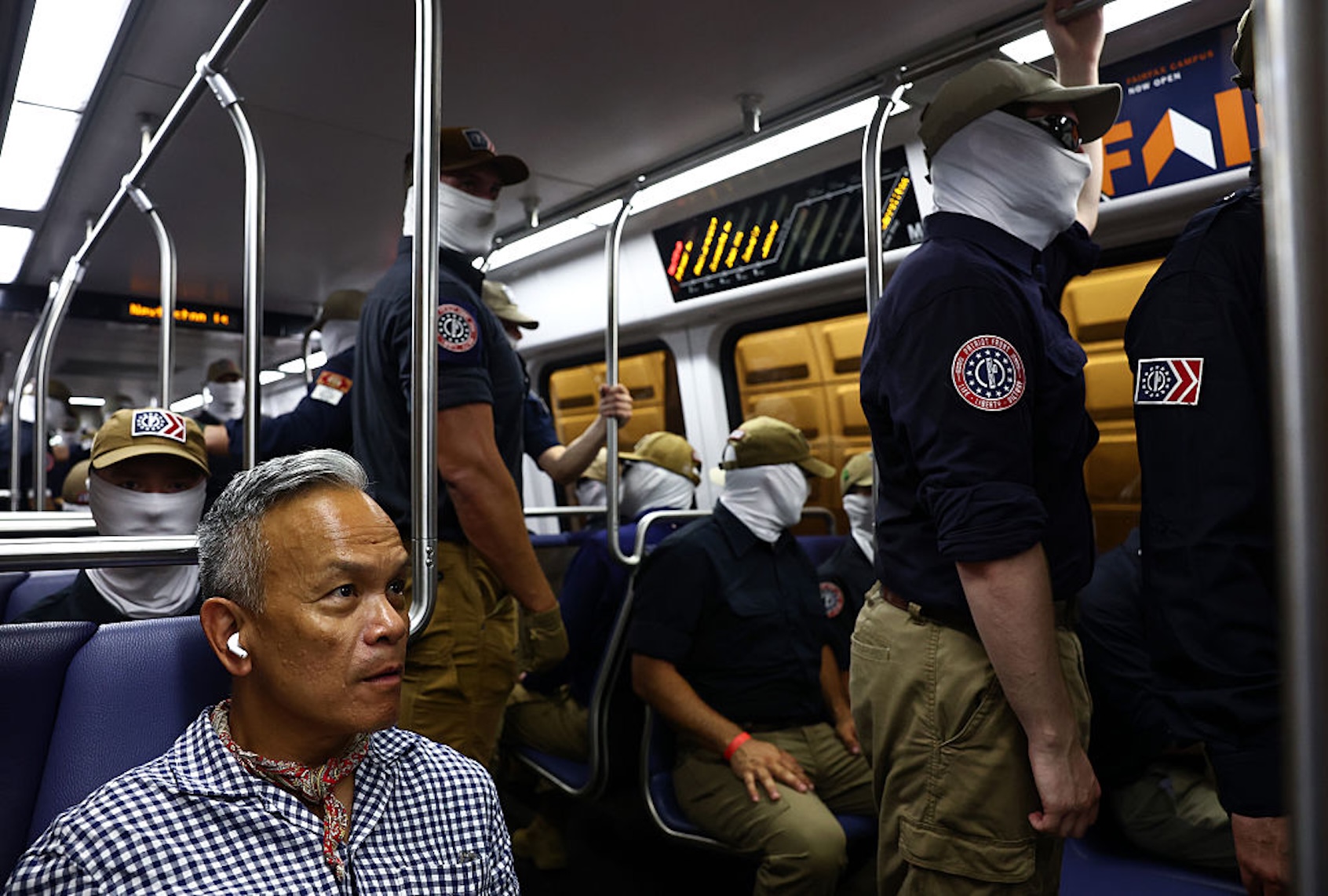
Do you recognize the man in this photo, surrounded by white supremacist Patriot Front members? I did, and no doubt many of you do: Roswell Encina, who for years worked closely with Librarian of Congress Carla Hayden. In an article for Salon, Encina writes eloquently and movingly about his shocking encounter on a D.C. Metro train as he headed to a Fourth of July party, and the feelings it stirred in him.
"Within hours, the photographs had spread across social media and news outlets. Friends began texting. Reporters called. Many asked whether I had been frightened. The honest answer is yes," he writes. "But after the initial shock faded, I realized the moment offered something else: an opportunity to talk about the country I love, the work still left to do, and why history and civics education matter now more than ever." This is a powerful read. Well done, Roswell.