The Queue: Library News for the Week Ending June 12, 2026
Among the headlines this week: an Authors Guild survey suggests digital lending hurts authors; the House votes to make the Register of Copyrights a presidential appointee; an appeal is heard in a closely watched book banning lawsuit; and Massachusetts passes its freedom-to-read bill.

Has the Authors Guild Lost the Plot?
 Human Authored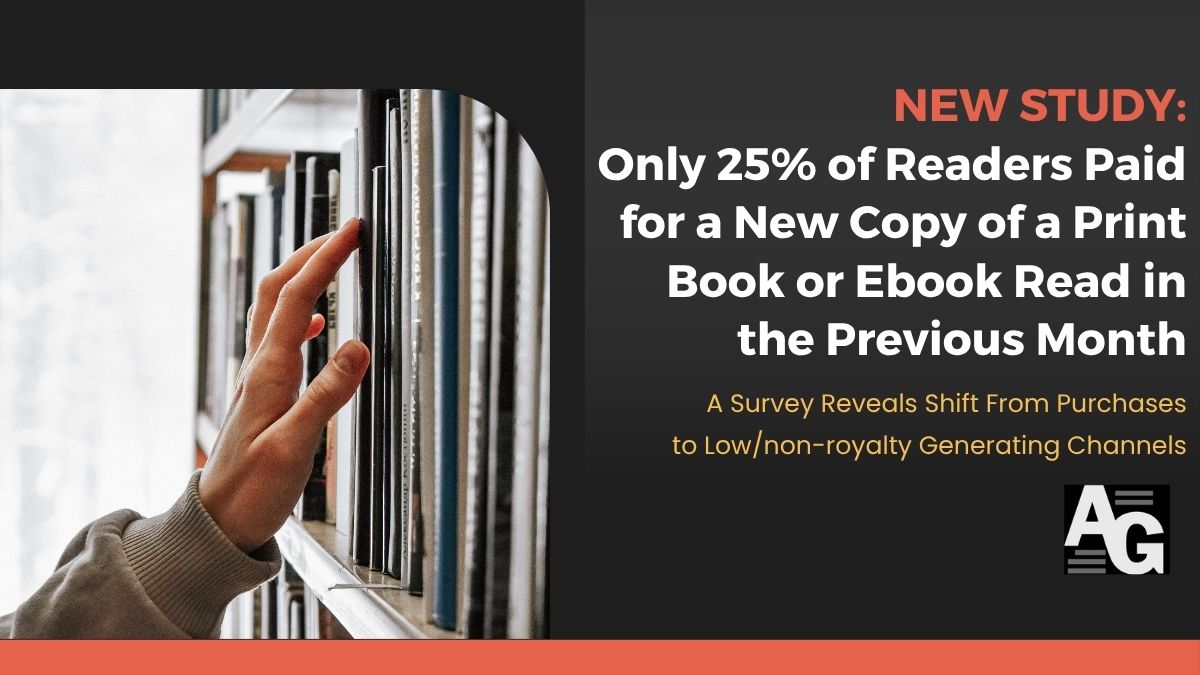
The Authors Guild this week posted about its latest consumer survey under an eye-catching headline: “Only 25 Percent of Readers Paid for a New Copy of a Print Book or Ebook Read in the Previous Month.”
Guild officials told Words & Money that the online survey (conducted by industry market research firm, the Codex Group) surveyed 1,998 consumers (age 18 or over) from October 21 to November 6, 2025, who read at least “one book in the last month, and four books in the past year.”
The general concern expressed in the post: “Only about a third of readers and listeners bought new royalty-generating copies of books or audiobooks, including those acquired through a paid subscription service,” concluding that the shift from “purchases to low or non-royalty generating channels” is having “profound implications” for authors.
Specifically, the survey found that the vast majority of readers—about 64%—borrowed their last text: 35% from family or friends and 29% from public libraries. In terms of audiobooks, 37% of respondents borrowed their last audiobook from a library, while 36% were “purchased or acquired” through a paid subscription.
According to the survey, respondents who identified as active library users bought 42% fewer new books, despite reading more 16% more books. The survey also suggested that the top-selling authors were especially suffering from this so-called “substitution” effect.
Notably, in an earlier version of the post, the Authors Guild specifically called out the “convenience of checking out an ebook or audiobook from the library” as changing consumer behavior—the old friction argument that former Macmillan CEO John Sargent used to justify the company’s short-lived embargo on new release library ebooks in 2019. (While those statements and others have since been edited out of the post, Words & Money has a PDF copy of the original post below, for reference).
The study’s release comes as the Authors Guild in April, in a statement following the passage of a library ebook law in the Illinois House, accused librarians of “a backdoor attempt to infringe on the rights of authors and creators across creative mediums and limit their ability to earn a living from their craft.”
Obviously, a small sampling of consumer data gathered online about past behavior isn’t exactly authoritative. But the broader question the post raises is for Authors Guild members: Is this really how you see libraries in the marketplace?
We’ll have more on the survey in the coming weeks (we're hearing a lot of feedback), but for now, I’ll just offer a quick observation. Yes, declining author incomes are a real concern. But data is a blunt instrument that can be seen and used differently by different people. And the survey data to me suggests the Authors Guild's framing is simply wrong. In fact, amid increasing competition for a reader's attention, I see the data as more evidence that the Authors Guild and its members should be leaning into the library market.
For example, the survey found that 59% of respondents were “active” public library users; these users are reading 16% more books than non-library users; 46% are more likely to listen to audiobooks; library users are “substantially more likely” to read in both print and ebook formats; and those who reported reading a library ebook in the last month read "at least" 50% more "total book units" in the last month than those who didn’t. Rather than a threat, do these findings not suggest there is tremendous value in the library market—particularly in the digital library market?
Over at publishing industry trade Publishers Lunch (subscription only) Michael Cader had a great take on the survey this week, questioning whether the proper response to declining author incomes is to question the "legal" buying and borrowing choices of the industry's most enthusiastic readers.
 Michael Cader
“First and foremost, authors want to be read. Any dispute over authors' earnings should be focused on publisher and vendor splits, not stigmatizing eager and regular readers,” he writes. “Just as there should be no real dispute between libraries and publishers, who are allies in common cause. Patrons who love and rely on their libraries should be making that known to their legislators and asking for more funding for these resource-starved institutions.”
House Passes a Bill that Would Make the Register of Copyrights a Presidential Appointee
Nina Heller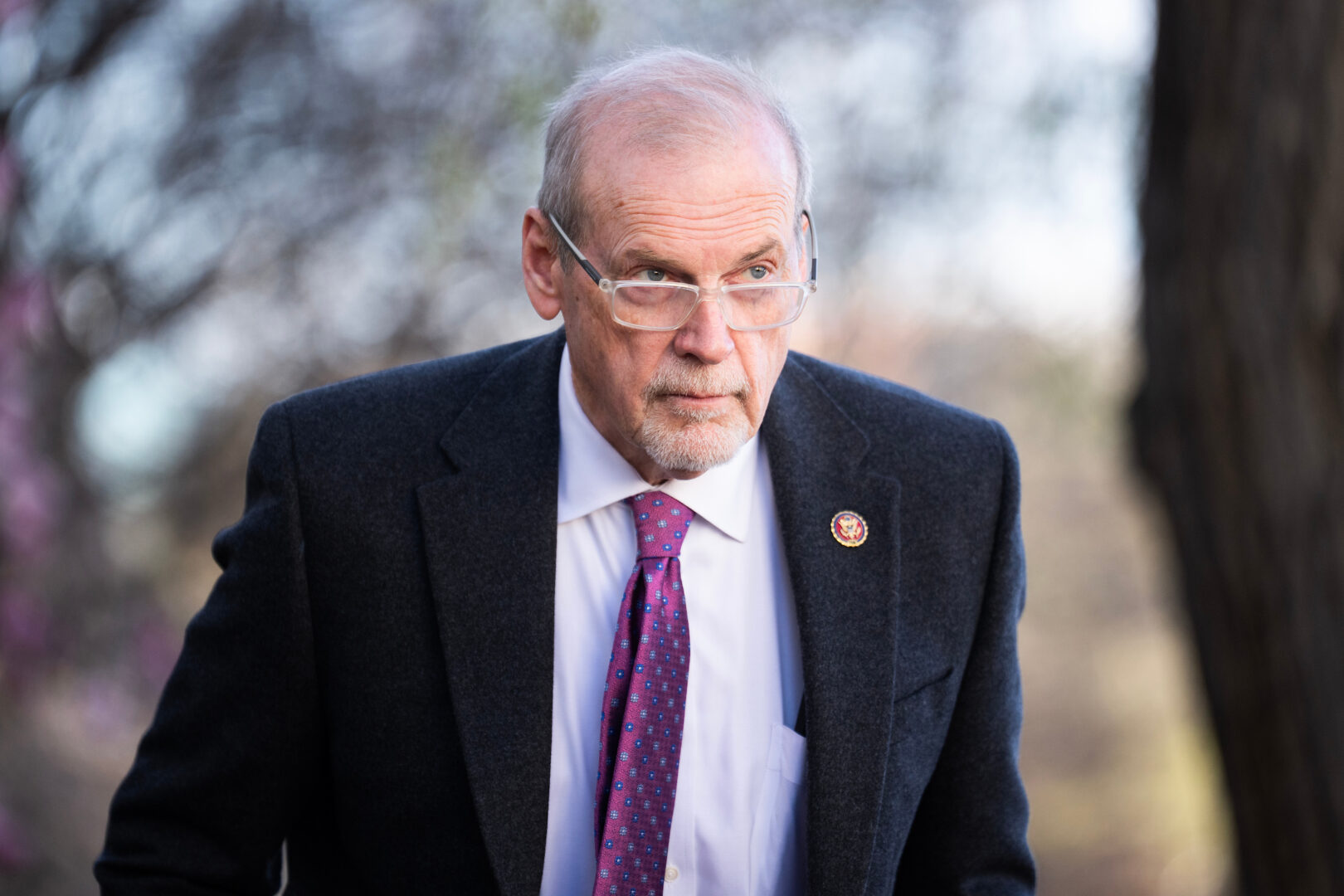
So, Donald Trump might get to appoint the Register of Copyrights after all. Roll Call reports that the House this week passed a bill that would transfer authority to appoint the Librarian of Congress and the head of the Government Publishing Office to Congress, but, more significantly, would give the President the power to appoint the head of the U.S. Copyright Office. “The bill was passed by a voice vote. Now it heads to the Senate, where it would need enough bipartisan support to overcome a filibuster,” the article states.
“A number of technology, library and public interest groups have come out against the bill and its plan for the copyright office, saying it ‘threatens to upend a system that has protected and supported American creativity and ingenuity’ for centuries,” the report adds. “Maintaining institutional unity through challenges such as emerging AI policy and DMCA rulemakings is vital to ensuring copyright evolution remains balanced, accessible, and ready to support the next generation of creators and tech innovators,” said Brandon Butler, executive director of the Re:Create Coalition, in a statement Monday.
The move comes after President Trump fired Librarian of Congress Carla Hayden, and was blocked by a federal court from firing Register of Copyrights Shira Perlmutter last year. It also comes after the Senate blocked an attempt to give the president authority over the Register of Copyrights back in 2017.
Eighth Circuit Hears Appeal Over Blocked Arkansas Book Banning Bill
 Gabriel Tynes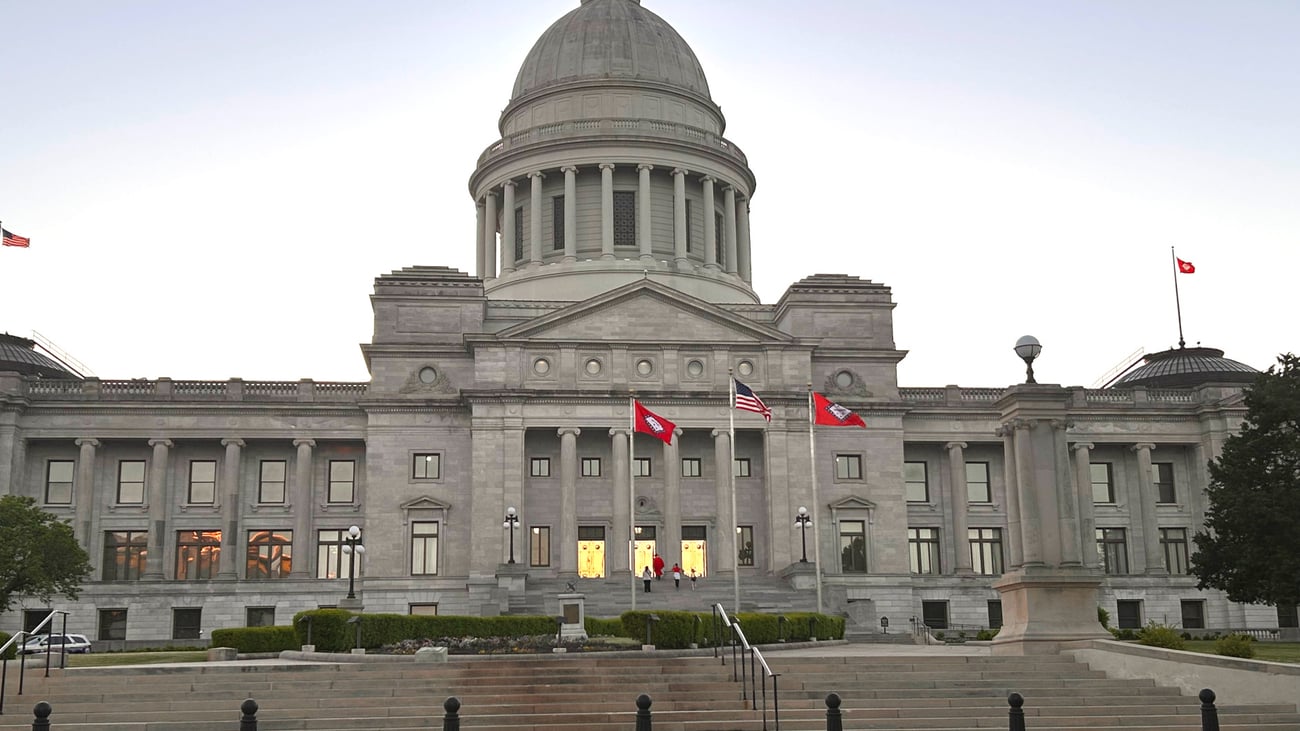
Courthouse News reports on a hearing before the Eighth Circuit U.S. Court of Appeals this week challenging a 2023 decision that blocked two key book banning provisions of Arkansas’s controversial ‘harmful to minors’ law, Act 372.
The law, signed by Governor Sarah Huckabee Sanders on March 30—was one of several controversial book banning laws pushed in conservative-controlled legislatures in 2023 under the guise of “parental control.” In July 2023, after a library-led coalition of 18 plaintiffs sued, Judge Timothy L. Brooks blocked two provisions of the law that would have exposed librarians to jail time for making allegedly inappropriate books available to minors in public libraries.
“Whether the federal appeals court should empower local governments to pull titles based on vague notions of appropriateness was at the heart of a lively oral argument opened by Arkansas Solicitor General Autumn Hamit Patterson,” the report notes, arguing that library book decisions were government speech, and thus immune to First Amendment challenges—an argument eloquently rejected by Brooks in 2023, who wrote that despite being funded by taxpayers, “the public library is decidedly not the state’s creature; it is the people’s.”
However, the odds on appeal may favor the state. The hearing in the Arkansas case comes after the Eighth Circuit in April vacated a lower court injunction and ruled that Iowa’s 2023 ‘harmful to minors’ law, S.F. 496, could go into effect.
Meanwhile, Tess Vrbin at the Arkansas Advocate reports that the hearing comes as the Arkansas Department of Education is "accepting public feedback on proposed rules requiring libraries to restrict children’s access to “sexually explicit materials” in order to receive state funding, even though a 2025 bill with similar restrictions failed in the Arkansas Legislature."
'Stick to Fiction': Ebook Study Group Responds to James Patterson
 Kyle K. Courtney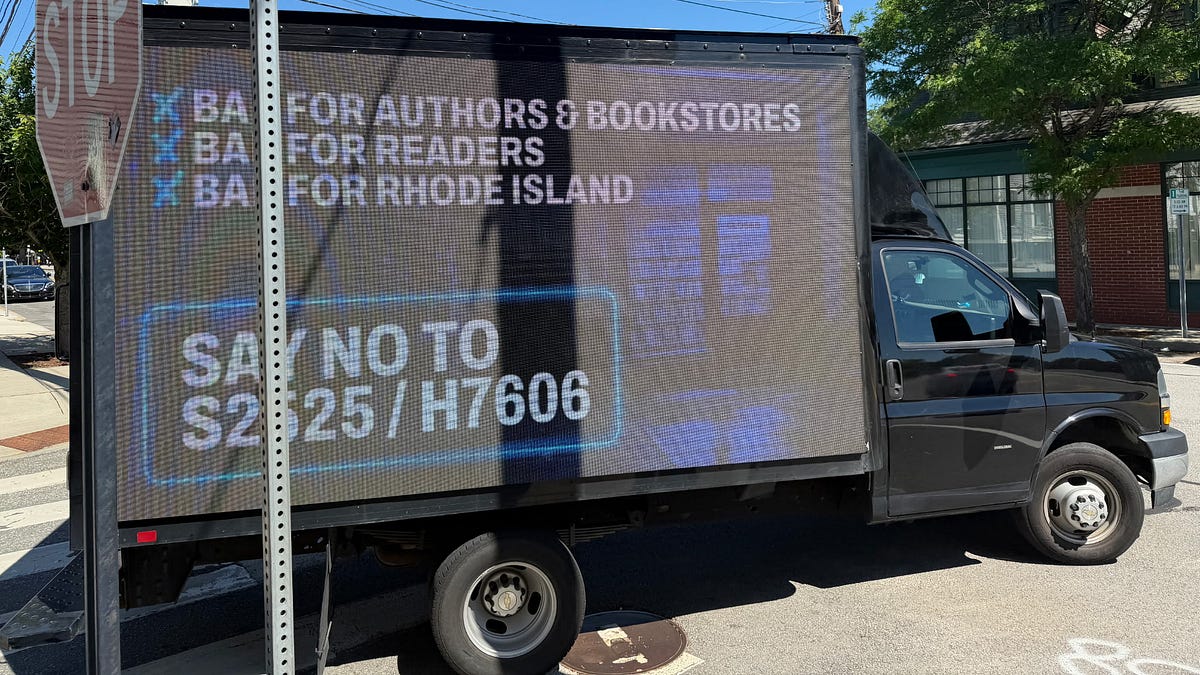
As Words & Money reported, Rhode Island legislators on Wednesday passed the state's library ebook law, despite a last minute lobbying blitz that included an op-ed by bestselling author James Patterson in the Providence Journal. This week, the Ebook Study Group's Kyle Courtney responded to Patterson's broadside with his own op-ed.
"The momentum for fair library eBook licensing is building nationwide, and the publishing oligopoly is panicking," Courtney writes. "Instead of engaging with the actual text of these bills, the Big Five are deploying multi-millionaire authors like James Patterson to act as human shields...Given the sheer volume of fabricated information and fear-mongering in his piece, it’s clear Mr. Patterson should stick to writing fiction." Note: the ESG’s op-ed responding to James Patterson in The Providence Journal is here (paywalled).
Connecticut Librarians Congratulate Rhode Island on its Ebook Bill, Urge More States to Pass Similar Bills
 Gary Price
With the passage of Rhode Island's library ebook bill, Connecticut, which passed its library ebook law last year, just got another step closer to seeing its law take effect. Connecticut's law contains a "trigger clause" that requires a state or states with a combined population over seven million to pass similar legislation before the law is deemed in effect. And in a statement this week, hosted by Gary Price at Infodocket, Connecticut Library Consortium's Ellen Paul urged more states to pass library ebook laws. “Connecticut acted. Rhode Island acted. Other states are actively considering similar legislation,” Paul said. “The momentum is growing because the problem is real. Libraries should be able to invest in readers and collections, not spend taxpayer dollars repeatedly renting the same books from some of the largest publishing companies in the world.”
The Palace Project Offers a Progress Update
 Alissa Bankowski
With digital library legislation creating some tension in the marketplace, the Palace Project this week injected a little positivity. In an update, the nonprofit, library-centered digital library platform launched in 2017 as the DPLA Exchange (and now part of Lyrasis) offered an update on its growth, and a reminder that despite pricing and access issues with some of the largest publishers, the vast majority of publishers are actually working well with libraries.
"We started with a marketplace of around 100,000 titles. Today, we offer over two million," the report notes. "As a whole, we believe that publishers and libraries are on the same side, and together, we can ensure robust access to books, information, and learning. We stand ready and eager to continue facilitating a thriving book ecosystem for everyone.
Massachusetts Advances Its Freedom to Read Bill
 Marilyn Schairer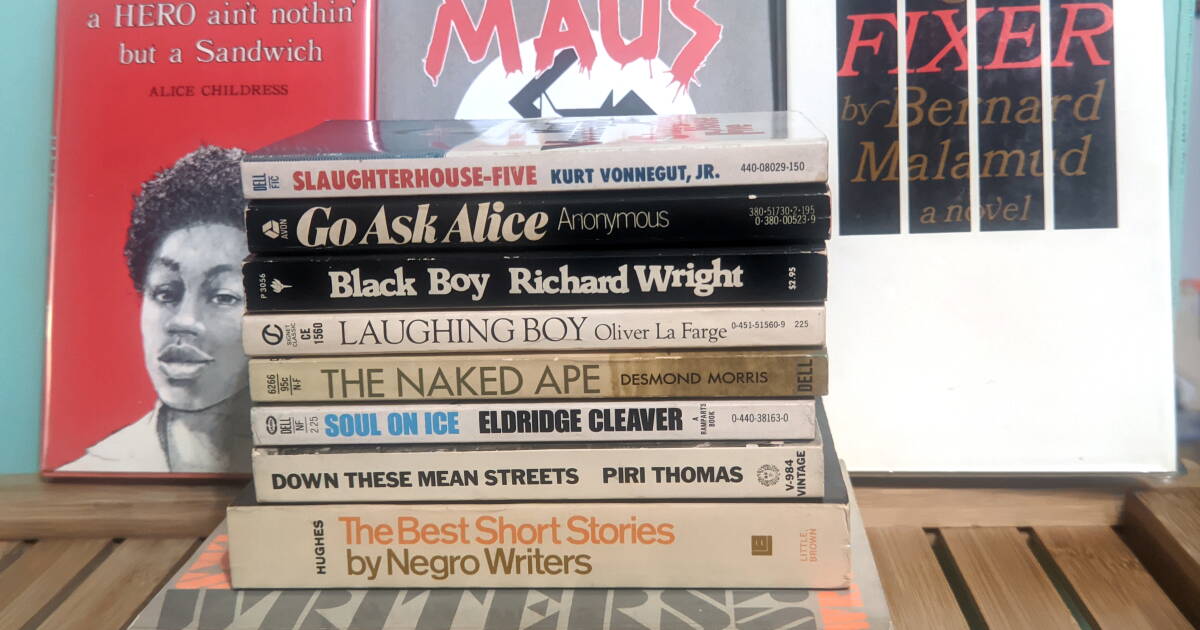
WGBH reports that the Massachusetts House of Representatives this week passed its freedom-to-read bill, which would set "statewide standards for removing a book from circulation in public and school libraries." A similar version of the bill passed the state Senate last year. "Supporters of the Freedom to Read bill have said it reaffirms that the legislature stands behind the freedom of Massachusetts readers and families to decide what kinds of books they read," the article states. "State Sen. Julian Cyr said he expects some version of the bill to go to Governor Maura Healey’s desk by the end of the current session on July 31."
Utah Adds Another Book to Its Statewide Banned List

The Salt Lake Tribune reports that the number of books now banned from Utah schools under a 2024 state law is now 35. Late last week, the state banned Lucky by Alice Sebold, a memoir that recounts the author's recovery from a sexual assault. The ban "marks the second memoir focused on surviving sexual abuse" to be barred from Utah schools under the new law. The book was officially banned statewide after the Davis, Granite, Tooele County, and Washington County school districts removed it. Under the state law, if three districts in the state ban a book, it must be pulled statewide.
Yes, Minors Have a Right to Privacy, Too
 Kelly Jensen
Over at Book Riot, Kelly Jensen leads off her weekly censorship news column with a look at an important topic: the right to privacy for minors in a library setting. The piece is the first in a series. "Do minors have a right to privacy in the library? If not, where does the potentially slippery slope end?" Jensen writes. "These are decisions made in the library, not in the legislative chambers. Unfortunately, we’re going to see more and more states steal any small rights young people have to be people over the next several years, aided and abetted by politicians and 'activists' who believe children don’t deserve to become independent people during their most formative years."
An International Take on Libraries
 Website
This is well worth a read: Civicus Lens has a good interview with IFLA's Claire McGuire, who offers a smart, international view on the challenges facing libraries around the world and what kind of support libraries need.
"Those who write policy and hold the budgets need to see libraries as partners in building communities that are more democratic, equitable, and inclusive. That means making them part of the strategies they are already drawing up, not treating them as an afterthought," McGuire says. "Libraries also need the freedom to decide for themselves what to collect and how to give access to it, based on their professional judgment and the needs of the people they serve. That is where a strong national library association becomes essential, because it can advocate for libraries inside the realities of each country."
And Finally This Week...
 Ellie Hutchings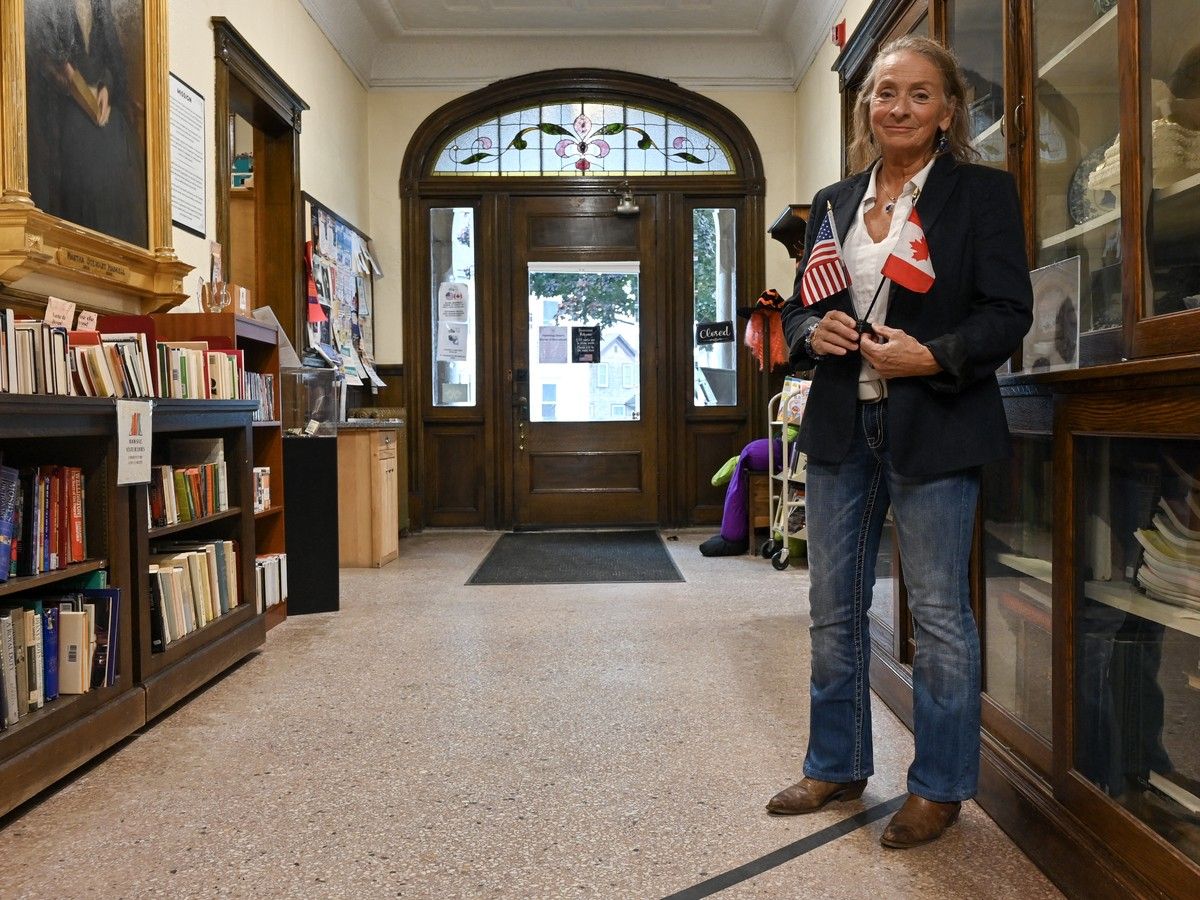
We've been following the story of the Vermont library that straddles the U.S. Canadian border that was targeted by the Trump administration and this week, via the National Post, we have a nice update. "The Haskell Free Library and Opera House on the Quebec-Vermont border opened its new Canadian entrance on Wednesday," the report notes. "The building, which is more than a century old, has long been a symbol of harmony between Canada and the U.S. But the past eight months have been a different story, after the Trump administration ended a long-standing arrangement allowing Canadians to enter from the U.S. side."
In October 2025, then Secretary of Homeland Security Kristi Noem visited the library and referred to Canada as “the 51st state,” and the department closed off Canadian access over allegations of drug trafficking. Today, Noem is gone and Canadian access is back.