The Queue: Library News for the Week Ending October 16, 2026
Among the week's headlines: how a reconsideration motion hints at a larger question for freedom to read advocates; Texas's S.B. 13 is a flop; Utah parents question the state's book banning law; ALA comments on the FCC's plan to review E-Rate; and librarian Lisa Wells wins a well-deserved honor.

Normally, when a motion for a rehearing is filed after an appeals court decision it's swatted away as a matter of course. But for some reason, that isn't the case with the Eighth Circuit's July 30 decision that allowed Arkansas's controversial "harmful to minors" law Act 372 to take effect after a three-year injunction. In this case, the Eighth Circuit instead asked for briefs. And while the River Valley Democrat-Gazette this week reported that Arkansas Attorney General Tim Griffin called the plaintiffs' motion for a rehearing "an exercise in futility," it shouldn't be.
 Penny Weaver
To put it bluntly, the Eighth Circuit decision concerning Act 372 is a hot mess, and we should expect and demand much better from our courts. Among its many deficiencies, the court vacated judge Timothy Brooks’s thoughtful July 2023 decision citing several questionable legal grounds. But rather than remand the case to Brooks as would normally happen, the three-judge panel instead held that a remand was unnecessary, and entered a sloppy judgment based on several meritless holdings.
First, as the plaintiffs' petition argues, the appeals court cited a case in making its decision that the defendants never raised, and thus the plaintiffs never had a chance to address. Second, the appeals court cited new legal rules created in a 2024 Supreme Court case, Moody v. NetChoice—except that Supreme Court decision in NetChoice came after arguments had concluded in the Arkansas case. And, in his concurrence, Chief Judge Steven Colloton acknowledged that while a remand would normally be the proper course, remand was unnecessary because “library patrons have no constitutional right to receive unfettered access to books of their choice at taxpayer expense.” That’s hardly settled law, of course—but even if it was, Act 372 also applies to booksellers.
Furthermore, as Words & Money has shared, there remains significant confusion over the law’s vagueness. Under Act 372, librarians and booksellers can now be held criminally liable for “furnishing” allegedly inappropriate materials to minors. But does that mean actually giving the materials to a minor, or does it include the mere act of shelving the material? The appeals court points only to the dictionary, leaving librarians and booksellers confused, and in legal peril, which is a recipe for self-censorship.
 Andrew Richard Albanese
But whether or not the court grants a rehearing to clear up these problems isn’t the question I’m most interested in. The most pressing question for me is whether the appeals courts have become so packed with outcome-driven right-wing ideologues that they have effectively become unreliable. In the Arkansas case, I’ll note that the decision was written by Judge L. Steven Grasz, a Trump appointee who was confirmed despite a rare “unqualified” rating from the American Bar Association, which cited his "lack of open-mindedness and freedom from bias."
And that’s not all—the Eighth Circuit has now twice vacated an injunction blocking Iowa’s book banning law S.F. 496, with the most recent right-wing panel (including two Trump appointees) needing just six pages to vacate a meticulously reasoned opinion by district court judge Stephen Locher.
Meanwhile, in the Fifth Circuit, another Trump appointee, Stuart Kyle Duncan, engineered the reversal last year of a key book banning decision in Texas, in Little v. Llano County, overturning the Fifth Circuit’s own unanimous, uncontroversial 30-year-old precedent based on facts that were not even at issue in the case. As we recently reported, the 11th Circuit also appears poised to rule against the freedom to read, in a case from Escambia County, Florida.
Make no mistake, the litigation brought by freedom to read advocates has done a fantastic job in court, and there are several important cases still at hand in different circuits. But after an early win streak at the district court level, book banning cases now appear to be hitting a red wall at the appeals court level. No matter how well reasoned the district court opinions, it appears that these judges will find a way to the decision they want.
That's something that should alarm us all, and something that will almost certainly impact the legal strategy for freedom to read advocates in the coming months and years. With the midterms less than three weeks away, I'll say it again: elections have consequences.
In Texas, Communities Are Questioning Book Banning Law S.B. 13
 Andrew Richard Albanese
While Texas Lt. Governor Dan Patrick is warning school districts across Texas to ban more books or else, the Dallas Morning News this week reports that Texas law S.B. 13 is flopping in Texas communities. “Legislators enacted Senate Bill 13 to increase parental oversight over public school library catalogs. The bill opened the door for the creation of school library advisory councils (SLAC)— composed of parents, teachers and community members—who review all material entering school libraries,” the report notes. But with “low community engagement and few official book challenges, members across North Texas were left questioning the purpose of the very library councils they formed.”
Indeed, the reality on the ground reflects what numerous polls and anecdotal evidence has shown over the years: that aside from a politically activated, vocal minority, the vast majority are not interested in book banning. One SLAC member told reporters she has yet to see a parent flag a book to request reconsideration. “The low engagement, she said, shows there is a light appetite for banning books in the district," the article states, and that "the political outrage" is coming from people outside the community. “They're organizing to try to undermine confidence in public schools,” she said. “And they’re using the libraries as a backboard.” Yup.
In Utah, Parents Are Questioning the State's Book Ban Law
 Kelli Nielsen | For The Salt Lake Tribune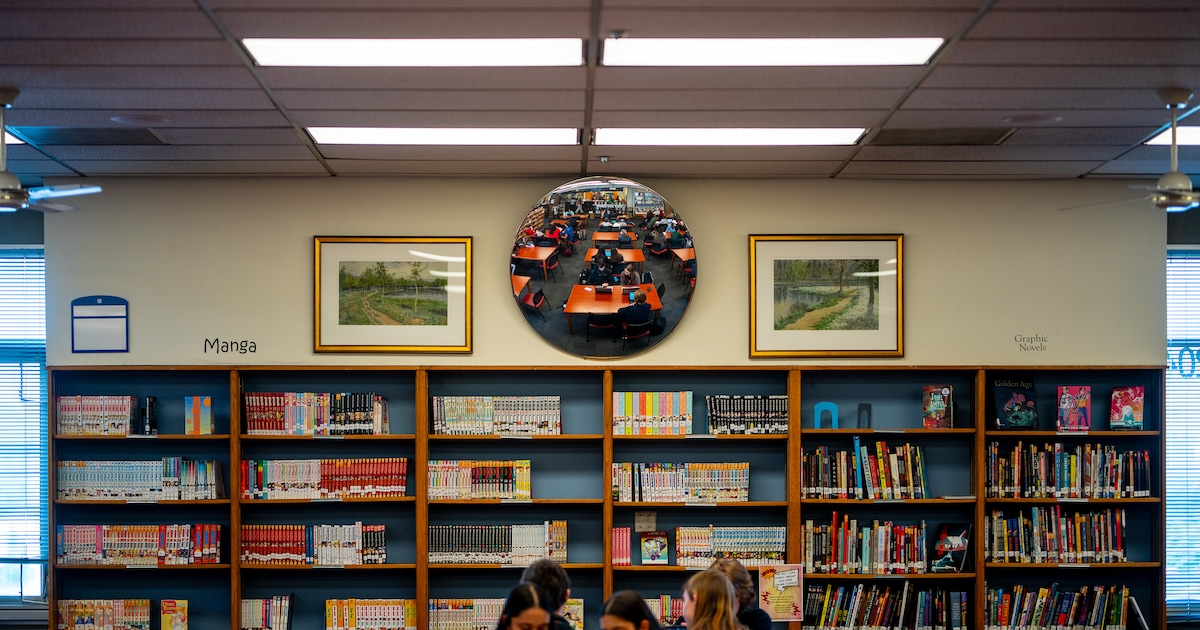
The Salt Lake Tribune has a good editorial questioning the state's book ban law, which mandates that a book be banned from public schools statewide if three or more school districts ban the book. So far, 44 titles have been pulled statewide.
“As a parent myself, I protest this bill that enables other parents to make decisions for me about what my children can read in school,” writes Kelli Nielsen. “Is the bill really about getting smut out of schools, or is it about silencing certain perspectives and messages? What do we lose when valued classics by authors like Toni Morrison, Margaret Atwood, Khaled Hosseini, and Kurt Vonnegut are now suddenly deemed pornographic? Personally, I believe this kind of silencing of certain messages in public spaces puts us in danger of living in harmful echo chambers that divide us as a community. As a parent, this is not what I want for my children. And shouldn’t I have a choice?"
Oklahoma Judge Orders Do-Over for Teacher Punished for Sharing 'Books Unbanned' Link with Students
 Nuria Martinez-Keel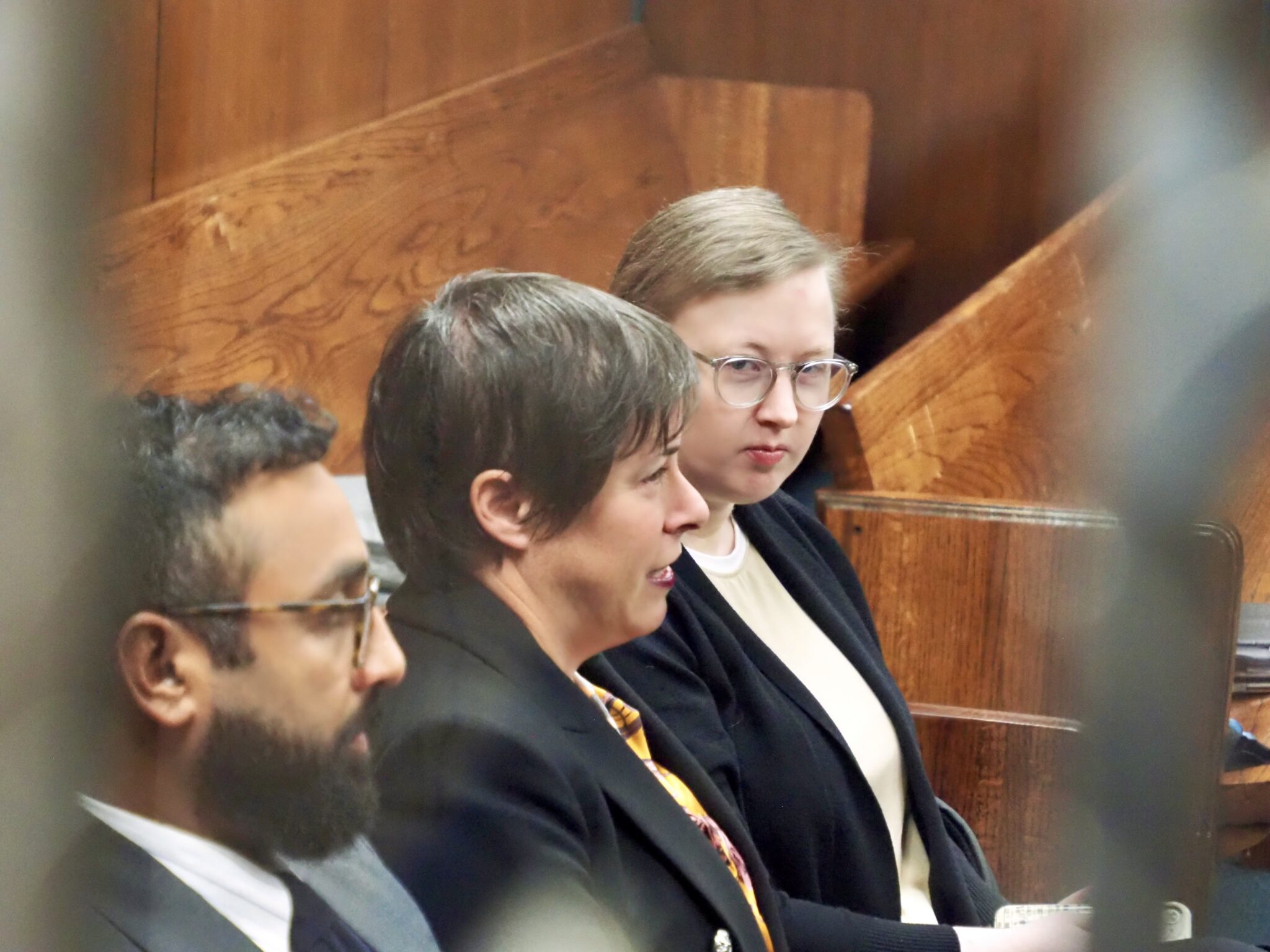
The Oklahoma Voice reports that an Oklahoma school board has been ordered to "reconsider its decision to revoke the teaching license of a former Norman High School teacher" who had posted a QR code in her classroom that linked to Books Unbanned, the Brooklyn Public Library's digital platform offering banned books. "Oklahoma County District Judge Richard Ogden decided Wednesday the original 2024 revocation proceedings against Summer Boismier were flawed by former state Superintendent Ryan Walters’ participation," the report notes, pointing out that Boismier had "a pending defamation lawsuit against Walters at the time that he led the Oklahoma State Board of Education in revoking her teaching certification."
"I have no apologies for anything to anyone," Boismier said after the decision, according to the report. "It’s just always been about doing what’s best for the students in our classrooms and my colleagues who help facilitate that education. That’s really what all this has been about the entire time, and I feel like it’s validating not just for me but for them as well.”
ALA Submits Comments Opposing FCC's E-Rate 'Review'

The American Library Association this week delivered its comments on Brendan Carr's FCC plan to review, and possibly eliminate E-Rate, the tremendously successful program that helps libraries and schools with broadband connectivity. This is a very well-done filing, and a powerful defense of the program against an agency review that is based on a totally shady premise: the FCC is now somehow concerned with children's screen time and online safety, a position that falls far outside the agency's mandate.
"In response to this proposed rulemaking, ALA says resoundingly that the E-Rate program is working as intended and should not be terminated or limited," the ALA comments note. "For nearly 30 years, the E-Rate program has enabled libraries and schools to provide sustainable and reliable high-speed broadband to communities nationwide. E-Rate powers consequential and life-changing access to
communities through America’s public libraries."
Among the ALA's recommendations: to preserve the core tenets of the E-Rate program; to build upon the success of the E-Rate program with sustained funding and further outreach to public libraries across the country; to avoid conflating broadband connectivity and access with screen time abuse; and to leave matters of screen and device use to state and local education and library professionals.
How to Be an 'Informed Voter' for Libraries
 Kelly Jensen
Over at Book Riot, Kelly Jensen leads off her weekly censorship news column with a timely look at how library supporters must take their support to the ballot box. "Libraries are on the ballot this November. Libraries have always been on the ballot, but with the continued rise of book censorship and attacks on these institutions of democracy, it is more crucial than ever to show up at the polls—and it’s also vital to tell everyone else who has an election to do the same," she writes.
The Future of Libraries Is on the Ballot in Ohio This November
 Susan Tebben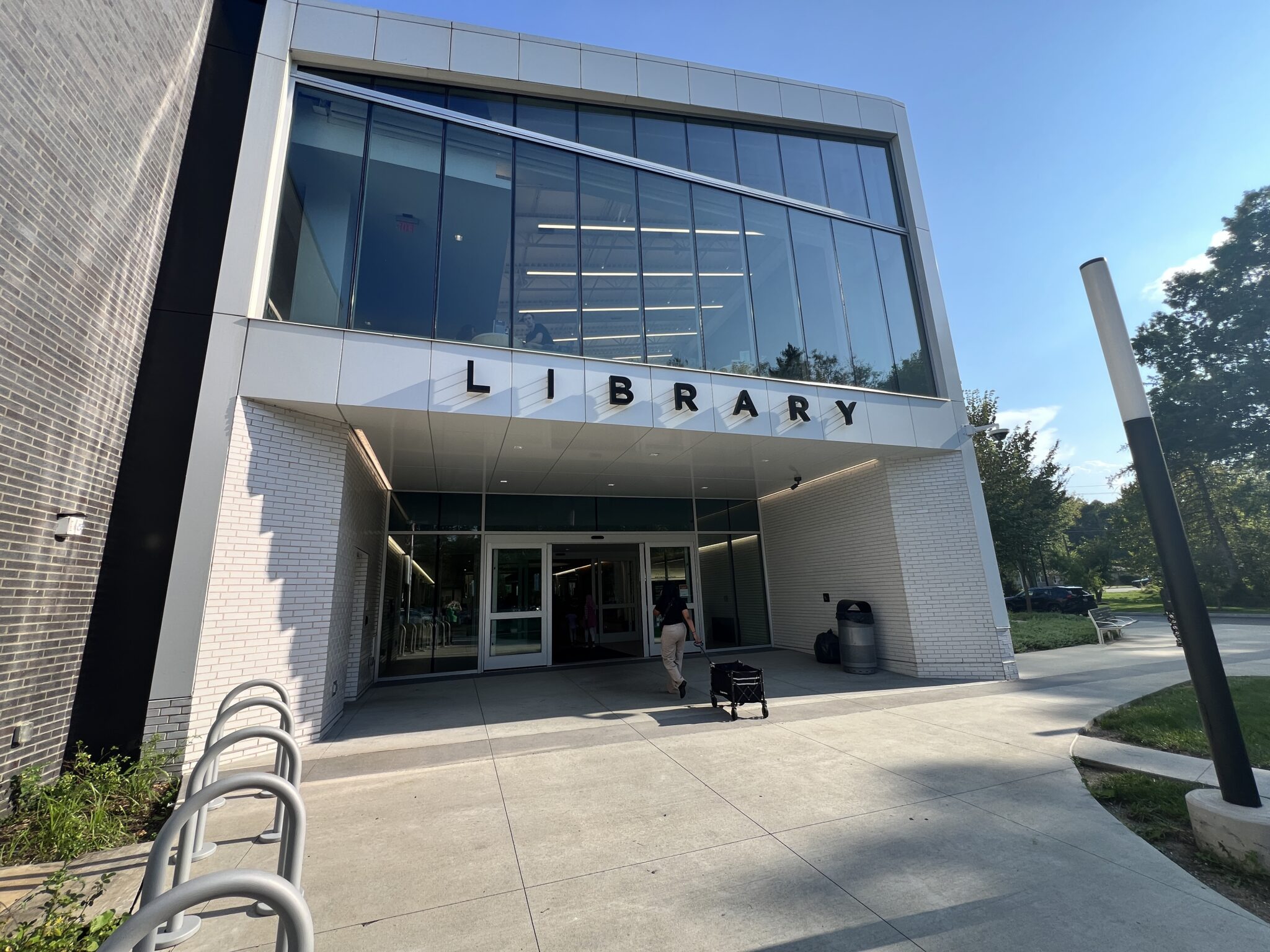
The Ohio Capital Journal reports that the November general election holds major implications for the future of Ohio libraries. "Voters across the state will see 16 libraries asking for local support, 11 of which will have renewal levies, two asking for renewals with an increase, and three with additional (new) levies, according to the Ohio Library Council," the report notes.
"Combined with reduced state funding through the Public Library Fund, keeping the lights on at a local library has relied more and more on local support," the article states. "In the last state operating budget, lawmakers in the Republican supermajority Ohio General Assembly changed the way the Public Library Fund appears in the budget, from a percentage of the General Revenue Fund to a lump-sum line item."
Concerns Mounting for Public Libraries as Florida Ballot Measure on Property Taxes Approaches
 Gloria Falach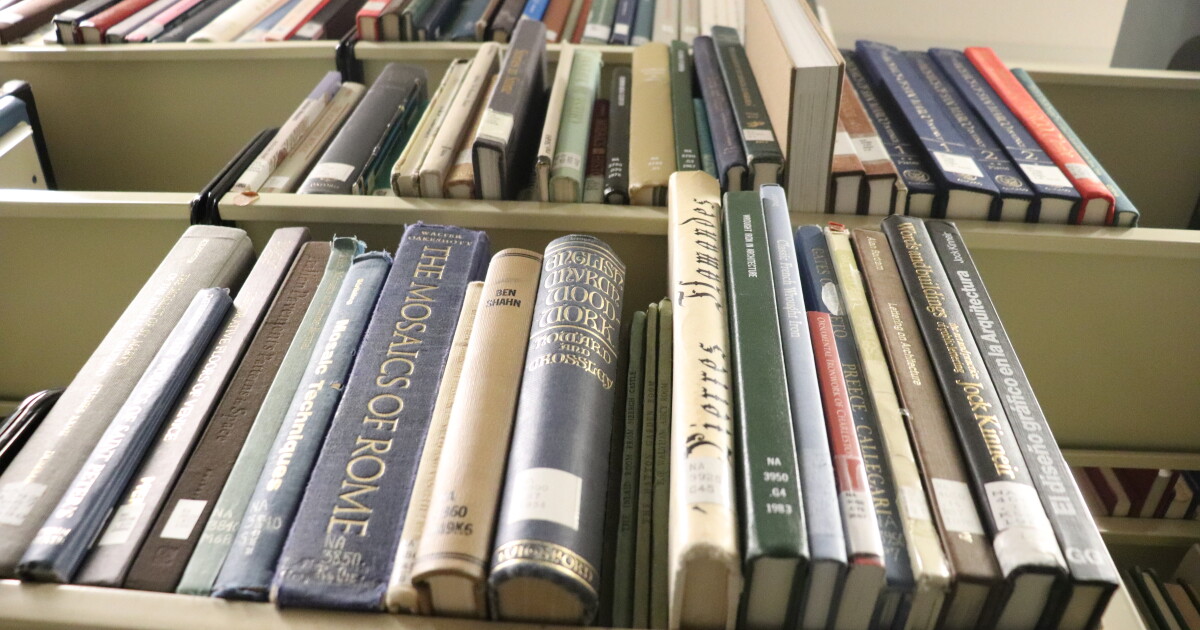
Via WUSF, Florida residents are continuing to voice concerns over Amendment 3, a ballot measure that would triple the current homestead exemption in the state, and drain property tax revenues that support libraries and other municipal services in communities across the state.
"If Amendment 3 passes, cities and counties across the state may face budget cuts to critical services—including library systems," the report notes. And with an affordability crisis hitting people hard, library leaders are worried that people will not see what they are giving up in return for the tax cut. “Libraries are actually one of the places that you see your tax dollars hard at work,” Sarah Burris, president of Friends of the Bay County Public Libraries, told reporters.
In Rural Communities, 'Extended Access' Extends the Library's Value
 H. Jiahong Pan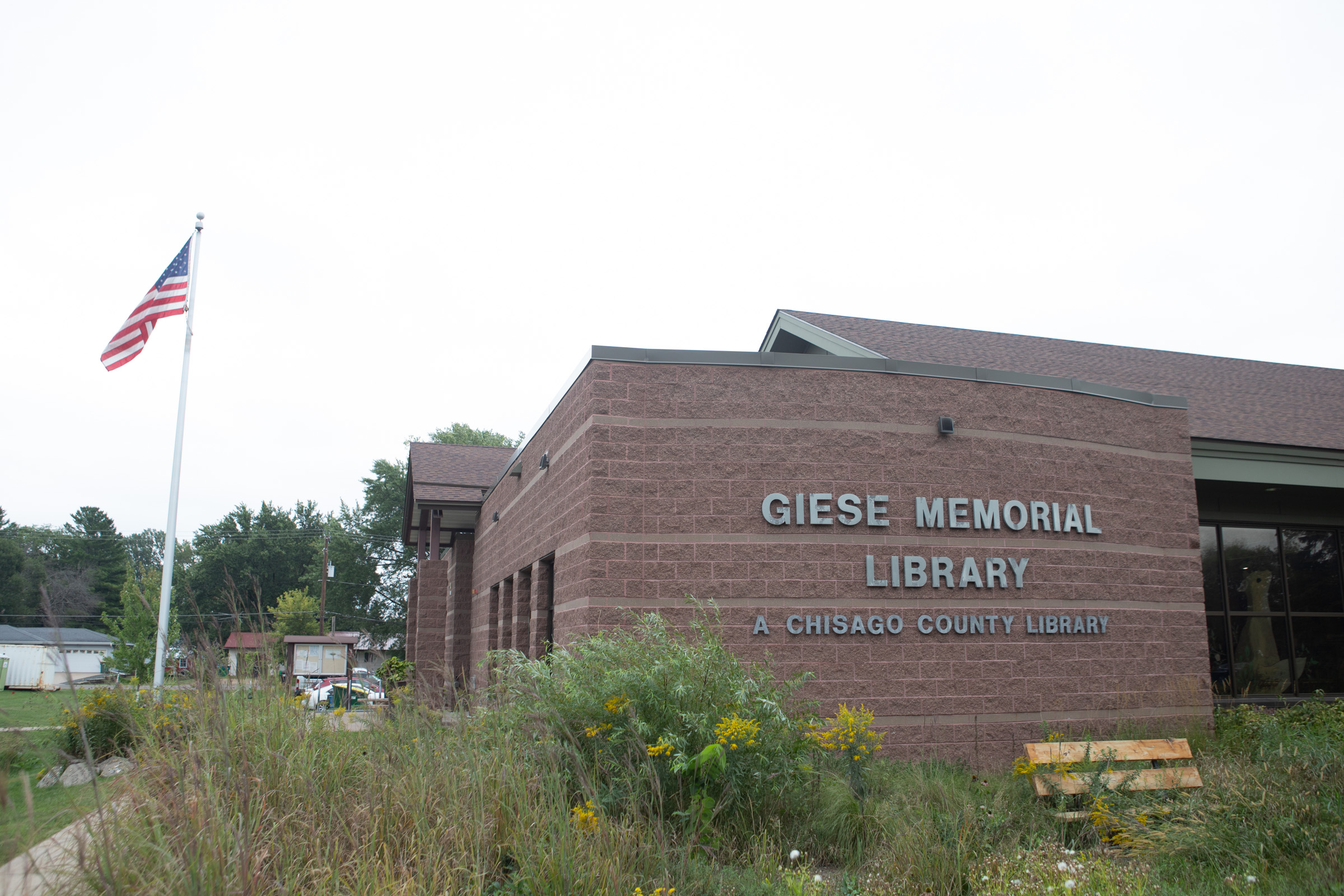
Via the Daily Yonder, a good piece on how some libraries are using "extended access" to let residents use the library building after hours. "Extended access goes by many names depending on location. The Summit County Library in Utah calls it extended access hours. In Nevada County, California, the program is called Open+ Access. At the Independence Public Library in Kansas, it’s called Open Access. And at the Timberland Regional Library, which serves five counties in western Washington state, it’s called Expanded Access," the report notes.
Users don’t necessarily have access to the library 24 hours a day, the report notes, but the value is there. "Ryan Stigile, a pastor who lives in Wyoming, Minnesota, enjoys using extended access because it provides another space for him to get his work done, particularly in the evening. 'Just being able to have an extra space to work in a community that does not have a ton of evening options available,' Stigile said while working on his computer at the Wyoming library. 'We don’t have any coffee shops, so it’s this or McDonald’s.'”
ACRL Shares Report on the State of Academic Libraries

The American Library Association this week shared the ACRL's annual Academic Library Trends and Statistics Survey, which gathers critical information about academic library staff, expenditures, collections, circulation, and information services. "This report focuses on U.S. academic libraries in fiscal year 2025 (the 2024–25 academic year). With the sunset of the Integrated Postsecondary Education Data System (IPEDS) Academic Libraries component after FY 2024, ACRL’s annual survey is the only source of comprehensive, national data."
Hoopla's Take on the Urban Library Council's Digital Content Panel
 Syndie Woon Sam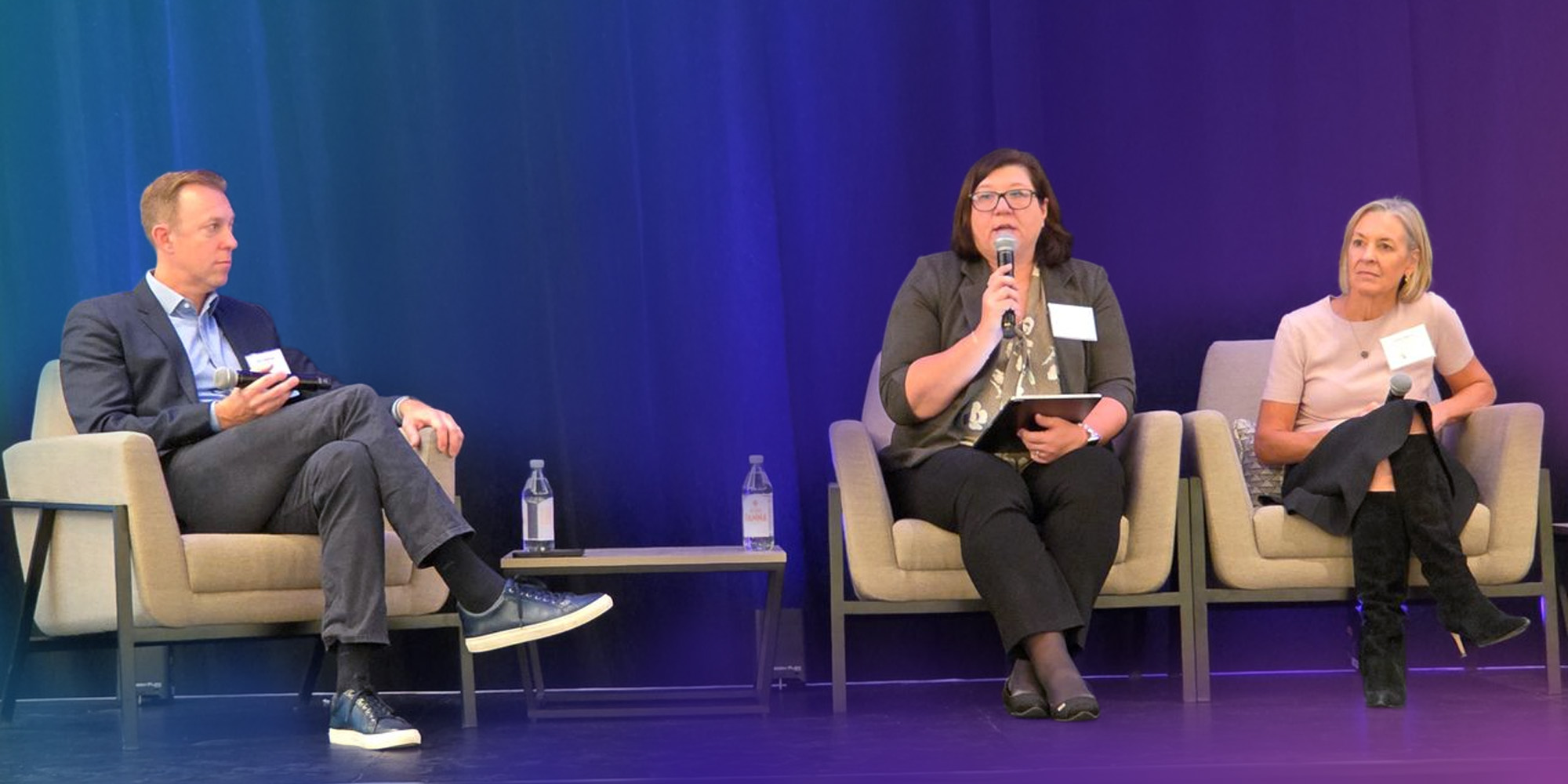
Catching up post-Frankfurt Book Fair, I found this post over at Hoopla's The Hub to be an interesting recap of a panel at the 2026 Urban Libraries Council Annual Leadership Forum titled Behind the Download: Transparency, Trust, and the Future of Digital Access that featured leaders from Hoopla, OverDrive, EBSCO, BiblioCommons, and Ingram Library Services.
"[Hoopla VP] Ann Ford pointed to U.K. author Lisa Jewell as an example of the power of libraries," writes Hoopla Director of Customer Messaging Trenton Smiley. "When Hoopla promoted Jewell’s books to U.S. readers, libraries helped make her a bestselling author. In Ann’s view, library influence is a major reason titles become bestsellers, and publishers shouldn’t get all the credit."
And Finally This Week...


A hearty congratulations to Pioneer Library System's Lisa Wells on being named the Urban Libraries Council's Library Advocate of the Year.
“Lisa understands that meaningful progress comes when we act together, speak with a shared voice, and remain committed to the long work of change,” said Brooks Rainwater, president and CEO of the Urban Libraries Council, in a statement. “Lisa has done incredible work not only for Pioneer Library System and her own community, but for every ULC member. She shows why libraries remain in demand.”
In her own statement, Wells said the award is "a reflection of what we can accomplish when libraries come together around issues that impact our communities.”
“Advocacy is most powerful when we share our stories that elevate the impact of our work, engage in civil discourse, and stay committed to the work even when progress takes time," Wells said. "I am deeply honored to receive this recognition from the Urban Libraries Council and grateful for the opportunity to help advance a more sustainable future for public access to digital content. The work continues, and I am honored to be a part of bringing us together.”