The Queue: Library News for the Week Ending October 9, 2026
Among the week's headlines: an American organization wins an international publishing award for opposing censorship; Penguin Random House hosts its second Save our Stories Supper; Banned Books Week by the numbers; and public library ebook lending at the Frankfurt Book Fair.

The Media Coalition Wins the International Publishers Association's Inaugural Freedom of Expression Defenders Award
For the first time in my long career, I'm at the Frankfurt Book Fair for Banned Books Week (Frankfurt usually runs later in October). But being here has been a powerful reminder that the fight against censorship is global, as defending what the publishing community calls the the “trinity of freedoms”—the right to read, the right to publish, and the right to free expression—is always a big part of the fair.
 Andrew Albanese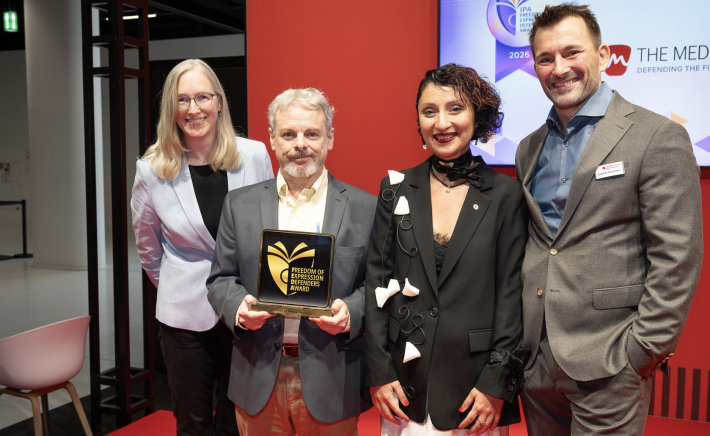
Being in Frankfurt for this year's Banned Books Week has also pulled into sharp focus just how bad things have gotten in the United States: at this year's fair, the International Publishers Association awarded its inaugural IPA Freedom of Expression Defenders Award, (a new prize that recognizes organizations doing vital work in support of the "trinity of freedoms") to the U.S.-based Media Coalition.
Don't get me wrong, this is a well-deserved honor for the Media Coalition. But before 2021, it would have been hard to imagine a U.S. organization winning a global award for anti-censorship efforts, given the many places around the world that lack our robust First Amendment freedoms. And its says something that for this year's first-ever Defenders award, two of the five shortlisted organizations were American.
Chances are you don't know much about the Media Coalition, as they largely work behind the scenes. Founded in 1973, the group organizes and brings litigation with and on behalf of an array of publishers and media partners. Right now, the coalition is instrumental in two ongoing high profile lawsuits impacting the library and publishing communities in the U.S.: litigation over Act 372 in Arkansas, and litigation over Texas's controversial "book rating" law, H.B. 900.
In his remarks accepting the award, Media Coalition Executive Director David Horowitz spoke of the more than 40 cases the group has participated in over the years—and despite recent setbacks in the appeals courts, he pledged that the Media Coalition will continue to fight. "We’re committed. Our members are committed. The book community is committed,” he said.
 Andrew Richard Albanese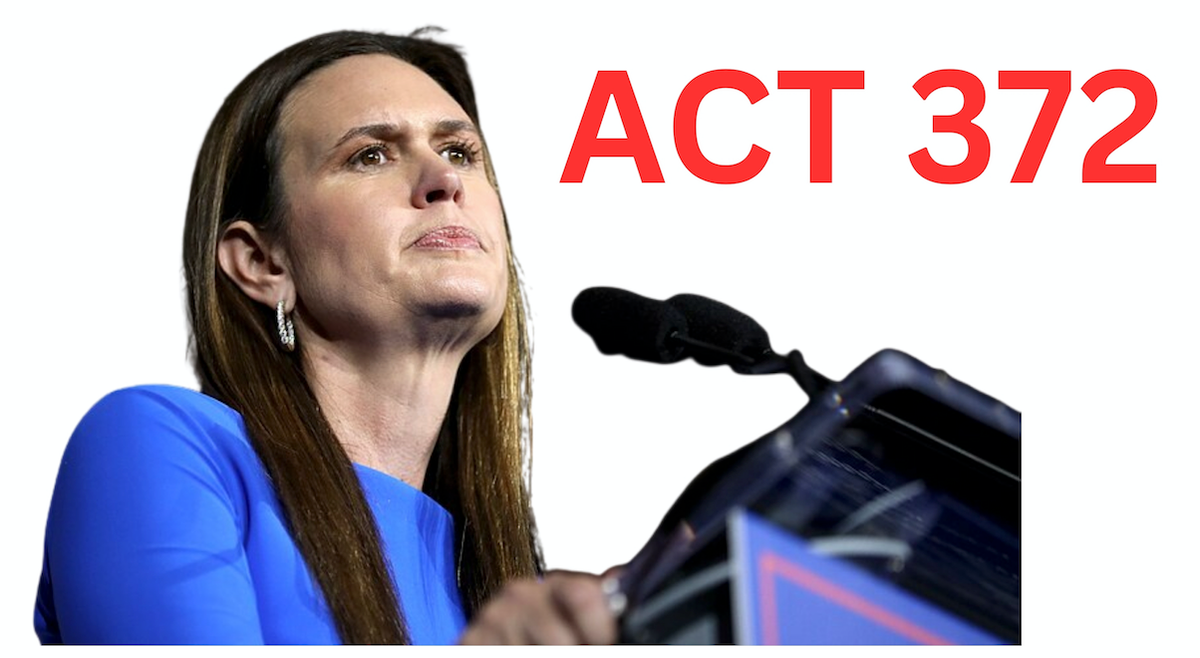
Meanwhile, the other U.S.-based organization nominated: the Penguin Random House Intellectual Freedom Taskforce. Chaired by PRH SVP Skip Dye and ably guided by PRH Associate General Counsel Dan Novack, the task force is playing a vital role in several lawsuits and legislative efforts in defense of the freedom to read. They have done remarkable work, and easily could have taken the top honor.
This Banned Books Week, we can be proud that we have some excellent professionals committed to defending our First Amendment freedoms. But still, seeing an American free speech organization take home an international prize for fighting censorship was a jarring reminder that the U.S., long a beacon for freedom of speech around the world, now finds itself in an alarming state.
Penguin Random House Hosts Second 'Save Our Stories Supper.'

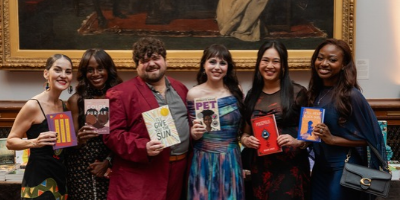
An early Frankfurt Book Fair this year meant I also missed the opportunity to attend Penguin Random House's second Save Our Stories Supper, which was held on Monday evening, October 5, at the New York Public Library. I was grateful to be invited to last year's event in Washington D.C., and it was inspiring to celebrate the people on the front lines standing up for the freedom to read.
“The challenges before us are real. But we have also seen that the work of this community can make a difference," said PRH CEO Nihar Malaviya. "We can pass good laws and stop harmful ones. We can stand with authors of all identities and backgrounds by defending their stories, ideas, and right to be read. We can support the librarians, educators, students, parents, and advocates fighting for access to books. And together, we are doing exactly that.”
Turkish Publisher Wins the AAP's International Freedom to Publish Award...Again
 Andrew Albanese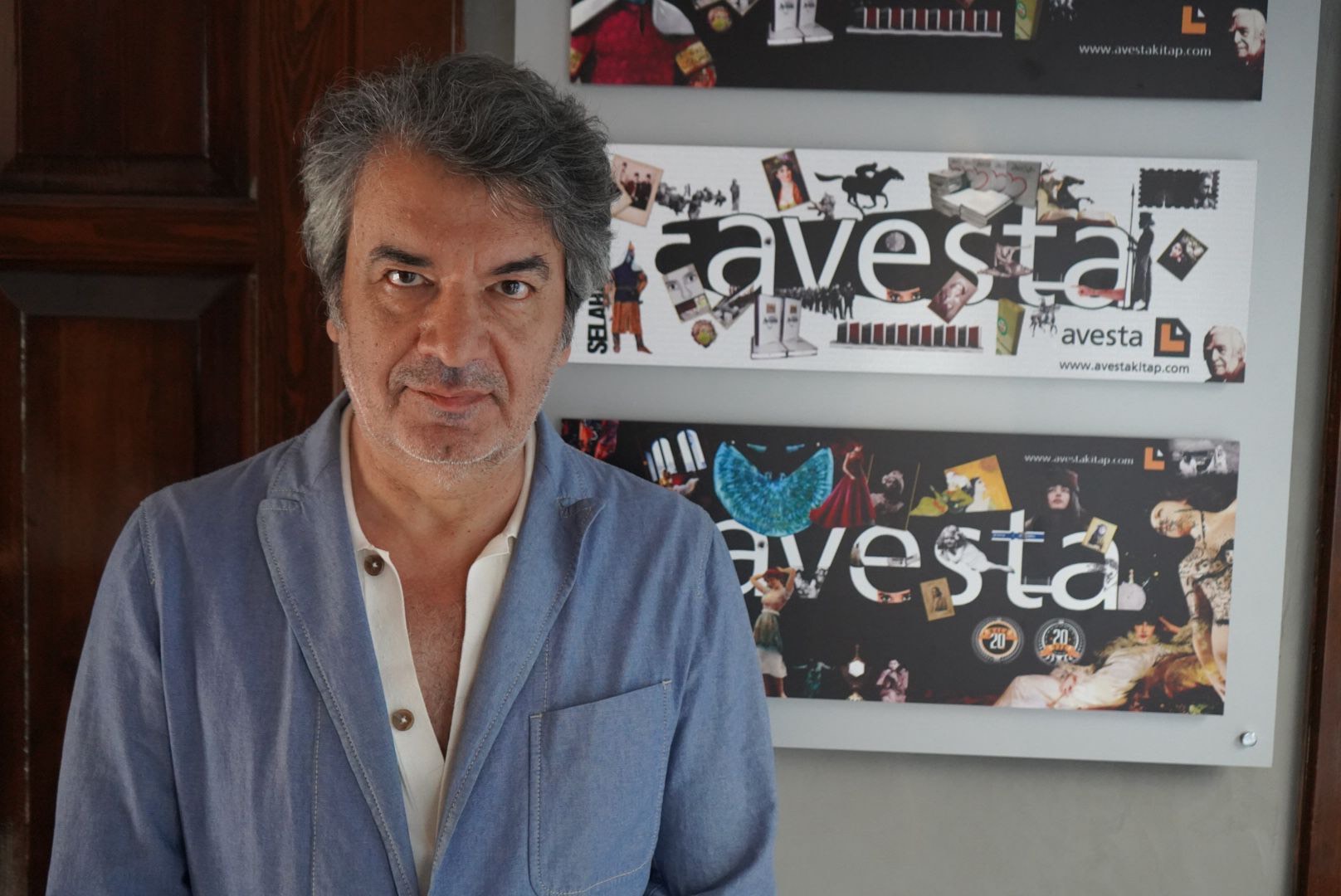
As I reported this week for Publishing Perspectives, the Association of American Publishers announced that Avesta Publishing House, based in Türkiye, has won the 2026 AAP International Freedom to Publish Award. Previously, Avesta was the 2005 Freedom to Publish Award recipient, and in 2019 the house was also honored in the “Publisher” category of the Turkish Publishers Association’s Freedom of Thought and Expression Awards.
“We are moved to celebrate Avesta’s brave, decades-long struggle because it underscores an essential fact: the battle for free expression is central to freedom more generally but is never truly won. It must be fought over and over, day by day, and decade after decade," said AAP President and CEO, Maria A. Pallante, in a statement. Avesta House was founded in Istanbul in 1995 and has faced numerous challenges, including several lawsuits in Türkiye’s State Security Courts between 1997 and 2007, and, between 2017 and 2025, more than 20 of their books were banned by local courts.
Banned Books Week by the Numbers
 Greg Landgraf
American Libraries has its annual feature on Banned Books Week stats, and there are two worth calling out. The first: 92%, which is "the percentage of library censorship attempts in 2025 that were initiated by pressure groups, government officials, and decision makers." Politicians on the right wants you to think these measures are about parents' rights. They're not.
Meanwhile, with the November elections fast approaching, the stat that really pops is this: "2/3." That's "the share of school board candidates in Florida supported by Moms for Liberty in 2022 who were defeated, did not seek reelection, or are facing runoffs this November." A good reminder that while the efforts of freedom to read advocates in the courts and in legislatures are vital, we must also win at the ballot box.
Free Webinar: What Are Reasonable Library Ebook Costs?
 Michael L. Blackwell
A last reminder that COSLA, Lyrasis, and ReadersFirst are hosting a free webinar next week on what are reasonable costs for library ebooks. The online event is set for Tuesday, October 13, 2026, from 1-2 p.m. ET, with an optional 30 minutes afterwards for group discussion of “the affordability crisis” in the digital library market. You can register here.
Speakers include Amy Mikel, N.Y. State Ebook Working Group; Carmi Parker, Librarian, Whatcom County Library System; Lisa Radha Vohra, Director, Collections & Membership Services, Toronto Public Library; and Michael P. Santangelo, Director for Collection Management at BookOps.
“Library conversations about what ebook costs should be have gone on since HarperCollins introduced a metered access model in 2011," reads an event description. “Should we begin with some comparison to consumer costs? Terms which we often already get from Indie publishers? To some equivalent with our print costs? Some model that factors many variables? Join a panel of library selectors and others who have studied this issue in-depth for a lively discussion of the vexing question: What is Reasonable?
PEN America: Record Number of Titles Banned in Schools in 2025
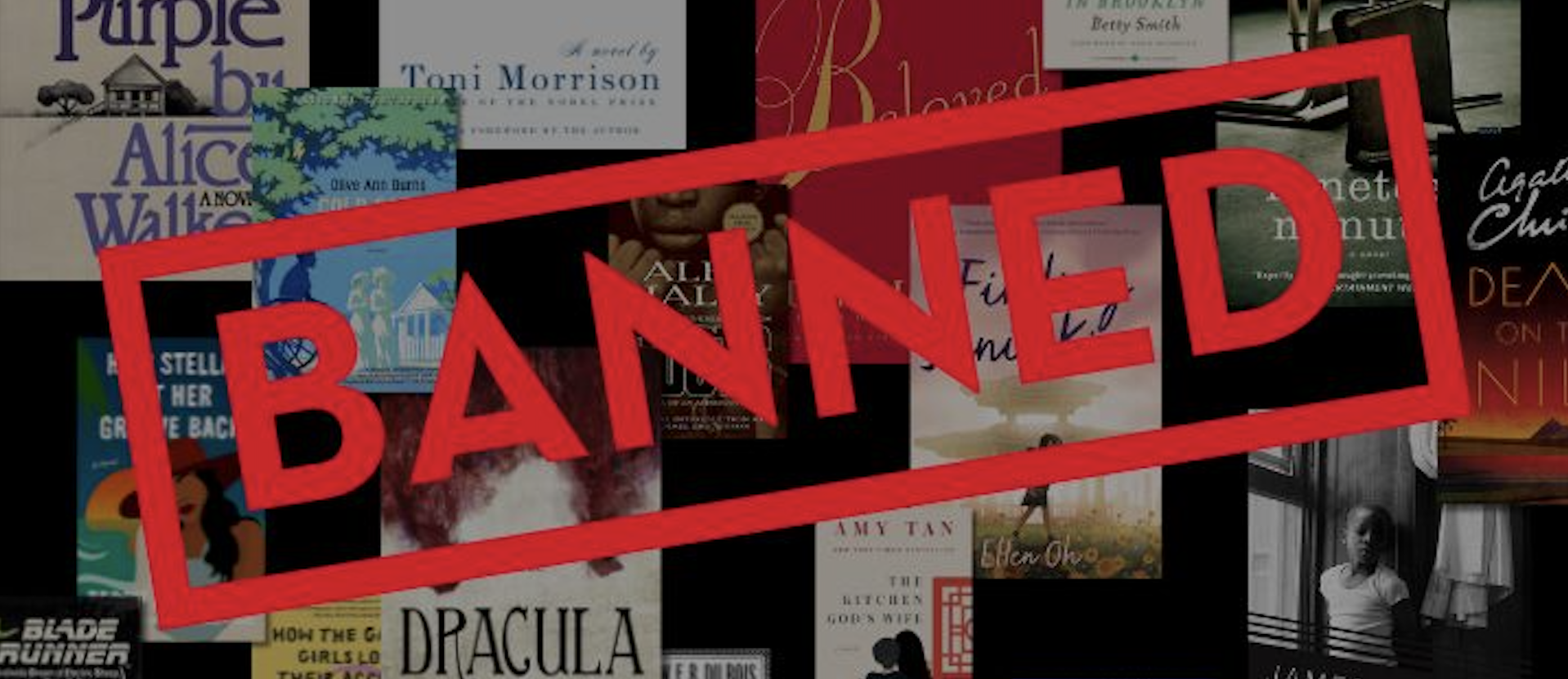
PEN America today reported nearly 12,000 book bans in public schools nationwide during the 2025-2026 school year—the largest number yet for a single year. The report cites new state censorship laws coupled with "the use of artificial intelligence to remove books en masse" for the increase.
"In a report released to coincide with Banned Books Week, the latest accounting of book bans increased to 34,000 instances since PEN America began documenting the spreading book censorship crisis in schools in 2021," reads a PEN America release. "Texas recorded the largest number of book bans during the 2025-2026 school year (over 8,100), surpassing Florida (over 3,200), due to the impact of a censorial Texas law, SB13, which bans broad categories of books in schools. Florida had been No. 1 for three consecutive years."
Texas Lawmakers Want to 'Tighten' New State Law that Has Already Led to Record Number of Book Bans
Since the passage last year of state law S.B. 13, Texas now leads the nation in books banned from public schools. But as we reported this summer, that's not enough for Texas Lieutenant Governor Dan Patrick, who has since threatened schools for not banning enough books. Now, KERA reports that a group of Texas state senators are considering "strengthening" S.B. 13.
 Steven Ardary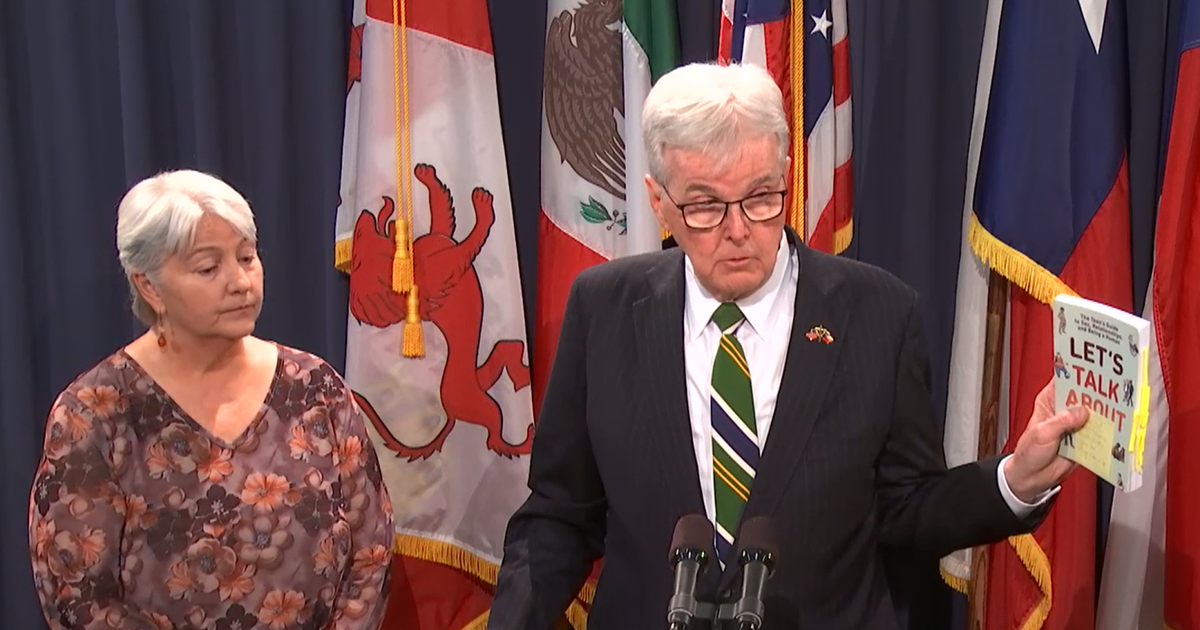
"During a Senate Education Committee hearing Wednesday, lawmakers heard about what some speakers called loopholes in Senate Bill 13." the report notes. "Denton-area state Sen. Brent Hagenbuch said despite the law, some books containing explicit material still remain in school libraries. He cited a podcast with Lt. Gov Dan Patrick and conservative and controversial activist Bonnie Wallace, who told Patrick '20% of school districts' have removed books by local councils, 'but 80% have done nothing.' Books she deems indecent, profane or educationally unsuitable remain or may remain on library shelves."
A Primer on Fighting Book Bans
 Kelly Jensen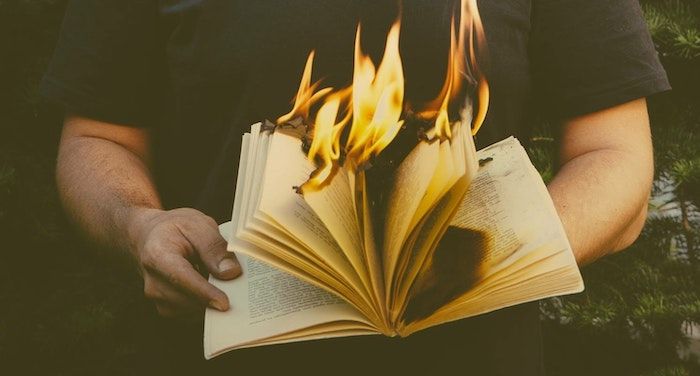
Over at Book Riot, Kelly Jensen's must-read censorship news column is off this week, but she has a great piece offering 60 ways you can stand up for the Freedom to read. "The reality is that what’s at stake are our public institutions of democracy: public libraries and public schools," she writes. "Also at stake are the lives of whole groups of people whose stories are being silenced, erased, and burned nationwide by a small, vocal, wealthy, and well-connected contingent of far-right politicians and Christian nationalists (sometimes those groups are the same)."
ALA Releases Economic Impact Report in Response to FCC Attempt to Kill E-rate
This week, the Schools, Health & Libraries Broadband (SHLB) Coalition, which includes the American Library Association, released report showing that the FCC's E-Rate program, which has long subsidized broadband connectivity for libraries and schools, generates "substantial economic benefits that extend well beyond the schools and libraries receiving support." As Words & Money has reported, the report comes as Brendan Carr's FCC has moved to review the program in a move widely see as a prelude to its potential elimination.
"The analysis, conducted for SHLB by independent economic consulting firm The Brattle Group, estimates that removing roughly $2.6 billion in annual E-Rate support would reduce annual real GDP by about $4.2 billion, or about $1.60 in lost economic activity for every $1 of support removed," the report states. Public comments in the proceeding are due Oct. 13, 2026.
“SHLB’s report shows that the FCC can’t cut E-Rate without a negative impact to our economy,” said ALA Chief Advocacy Officer Lisa R. Varga. “The roughly 75% of public libraries that receive E-Rate funding will find ways to pay the bills, but the cost will inevitably impact resources and programs, ranging from book collections to basic coding classes to testing for GEDs and professional certifications. Americans cannot afford for the FCC to disinvest in broadband for our nation’s libraries and schools.”
And Finally This Week...
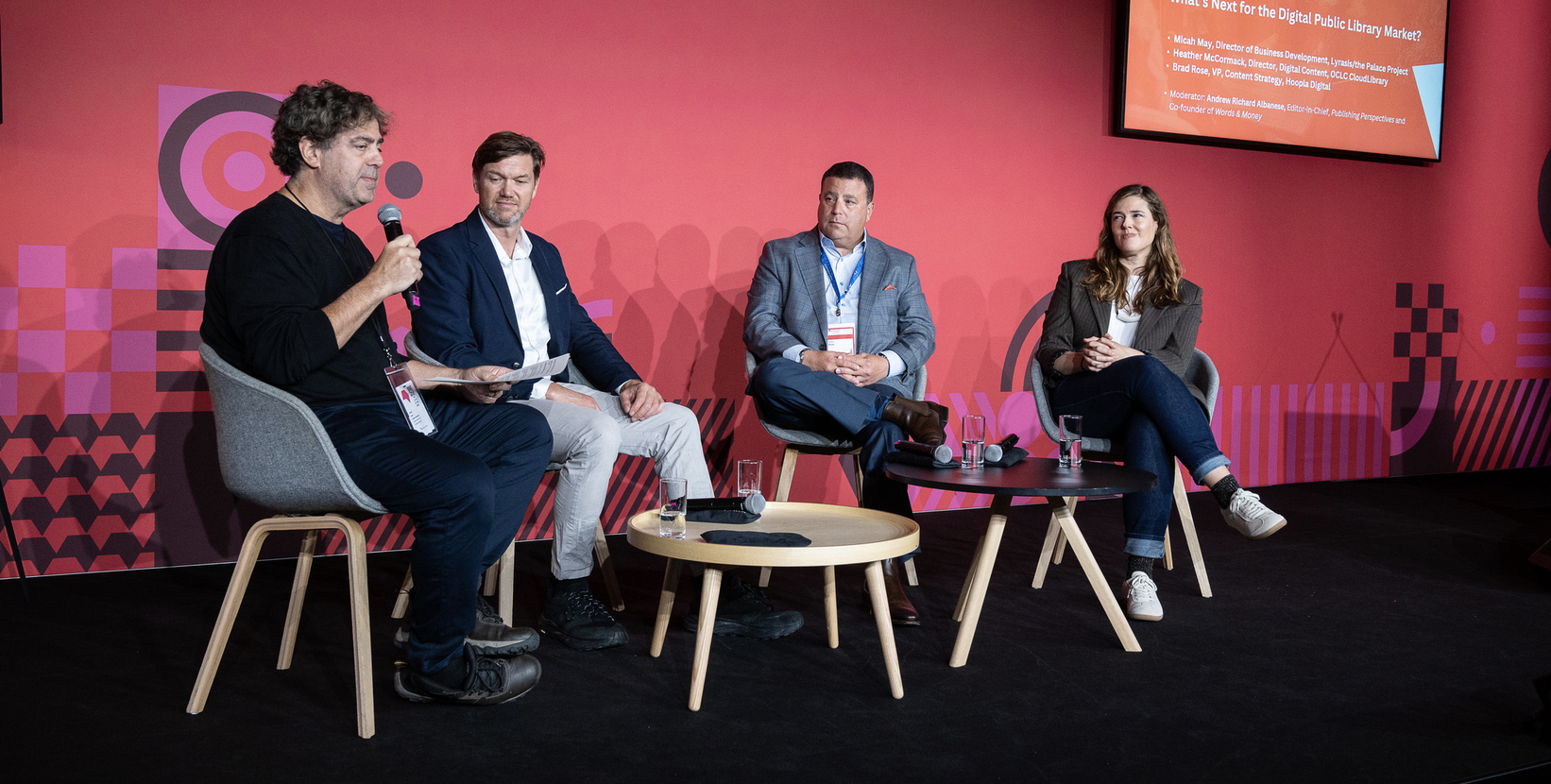
As I'm traveling home from Europe, I've been reflecting on what feels like a great professional moment: moderating a panel on the digital public library market at the Frankfurt Book Fair. The panel included Micah May, Director of Business Development, Lyrasis/the Palace Project; Heather McCormack, Director, Digital Content, OCLC CloudLibrary; and Brad Rose, VP, Content Strategy, Hoopla Digital.
The panel has gotten some nice coverage in in the publishing trade press, including a report from Publishers' Lunch (subscription only), which correctly noted that a Frankfurt panel on public libraries was "rare."
 Katy Hershberger
I'll have more to say on the panel and why I think it is a big deal to get libraries into the discussion at the publishing world's most important international book fair (and hopefully I'll have a video to share when I get home). But for now I wanted to take a moment to express my thanks to the panelists, who did a terrific job talking to an international audience about the promise and the challenges of the digital public library market in the U.S. I was approached by several attendees who were grateful for the discussion, and said the situation was much the same in their territory.