The Queue: Library News for the Week Ending November 13, 2026
Among the week's headlines: Penguin Random House is honored for its freedom to read efforts; More signs that Texas law S.B. 13 is failing; Arkansas approves controversial new library rules; and library advocates discuss whether state laws can fix the issues in the digital library market.

Penguin Random House Honored for Defending the Freedom to Read
It's been a tough five years for librarians and freedom to read advocates amid an unprecedented, well-funded, and politically organized right-wing censorship campaign unfolding in communities across the nation. But it could be worse if not for the efforts of a dedicated team at Big Five publisher Penguin Random House. And this week, that team—the Penguin Random House Intellectual Freedom Taskforce—was recognized by the New York Civil Liberties Union's 24th annual Sing Out for Freedom: The Sound of New York program, where the PRH taskforce was honored with the Pico Justice Award for its efforts to fight book bans.

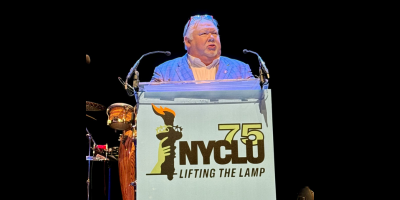
At the event, Skip Dye, chair of the taskforce, accepted the award on behalf of PRH. “This is not the work of one or two people,” Dye said, according to a PRH release, citing the dedication and hard work of his colleagues. “It matters that a company is willing not simply to say that intellectual freedom is important, but to invest in it, to commit its resources, its people, and its voice to defending it,” he said.
The award is named for Steven Pico, the student at the center of the landmark U.S. Supreme Court case Board of Education, Island Trees Union Free School District No. 26 v. Pico, a foundational case concerning the removal of books from public school libraries. And at the event, Dye recalled that he and fellow Taskforce member PRH Associate General Counsel, Dan Novack, spoke with Pico about their work and the long road ahead, which, Pico correctly warned, would be difficult.
But that conversation, Dye told attendees, reinforced a larger lesson: “Rights survive because people and institutions are willing to defend them, again, and again,” he said, stressing that books are more than products. "They are ideas. They are voices," he pointed out. “They allow us to encounter lives different from our own—and sometimes to recognize ourselves in stories that others would prefer we never see.”
As the battle over the freedom to read approaches a crucial juncture, this recognition is very well-deserved.
More Evidence That Texas Book Banning Law S.B. 13 Is an Utter Failure
 Matthew Sgroi
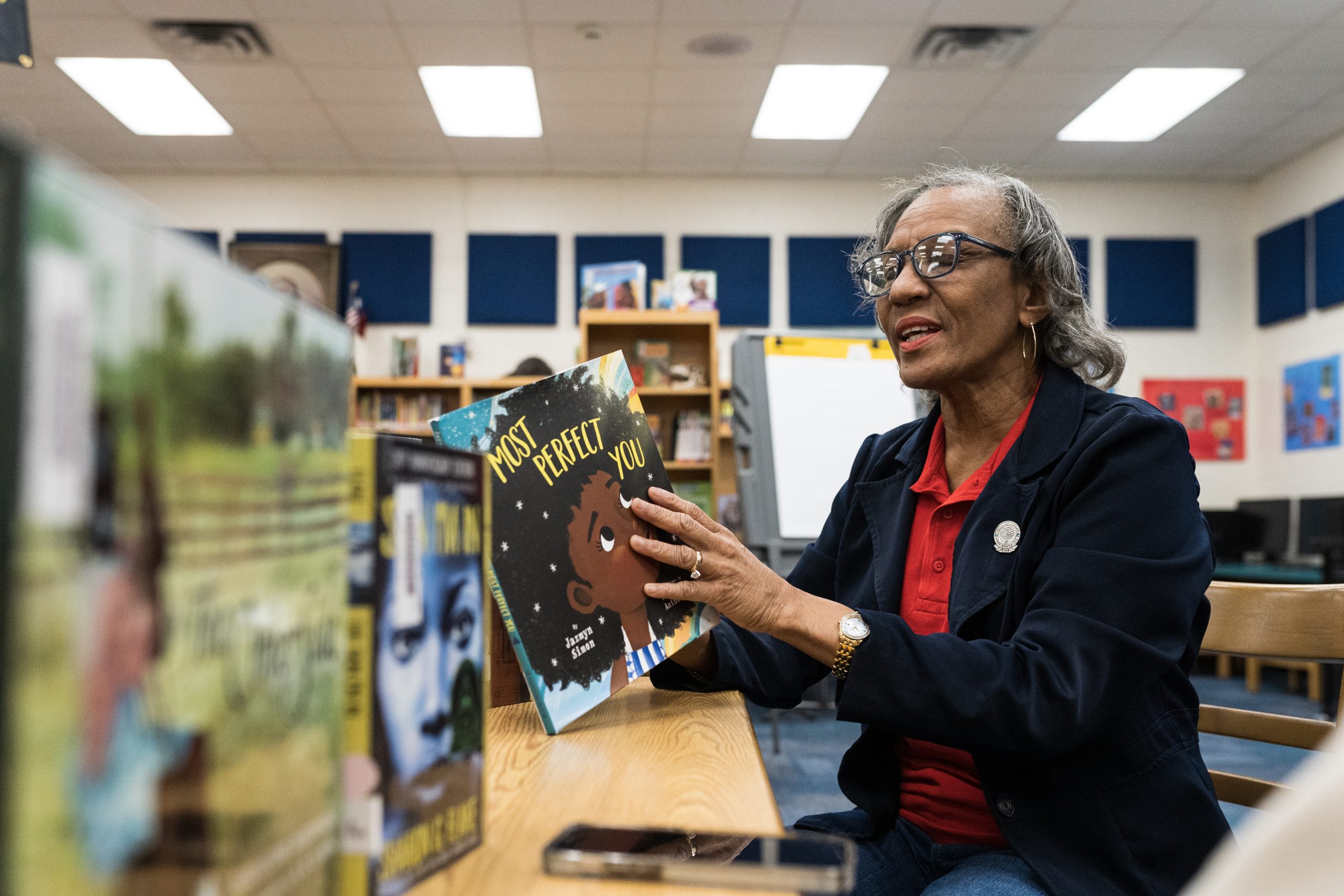
According to The Fort Worth Report, the Fort Worth Independent School District has voted unanimously to disband the "school library advisory council" it established in the wake of Texas state law S.B. 13, saying the council has proven to be "a hindrance to our district’s librarians that does not provide a meaningful service to Fort Worth ISD parents and students.” Like many districts across Texas, the council was established in 2025 following the approval of Senate Bill 13, which set forth new controls for community members over school library acquisitions.
"The vote means librarians and other professional staff will suggest library materials directly to the board, cutting out an extra tier of review that advisory council members said was postponing acquisitions," the report states, adding that council members had struggled to evaluate "lists containing hundreds of books monthly to decide whether they met community standards," leading to delays on new book purchases. However, librarians in the district will still be required to list their proposed acquisitions 30 days in advance, with the school board retaining its power "to accept or decline proposed library purchases." District residents will also still have the ability "to contest books in school libraries."
The vote in Fort Worth is more evidence that S.B. 13, which was pushed by right-wing activists in the state, is a flop. In August, Lt. Governor Dan Patrick warned districts that the state would take action if school districts did not ban more books under S.B. 13, specifically pointing to a list of more than 2,000 titles compiled by conservative activist Bonnie Wallace. But, in a sign that Texans are tiring of the culture wars, Patrick was defeated at the ballot box this month in the so-called "blue wave" that swept across the state.
Meanwhile, as Words & Money has reported, Texas could soon have an even more draconian book banning law in force, as the Fifth Circuit U.S. Court of Appeals is set to hear an appeal on December 3 that could ultimately unblock the controversial 'book rating' provisions of 2023 state law H.B. 900, which a federal judge in August 2023 had found to be unconstitutional.
 Andrew Richard Albanese
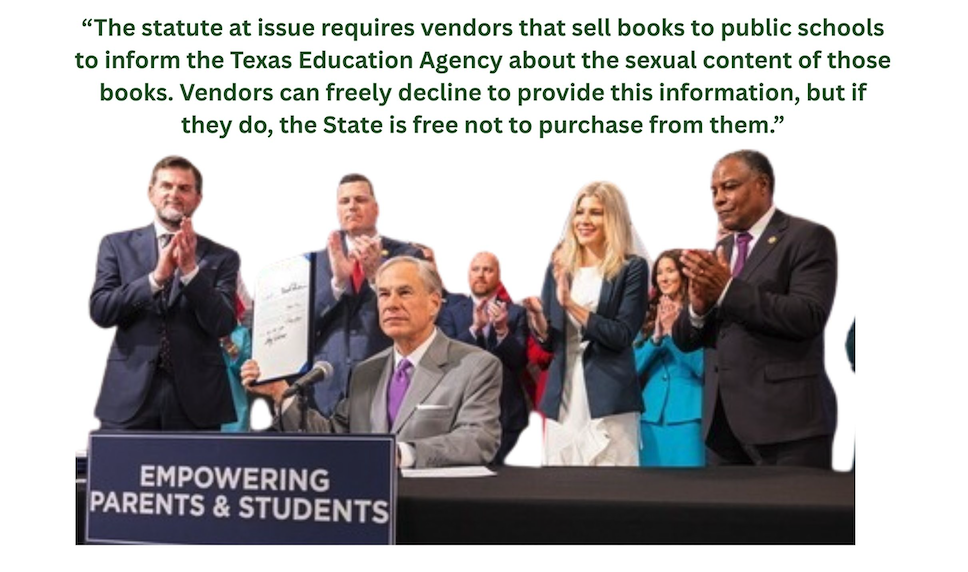
One of the most closely-watched book banning laws in the country when it was first introduced, the book rating provision of H.B. 900 would require bookstores and vendors to review all books at their own expense and rate them for “sexual content” as a condition of doing business with Texas public schools. Books rated “sexually explicit” would then be banned entirely from Texas public schools while books rated “sexually relevant” would require written parental permission for students to access them.
Arkansas State Library Board Approves Controversial New Rules on Minors' Access to Certain Books
 Rebekah Hall Scott

After a chaotic hearing, the Arkansas State Library Board today approved a new set of rules that will empower the state to withhold funding from libraries that do not restrict minors' access to certain materials in the state's public libraries—albeit with some vague, hastily added changes.
As reported by the Arkansas Times this week, "under the proposed rules, patrons age 16 and under would be required to get parental permission to check out materials categorized as 'adult' or 'sexually explicit,' as defined by federal law. There is also a prohibition on 'human genitalia,' which would include art books depicting naked baby angels and other nude works of art," the report notes. In addition, books deemed “sexually explicit” would also have to be shelved "in an 18+ section of the library."
At its November 13 meeting, which Words & Money listened to, the board (which was appointed entirely by GOP governor Sarah Huckabee Sanders after state lawmakers voted last year to abolish the previous board), initially voted to approve the new policy. However, a discussion then began about what books the rules actually covered under federal law and the Supreme Court's long-established "Miller Test," a rather odd discussion to finally be having after a vote. Remarkably, that discussion led the board to "expunge" its previous vote, and to add a vague, hastily crafted amendment (which was spitballed on the spot) to exempt certain reference works, religious texts, and books of fine art. A new vote was then taken, and the new policy was passed with the exemption.
Notably, at the start of the discussion, Board Chair Clay Goff conceded he had "never heard of the Miller Test," a surprising admission from someone appointed by a governor to helm a state library board. But after the discussion, Goff made another surprising admission. "It's my understanding that if we use the Miller test, no book moves, and and that's not what we're going for, right?" Goff concluded. "So what's in the children section today will stay in the children's section, which is one of the main reasons why there's a new board."
This week, PEN America warned that the new rules would put Arkansas libraries "in an absurd double bind," forcing them "to choose between removing access to books and resources for their young patrons, or losing funding that supports vital and popular services."
In response to the vote, PEN America's Madison Markham said that, despite the board adding "a minor amendment to exempt certain nonfiction texts," the new policy "sends a fundamental message to children and teens that it does not trust them to be curious or interested in reading freely, and could discourage them from reading at all."
In a statement, Allie Grosselink, chair of the Arkansas Library Association Intellectual Freedom Committee and director of Calhoun County Library, said that while librarians "appreciated that the board understood the need to make some changes," the rules that passed remain problematic. "I think it's tragic to upend entire sections of developmentally-relevant materials for children and teens by relocating constitutionally-protected artistic and scientific books. Public libraries do not act in loco parentis, and we cannot parent for Arkansans."
South Carolina Library Director, Fired Amid Attacks by Book Banners, Sues for Wrongful Termination
 Dustin George
Via WSPA, Stephanie Howard, the former director of the Pickens (South Carolina) County Library System who was fired earlier this year, is suing for wrongful termination and defamation claiming she was the target of "a years-long campaign of defamation, harassment." Howard, an award-winning librarian, was fired in February after she announced that the library "would have to pause youth programs to give staff time to review more than 86,000 books on library shelves in order to comply with a new content policy set by the board," according to the report.
In a section of the lawsuit that will resonate with many librarians across the country, the complaint accuses a right wing activist of a "coordinated campaign of harassment and defamation" against Howard, and accuses the board of firing her on false grounds.
"Serving as Director of the Pickens County Library System was Ms. Howard's dream job. She grew up in Pickens County and loved serving the community in this way," attorneys for Howard said in a statement. "As shown in the complaint, Ms. Howard suffered years of harassment for simply doing her job, until she was ultimately fired. She looks forward to her day in court."
 Kelly Jensen
Over at Book Riot, Kelly Jensen offers a good recap of the history behind Howard's complaint, and makes the observation that librarians who have sued "for wrongful termination in the last several years" have won settlements.
One side note: attorney Iris Halpern, who won several settlements on behalf of multiple wrongfully fired librarians around the country in recent years, including Brooky Parks in Colorado, Suzette Baker in Texas, and Terry Lesley in Wyoming, was just elected to the Colorado House of Representatives.
Author Patricia McCormick Talks Book Bans at Wyoming Library That Fired Former Director Terri Lesley for Opposing Book Bans
 Clair McFarland
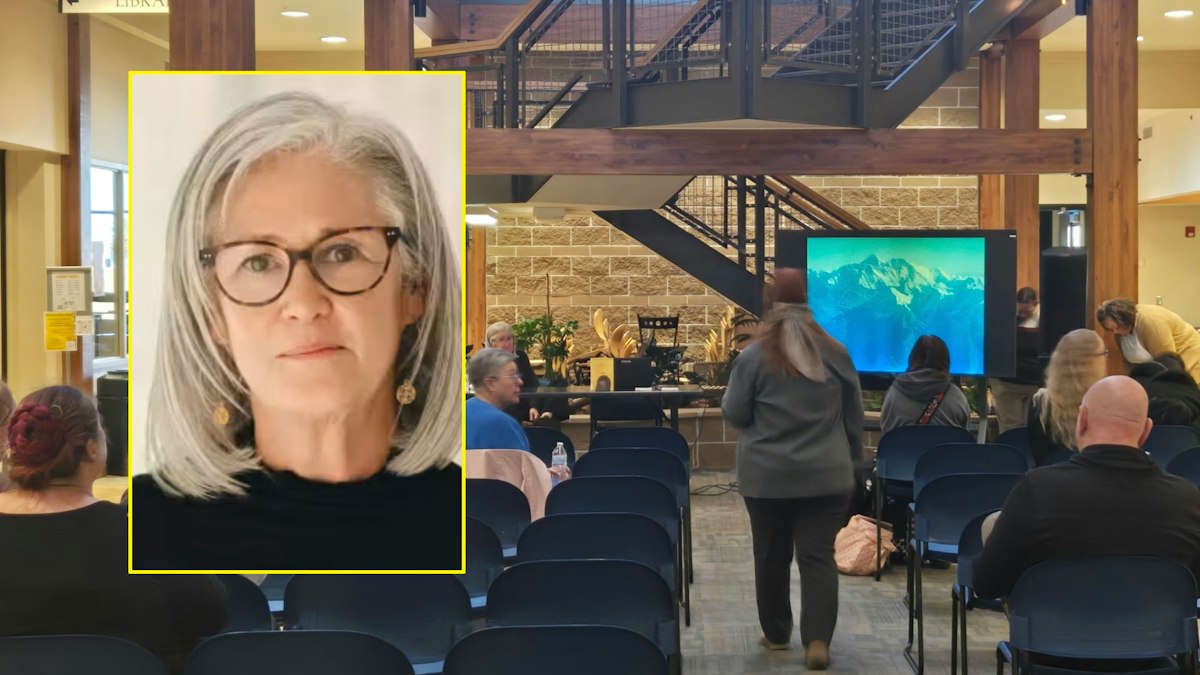
The Cowboy State Daily reports that award-winning author Patricia McCormick, whose 2006 book Sold topped PEN America's 2025-26 list of “most banned book” spoke this week at the Campbell County Library in Gillette, Wyoming, which has seen its share of controversy over book bans, including the firing of Terri Lesley in 2023.
"McCormick said she has interviewed Lesley in the past, but the significant coincidence of her speaking at the library of Lesley's showdowns didn't hit her until early this week, when she drove past it," the report notes. "And I thought, this is really a statement about this library, the librarians in particular, and their commitment to serving their community and bringing in all kinds of books and all kinds of materials," McCormick said.
Maia Kobabe on Censorship, and Advocacy
 Kelly Jensen
Over at Book Riot, Kelly Jensen leads off her weekly censorship news column with an interview with author Maia Kobabe, whose book Gender Queer is one of the nation's most banned books. It's a great talk.
"Having my personal story, my life, called inappropriate for teen readers is really frustrating. I was a teen when I had many of these experiences, thoughts, and questions," Kobabe said. "I definitely worry about young readers in communities wrestling with book challenges, who might see a book they deeply related to called inappropriate, harmful, pornographic, etc by adults aiming to suppress the book. I really hope none of those young readers internalize the message that their own thoughts and feelings are also inappropriate or too shameful to share."
'Future Knowledge' Podcast Addresses State Library Ebook Laws

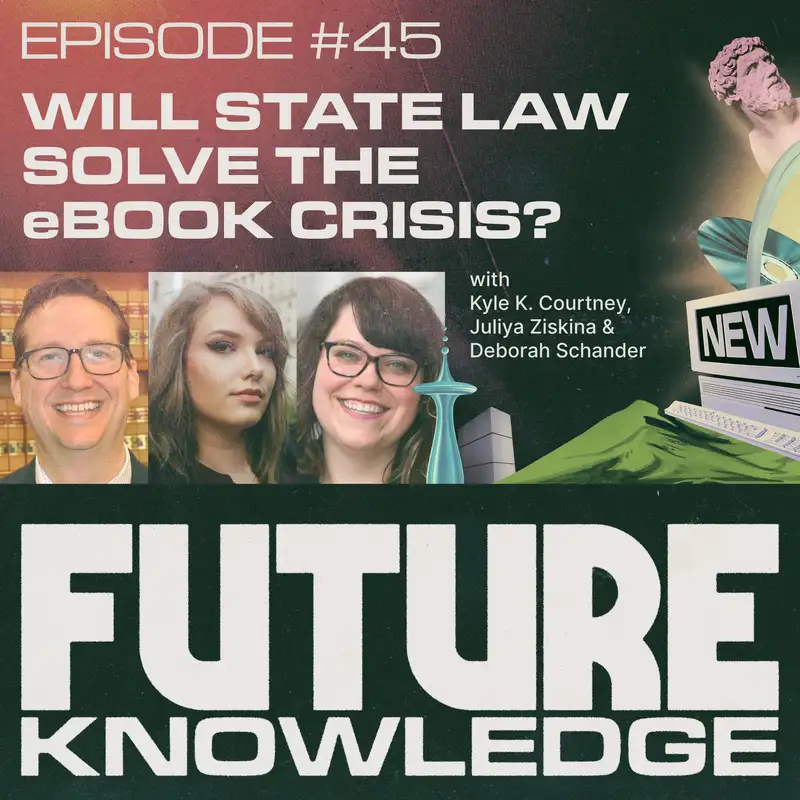
If you're curious about where state library ebook laws stand and what they're looking to accomplish, the latest edition of the Internet Archive/Authors Alliance Future Knowledge podcast features Library Futures Juliya Ziskina, Ebook Study Group's Kyle Courtney, and Connecticut State Librarian Deb Schander. It's a wide-ranging talk well worth a listen (and you can also read the transcript if you prefer).
In one of the more interesting points of discussion, Ziskina addresses whether these state laws can actually fix the core issues in the digital library market. "I wanna be very clear that the legislative efforts that we're talking about kind of just mitigate the problem, but they don't solve the issue of corporate contract override of a library's public interest mission," Ziskina explains. She then talks about what "success" would look like.
"I see the success in, like, two stages almost, short-term and long-term," she continues. "In the short term, I see it as functionally a library should be able to do with an ebook what it can do with a print book. So, meaning it can lend it in the same ways without the exploitative license expiration terms."
And, in the long term: "success to me means digital ownership," Ziskina suggests. "Ownership is what makes it possible for libraries to build real, actual collections, and to preserve digital materials for purely public interest motives."
North Carolina Libraries See 'Record Demand' and Long Holds Lists for Digital
 Jennifer Eggleston

The good news, according to local affiliate WSOC is that Charlotte, North Carolina libraries are seeing "record demand" for books. The not-so-good news is that holds lists for digital books are getting longer.
"Libraries across our area are seeing sizeable growth, especially in areas where the population is booming," the report notes. "Our biggest hold item in Libby is actually an e-audio book with 195 holds,” librarian Donna Andrews told reporters, “and believe it or not, we actually have 20 copies of that particular audiobook.” (The book: Kathryn Stockett's The Calamity Club).
Apparently the same holds true for neighboring Union County. “The price of a digital copy is much higher for a public library versus a regular consumer,” Union County librarian Nina Chaffin told reporters. “So, whereas you would pay a regular $15 fee for an ebook, we’re going to spend about $85 for the same title. So, we can’t purchase as many copies to create the waitlist, to make it go down, just due to funding restrictions.”
New Maine State Library Policy Blocks ICE Access
 Jay Field
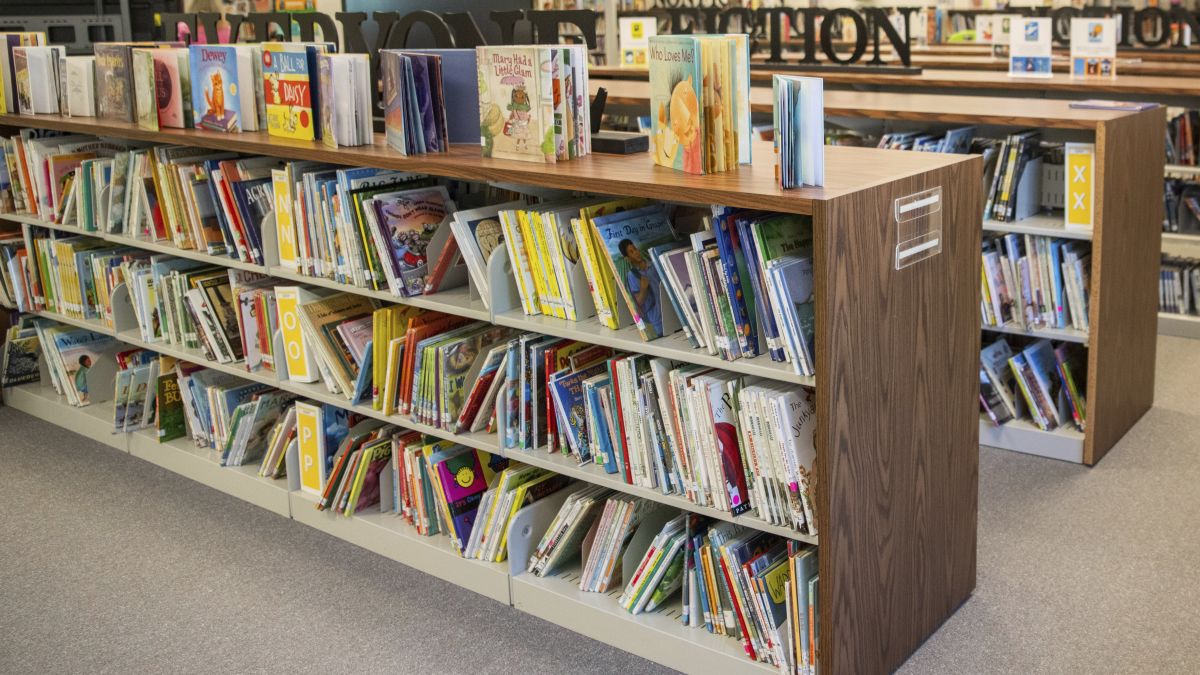
The Maine Monitor reports that the Maine Library Commission has unanimously adopted a policy this week that prohibits anyone “acting on behalf of the state library” from voluntarily granting law enforcement officers access to nonpublic library areas for immigration enforcement."
The policy calls for library staff members "to contact the designated administrator on duty if the officer possesses a court-issued warrant or any other official documents authorizing immigration enforcement activity," the report notes, adding that the policy also instructs library staff members "not to physically interfere with a law enforcement officer who attempts to access nonpublic library areas before this review process occurs."
The guidelines also make clear that staff members "cannot voluntarily offer protected patron records to officers seeking information for immigration enforcement."
Florida Libraries Brace for Impact After Passage of Amendment 3
 Donovan McNeal
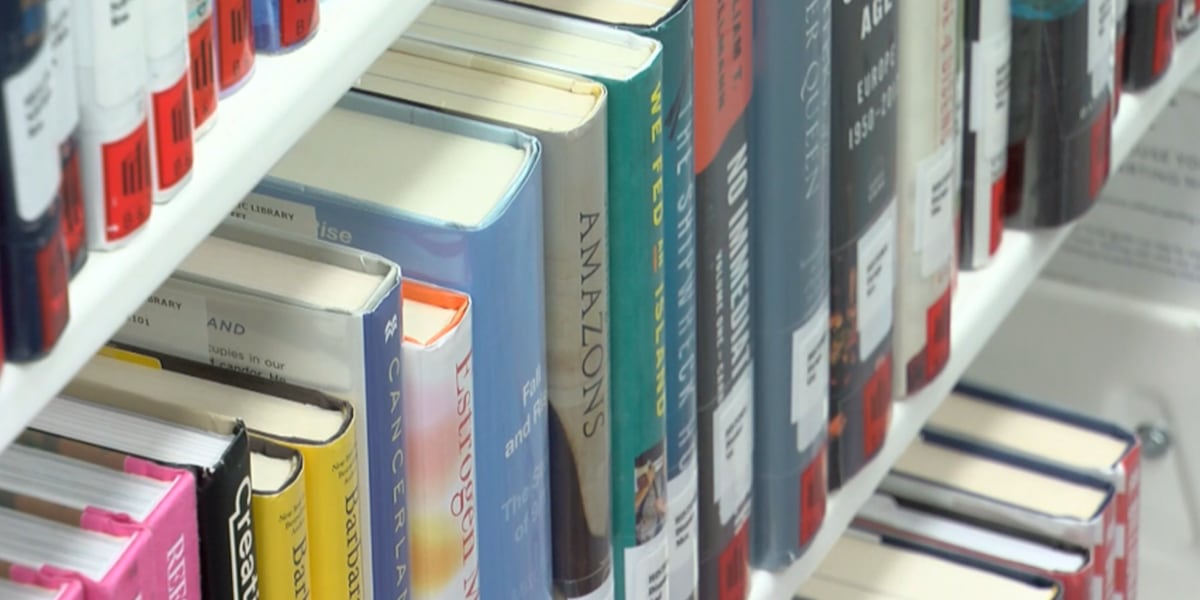
I expect we will be seeing many more stories like this in the coming weeks. WCTV reports that Florida librarians are unsure about funding for library jobs and services after property tax measure Amendment 3 was approved by voters on the November 3 ballot. The report features EveryLibrary executive director John Chrastka, who told reporters that library groups will look to get with Florida legislators early in the new session to deal with potential cuts.
 Julia Hazel
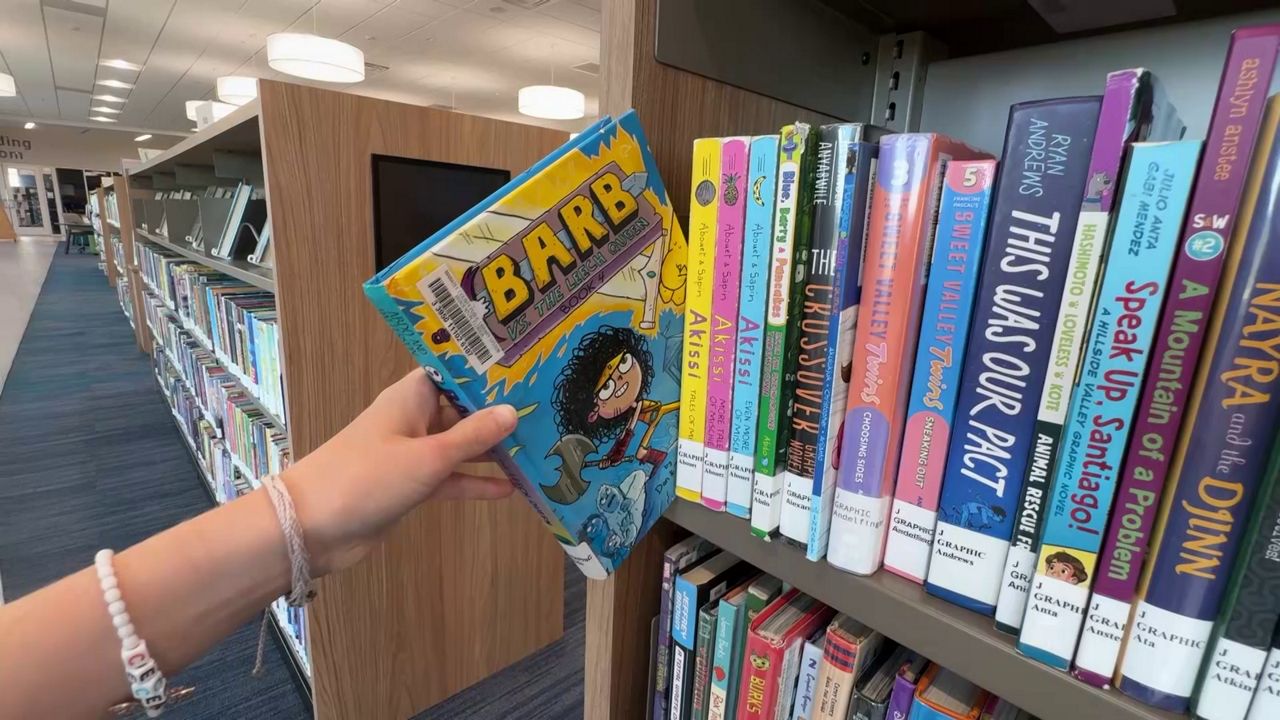
Spectrum Bay News reports that commissioners in Manatee County, Florida, will begin discussing the impact of Amendment 3 in January. "Manatee County’s seven public libraries could face reduced hours, fewer employees, program cuts or even branch closures after the passage of Amendment 3," the report notes. "Manatee County Commissioner Mike Rahn said the county will feel the impact of $176 million in the first two years."
And Finally This Week...
 Denali Sagner
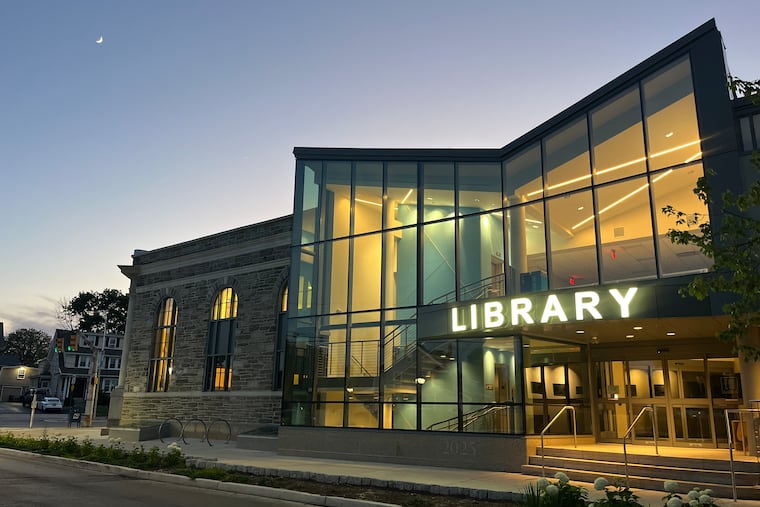
The Philadelphia Inquirer reports that the Haverford Township Free Library is having "a banner year" after the completion of a $22 million renovation.
“All of our statistics are up,” library director Maryanne Olson told the outlet. "Since the reopening, programming, reference queries, and participation have ballooned, Olson said, as residents flock to the building to borrow items, learn new skills, and meet their neighbors." Physical visits to the building, meanwhile, have risen from 106,383 in 2022 to 123,205 in the first nine months of 2026 according to the article.
“It sort of, to me, puts to rest this idea that people don’t need to come to the library,” Olson said.