The Queue: Library News for the Week Ending November 20, 2026
Among the headlines this week: ALA's Lisa Varga on the midterm elections; authors urge N.Y. Governor Kathy Hochul to sign the state's new freedom to read bill; judge says Wyoming librarian Terri Lesley's defamation case can proceed; and Carla Hayden on the power of libraries in their communities.

What's Ahead for Libraries After a 'Historic Political Realignment'
Over at American Libraries, Lisa Varga, chief advocacy officer of ALA’s Public Policy and Advocacy Office, weighed in this week on what the recent election results mean for libraries, noting that "at least 120 new members of Congress will assume office in January, the largest number since 1933."
 Lisa Varga
"ALA anticipates a more favorable reception to library and education investment in the new Congress, as well as a significant shift in policies related to education, telecommunications, workforce development, and other areas," Varga writes. Still, she adds, the change in Congress will not "automatically translate into wins for libraries" if the Trump administration continues to press for the "dismantling of IMLS, the Department of Education, and programs that support libraries, such as E-Rate broadband subsidies."
Meanwhile, a primary item on the agenda for the lame duck session: passing a FY 2027 budget. With the current continuing resolution set to expire on December 11, Congress must pass a new one or agree to a budget in order to avoid a shutdown.
"Most of the new congressmembers will be hearing for the first time about issues and programs of importance to libraries, such as E-Rate, IMLS, IAL and other federal funding for school libraries, and workforce programs at libraries," Varga writes. "We need to get to know the newly elected leaders and reacquaint ourselves with those who were reelected (and may receive new committee assignments more helpful to libraries)."

On that score, Varga notes that librarians can subscribe to ALA’s advocacy alerts, follow ALA’s Public Policy and Advocacy Office (PPAO) on Bluesky, and take the time to "introduce yourselves to your newly elected representatives and invite them to visit your library." And for those who can, joining ALA in Washington D.C. for National Library Legislative Day, set for February 24–25, 2027, is well worth it. But hurry: registration is open until November 25.
ALA Announces Candidates for 2028-2029 ALA Presidency, Executive Board Positions

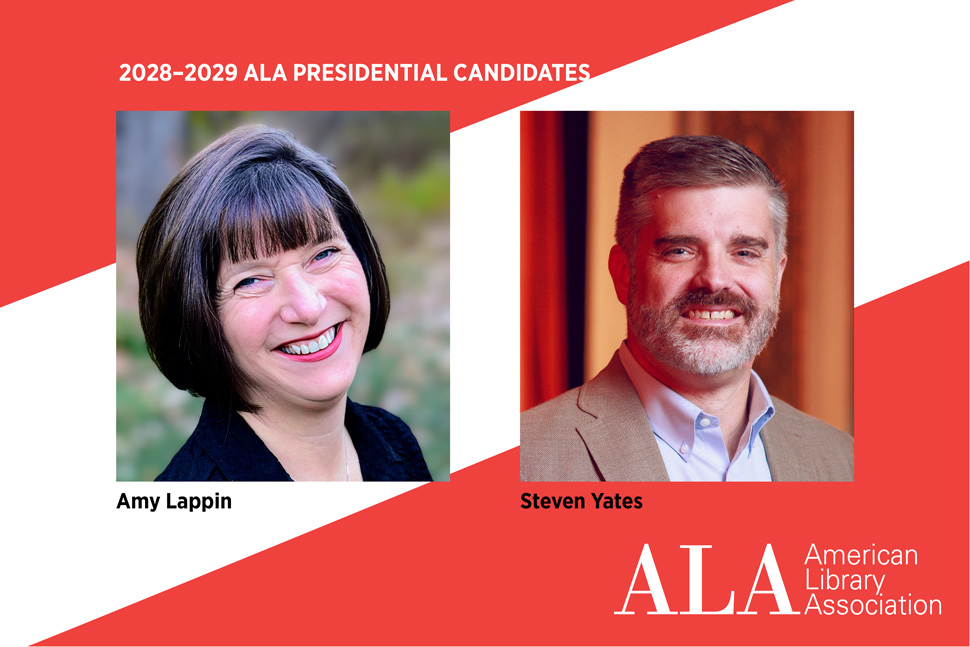
Also via American Libraries, the ALA this week announced the candidates running for ALA president for the 2028–2029 term: Amy Lappin, deputy director of Lebanon (N.H.) Public Libraries, and Steven Yates, associate dean of the College of Communication and Information Sciences and professor of library and information studies at the University of Alabama in Tuscaloosa.
Amy Lappin previously served as a member of the ALA Executive Board (2023–2025), councilor-at-large (2020–2022), and New Hampshire chapter councilor (2010–2019 and 2022–2023). She was also president of the New Hampshire Library Association (NHLA) in 2020, where she received the NHLA’s highest member award in 2022.
Steven Yates previously served as a member of the ALA Executive Board (2023–2026) and councilor-at-large (2022–2026), and he served as president of the American Association of School Librarians (AASL) for 2017-2018, and as president of the Alabama Library Association (2011–2012). He also co-chaired the ALA's Forward Together Working Group (2020–2021).
There may yet be more candidates: "members who are interested in running by petition for ALA president may do so by completing a petition form with the signatures of no fewer than 200 current ALA personal members," the article states.

Meanwhile, in a November 20 release, ALA also announced the names of the five nominated board member candidates who are running for three seats on the ALA Executive Board for the 2027-30 term. The nominees include: Deborah Doyle; Rodney Lippard; Brian Schottlaender; Janice Welburn; and Cathy Zimmerman.
The new members will be chosen by the ALA Council, with the election taking place during the Winter 2027 Council Session in late January.
After Previous Veto, Will New York Governor Kathy Hochul Sign the State’s New Freedom to Read Bill?


At the end of last year, in a move that surprised and disappointed library supporters, New York Governor Kathy Hochul vetoed the state's Freedom to Read Act. Now, a year later, New York legislators have passed a new and improved Freedom to Read bill. But once again, the bill remains unsigned—and the clock is ticking.
This week, with the fate of the bill still uncertain, more than 80 authors have signed on to a letter hosted by PEN America that calls on Hochul to approve the measure. “As a state with a vibrant literary community, New York must take action to protect the rights of its readers, writers, librarians, and educators,” the letter reads. “It’s time for New York to take a stand against book censorship. We ask that you affirm New York students’ right to read by signing the Freedom to Read Act into law.”
According to legislative trackers, despite passing on June 4, the bill has yet to be delivered to Hochul's desk for signing, which is not uncommon. There are currently hundreds of bills still to be acted upon. But once the bill is sent for signing, Hochul will have a limited time to act, and if she doesn't sign the bill by the end of the year, it will die (what is known as a “pocket veto").
In a veto message last year, Hochul said she rejected the 2025 bill because she was "concerned that the unclear wording of this bill will do more to confuse than to clarify schools’ obligations and school librarians’ roles,” although many observers wondered if political considerations ahead of this year's election played a role in the veto. Hochul was easily reelected on November 3, and if she signs the bill, New York would become the 14th state to enact a freedom to read law.
In Arkansas, the Public Gets to Weigh in (Again) on Proposed Library Rules for Minors
 Tess Vrbin
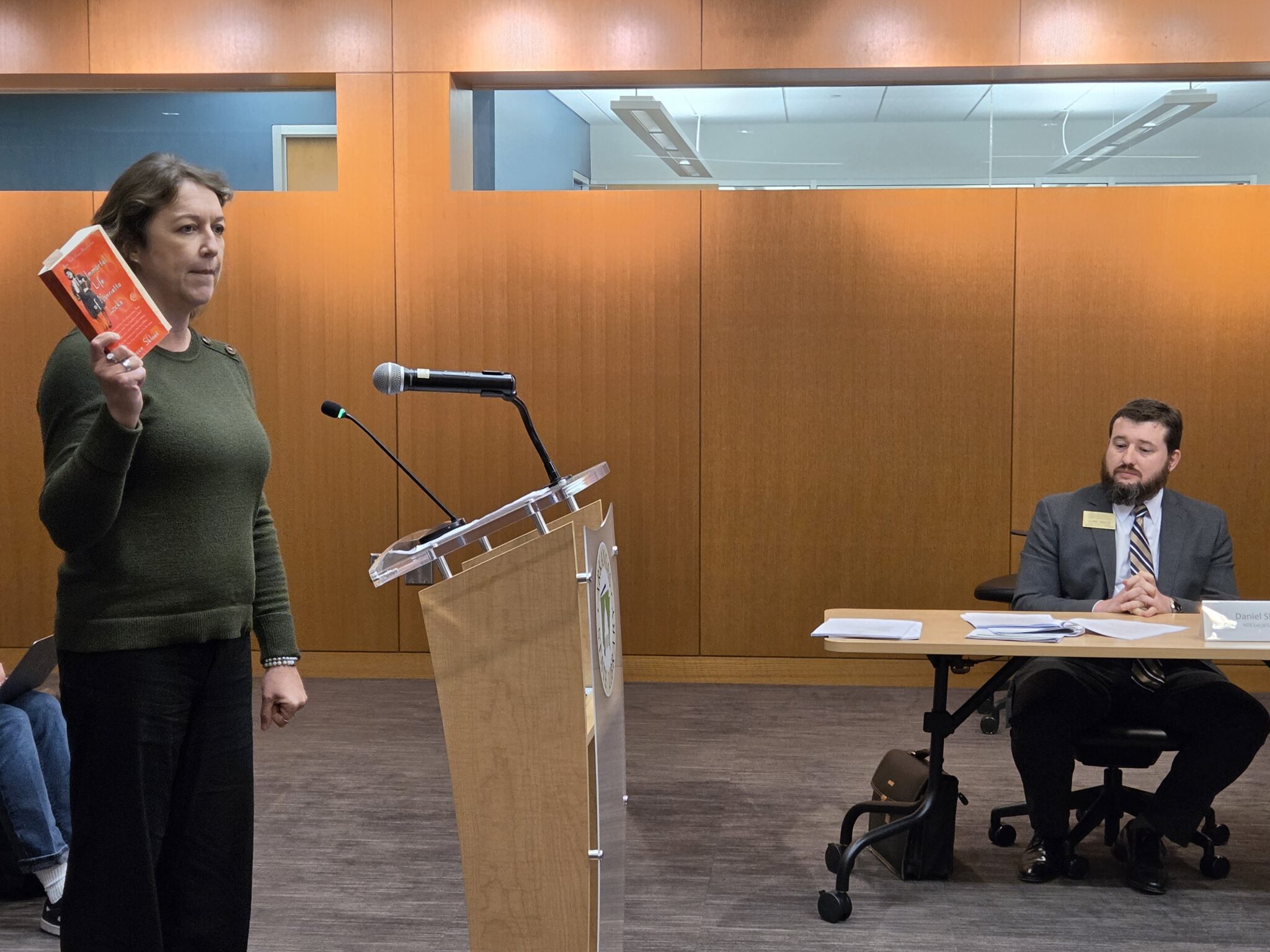
At the Arkansas Advocate, Tess Vrbin reports that the public will now have until December 13 to submit comments on new draft rules that, if approved, would give the board the power to deny state funding to libraries that do not keep allegedly “sexually explicit” materials from minors 16 and under in the state's public libraries.
As Words & Money reported last week, the new round of public comments was triggered after the board initially voted to approve its new rules for minors at its November 13 meeting. But after librarians and parents warned that the vague rules would impact educational materials, the board, in a surprising about-face, expunged their vote, and hastily added new language (created on the fly at the meeting) that would allow librarians to keep certain works, such as “encyclopedias and fine art” available to minors.
Vrbin points out that a previous draft of the rules, which have been in the works for a year, "drew opposition from dozens of Arkansans." She also noted the objections of Board member Jack Fortner to reopening the board's rules up to a new round of public comment, with Fortner (correctly) calling the hasty changes “too vague to enforce” and warning that "public comment" on the changes will likely be "unbelievably interesting.”
The new rules come as librarians in the state face serious questions after a federal appeals court in July lifted a three-year injunction that had blocked the book banning provisions in a 2023 state law, Act 372. The law exposes librarians in the state to criminal prosecution for making available items deemed to be “harmful to minors.” Despite the ruling, the law is not yet in effect, however, as the appeals court is currently considering a motion for a rehearing.
Arkansas Librarians: 'We Won't be Silenced'
Over at Arkansas Right to Read, an anonymous post lays out how librarians in the state are feeling: tired, embattled, but resilient.
"We have spent years being the good guys. We have the success stories, the photographs, the children who learned to read, the families who found resources they could not find anywhere else, and the patrons who needed a place and found one," the post notes. "We are advocates. We are researchers. We are defenders of information. We are community builders. We are stubborn. And we have voices, too. It's time we use them."
Judge Allows Fired Wyoming Librarian Terri Lesley's Defamation Suit to Proceed
 Clair McFarland
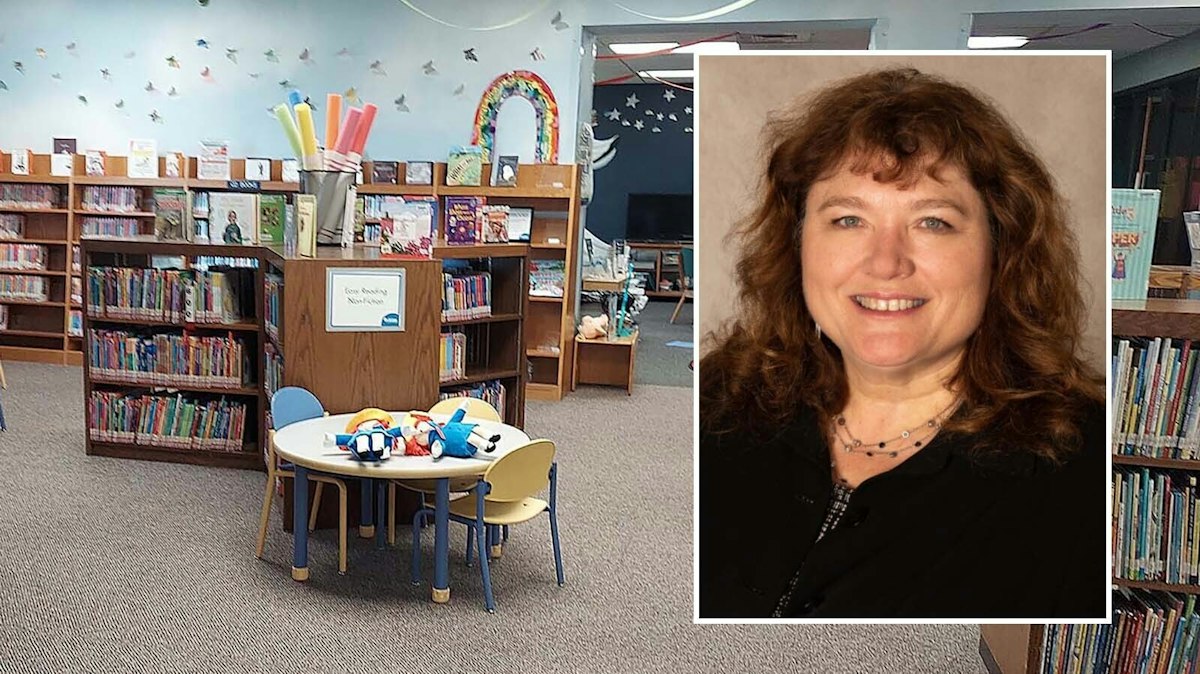
Having already secured a $700,000 settlement for wrongful termination, the Cowboy State Daily reports that a federal judge has ruled that former Campbell County Library Director Terri Lesley's defamation suit against three local family members can proceed to a jury.
In her suit, Lesley alleges that local residents Hugh, Susan, and Kevin Bennett, "motivated by discriminatory animus for the LGBTQ community," conspired with government officials to hamper her job and deprive her of her rights. And in his decision to deny the Bennetts' motion for summary judgment, Judge Alan B. Johnson found that "a reasonable jury could question whether Defendants acted out of invidiously discriminatory animus towards the LGBTQ community.”
In his decision, Johnson made several rulings favorable to Lesley, including that the "broad language" of the Ku Klux Klan Act, a post-Civil War law aimed at stopping people "from bullying African Americans out of exercising their rights" protects “any class of persons" from such bullying, and that the KKK Act also protects people who advocate for but are not part of a protected class, as attorneys for Lesley have argued. "That means that LGBTQ allies, which Lesley claims to be, can file lawsuits under it as well, Johnson ruled."
This is a case to watch. As librarian and advocate Amanda Jones's lawsuits have shown, a huge part of the right wing playbook has been to personally, viciously attack librarians in their communities, and a significant award in this case could help to discourage such tactics.
Urban Libraries Council Announces 2026 'Innovator' Awards


The Urban Libraries Council (ULC) this week named six public libraries as “Top Innovators” for 2026 as part of its annual Innovations Initiative, which recognizes "exemplary library programs."
The Top Innovators were pulled from 134 library projects in six categories. The honorees include:
The Denver Public Library in the "Advocacy & Awareness" category for The Library Lineup: Reading as Cultural Experience; the Brooklyn Public Library in the "Education: Children & Adults" category for Creating an Evidence-Based Adult Reading Program; the Fort Worth Public Library in the "Equity and Inclusion" category for Reducing Barriers: Building an Accessible Library; the Salt Lake City Public Library in the "Health & Wellness" category for Downwinders' Day in Court Starts at the Library; the Boston Public Library in the "Library Operations & Management" category for Snapicat: Transforming BPL’s Cataloging Workflows; and the Toronto Public Library in the "Workforce & Economic Development" category for Inclusive Entrepreneurship Initiatives.
“Every year, we are even more impressed by the depth and breadth of initiatives conceived of by our public library members,” said Brooks Rainwater, President and CEO of the Urban Libraries Council, in a statement. “Our winners, runners up, and nominees prove once again: There is no more innovative, creative, and efficient public space than the library.”
Upcoming Free Webinar to Discuss State Library Ebook Laws
 Michael Blackwell
ReadersFirst reports that the next webinar in the Palace Project's Digital Shelf webinar series, presented by Palace in collaboration with Lyrasis, ReadersFirst, and COSLA, will focus on state library ebook laws. The virtual event is set for December 8 at 1 p.m. EST, and will include an hour of panel discussion and Q&A, followed by 30 minutes in which attendees can interact, comment, and ask questions. It's free to attend, and you can register here.
"This webinar provides an inside look at recent legislative victories in Connecticut and Rhode Island, active legislative momentum in New Jersey and Illinois, plus updates on the broader national movement led by digital rights advocates," the site notes. Presenters include: Kyle Courtney (Ebook Study Group and Copyright First Responders); Julie Holden (Cranston Public Library); Monica Harris (RAILS); and Jennie Pu (Hoboken Public Library).
OCLC's CloudLibrary Announces One-Step Compatibility with Kobo Devices
 Bob Murphy

OCLC's CloudLibrary announced this week that library users in the U.S. and Canada can now send ebooks borrowed through CloudLibrary directly to their Kobo eReaders. “At Kobo, we believe that browsing, borrowing and reading should remain effortless,” said Michael Tamblyn, CEO, Rakuten Kobo, in a release. “With our new CloudLibrary partnership, we’re doubling down on our industry-leading library experience as a core offering for Kobo readers—because, no matter where you find your next great story, it belongs on your Kobo.”
Kickstarter Campaign Looks to Support Media Project That Includes Ownable Library Ebooks, Newsletter Subscriptions
 Anthony Ha

TechCrunch reports on a crowdfunding campaign for The Phoenix Project, a new initiative from the online culture and commentary magazine Flaming Hydra and lead editor Maria Bustillos. "E-books are books,” Bustillos said. “They’re not some other thing. They are books, and people should be able to own them, and libraries should be able to own them, and media should be able to be owned. All digital media should be able to be owned.”
Flaming Hydra and The Phoenix Project seek to resolve the issue in the digital library market through "a new, open source 'library in a box' system called Lenny for Libraries," the report goes on to note. "Bustillos said she’s talking to library consortiums and author groups, and the goal here is to 'change the conversation' around e-books and digital archiving and lending."
Flaming Hydra seeks to raise $30,000 for The Phoenix Project, with the campaign ending on November 27.
 The Editors

Bustillos has long been an ardent supporter of libraries in the digital age, and in 2025 oversaw the launch of library ebook platform Briet through the journalist-owned cooperative, Brick House. In a post on the Flaming Hydra site announcing the launch of Phoenix, the service is billed as a new, free, open source service that "allows libraries to fully own the EPUBs in their holdings." And with the rise of independent journalism, the project is also offering "subscriptions to fully-ownable online newsletter journalism in EPUB form," designed especially for libraries.
"Publishers need paywalls in order to fund their work, and also wish to maximize access to readers through library sales, the old-fashioned way," the post notes. "Phoenix restores that traditional library ecosystem by offering a direct, permanent path from publisher to library to patron, offering you not a license, but a receipt."
Take a Moment to Celebrate the 2027 Election Results... Then Get to Work
 Kelly Jensen

Over at Book Riot, Kelly Jensen leads off her weekly censorship news column with a rundown of the post-election landscape. "With the results settling and the reality of 2027 just a little over a month away, literary advocates can continue their efforts to support anti-book ban, pro-public library, pro-public education," she writes. "Celebrating victories matters. Do that, and roll up your sleeves on the next actions to take. The year isn’t over, and we’ve got the opportunity and the obligation to make next year one where our politicians know they answer to us."
Airports, Banks, Apple, Microsoft...and Libraries?
 Kiara Patterson and Justin Dennis
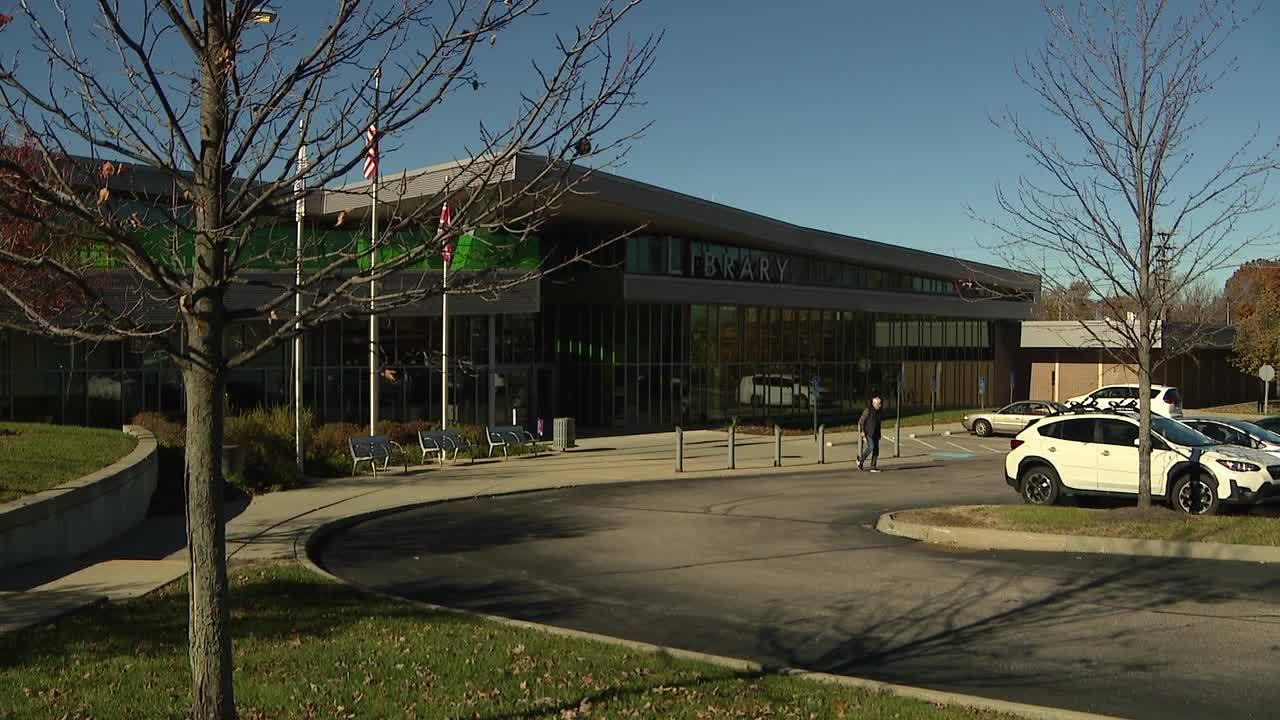
With Americans already on edge and cybersecurity questions swirling after a chaotic week that saw air traffic briefly grounded and numerous other services interrupted, library patrons in Northeast Ohio this week were told to change their PINs after a data breach of two unnamed vendors apparently exposed library customer information. According to Fox 8 in Cleveland, "names, addresses, birth dates, and library card numbers were among the potentially exposed information," after library leaders discovered "a suspicious password change alert."
 Kristen Guglielmo
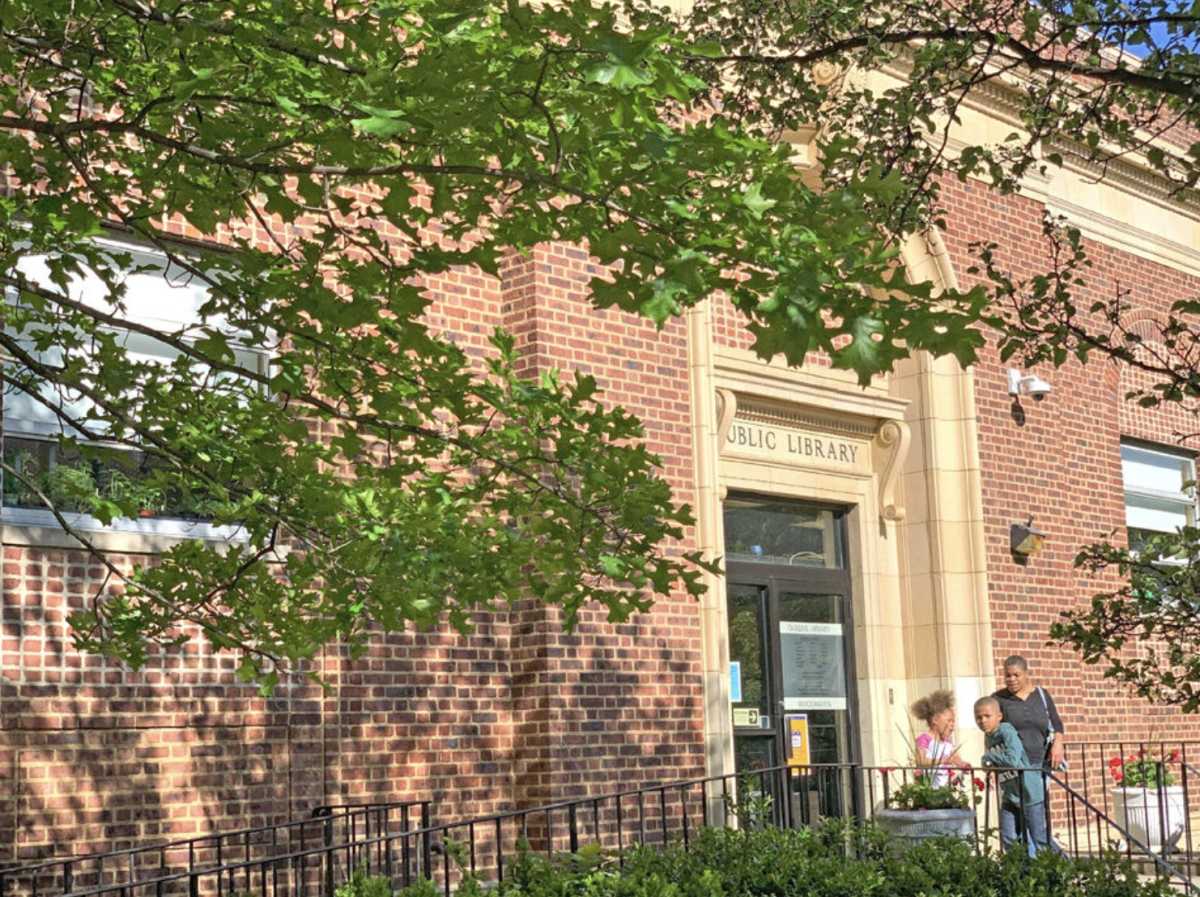
Meanwhile, QNS reports that the Queens Public Library in New York is making progress, but some services remain affected by a ransomware attack that occurred two weeks ago.
"The library announced Nov. 13 in an email to patrons that it had restored access to several digital media services, including Hoopla, Kanopy, Bibliotele, kweliTV, MakeMake and NOVELny, as well as its digital archives. Access to Culture Pass, which provides free opportunities for library cardholders to visit New York City cultural institutions, also has returned," the report notes. "However, the library’s website and mobile app remain unavailable, as do public computers at most of its 66 locations."
As Economy Wobbles, Library Use Increases
 Eric Berger
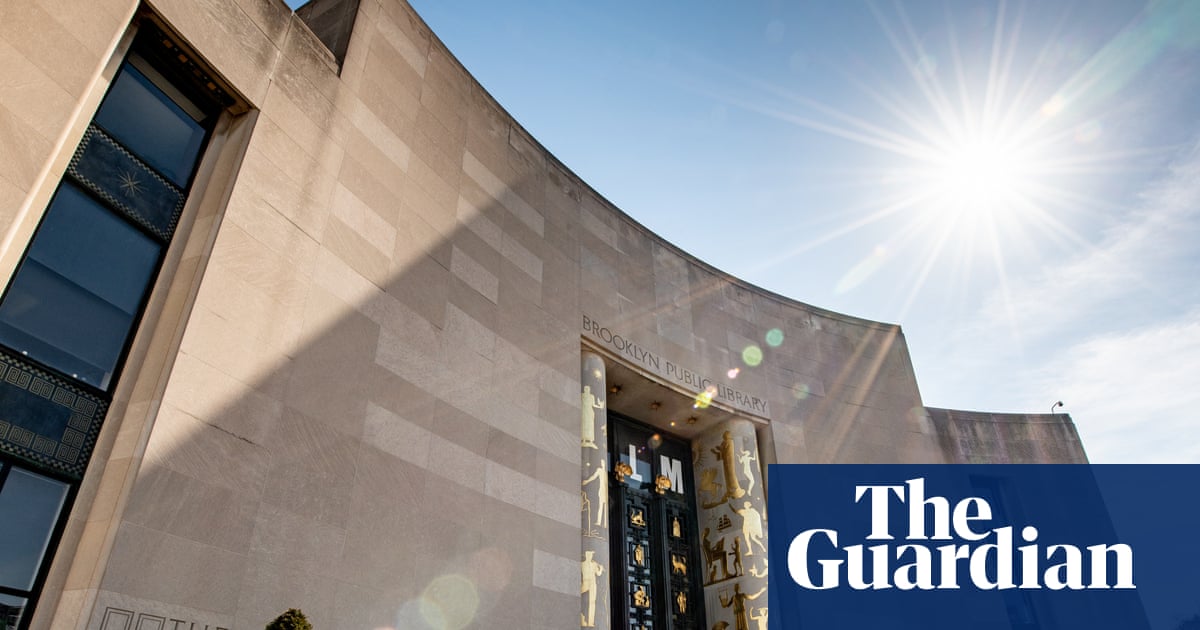
More reporting this week that the use of libraries is increasing as inflation and economic instability persist. "Public libraries have experienced a surge in demand in the last few years, a welcome development in the U.S. amid concerns about federal funding cuts and a decline in literacy rates," reports The Guardian. One notable observation in the article: "Libraries are 'finally doing a better job' of communicating what they offer, said Tamika Barnes, president-elect of the American Library Association."
Elsevier Study Sees Academic Librarians as Key Players in Our AI Future


In Elsevier’s Librarian of the Future report, librarians say that AI will be the biggest driver of change in academic research, but also find that the technology presents an opportunity for librarians to further cement their positions as key assets in the research community. The report shares insights from a survey of 1,100 librarians across 88 countries, and interviews with 19 academic leaders and researchers. "As research becomes more collaborative, AI adoption accelerates and the emphasis on demonstrating impact increases, librarians are well placed to act as strategic partners in helping institutions navigate this transition and emerge in a strong position," the report states. You can download the report here.
Egyptian Author’s Debut Memoir and a Story of Palestinian Exile Take Top Honors at the 2026 National Book Awards
 Andrew Albanese
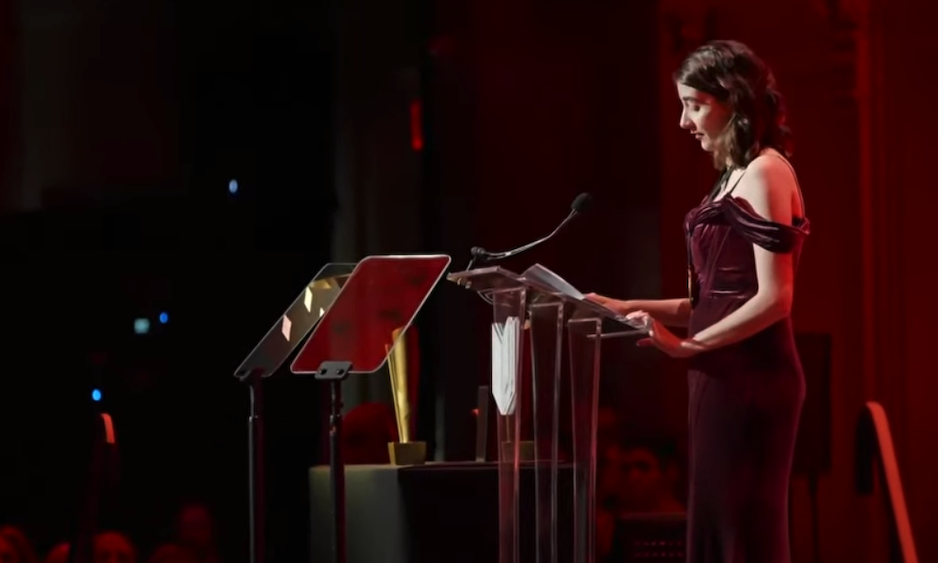
As I reported for Publishing Perspectives, the winners of the 2026 National Book Awards were announced at a gala in New York City, with Hannah Lillith Assadi winning the National Book Award for Fiction for Paradiso 17 (Hogarth, Penguin Random House), and Egyptian author and translator Abdelrahman ElGendy taking home the award for nonfiction for Huna: A Memoir of Revolution, Prison, and Becoming (Knopf/Penguin Random House).
Notably, ElGendy’s win comes as the author was unable to accept his award in person, revealing in a New Yorker article that his visa to enter the U.S. had been denied. Helen Thomaides, ElGendy’s editor at Hogarth, accepted the award on his behalf, and read a statement from the author.
And Finally This Week...
 Carla Hayden

Over at Time, Former Librarian of Congress Carla Hayden has an editorial on how libraries are continually reimagining themselves to serve their communities.
"Historically, libraries have served as a crucial part of the cultural and civic infrastructure of the nation, responding to local needs and bringing the world to people of all ages. However, in many places today, libraries and library workers are under attack," she writes. "As the 14th Librarian of Congress, as a Senior Fellow at Mellon, and as a librarian whose career spans several decades among various types of libraries, I’ve had the opportunity to work and engage with library workers in all positions. One thing that becomes clear when you talk to librarians today is that libraries must embed themselves in the community, and the community in them. The institutions that will survive are the ones that let their communities shape them."