The Queue: Library News for the Week Ending June 26, 2026
Among the week's headlines: the ALA Annual Conference kicks off in Chicago; A former ALA leader comes out against library ebook legislation; E-rate is facing an uncertain future after the FCC votes to reassess the program; and the IMLS releases its latest public library stats.

ALA 2026 Kicks Off in Chicago with 'Ebook Friday'
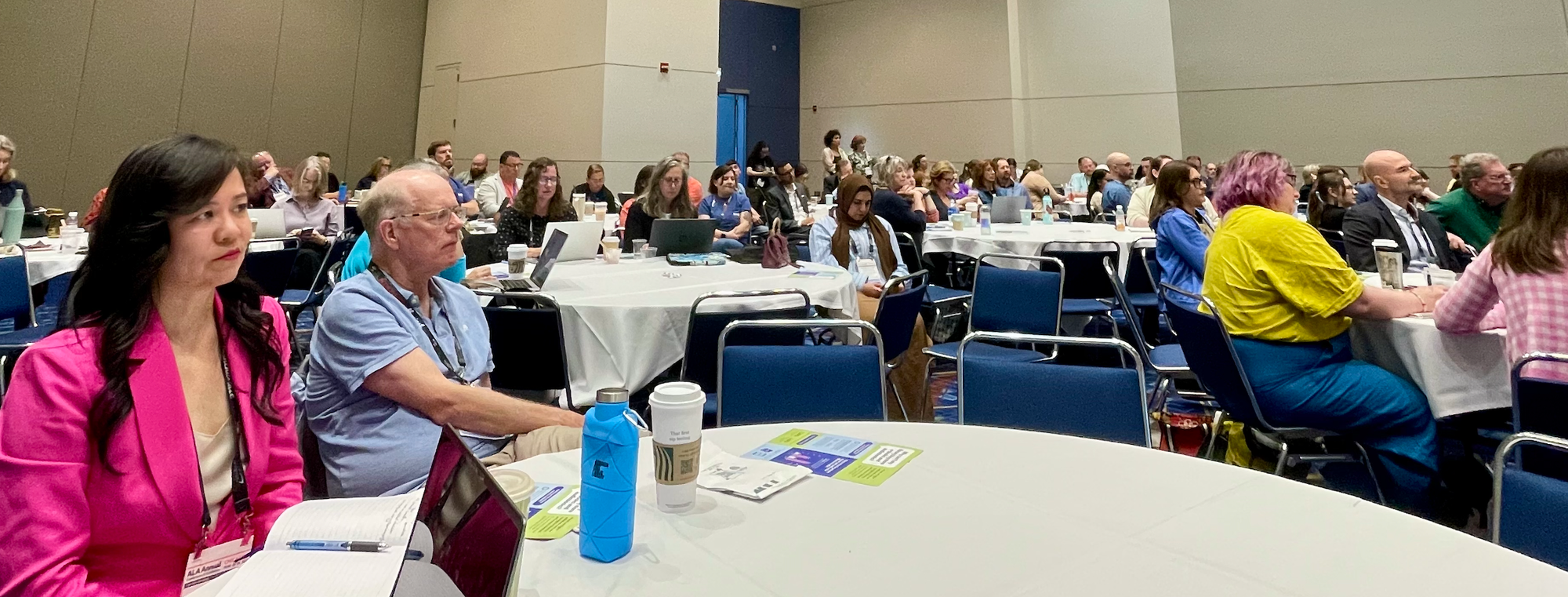
The 2026 American Library Association Annual Conference kicked off on Friday in Chicago with the ALA eBooks Interest Group's "Ebook Friday" program, which surveyed the current state of the digital library market.
The program is still ongoing at press time, so we will have a more thorough report next week. But the overarching takeaway is that momentum for change in the library ebook market is building, as evidenced by the very well-attended program, and opening presentations from five states, two that have passed laws (Connecticut and Rhode Island) and three that are advancing bills (Minnesota, Illinois, and New Jersey).
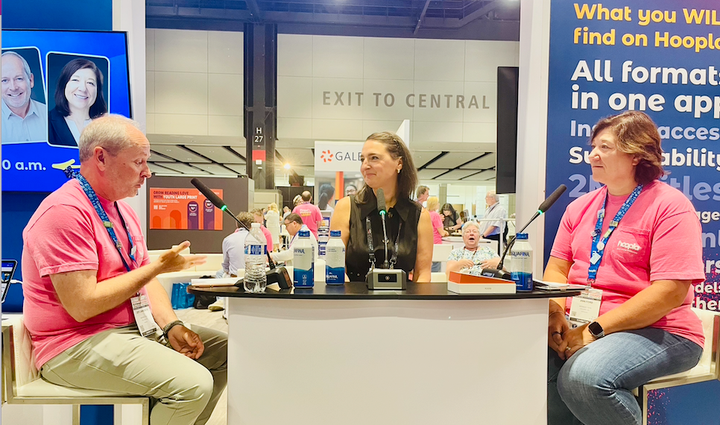
In her remarks, Monica Harris, executive directors of the Reaching Across Illinois Library Systems (RAILS) consortium told attendees that one of the nation’s most closely watched bills, in Illinois, is on track to be taken up again in the fall, and spoke of the importance of outreach on the issue.
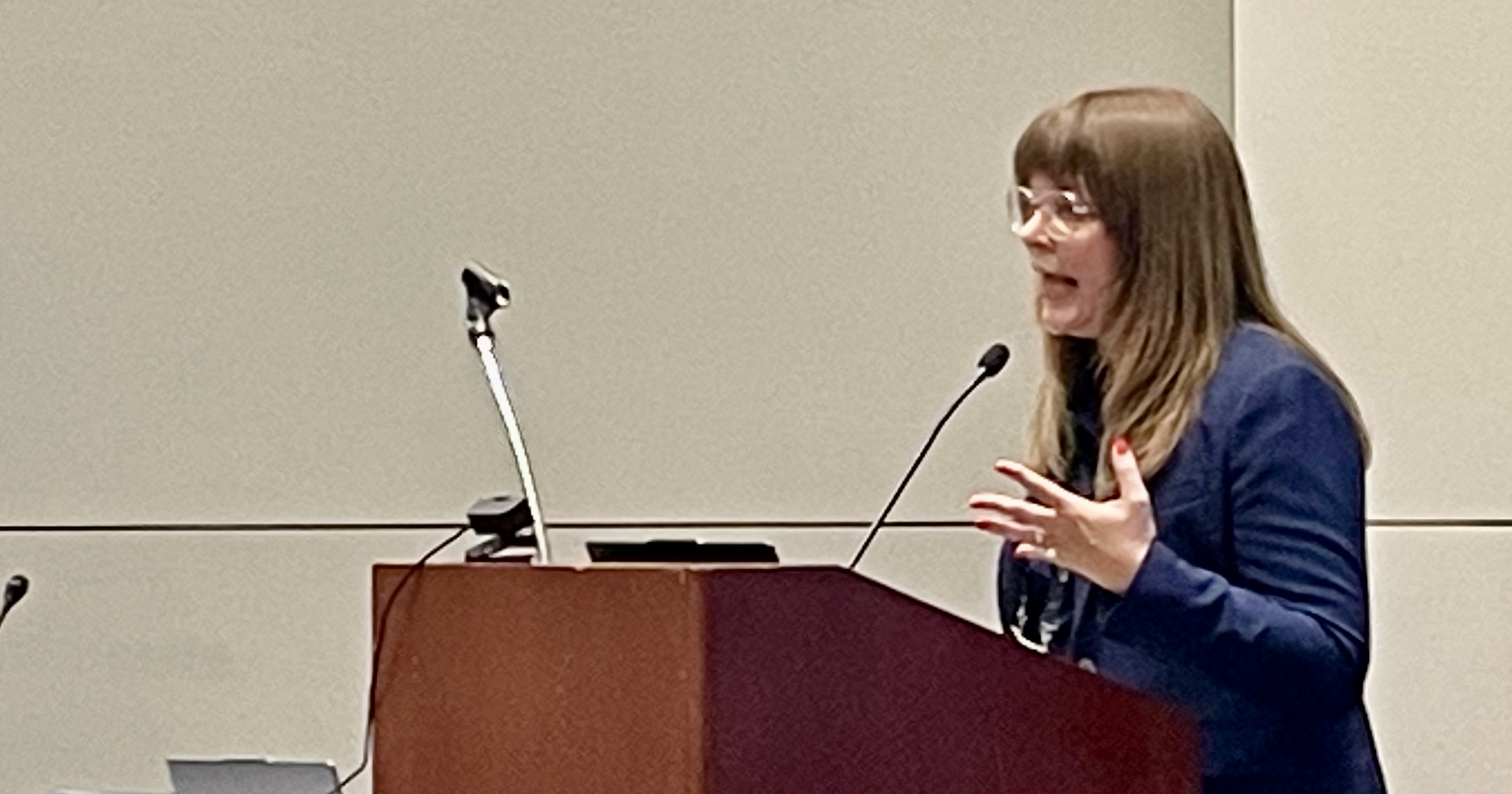
Harris noted that Illinois’s bill passed the Illinois House unanimously, 99-0, and because of a strong outreach effort, more than half of the legislators that voted yes actually became co-sponsors of the bill.
She added that media efforts “were really important for getting the word out, not just to library folks, but also to community members who might want to know about this,” noting that the issue ended up all over the radio and on the front page the Chicago Tribune. And despite opposition from the publishing community, Harris suggested the issue shouldn’t be adversarial. “We see our publishers and our authors as our partners,” Harris said. “We're all part of the same community, we just want to get to a place that's sustainable."
Toward a Status Quo for Library Access to Digital Books?
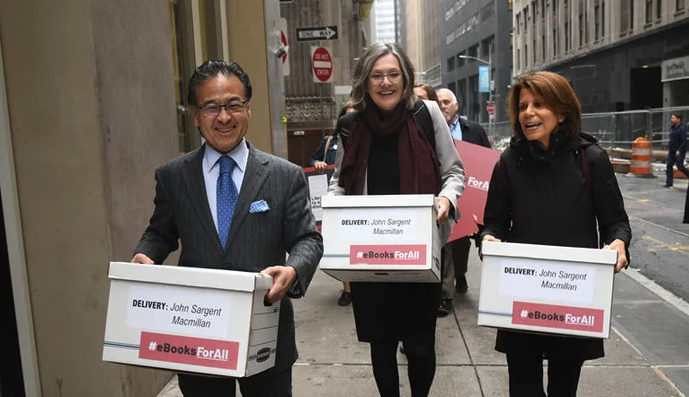
Over at Library Journal, Alan S. Inouye, the former head of public policy and advocacy for the American Library Association, offers a nearly 9,000-word policy paper (which he notes was underwritten by Big Five publisher Penguin Random House) that comes out against the current push for state-level library ebook legislation.
"Allowing state governments to mandate how libraries are operated is a very slippery slope," Inouye warns. "While the goal of increasing access to digital books on fair terms is laudable, we must not encourage this direction in public policy making because it invites the possibility of other future mandates on how libraries must operate."
Curiously, the paper does not delve into "the specific merits of the Connecticut law or similar legislation." Which seems odd. Clearly space wasn't an issue, and in a 9,000 word policy paper, some kind of specific analysis would have been useful, especially as publishing industry lobbyists have so far focused their opposition on accusing librarians of seeking to undermine copyright (and especially as Inouye has previously testified in favor of library ebook laws).
To be sure, there is a lot to unpack in this paper, and I'm still digesting it. For now, though, I'll offer a broad observation: The paper works hard to portray the issues in the digital library market as unwieldy and complex, "a profound evolution with long-term and strategic implications" that merits more "independent study."
But the long-standing issue driving the current push for state library ebook legislation (as has been repeatedly articulated to me by librarians) really isn't all that complex: Fundamentally, it is about a handful of major conglomerates (the Big Five publishers) charging non-negotiated, supra-competitive prices and forcing restrictive licenses on libraries, commanding an unfair share of limited taxpayer funding, stressing library budgets, and impacting the ability of libraries to create broad, deep, and diverse collections for their communities. If the issue was truly was about the complexity of digital publishing economics more broadly (some 20 years into the modern ebook market?) then why are the vast majority of independent publishers working well with libraries?
Still, Inouye is an experienced and respected library policy expert, and his analysis is certainly worth consideration. No one wants to be regulated, I get that. But as someone who has covered the digital library market pretty much from its inception, I've found the library community, after some 15 years of frustration, to be clear-eyed about why legislation is needed and what it might achieve. And despite Inouye's broad warnings (laws have unexpected consequences; publishers might pull out of the market) it is clear to me that librarians have, over many years, very deliberately considered the current push for legislation.
On that score, I'll point you to an excellent paper on the subject of library ebook legislation, published in the Taylor & Francis journal Legal Reference Services Quarterly last December by Jennifer Gibbins, a law librarian at the University of Maryland, Baltimore’s Francis King Carey School of Law.
"The problem of digital licensing terms stems in large part from current copyright law and its lack of tailoring to the digital age. Traditional backstops such as the first sale doctrine do not apply in the digital space, and Congress has failed to address the problem," Gibbins writes. "Patrons need access to digital materials, however, so libraries are not in a position to walk away from bad licensing deals. Without a change in the legal landscape, this situation is unlikely to improve."
FCC Vote Puts E-Rate in Jeopardy

In a move that has alarmed and mobilized library supporters, Brendan Carr's Federal Communications Commission on June 25 voted to launch a review of E-Rate, which could see the popular, essential program that underwrites broadband connectivity in the nation's schools and libraries scaled back, or even scrapped entirely. As Words & Money previously reported, the motivation, according to Carr is alleged concern over excessive screen time for kids, and concerns about kids accessing inappropriate materials online.
In a release, the American Library Association launched a coalition effort to fight against the move. "There is no justification for pulling the plug on E-Rate," said ALA president Sam Helmick.
In a statement, Massachusetts Senator Ed Markey criticized the FCC's move. "Today’s FCC vote is a deeply troubling step toward weakening E-Rate, a universal program that has connected millions of students, teachers, schools, and libraries—in urban and rural communities alike—to the internet for 30 years,” Markey said. “The FCC should be focused on strengthening E-Rate and closing the digital divide, not finding new excuses to disconnect the children who need it the most.”
 Jon Brodkin
The votes comes after Carr's FCC recently repealed its rule allowing schools and libraries to use their E-Rate funds to loan Wi-Fi hotspots to students (an initiative that was first announced at ALA in 2024). Markey noted that the E-Rate program has "invested more than $69 billion to connect schools and libraries to the internet across the country.
IMLS Releases 2024 Public Library Survey Statistics
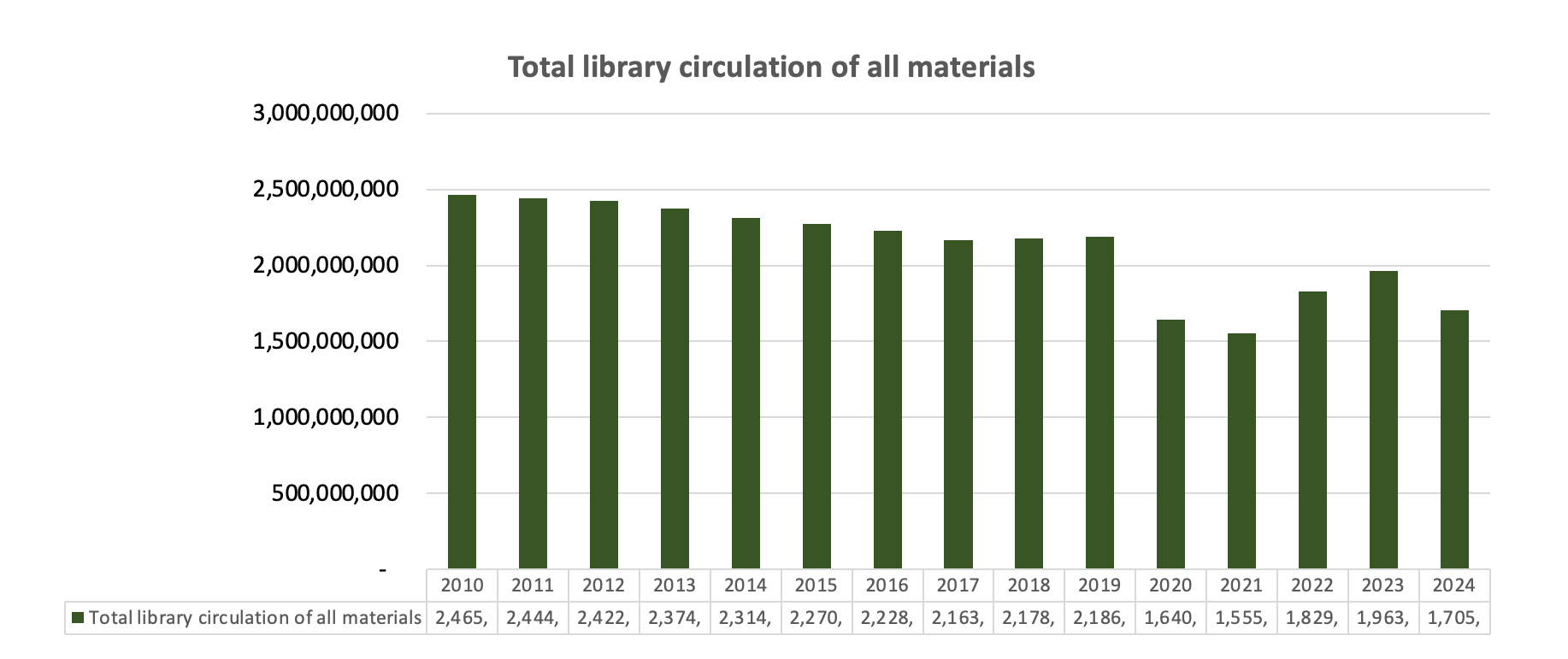
The Institute of Museum and Library Services this week released its most recent Public Library Survey data, which covers 2024. We'll have a deeper dive on some of the data in the coming weeks, but U.K.-based library advocate Tim Coates, who has released a series of reports based on the IMLS data (and a consumer survey) The Freckle Report, offered Words & Money some initial observations. One notable takeaway to share now: after the 2022 and 2023 IMLS total circulation data ticked up as libraries recovered from the pandemic, the 2024 data once again showed a decline. And since 2010, library circulation data shows a worrying slide.
In Texas Schools, the Bible Could Soon Become Required Reading
 Jim Vertuno and Jamie Stengle
The Associated Press reports on Texas's plan to vote today on a required reading list that could require students in the state to read Bible stories. "Picture-book stories for elementary students including David and Goliath and Daniel and the Lion’s Den were on the required reading list. By fourth grade, students would encounter passages about Jesus in the New Testament," the report notes. "Some education observers said Texas may be the first state to enact a required reading list, with the added layer of mandated religious text," the report points out.
After Skirmish Over Pride Month, California Library to Study Privatization
 Danielle Bergstrom and Julianna Morano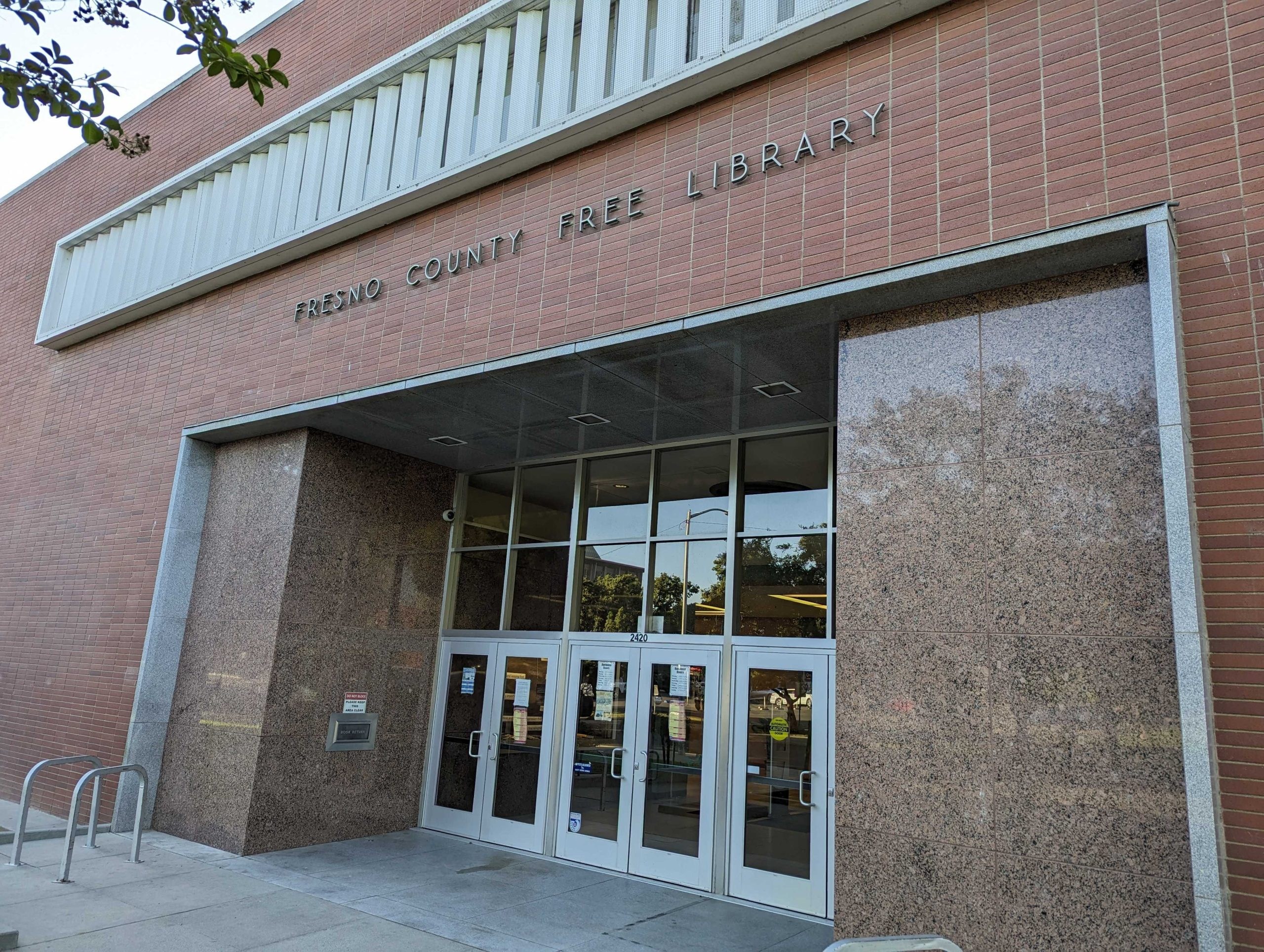
In California, Fresnoland reports that the Fresno County Public Library is studying whether to privatize its public library. "It all started, like many skirmishes in Fresno, with a Facebook post," the outlet reports. "And now, after three years of cultural debate, county leaders have begun to study whether to privatize the 116-year-old Fresno County Public Library system."
Brooklyn Librarian on How to Protect Access and Privacy for Young Library Users
 Kelly Jensen
Over at Book Riot, Kelly Jensen leads off her weekly censorship news column with the final installment in a series of posts about youth privacy and youth library cards in the public library, which features a Q&A with Amy Mikel, Senior Director of Customer Experience at Brooklyn Public Library, "who wrote last week’s incredible piece on library card policies being the new landscape of public library censorship–provided answers and insight from her research."
In Florida, Libraries Face Uncertainty as Property Taxes Come Under Fire
 Joshua Ceballos
As Words & Money previously shared, Florida voters are set to weigh in on a Constitutional amendment that would limit property taxes in the state. This week, WRLN reports that the move has library leaders in the state fearful of losing their funding. "I'm terrified. At a library level, this threat is absolutely existential. In the first year, we're expecting a $20 million cut just to the library system's budget," Marylynne Schwartz, president of the nonprofit Friends of the Miami-Dade Public Library," told WRLN. "The majority of public library budgets are funded by a millage on ad valorem taxes," the report adds.
Meanwhile, Marketplace reports on similar concerns in Wyoming, and other states. "At least 18 states are looking at reducing or even eliminating property taxes. Wyoming has already reduced its residential property tax and public services are on the chopping block," the report notes.
Maine to Lose Dolly Parton's Imagination Library
 Megan Waceken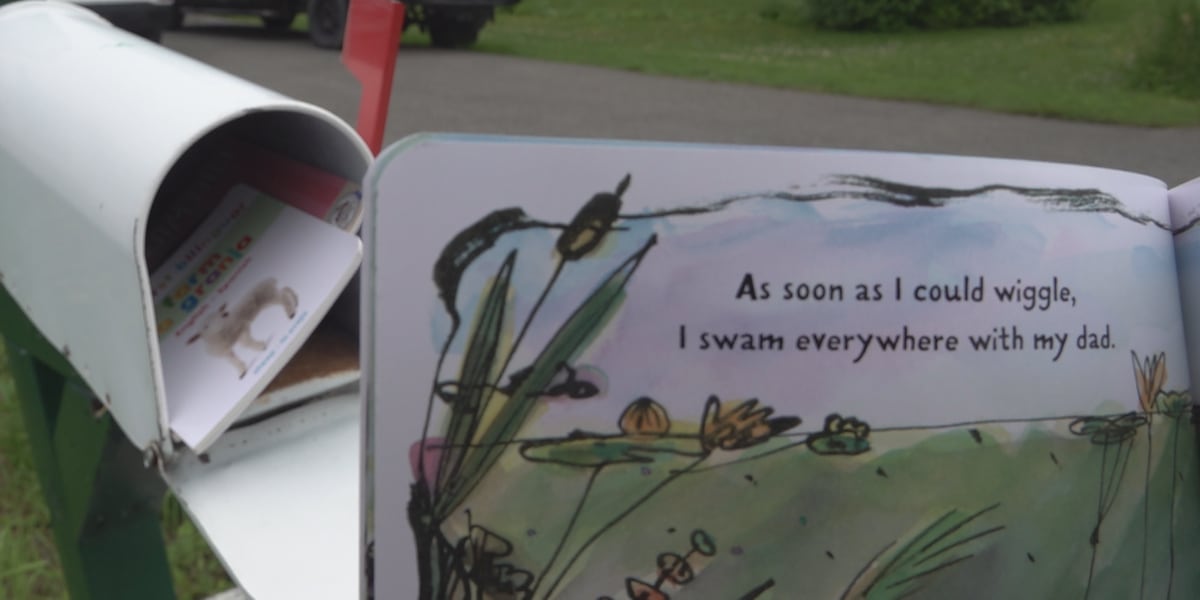
Last week we reported on how Oregon has moved to keep Dolly Parton's Imagination Library active in the state. This week, local affiliate WAGM reports that Dolly Parton’s Imagination Library will end in Maine, due to a loss of state funding. "According to United Way’s executive director, Sarah Duncan, the program costs about $60,000 a year, with United Way covering approximately half of that." the report notes. “With the loss of half of that funding, it just isn’t sustainable,” Duncan told reporters.
Spoken World Podcast on Libraries and Digital Audio
 Christopher Kenneally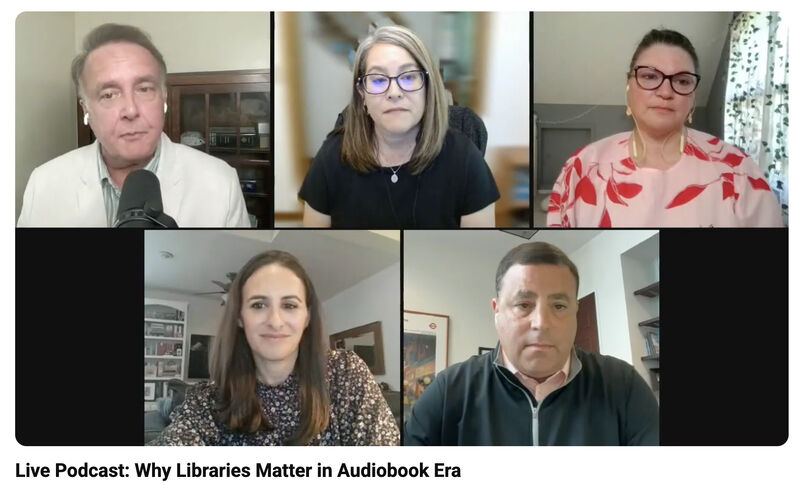
In case you missed it last week, check out the the latest podcast from The Spoken World, which explores "Why Libraries Matter in the Audiobook Era." The discussion included Heather Booth, Booklist; Sarah Hashimoto, Library Journal and School Library Journal; Brad Rose, Hoopla Digital; and Jennifer Rubins, Penguin Random House. "Public libraries are powerful forces in expanding access to audiobooks. And with their audiobook offerings, librarians are opening new pathways into books and reading for communities of all backgrounds," notes The Spoken World host Christopher Kenneally.
And Finally This Week...
 , The News Journal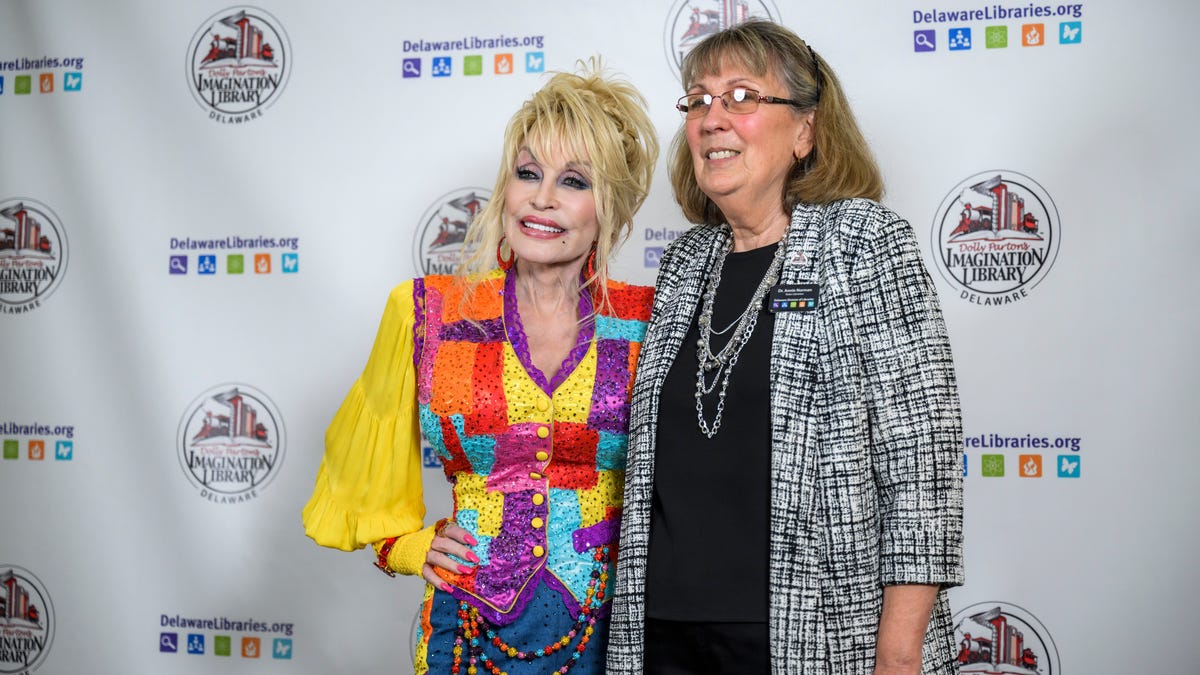
I missed this when it was first announced, but The News Journal reports on the retirement of Dr. Annie Norman, after 41 years as Delaware's state librarian. What a remarkable career, and what a remarkable public servant.
 christine.karpovage
In a statement last month, Delaware Governor Matthew Meyer praised Norman's service. “Annie, the people of our state owe you an immense debt of gratitude for the work you have done, and I thank you from the bottom of my heart for creating a space where every Delawarean can learn and grow," Meyer said. Congratulations and best wishes for a happy retirement to Annie Norman, one of the best to ever do it.