The Queue: Library News for the Week Ending August 7, 2026
Among the week's headlines: freedom to read advocates head back to court in Iowa; An Arkansas librarian considers next steps after an appeals court lets Act 372 take effect; a veteran publishing exec weighs in on the library ebook market; and 'Library Journal' names its 2026 Best Small Library.

Freedom to Read Advocates Go Back to the Drawing Board in Iowa
After a second appeals court defeat in April, a coalition including six major publishers this week filed a new, narrower lawsuit challenging provisions of Iowa's 2023 state law S.F. 496.

The amended complaint (led by Penguin Random House, which has done great work over the last few years organizing a legal response to a years-long, politically organized wave of book banning across the nation) is now the third legal challenge led by publishers to Iowa's sweeping harmful to minors law. And this legal challenge marks a notable shift.
Rather than a facial constitutional challenge to the law's sweeping mandate to ban books from Iowa school libraries that include sexual content—that is, a challenge that would effectively void the law's provisions entirely on constitutional grounds—the new complaint offers an "as applied" challenge to the law, singling out nine books that the plaintiffs contend were unconstitutionally removed from library shelves under an incorrect application of the law.
Signed by Iowa governor Kim Reynolds in May 2023, S.F. 496, among its provisions, bans books and materials in school libraries that contain depictions of sex, written or visual, and makes librarians and educators liable for any alleged noncompliance. Iowa school districts reportedly pulled hundreds of titles from their shelves, including many classic works, when the law was first passed—more than 3,400 according to one study by the Des Moines Register—including a disproportionate number of books that contain LGBTQ characters, historical figures, or themes, sparking the legal battle.
The new suit comes after judge Stephen Locher's thoughtful decisions blocking the provisions were twice struck down by the Eighth Circuit U.S. Court of Appeals, including most recently a brief, six page decision in April, which vacated the district court injunction. But over two trips to the Eighth Circuit, plaintiff lawyers say the litigation has shown that the law's reach is more limited than the state has has led librarians and educators to believe.
 Andrew Richard Albanese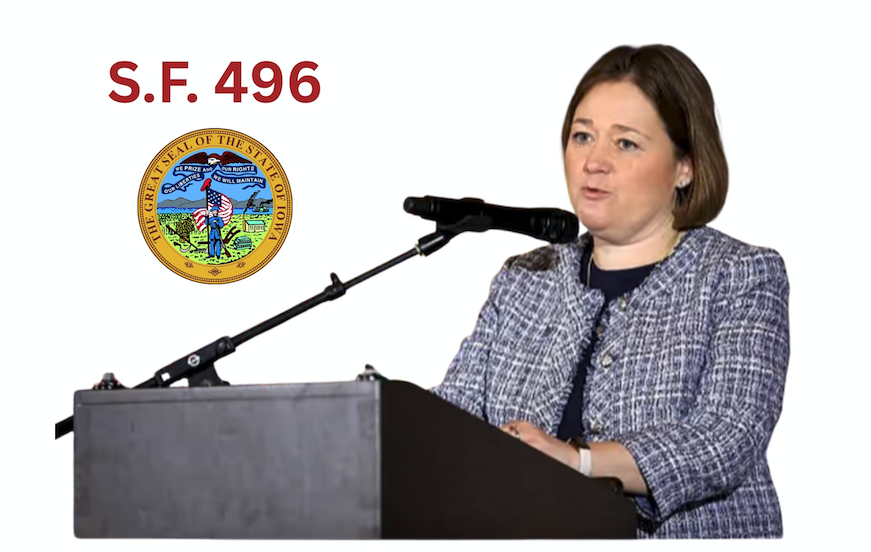
"The Eighth Circuit made clear that Iowa's law applies far more narrowly than the State had previously argued," said PRH associate general counsel Dan Novack, in a release announcing the suit. "Our amended complaint asks the court to enforce those limits for books that should never have been removed from school shelves and establish that precedent protects works of extraordinary literary and historical value."
After two confounding losses at the Eighth Circuit, the new complaint represents a new, perhaps necessary legal strategy. While critics have noted that the new challenge omits LGBTQ+ books, lawyers say the case will benefit all books and authors by asking the court to weigh in on the standard by which books can be removed under the Iowa law. Which is important. As observers have contended, the murkiness of the law in Iowa (and elsewhere) appears to be a feature, not bug: vague laws that threaten librarians and educators with concrete penalties for non-compliance is a recipe for self-censorship, compelling those on the front lines to "err on the side of caution" when it comes to collection decisions.
After two tough setbacks, the suit is also a sign that the publishers remain committed to fighting for libraries and the freedom to read, despite a series of questionable rulings at the hands of conservative appeals court judges who appear determined to jettison decades of precedent and hand total control over library collections to politicians.
In the meantime, lawyers note that several more court decisions are in the pipeline, including book banning cases in Florida, Colorado, Idaho, and Utah, suggesting that that the questions animating the current attacks on libraries and the freedom to read are almost certainly headed to the Supreme Court at some point.
Given the high court's recent work, that isn't exactly comforting. But a lot can (and will) happen from now until that point. And in that sense, the new litigation in Iowa could help better define the battle lines before the high court. More broadly, the new suit in Iowa is another reminder that the fight for the freedom to read will require patience, commitment, resources, and a sustained defense, not only in court, but in our communities, and at the ballot box.
Will Federal Book Banning Bill Weigh On the Midterm Elections?
 Dan McCue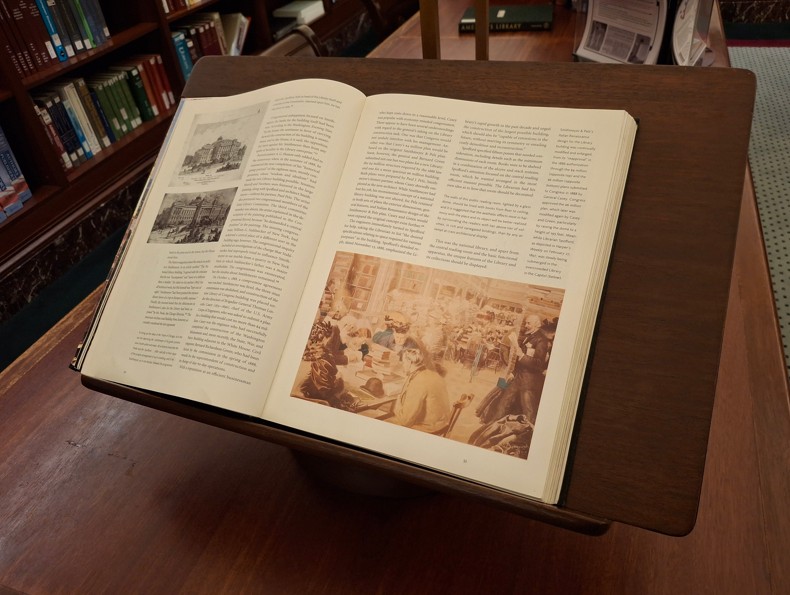
The Well reports that a federal book banning bill "could become a fall campaign issue if Republican leaders bring it to the floor when Congress returns in September."
As Words & Money has reported, H.R. 7661, the “Stop the Sexualization of Children Act" was voted out of committee on July 2. A senate companion, S. 4925, has since been introduced as well. The bill would block funding for any federal program that supports access to books or other materials for minors that includes sexually oriented material.”
Lisa Varga, Associate Executive Director of ALA's Public Policy and Advocacy Office told reporters it was unclear whether the bill would get a vote when the House returns in September. “We’ve seen similar bills floated in states, but this was the first time we’d seen this terminology, or these types of bills, at the federal level,” she said.
“It is a threat to any library when the federal government sets a precedent of using the leverage of federal funding to have D.C. politicians make decisions that should be made by education and library professionals,” PEN America added, noting that the bill, if passed, would "establish a precedent for the federal government to use education funding to determine what books and materials are acceptable in public school libraries."
In Arkansas, Librarians Consider Next Steps After Appeals Court Allows Book Banning Law to Take Effect
 Daniel Caruth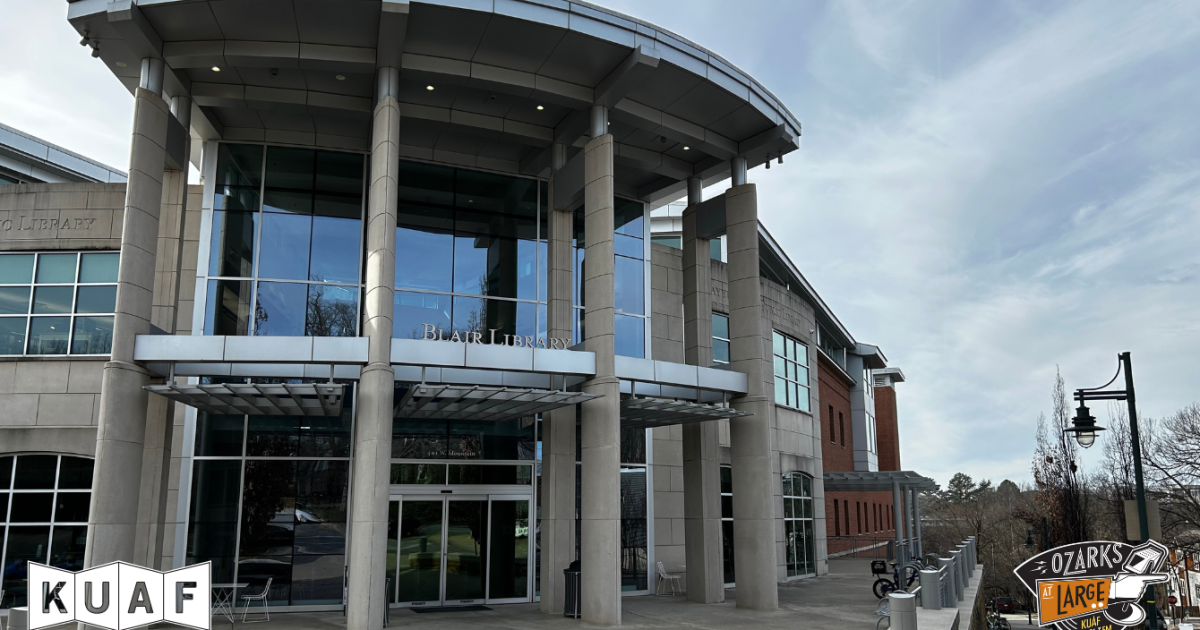
Via NPR affiliate KAUF, Ozarks at Large host Daniel Caruth spoke with Fayetteville Public Library executive director David Johnson about the challenges Arkansas libraries will soon face in the wake of the Eighth Circuit's decision to let the state's Act 372 take effect.
In the interview, Caruth asked Johnson about how the decision to let Act 372 take effect could be exacerbated by new rules put forth by the state's recently appointed conservative state library board.
"The State Library is saying for you to receive any state funding, you need to go through proactively and review, in our case, 300,000 items and determine whether or not they are obscene, and if so, they need to be labeled in such a way or identified or restricted," Johnson replied. "And this is where we're having a challenge with Act 372. They're saying that anyone in the community can challenge a book for it being obscene. And what is that true definition of obscenity?"
Furthermore, if a book is deemed to be obscene, library workers in the state will now be exposed to criminal charges. But as Johnson notes (and as lawyers in the case argued) exactly who is at risk of being charged? "Is it the person who purchased the item for the library? Is it the person who processed it and made it available? Is it the person who shelved it? Is it the person who checks it out?" Johnson wondered. "What if a person uses a self check? ...What if a parent came in and checked the item out and then handed it to an 8-year-old when they left the library? Is that the parent now culpable for criminal charge?"
On Library Ebooks, 'Publishers Should Confront the Market Reality They Actually Face."
 Personanondata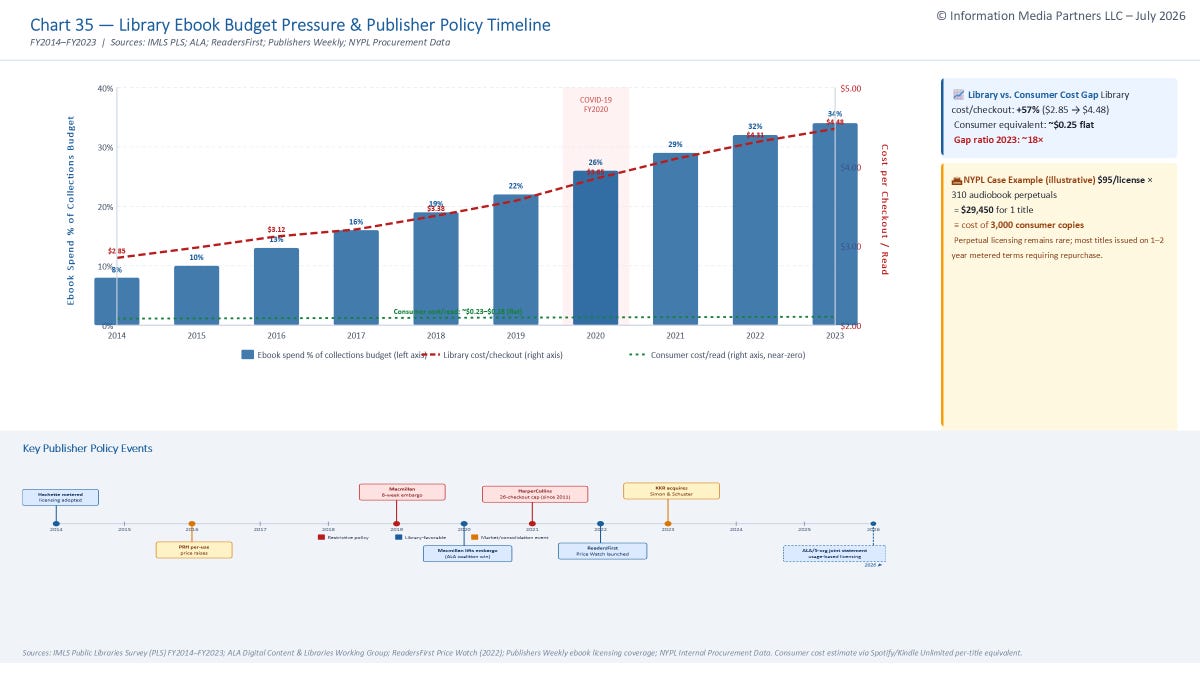
Over at his Substack, PersonaNonData, publishing industry veteran Michael Cairns turns his seven-post, "data-driven" look at the state of libraries to the library ebook market. Words & Money reported on the series when it launched, and it's definitely worth a read.
"The data does not support a pricing strategy designed to reduce access in order to force retail purchases. Restrictive library pricing has not produced a retail uplift. It has produced constrained library budgets which will almost certainly result in narrow and shallow library collections," Cairns writes. "Libraries have always sought partnership with publishers. What they’ve received is a beat down."
Cairns concludes by asking (and somewhat answering) a fundamental question: "What does it mean to be a public library in a digital environment if your primary suppliers do not agree on the purpose, role, or business model of public access?" he asks.
"Just like your old manager who mistakes decisiveness for competence, the industry’s claim that libraries hurt ebook sales mistakes correlation for causation," he writes. "The real drivers are the structural shift toward audiobooks, subscription models, and indie publishing—not public digital circulation. Instead of weaponizing metered licensing, publishers should confront the market reality they actually face."
Wait, Librarians Are Price Fixing in the Library Ebook Market?
 Michael Blackwell
Over at ReadersFirst, organizer Michael Blackwell has a post offering some observations on the Ebook Study Group's editorial in Library Journal that responds to former ALA official Alan Inouye's June policy paper. This part really caught my eye: "ReadersFirst recently released a study about ebook terms, suggesting a very-much middle ground between what might be the most basic costs (consumer retail) and the current inflated. We wrote a piece about it and discussed it the ALA Ebook Friday meeting."
The piece Blackwell was referring to was of course published right here at Words & Money. But here's where it gets wild: "At that event," Blackwell continues, "a representative from a VERY large publisher said that they would never agree to these modest terms or negotiate at all to any library proposal, calling negotiation 'price fixing.' Calling BS on that one."
Voters Overwhelmingly Approve Seattle Library Levy
 City Council News Releases
In a statement, Seattle City Councilmember Maritza Rivera, chair of the Libraries, Education and Neighborhoods Committee who helped oversee the city's impressive $480 million Library Levy renewal process, thanked voters for overwhelmingly approving the ballot measure. "Initial results showed voter support at over 70%," the release notes. “Seattle voters made clear last night that they believe in their libraries."
Under Budget Pressure, Hennepin County Braces for Potential Service Cuts
 Sabrina Salguero Del Cid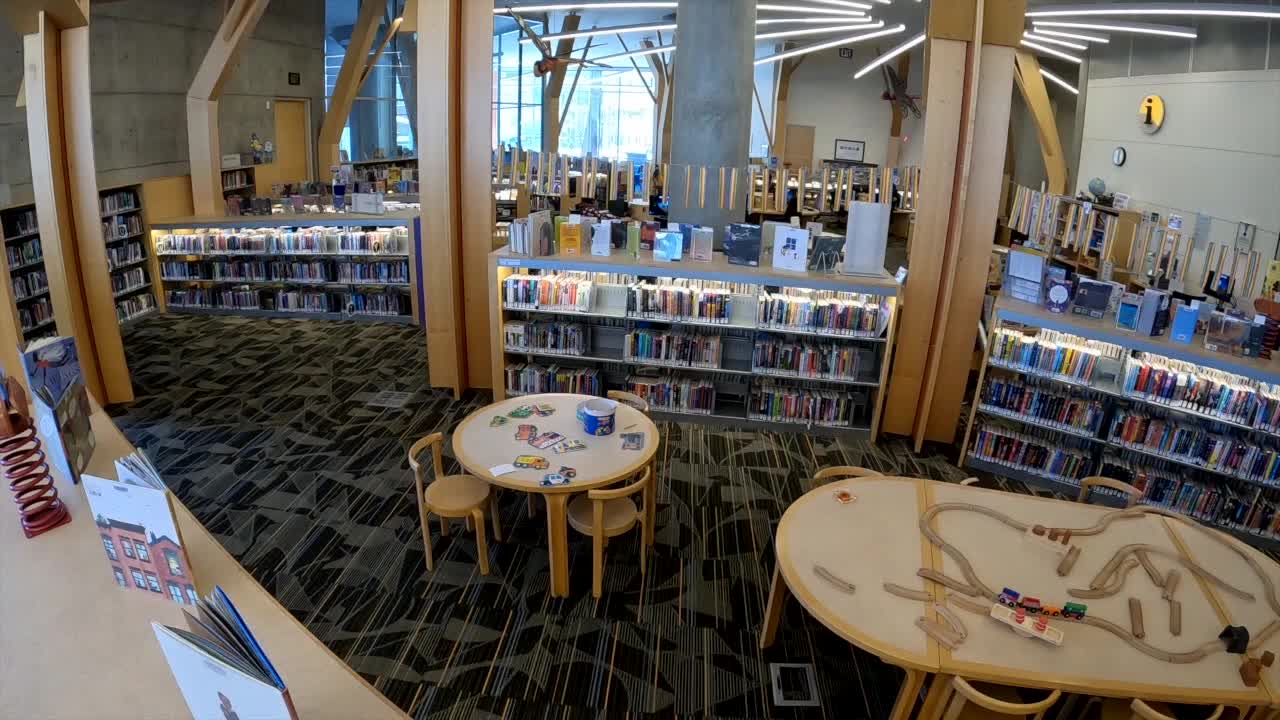
While Seattle, one the great literary cities in America, celebrated passage of its new library levy this week, local affiliate KSTP reports that another great library system in another great literary state, Hennepin County, Minnesota, is considering cuts to close a $5 million budget shortfall. "Under the proposal, library hours would drop about 7% across the county, or roughly 140 hours per week, starting January 2027," the report notes. "Hennepin County said certain factors like higher personnel costs, inflation, and uncertainty in federal funding are raising operational costs."
Florida County, Anticipating Property Tax Vote, Moves to Protect Its Library
 Austyn Szempruch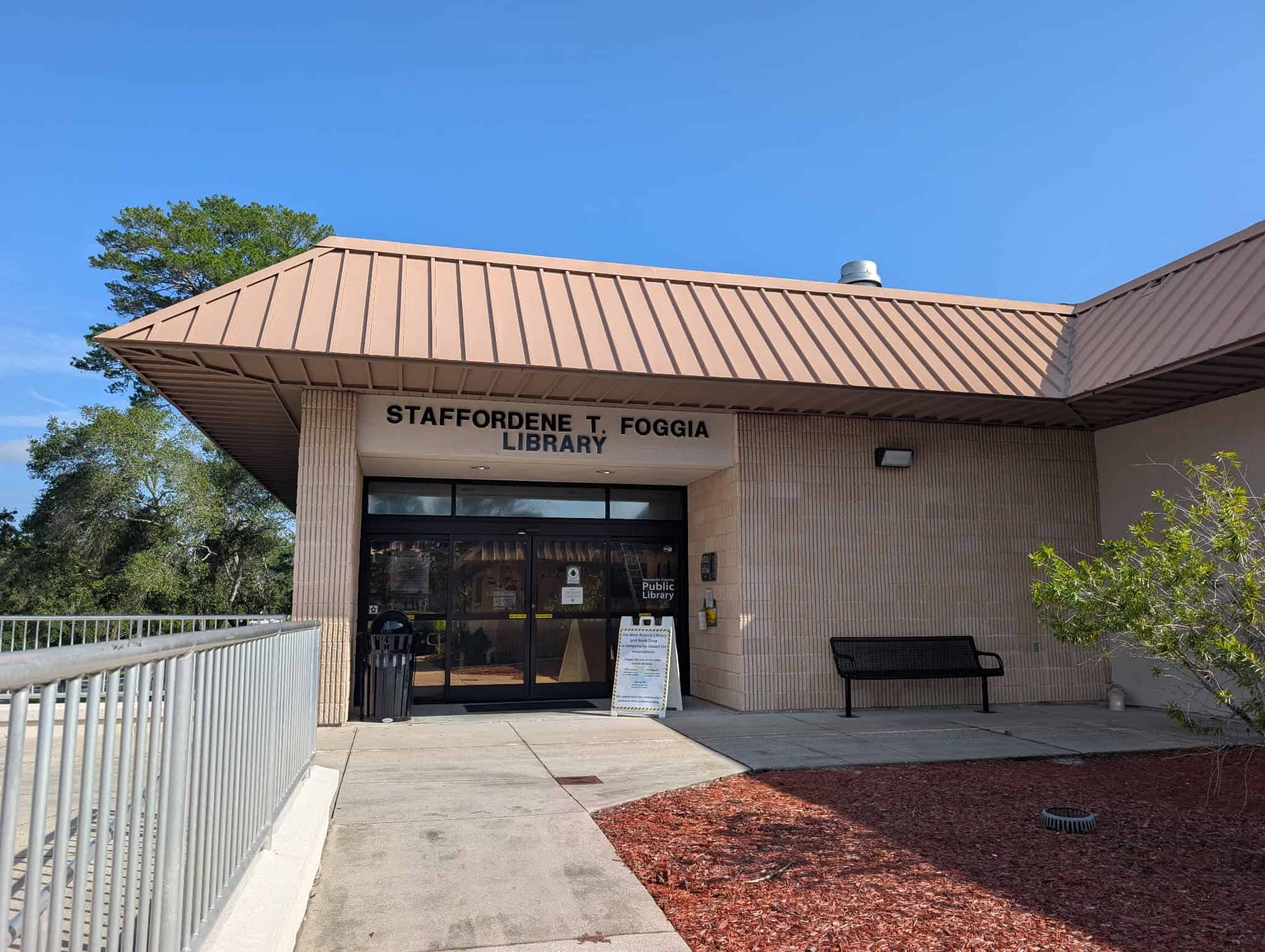
While Florida voters prepare to decide on a ballot measure that could dramatically rein in property taxes in the state, The Hernando Sun reports that one community has moved to proactively save its public library.
"With Florida’s homestead exemption amendment appearing poised to be voted into law in November, the Hernando County Board of County Commissioners are looking to be proactive in making the cuts necessary for staying under budget with tax cuts on the way. As a result, the tentative budget for fiscal year 2027 that was proposed by county staff was originally set to shutter the West Hernando Library to save the county upwards of $500,000," the report notes. "To the collective relief of thousands of Hernando residents, that is no longer the case. Due in large part to over a thousand emails, and the fervent opposition of over 30 citizens at the county’s special budget meeting on Thursday, the board unanimously voted (4-0) for a budget which included keeping the popular local library."
How the Prison Library Argument Shows Book Banners' Bad Faith
 Kelly Jensen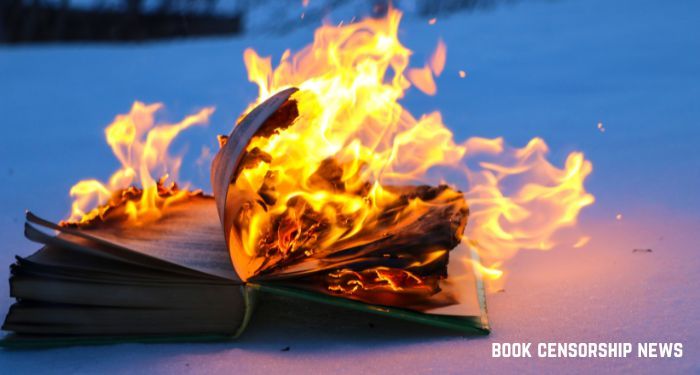
Over at Book Riot, Kelly Jensen leads off her weekly censorship news column with a smart take on a trope used by book banners: "Why, they ask, if certain books are so explicit they’re banned in prisons, are they available in public schools and libraries for children to access?" Jensen writes.
It's a Big Week for Small Libraries in Wyoming
 Marion Yoder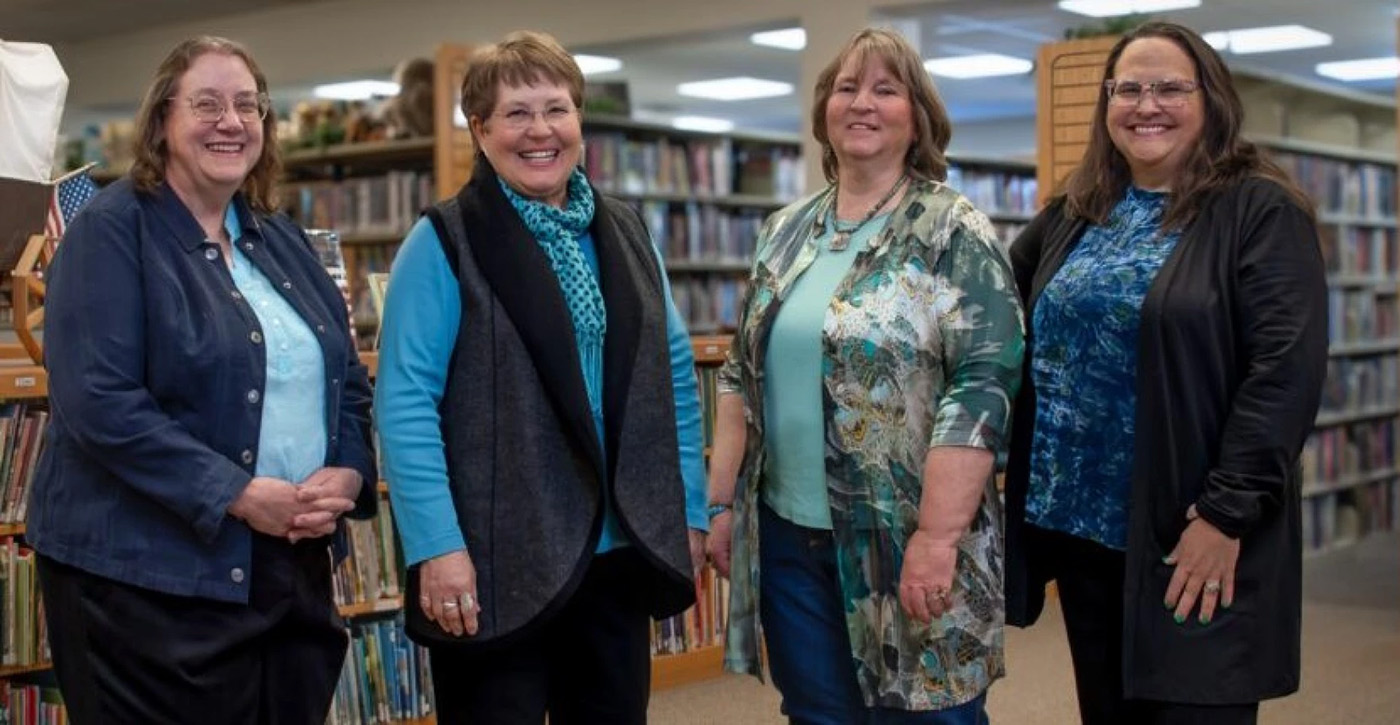
Wyofile columnist Marion Yoder this week penned a great editorial praising the Washakie County (Wyoming) Library and its Ten Sleep branch, which was singled out earlier this year by the IMLS for a National Medal for Museum and Library Service.
"Karen Funk, director of the Washakie County Library and its tiny Ten Sleep branch, lives by the credo that being small is no deterrent to doing something big. The Ten Sleep library, which serves a town of 226 people, was recently recognized as exceptional by the Institute of Museum and Library Services," Yoder writes.
The editorial that also touches on some of the challenges facing the library community, including book bans and tough employment conditions for library workers. "Outstanding library workers love the places they live and the communities they serve. It’s a good thing they do, because they’re not in it for the money," she writes. "According to the Bureau of Labor Statistics, the median pay for librarians and library media specialists in 2024 was about $31 an hour, or $64,320 annually. The typical entry-level education requirement is a master’s degree. Compare that to the median U.S. household income of $83,730 in 2024 as reported by the Census Bureau. Then, consider thanking a library worker for what they do every day for the public they serve."
And Finally This Week...
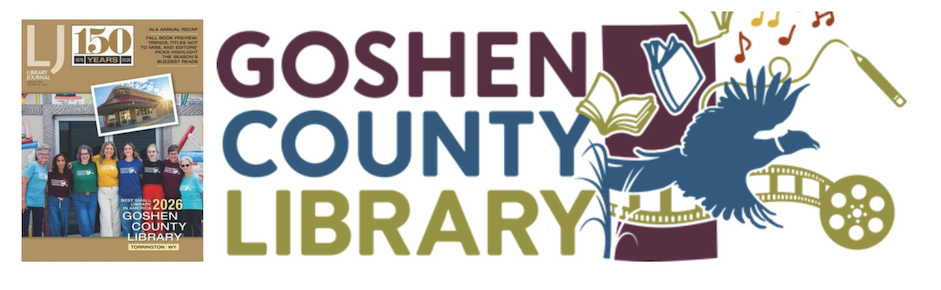
Congratulations to the Goshen County (Wyoming) Library, on winning Library Journal's 2026 Best Small Library in America honor.
"Goshen County Library (GCL) packs a lot of action into 6,000 square feet. Six days a week you can find seniors spinning wool, teens collaborating on a STEM project, a Lunch and Learn for local small businesses, or 25 preschoolers rapt at story time," writes LJ Executive Editor Lisa Peet. "Seven years ago, the library board and Director Cristine Braddy took advantage of the COVID-enforced shutdown to stop and reimagine what this small library could be for its community. Thanks to energetic and creative leadership, elected officials who realize the library’s value, and community partners who consistently say yes, GCL has stepped up to address issues from early literacy to senior loneliness, while making sure everyone has fun in the process—earning it Library Journal’s 2026 Best Small Library in America award, sponsored by Junior Library Guild."
And don't forget to check out the honorable mentions for a truly inspiring reminder of the power of libraries.