The Queue: Library News for The Week Ending July 17, 2026
Among the week's headlines: check out the new edition of EveryLibrary's The Political Librarian; North Carolina slips new book challenge rules into its budget bill; concerns mount in Florida over a proposal to slash property taxes; and academic libraries face a 'structural' transformation.

Politically Motivated
As we head into the dog days of summer, you might expect things to slow down a bit, but with budget issues ramping up, e-rate under threat, book bans, and perhaps the most consequential midterm elections in a generation now less than three months away, there's no rest for library advocates.
On that score: some required reading: the latest issue of the EveryLibrary Institute journal The Political Librarian dropped this week, and as usual, the current issue features an excellent lineup. But I'll point out a fascinating article by Michael Menna, the outgoing Law and Policy Specialist at the Internet Archive, and Lila Bailey, the Internet Archive's Senior Policy Counsel, on what's at stake as we transition from physical media sales to digital licensing.

"We are living through a troubling paradox: Digital technologies have enabled the production and distribution of more information than ever, yet access to that information is increasingly fragmented and fragile," the article begins. "These technologies should permit us to engage and learn from all the digital content at our fingertips. Instead, many of the basic rights we grew accustomed to in the physical world are now being overtaken by aggressive market tactics that do not reflect the public-interest values the law was meant to protect."
Indeed, much of the digital discussion in recent months has understandably focused on pricing and access issues amid a wave of new state-level legislation aimed at the public library ebook market, but this well-timed article highlights the broader challenges with the shift to licensed content.
ALA President Rallies for E-Rate
 Sanhita SinhaRoy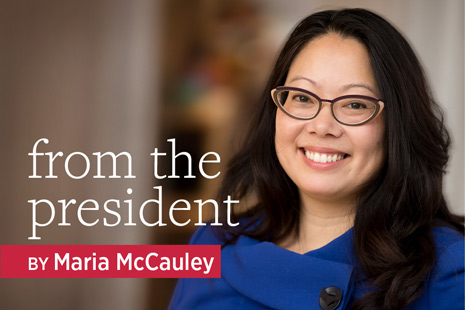
In American Libraries, new ALA president Maria McCauley offers a substantive column exploring the importance of defending E-Rate, as it comes under threat from Trump FCC chair Brendan Carr. "As our nation marks its 250th year and E-Rate reaches its 30th anniversary, we should be celebrating a program that has expanded information access for all Americans. Unfortunately, opponents argue that because E-Rate has succeeded, we no longer need it. But success is precisely why it must continue," McCauley writes. "Just as our streets and roads require ongoing investment, so too does our digital infrastructure."
Tennessee's Controversial Order to Audit Public Library Collections Challenged in Court
 Camruinn Morgan-Rumsey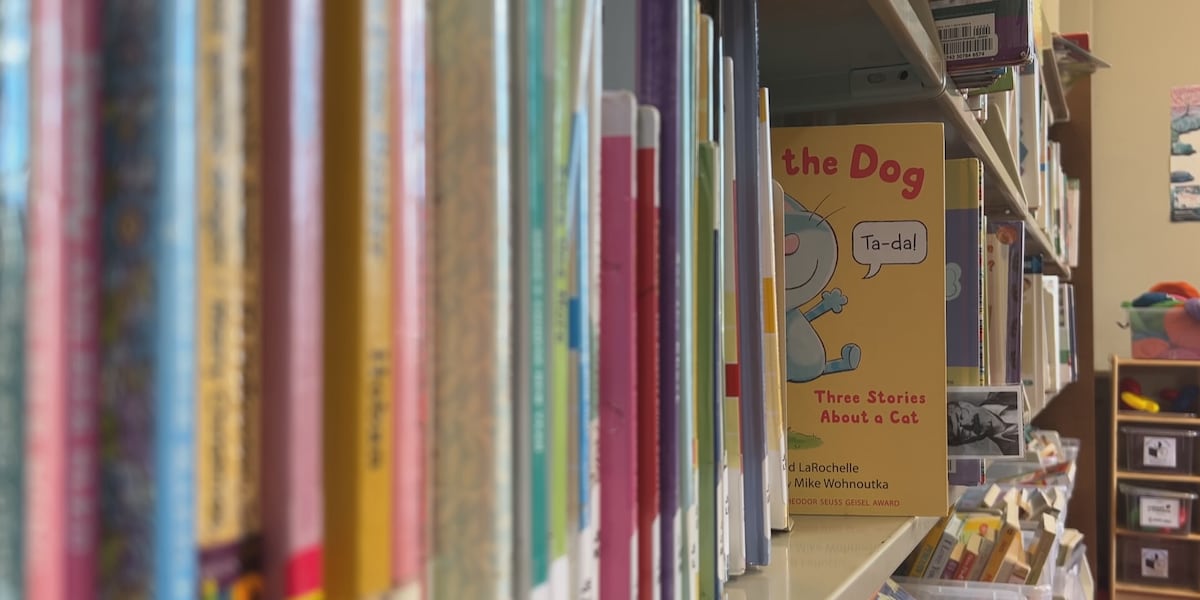
As we reported this week at Words & Money, a group of library advocates in Anderson County, Tennessee have filed a federal lawsuit stemming from Secretary of State Tre Hargett's move to audit collections in the state's public libraries for compliance with a Trump executive order on gender identity and a recently enacted state law on appropriate content in school libraries. Here's a report from local affiliate WVLT.
"The lawsuit isn’t asking for any monetary rewards. Instead, it asks for action from the courts to stop any book limitations until an apolitical review process is put into place," the article states. "Putting a system into place is easier said than done, however. Hargett’s letter said library systems that don’t comply could lose state funding, a much-needed resource for public libraries. Anderson County’s library board has spent months going back-and-forth, trying to find a way to comply with the secretary of state’s orders."
North Carolina Slips New Book Challenge Rules into Budget Bill
 Shabnam Danesh
CBS 17 reports that "the fight over school books in public schools is entering a new chapter in North Carolina after lawmakers tucked a new statewide process for challenging books and other instructional materials into the state budget."
The new rules require public school districts in the state to create Community Media Advisory Committees, and would allow anyone to file "a written challenge claiming a book is obscene or inappropriate." When a written challenge is submitted, "the committee must hold a hearing within two weeks and then make a recommendation to the school board, which would have the final say."
Ohio School Libraries Face Funding Challenges, Book Bans
Via the Ohio Capital Journal, public school librarians in Ohio are "raising alarms" about book bans and funding cuts. "Proposed legislation to filter the reading choices students can make has brought concern, and budget reductions make some worry about the future of public school librarians as a mainstay in schools," the article states. "Right now, a lot of administrators and school boards look at having school librarians as a luxury,” Gayle Schmuhl, president of the Ohio Educational Library Media Association, told reporters. “I think a lot of school librarians (in Ohio) are just hoping to stay employed.”
Pride Month Is Disappearing from Libraries
 Kelly Jensen
Over at Book Riot, Kelly Jensen leads off her her weekly censorship news column with her fourth consecutive look at Pride events in public libraries. "What stands out as you peruse the roundups–2023, 2024, and 2025–is something that becomes even more glaring for 2026: fewer and fewer reports of attacks on Pride in libraries are coming in," Jensen reports. "That’s not because things have gotten better. It’s because Pride is disappearing from libraries. The very same erasure of LGBTQ+ people being perpetrated by the government is happening in libraries, even if the intentions behind it may not be identical."
Florida School District Questions the Future of the School Library
 Douglas Soule
WUSF reports that Clay County, Florida, Chief Academic Officer Roger Dailey offered a dim view of the future for school libraries during what school officials characterized as a "brainstorming" session. According to the report, Dailey suggested kids "aren't actually reading" books at all, but nevertheless suggested there is an “endless supply of stuff that's totally inappropriate” in libraries.
Frustration as Alabama Public Library Service Leaves Librarians in Limbo
 Jacob Holmes
According to the Alabama Political Reporter, the Alabama Public Library Service has once again canceled a scheduled executive board meeting, citing a lack of quorum. While board chair John Wahl said summer meetings are frequently rescheduled in the summer months, the cancellation drew criticism from librarians and advocacy groups, citing the need for further guidance after the APLS enacted a new rule to block "transgender books" from youth sections in the state libraries. “This board is calling the shots when it comes to our state funding and LSTA grants," Mandy Warren, director of the Eufaula Carnegie Library, told the outlet. “When they can’t pull together a quorum of four out of seven people twice in a row now, it sends the message that our priorities are not their priorities.”
Concerns Mount for Florida Libraries as Potential Property Tax Cut Looms
 Brieanna Smith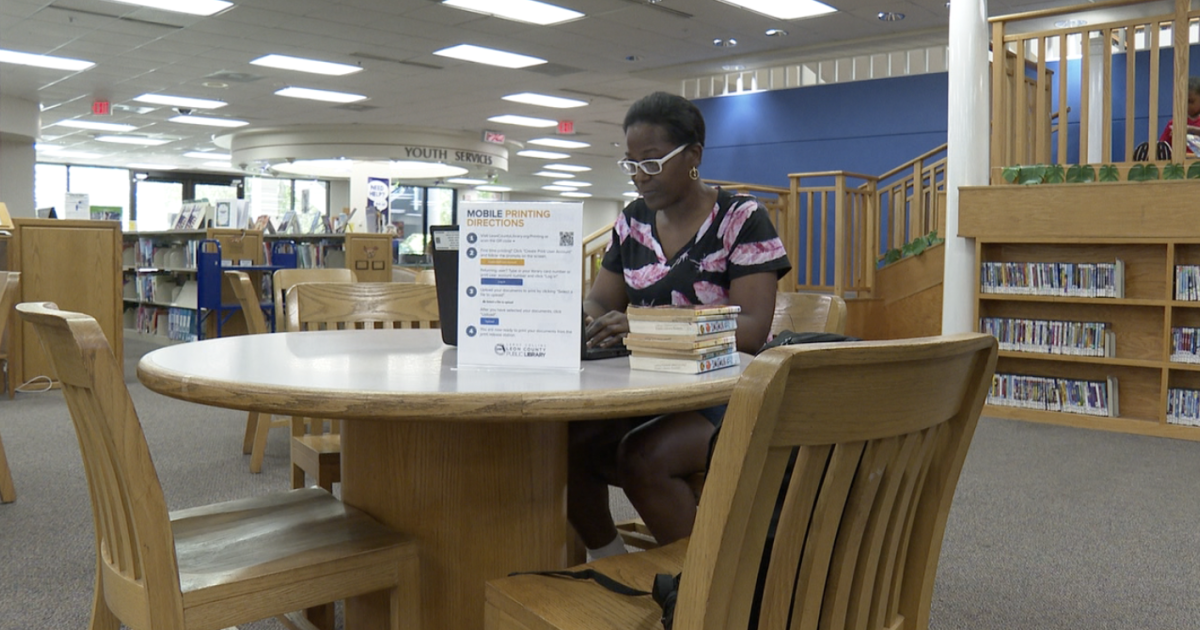
Lots of budget news this week, starting in Florida, where WTXL reports that Leon County Commissioners interrupted a discussion about "tightening library card restrictions for teens" with a warning that the library could face an existential threat if Florida voters approve a controversial property tax reform proposal in November. As Words & Money has previously reported, Florida is set to vote on a proposal which, if approved, would open the door to dramatically slashed property taxes, which libraries across the state depend on.
"I don’t really know why we’re having this conversation. I think that we're in a posture where we may potentially have to discuss closing libraries or charging fees to enter libraries if we have property tax reform," Leon County Commissioner Brian Welch warned Tuesday, according to the report, which added that the measure could "reduce county revenue by about $71 million over two years."
 Emma Delamo
Meanwhile, Spectrum News reports that library leaders in Orange and Volusia Counties are expressing similar worries. "Volusia County Community Services Director Dr. Brad Burbaugh said the county’s library system could see a $7 million reduction in funding" if voters approve the measure, "about 30% of the system’s total budget." And in Orange County, library director and CEO Steve Powell said the system relies almost entirely on property tax funding, and said library leaders are facing some "very, very hard conversations."
Pennsylvania Libraries Need More Funding
 Susan Shelly McGovern
Spotlight PA has an in-depth look at the funding challenges faced by Pennsylvania libraries. "As funding remains flat and patron demand expands, public libraries in Pennsylvania need more help to maintain services for the communities that rely on them," the article notes. “We simply don’t have the resources or funding that our volume of services requires and deserves,” Kaitlin Lehman, director of Bethel-Tulpehocken Public Library told reporters. “We’re always busy, so everyone thinks we’re doing great. And we are, as far as welcoming people and helping them with whatever they need. But we’re struggling to be able to continue doing that.”
Seattle Times Opposes Increase to Seattle Public Library Funding Increase; Spokane Faces Cuts Without a Budget Boost; Voters Consider Sno-Isle Levy Increase
Lots of funding news from Washington State, including a somewhat surprising editorial in the Seattle Times opposing a significant proposed funding increase for the Seattle Public Library.
"The upcoming ballot will ask voters to approve $479 million for the Seattle Public Library system, to help cover expanded hours, improved and digitized collections, updated technology and cybersecurity, and maintenance—including seismic retrofitting for neighborhood branches, some of which are 100 years old. Worthy expenditures, all," the paper's editorial board writes. "But it’s not that simple... if this levy passes as proposed, it will leave the city with severely curtailed abilities to ask voters for any other funding."
Meanwhile, in Spokane, the Spokesman-Review reports that library leaders say that the library may have to cut services without a budget increase. Library director Andrew Chanse is asking the City Council commit "an additional $2.3 million to the general fund budget."
Also in Washington, voters will decide by August 4 whether to increase the levy for the Sno Isle Libraries. "The current levy is limited by a statewide 1% cap on revenue growth and can no longer keep pace with rising costs, increased use, growing demand for digital materials, and inflation. This replacement levy will ensure libraries can continue to provide the services people rely on every day."
The Free Library of Philadelphia Is Apparently Crushing It
Axios reports that the Free Library of Philadelphia is experiencing "a renaissance" with visitor numbers rising sharply, counting "at least 963,700 visitors stopping into their branches this year through June—an 11% uptick compared to the same period last year, per library data," the highest library visitor rate since before the pandemic—and that figure doesn't include the system's biggest library and five other branches, which don't yet have electronic visitor counters. "Library spokesperson Mark Graham tells Axios he credits the uptick in visitors with libraries staying open more often and reliably," the report states.
Academic Libraries Are Facing a 'Profound Structural Transformation'
 Personanondata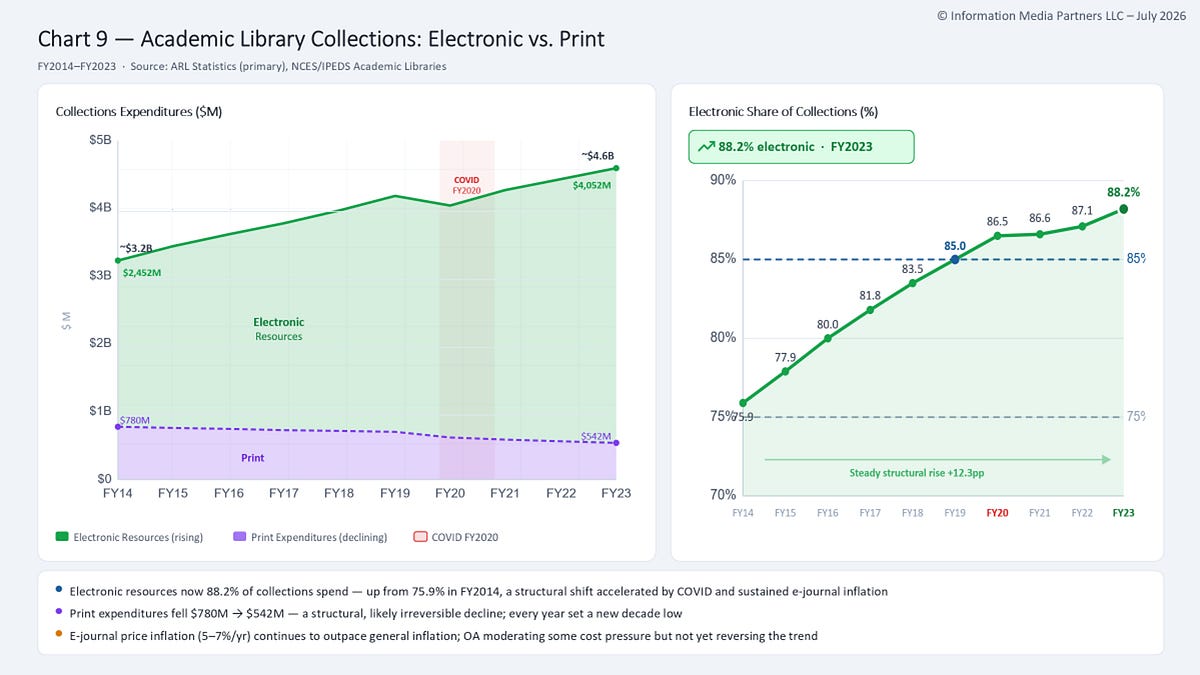
at PersonaNonData, Michael Cairns has his latest post in his seven-part series on libraries, this one on academic libraries. "At the end of 2017, ARL research libraries crossed an historic line: collections spending surpassed personnel as the largest budget category. For the first time, the cost of accessing information exceeds the cost of the people who make that access possible," Cairns writes. "This is a sector in a more profound transformation than any other in the library landscape."
And Finally This Week...
 PodBean Development
One of the highlights from ALA for me was the live taping of digital library vendor Hoopla's podcast, the Straight Download, on the show floor with Connecticut Library Consortium executive director Ellen Paul. I've written about the Hoopla podcast before and I remain impressed with the way Hoopla's Jeff Jankowski and Ann Ford are willing to dive in and talk about the thorny issues facing librarians, such as this conversation with Paul about library about ebook legislation, the second time Paul has appeared in the podcast.
The podcast with Ellen Paul is live, and if you haven't checked it out, it's definitely worth a listen. Whether or not library ebook legislation is the way to go, conversations like this are essential.