The Queue: Library News for the Week Ending June 19, 2026
Among the headlines this week: the 2026 ALA Annual Conference kicks off next week; More response to the Authors Guild's take on digital library lending; a federal judge rebukes Trump's bid to censor signage at national parks; and Arkansans speak out against potential new library restrictions.

See You at ALA in Chicago
We're counting down the days until the ALA Annual Conference in Chicago, and we start off this week's newsletter with a little news of our own: as he announced on his blog, As in guillotine, we're delighted to announce that Guy Gonzalez will be helping us cover what will be a very busy week in Chicago (and we hope to have him continue contributing to Words & Money with future articles and projects).
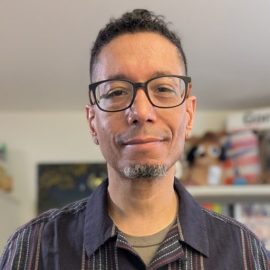 Guy LeCharles Gonzalez
Many of you already know Guy. Most recently he was Chief Content and Marketing Officer for LibraryPass, prior to its recent acquisition. Before that he served as project lead for the Panorama Project; Publisher & Marketing Director for Writer’s Digest; Director of Content Strategy and Audience Development for Library Journal, School Library Journal, and The Horn Book; and he was the founding Director of Programming and Business Development for the original Digital Book World. Beyond his impressive resume, Guy has always been one of the more insightful voices in the publishing and library worlds. If you haven't already, you can sign up for his newsletter here.
On a personal note, I've relied on Guy's insights and talents for many years, and we are very fortunate to have him contribute to the work we're doing at Words & Money. Please come see us on the show floor at ALA, booth #3922 (part of the American Collective Stand). We'd love to see you.
More Reaction to The Authors Guild's Curious Take on Libraries
 Jane Friedman
In her excellent newsletter, The Bottom Line, Jane Friedman has another must-read response to the Authors Guild's report last week that suggested libraries are somehow hurting author incomes. "To be fair, it is well known that digital borrowing has surged at libraries, especially since the pandemic. In particular, it was revealed in 2019 that library ebook revenue for Macmillan increased by 800% over five years. But if readers have truly abandoned buying for borrowing, total book purchasing, especially for fiction, would be falling. In fact, the opposite is happening. The fiction market has seen some of its strongest growth since the pandemic," Friedman observes.
 Guy LeCharles Gonzalez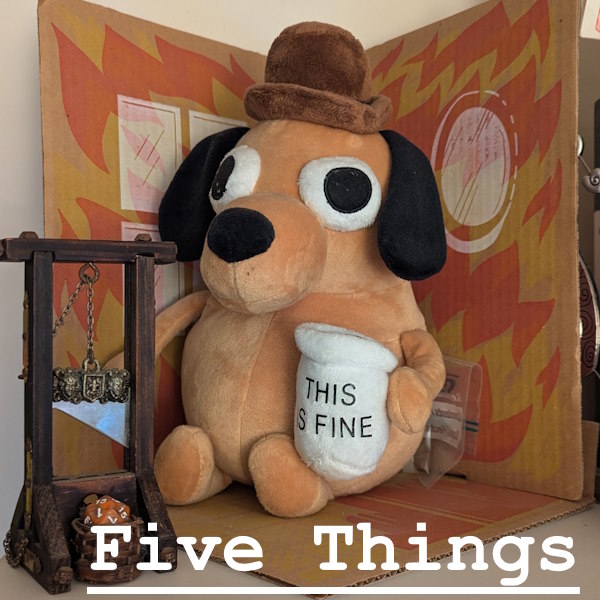
Jane also points to Guy Gonzalez's take on the guild report in his Five Things newsletter for June 11. "Including libraries with other 'free' sources like friends, personal collections, and pirate sites is a subtle form of lying with data (aka, disinformation), and [the Authors Guild] continue their habit of following the AAP’s lead on attacking libraries whenever possible, even as their 'data' continues to identify trade publishing’s core business model as the primary culprit," Gonzalez writes. "With Patterson unexpectedly weighing in, too, the past two weeks feel like a disturbingly coordinated effort at a critical time when librarians are actively defending the freedom to read on multiple fronts, while also fighting for the funding that enables libraries’ very existence. I wonder what might have suddenly riled them all up?"


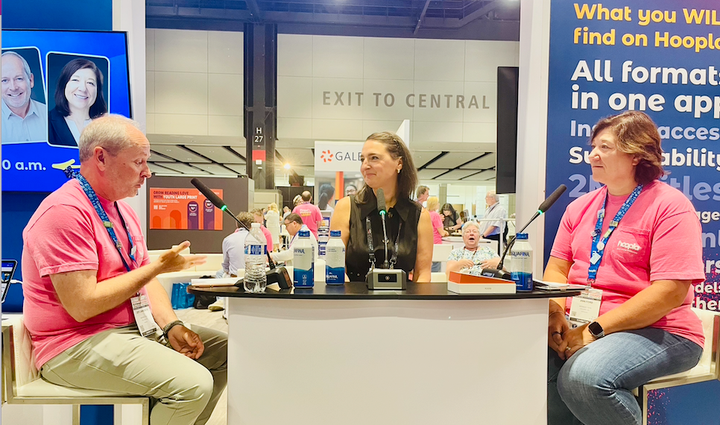
And then there's this video response from Hoopla's Ann Ford, in which she calls out the Authors Guild's critical omissions. It's well worth a watch. "Librarians, you need to pay attention," Ford warns. "Because the target on your back just got a lot bigger."
Federal Judge Blocks Trump's Bid to Rewrite History at Our National Parks
 Aaryn Urell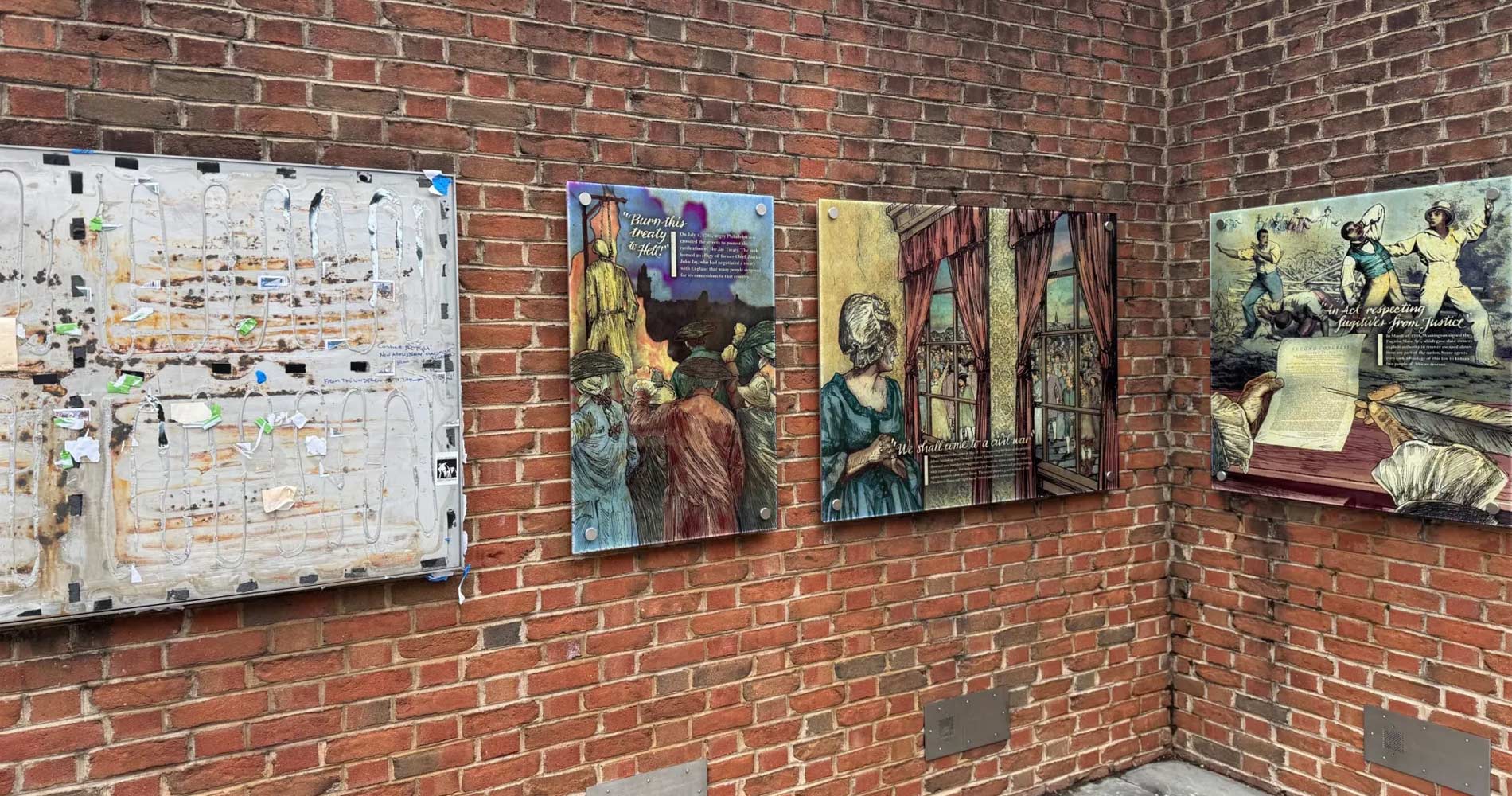
Since early on in the Trump administration, we've been following the work of a coalition co-founded by a group of librarians, historians, and data experts called Save Our Signs, that collected photos of signs at National Parks that were targeted for removal by Trump Executive Order 14253, “Restoring Truth and Sanity to American History.” This week, a federal judge ordered the Trump administration to return all the signs that have been removed thus far and blocked further removals, in a massive win for those opposing the erasure of our history.
The Equal Justice Initiative has a good report. "The now-removed materials were the product of years of care, stewardship, community collaboration, and public engagement," wrote judge Angel Kelly, in her decision. "Their removal constitutes government-sanctioned erasure and rejection of their histories. It strips the sites of the context that gives them meaning. It degrades the public’s trust in the government, as the Executive Order ignores congressional directives and carelessly razes decades of efforts in the pursuit of its unilateral agenda. These harms are, in all senses of the word, irreparable."
Facing a New Threat, Librarians Must Step Up to Defend E-Rate
 Greg Landgraf
As we reported last week, the FCC's vital E-Rate program is facing a new threat from Trump FCC Chair Brendan Carr. This week, American Libraries reprinted a column from Joey Wender, executive director of the Schools, Health, and Libraries Broadband (SHLB) Coalition, calling on school librarians to defend the program.
"So what happens if E-Rate goes away? Schools and libraries would have to absorb the full cost of their internet service. For institutions already working with tight budgets, that money has to come from somewhere. That money comes out of staff and program budgets that make a school or library more than a building. The deepest harm falls on the students whose schools can least afford high-speed internet," Wender writes. "Here is the good news: This is a proposal, not a decision. The FCC is required to take public comments, and it will receive them. The SHLB Coalition believes in E-Rate because we have seen what it makes possible, and we will not stand by as it is quietly unwound."
Concern in Utah as Book Banner Accesses Private Student Data

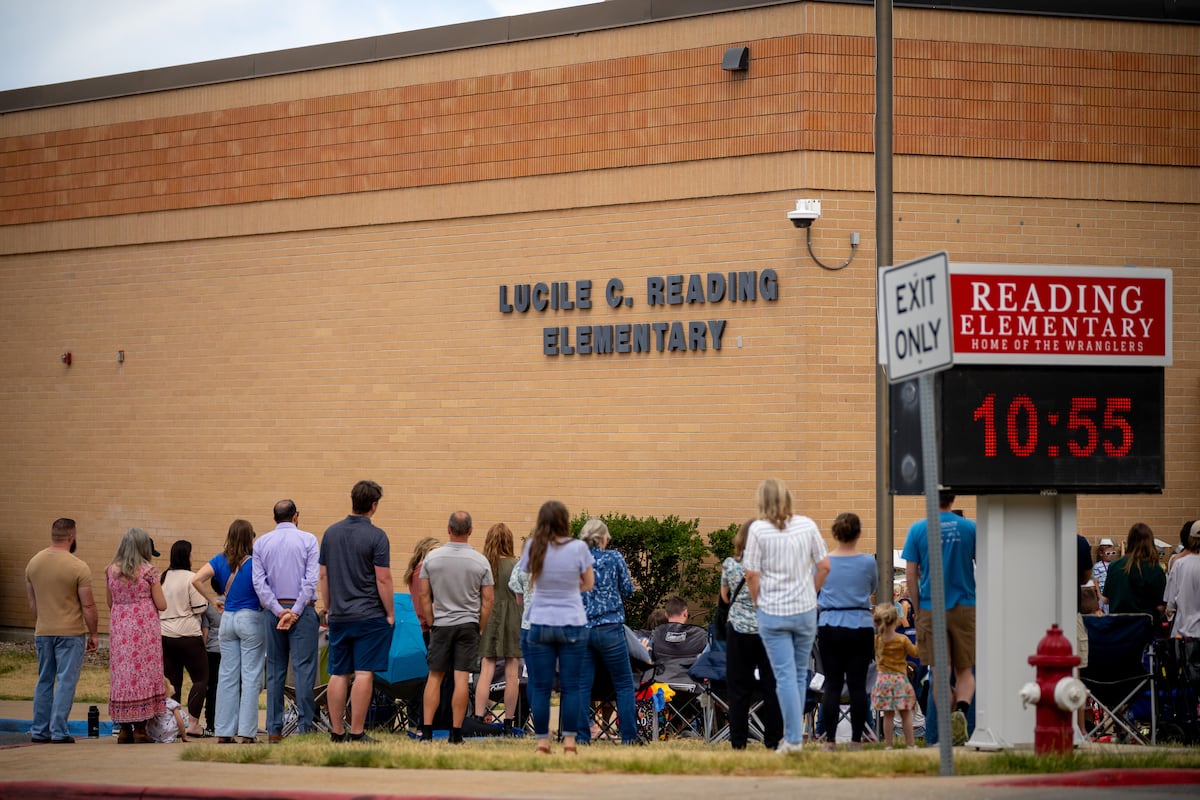
The Salt Lake Tribune reports that a “prominent advocate for Utah’s book bans was given access to a school library system containing private student information including home addresses, phone numbers and what books each student has previously checked out.” School officials insist there was no breach and no school policies were broken, but the incident has nevertheless raised concerns.
“Stephens is a prominent leader in the conservative group Utah Parents United and launched the popular social media page “LaVerna in the Library,” which is dedicated to offering parents instructions on how to request that school districts review certain titles for inappropriate content,” the article states. “She has submitted many requests herself for book reviews across the state, filing more than 20 in Davis School District alone, where her children attend.”

Arkansas Residents Object to Proposed Library Restrictions
Tess Vrbin at the Arkansas Advocate reports that “dozens of Arkansans” weighed in to oppose new proposed rules that would require public libraries to restrict children’s access to “sexually explicit materials” in order to receive state funding. “At least 62 people submitted concerns in writing by Friday about the draft rule requiring libraries to ensure patrons age 16 or younger cannot check out materials that depict or describe sexual contact and behavior.” No comments expressed support for the rules, the report notes.
Still, the rules are likely to be enacted after a 2025 law empowered Governor Sarah Huckabee Sanders to appoint all six board members of the Arkansas State Library Board. The proposed rules come as an appeals court reviews a federal judge’s decision to block similar provisions contained in a 2023 state law, Act 372, that would create criminal liability for librarians who make allegedly inappropriate content available to minors.
BISG, BookNet Canada Launch 2026 AI Survey
 Liz Bartek
As we reported, the results from the Book Industry Study Group and BookNet Canada's first survey of AI use in the book business was very illuminating. This week, BISG announced that the next survey is now open. "Whether you're actively using AI tools, evaluating their potential, or developing AI-enabled products and services, or choosing not to use AI at all, your perspective will help create a more complete picture of how the industry is evolving," reads a BISG release. The survey is open to professionals working in publishing, bookselling, distribution, printing, libraries, technology providers, and related service organizations, as well as independent and freelance professionals serving the industry. The survey will remain open through Friday, July 17.
The Battle Over Library Cards
 Kelly Jensen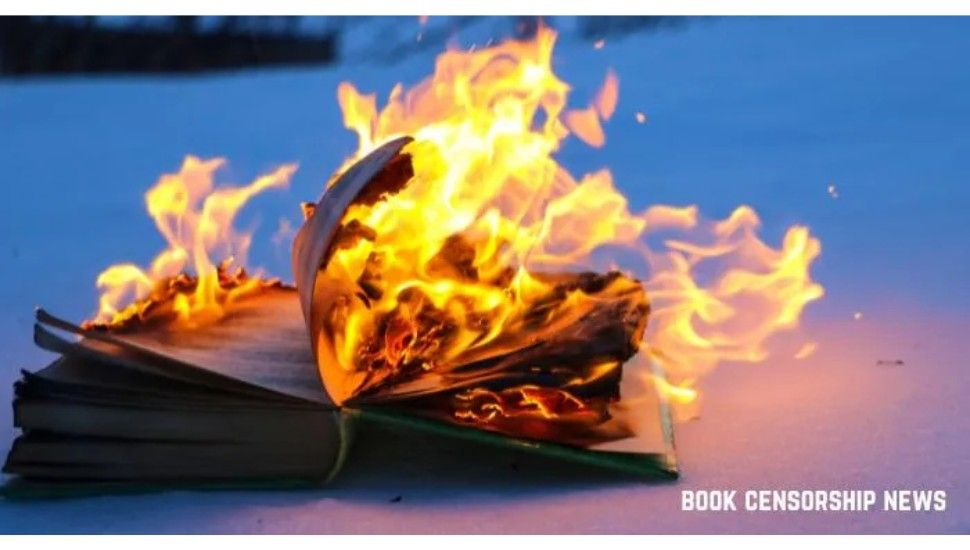
Over at Book Riot, Kelly Jensen leads off her weekly censorship news column with a report on how library cards have become the latest front in the fight over the freedom to read, written by Brooklyn Public Library's Amy Mikel. "Increasingly, lawmakers and library governing authorities looking to censor books and reading have begun introducing restrictions around how public libraries issue library cards to minors," Jensen writes in her intro. "Libraries that have not proactively revised their library card registration policies to ensure minors and other disenfranchised patrons have low barrier access might want to take a second look."
New Oregon Library Draws Record Crowds
 Campbell Porter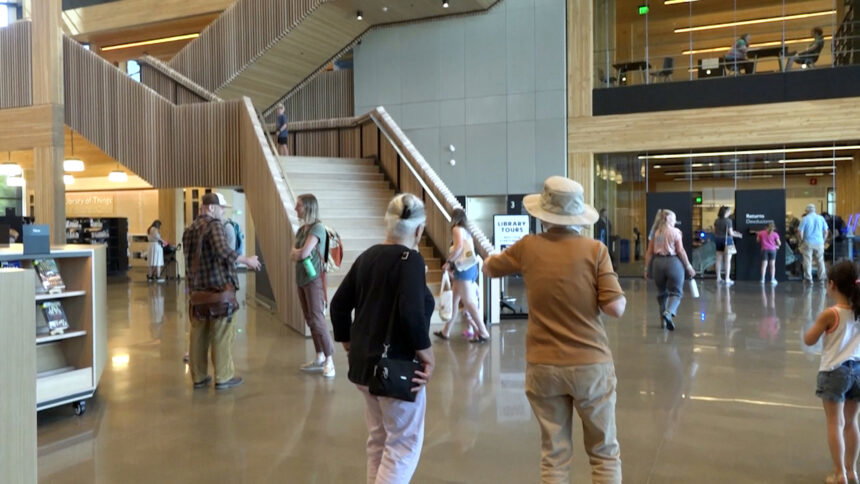
You love to see this: local affiliate KTVZ reports that a new Central Library in east Bend, Oregon, has drawn massive crowds after its opening. "In its first 30 days, the library welcomed more than 63,000 visitors, with patrons checking out over 80,000 items. By comparison, all Central Oregon libraries combined saw about 52,000 visitors in May 2025," the report notes.
Oregon Governor Signs Law Making Dolly Parton's Imagination Library a Permanent Fixture
 Christopher Keizur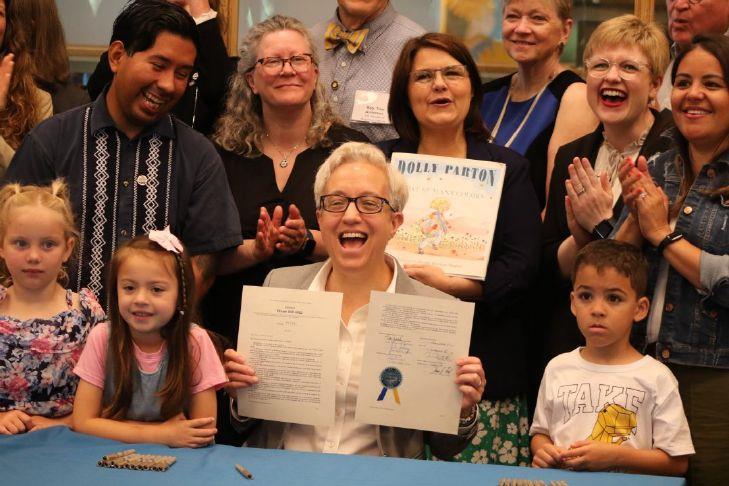
The Portland Tribune reports that Governor Tina Kotek this week celebrated the signing of House Bill 4022, which offers permanent support for Dolly Parton’s Imagination Library of Oregon. "During the 2023 legislative session, under Senate Bill 5506, $1.7 million was used to administer and expand Imagination Library across Oregon. That allowed local partners to launch book deliveries to as many children as possible," the report notes. "Now with the added support, the program is reaching more corners of the state and has sustained support via state dollars."
And Finally This Week...

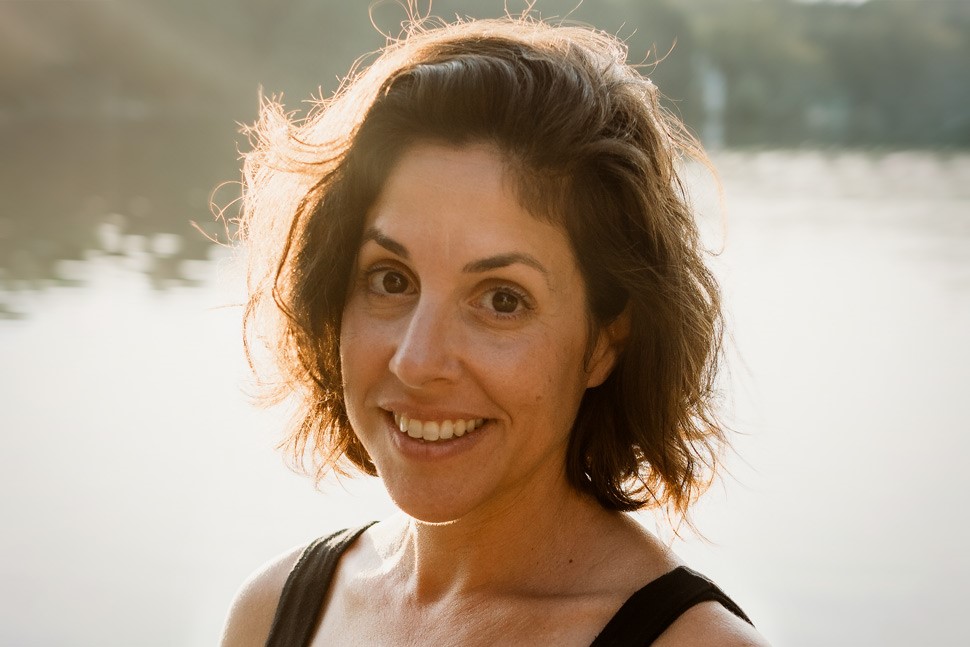
Deborah Caldwell-Stone is a tough act to follow at the ALA's Office for Intellectual Freedom. But the ALA is lucky to have a great successor in Sarah Lamdan. This is a bit overdue, but American Libraries this month has its customary "11 questions" interview with Lamdan. "My favorite thing about working in OIF is that we get to support library workers when they need it most. It’s an honor to help fellow librarians facing intellectual freedom challenges and to help them share the principles of intellectual freedom with their libraries and communities."