The Queue: Library News for the Week Ending June 5, 2026
Among the week's headlines: Congress appears poised to fund the IMLS; James Patterson slams library ebook legislation, as Rhode Island's ebook law advances; the FCC is proposing to 'review' e-rate; and a federal judge rules that Amanda Jones's defamation case against a New Jersey man can proceed.

House Subcommittee Proposes Level Funding for IMLS

Congress is once again poised to reject President Trump's efforts to eliminate the Institute of Museum and Library Services.
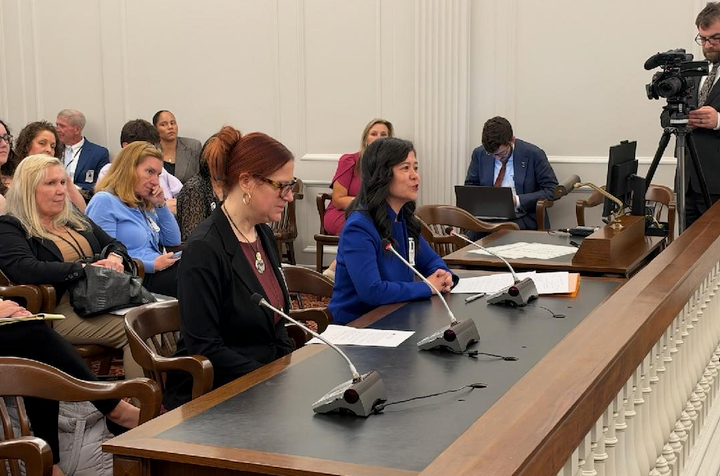
In the latest markup of the the FY 2027 budget bill, the House Appropriations subcommittee that oversees IMLS funding has approved a FY 2027 budget that includes level funding for IMLS. A rep for the American Library Association told Words & Money that allocations for specific programs won't be known until after the full committee markup, which is set for next week, but that the subcommittee's markup was "a positive development."
After failing to destroy the IMLS via executive order, the Trump Administration, in its FY 2027 budget blueprint once again proposed the elimination of the IMLS. The proposal was the sixth time Trump had proposed a federal budget that would permanently eliminate the federal Institute of Museum and Library Services (IMLS), and with it virtually all federal funding for libraries. Congress rejected each previous effort, thanks to the work of library advocates, and ALA officials are urging advocates to remain engaged as the FY 2027 budget process proceeds.
"House members are listening to library supporters, who have sent thousands of emails and made calls and personal visits to congressional staff, sharing the impact libraries have in their communities," ALA president Sam Helmick said in a statement sent to Words & Money. "We hope that the House markup will serve as a baseline for Senate appropriators to provide the robust funding needed to run programs that benefit individual constituents and local economies."
Rhode Island's Library Ebook Bill Is on the Move Again, Over James Patterson's Objections
 James Patterson, The Providence Journal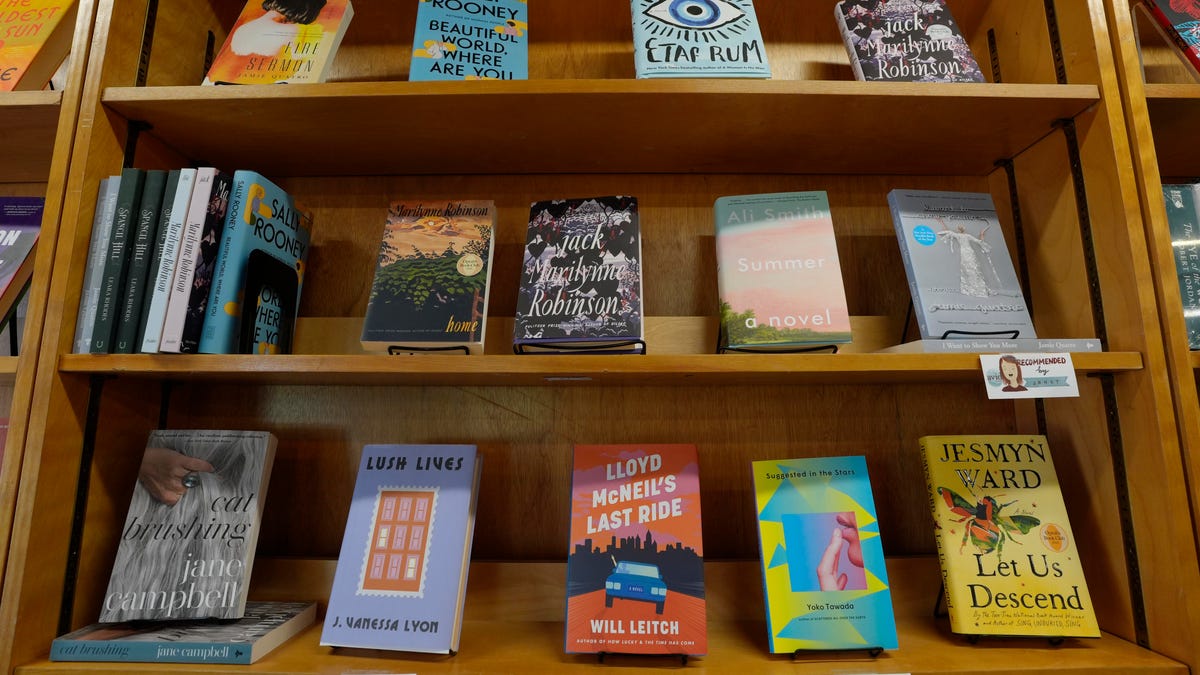
After being held for further study earlier in the year, Rhode Island's library ebook bill, S.2525, passed out committee this week, and advocates say it could proceed to a floor vote in both the House and Senate next week. Meanwhile, bestselling author James Patterson this week published an op-ed in the Providence Journal (paywalled) blasting the legislation.
"The bills currently pending in the Rhode Island General Assembly (H7606 and S2525)," Patterson argues, "would force authors and their publishers to license digital books to libraries on whatever terms the state decides, handing state governments unprecedented power over how authors distribute their work and undermining how authors are compensated for their creative contributions."
In response, the Authors Alliance and the Ebook Study Group flatly rejected Patterson's editorial, which they characterized as "misinformation" and publishing industry talking points.
"The sky-is-falling rhetoric from publisher associations should be understood for what it is," the groups said in a release this week. "An attempt to preserve a market in which public institutions, like libraries, must accept non-negotiable, expiring, and often overpriced digital licenses. Rhode Island lawmakers should see through that rhetoric and advance this carefully drafted, pro-access, fiscally responsible legislation."
The news out of Rhode Island comes as Washington D.C. has signed its library ebook bill into law, and a week after five library associations publicly called for the major publishers to come to the table and negotiate fair terms for the digital library market.
Brendan Carr's FCC Takes Aim at 'E-Rate'
 hthnone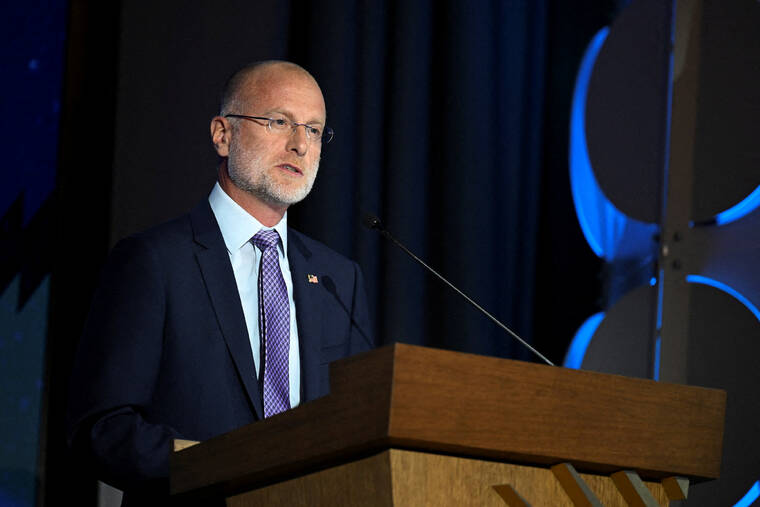
In a potentially alarming development for libraries, the FCC this week announced a proposal to review the agency's E-rate program, which provides roughly $3 billion annually to subsidize broadband connectivity in schools and libraries across the nation.
In a statement, Carr expressed concerns that appear to extend well beyond the FCC's mandate: that educational outcomes are suffering because kids are getting too much screen time and may be accessing harmful content online. The FCC is seeking public comment, and is currently set to vote on Carr's proposal on June 25—the start of the ALA Annual Conference in Chicago.
Various reports, including this one in the Hawaii Tribune-Herald, say the FCC is considering "reforming or ending" the program, which libraries and schools depend on.
Under Carr, the FCC has been accused of using its power to go after speech the Trump administration dislikes, and in announcing his proposed review of the e-rate program, censorship also appears to be a motivating factor. In his announcement, Carr said the review is being done with an eye toward "empowering parents," hallmark language of the current right-wing movement to ban books. Furthermore, the announcement expressly seeks comment on whether the FCC's current interpretation of the Children’s Internet Protection Act (CIPA) "sufficiently protects children from inappropriate and harmful content when using school and library computers."
The potential review comes after the FCC last fall ended a popular program that allowed e-rate funds to to be used for Wi-Fi access on school buses and by lending hotspots (a program that as unveiled at the 2023 ALA Annual Program in Chicago), alleging that the expansion was "illegal" and was funding "unsupervised screen time for kids without accounting for the risks." Last month, critics also decried the FCC's plan to implement a "bidding portal" for E-rate funding.
See you in Chicago for ALA 2026
 Sanhita SinhaRoy
Over at American Libraries, check out Sallyann Price's preview of the upcoming ALA Annual Conference, set to run June 25-29 in Chicago. Celebrating the association's 150th year, this one promises to be special, and the program looks very strong. Words & Money will be there, and if you'd like to meet, you can reach out to us via the email addresses in the "About" section on our website.
Judge Rules that Amanda Jones's Defamation Case Against New Jersey Man Can Proceed
 Amanda M Jones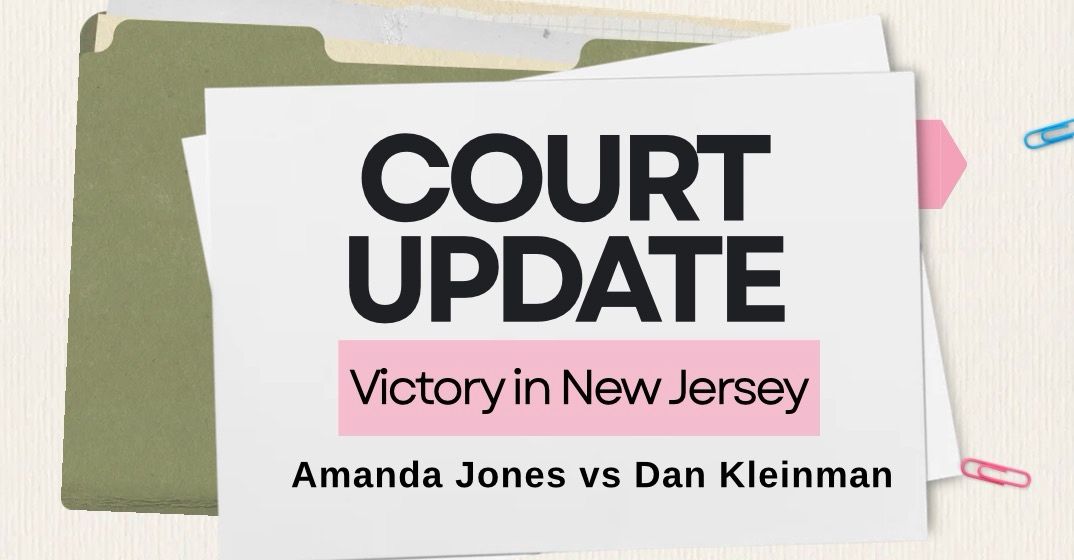
In an update shared on her LinkedIn this week, librarian, author, and freedom to read advocate Amanda Jones shared news that a federal judge in New Jersey has ruled that her defamation lawsuit against a New Jersey man, Dan Kleinman, can proceed. “The statements Jones is a ‘sexual groomer’ or was ‘sexually grooming’ school children are neither mere insults nor rhetorical hyperbole,” the court held in its decision, finding that Kleinman's attacks on Jones were "objectively capable of a defamatory meaning."
"This is a significant win for many reasons," Jones wrote. "For years, I have endured harassment, threats, and attacks on my professional reputation and personal safety. This decision means the court agrees these claims are serious and deserve to be heard fully."
The decision comes after Jones last year allowed one of two Louisiana men she sued for defamation in 2022 to settle the case for $1 and a public apology, while her case against a second Louisiana man, Michael Lunsford and Citizens for a New Louisiana, proceeds. Jones reports that the next hearing in that case is set for Monday, June 8.
EveryLibrary: Florida's Bid to Pare Property Taxes Is a Threat to Libraries
 Staff Reports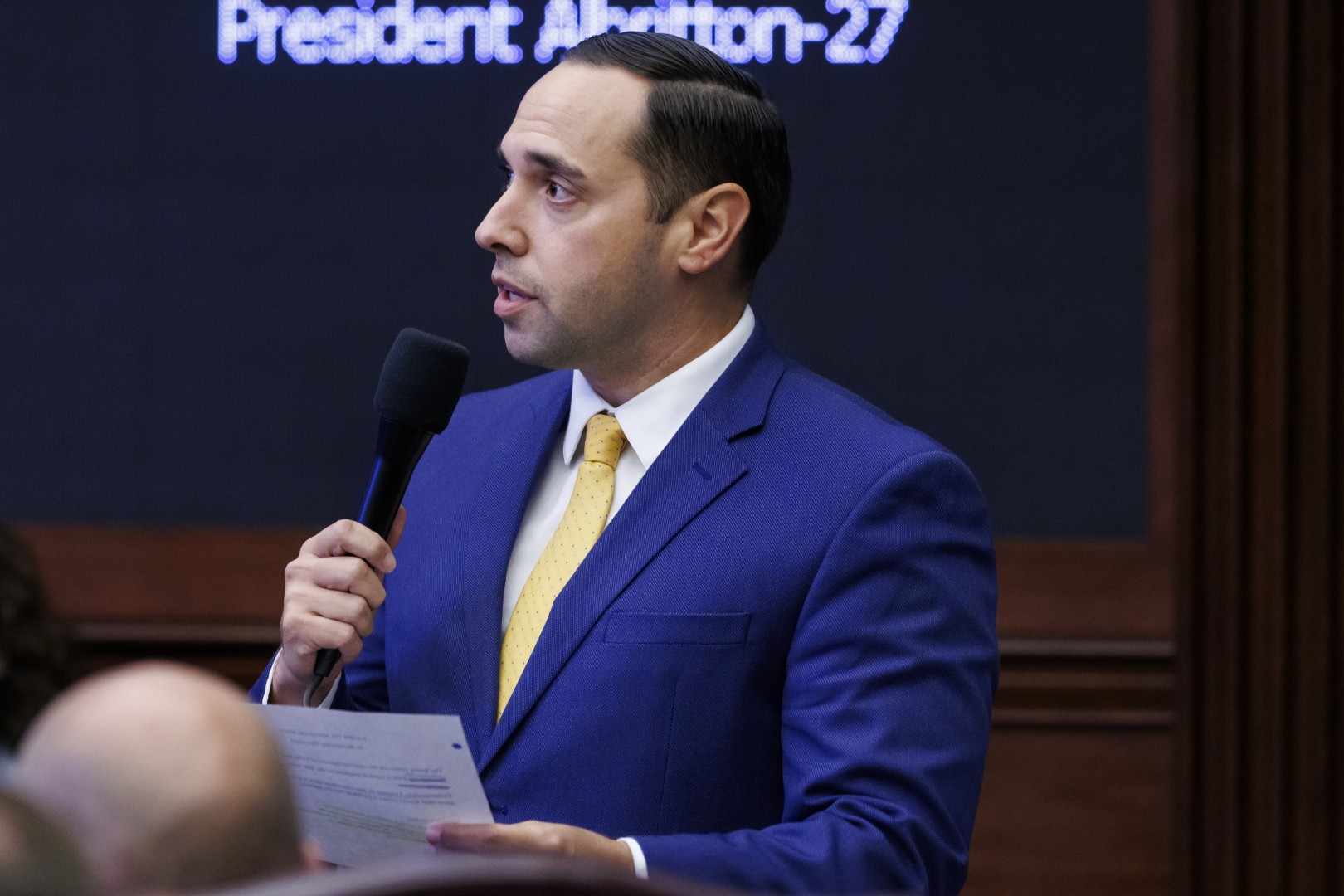
After a special session of the Florida Legislature was seated this week, Florida Politics reports that the state is now poised to let voters decide whether to change the state's constitution this fall to limit property tax assessments, which, the outlet notes, "could lead to local governments slashing services." Meanwhile, in an issue brief this week, EveryLibrary sounded the alarm on the proposed amendment.
"For Florida's public libraries, the stakes are significant," reads the EveryLibrary analysis. "Public libraries are funded primarily through local revenues and serve more than 23 million Floridians through 541 library locations, 22 bookmobiles, millions of annual visits, workforce development programs, digital access services, literacy initiatives, and educational programming... Before policymakers and voters consider permanent constitutional changes to local government finance, it is important to understand what is at stake for the libraries and civic infrastructure that serve communities across Florida."
With Unfilled Board Seats and a Property Tax Cut Looming, Controversy Continues at this Florida Library
 Mollye Barrows, Pensacola News Journal
The Pensacola News Journal reports that among the ongoing "public storm of questions and controversy" at the West Florida Public Library in Escambia County, the library is facing "new worries about unfilled vacancies on its governing board and the potential for massive budget cuts to the library system" if voters approve the state's proposal to slash property taxes. "Two seats have remained vacant on the West Florida Public Library Board of Governance (WFPL BOG) since March 1," the report notes.
Escambia County Administrator Wes Moreno told reporters there is “no conspiracy to undermine the board's oversight,” but said he wanted to ensure the new board members were “loyal to me or the administrator or to our board.” The report adds that, if voters approve the property tax referendum in November, it will "substantially reduce property taxes" in Escambia County, costing WFPL "$2 million in the first year and $3.1 million the second year."
After Losing Censorship Fight, Huntington Beach City Council Is Said to Refuse 'Friends' Library Donation
 Theresa Sears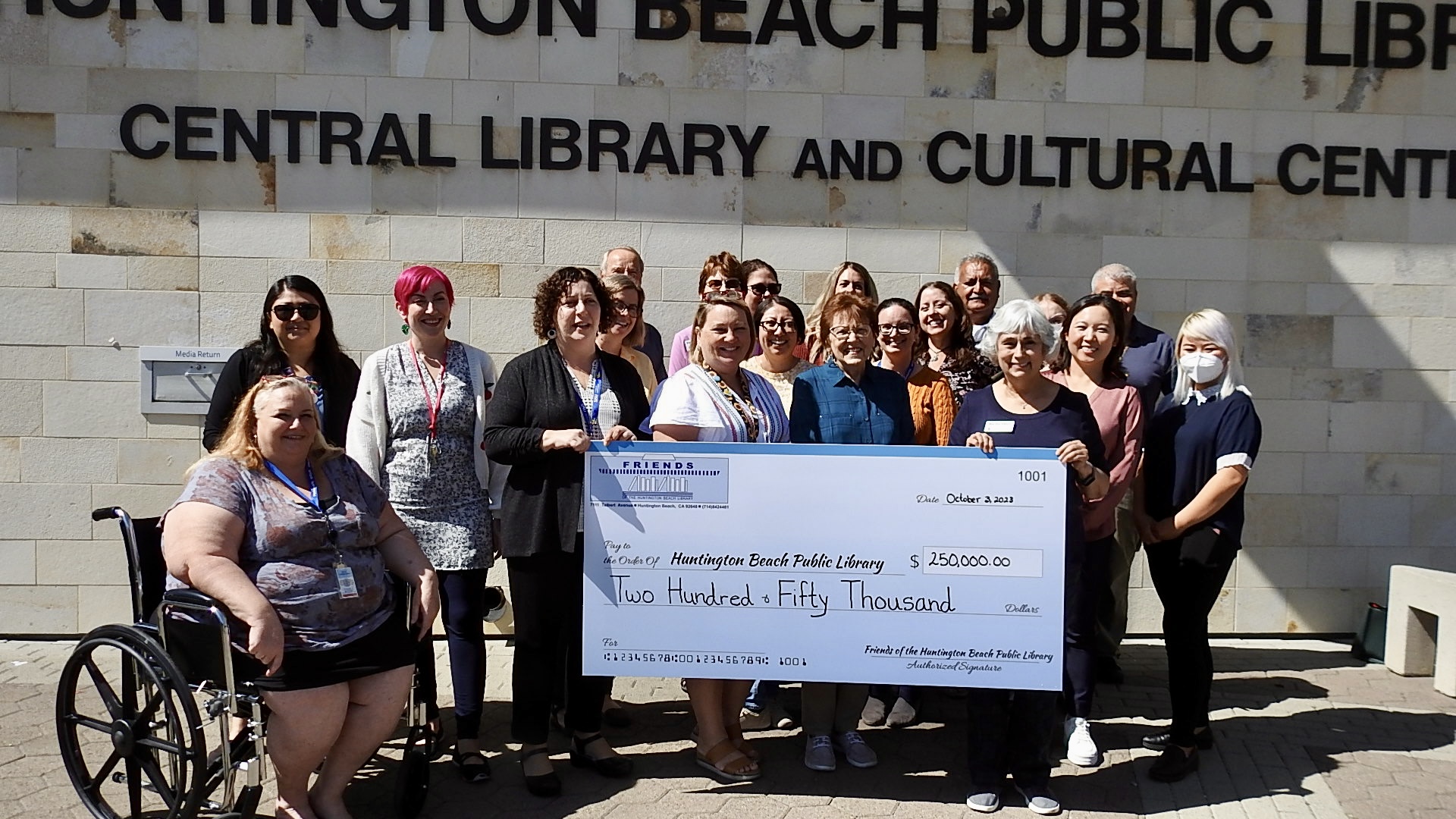
Voice of OC reports that the Huntington Beach, California, City Council is refusing to accept a significant donation from the Huntington Beach Public Library's friends group, following a rift over the board's failed attempts to impose censorship policies that were defeated both in court and at the ballot box. "Council members have publicly questioned the Friends organization, criticized its activities, and refused to accept its pending $825,000 donation covering nearly three years of funding for library book acquisitions, including new fiction and nonfiction books and e-books," the report states. "Many residents now believe Friends is being punished for opposing the city council’s library policies."
After Roots is Banned, then Un-banned, Tennessee Residents Seek Clarity and Transparency
 Josh Jarnagin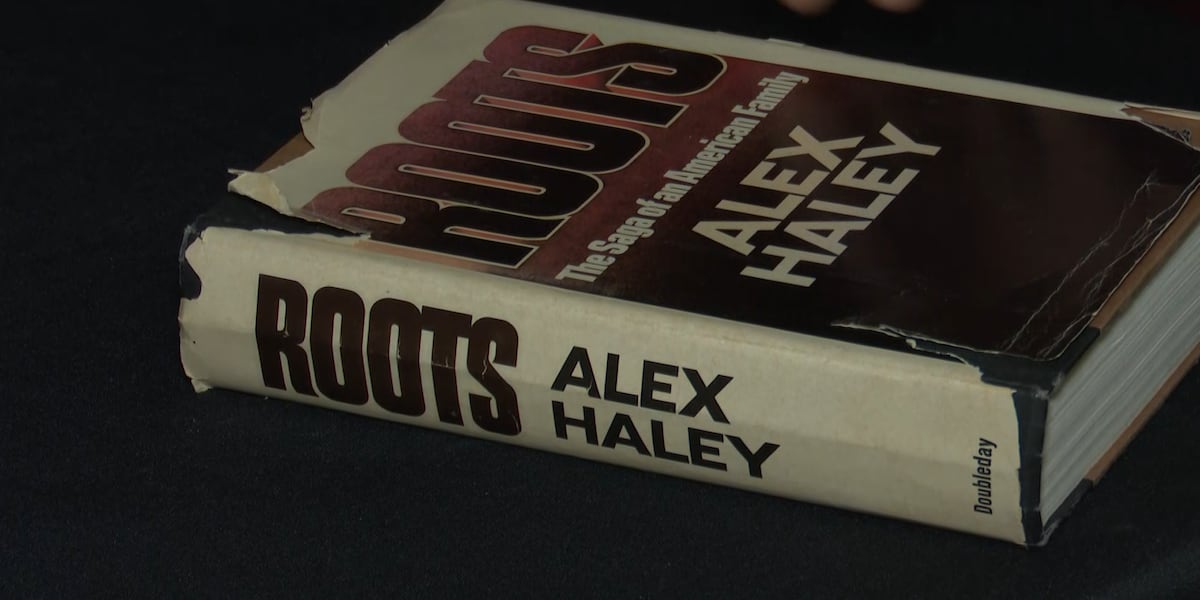
After the Knox County Schools banned then reinstated famed Tennessee author Alex Haley's Roots to school libraries, residents of Knox County, Tennessee showed up to a school board meeting to voice their concerns about the state's recently updated Age Appropriate Materials Law. "Dozens of people showed up to protest the process to ban books at Monday’s school board meeting," local affiliate WVLT8 reports. "Some feel the decision to initially ban Roots came out of nowhere without any real explanation. After Superintendent Jon Rysewyk chose to put it back on school shelves, they are still pushing for more transparency." In a followup, the outlet reports that the Knox County School Board narrowly passed a resolution urging state lawmakers to amend the law again.
North Carolina to Study How Local Libraries Can Help People Navigate AI
 Gabrielle Neyman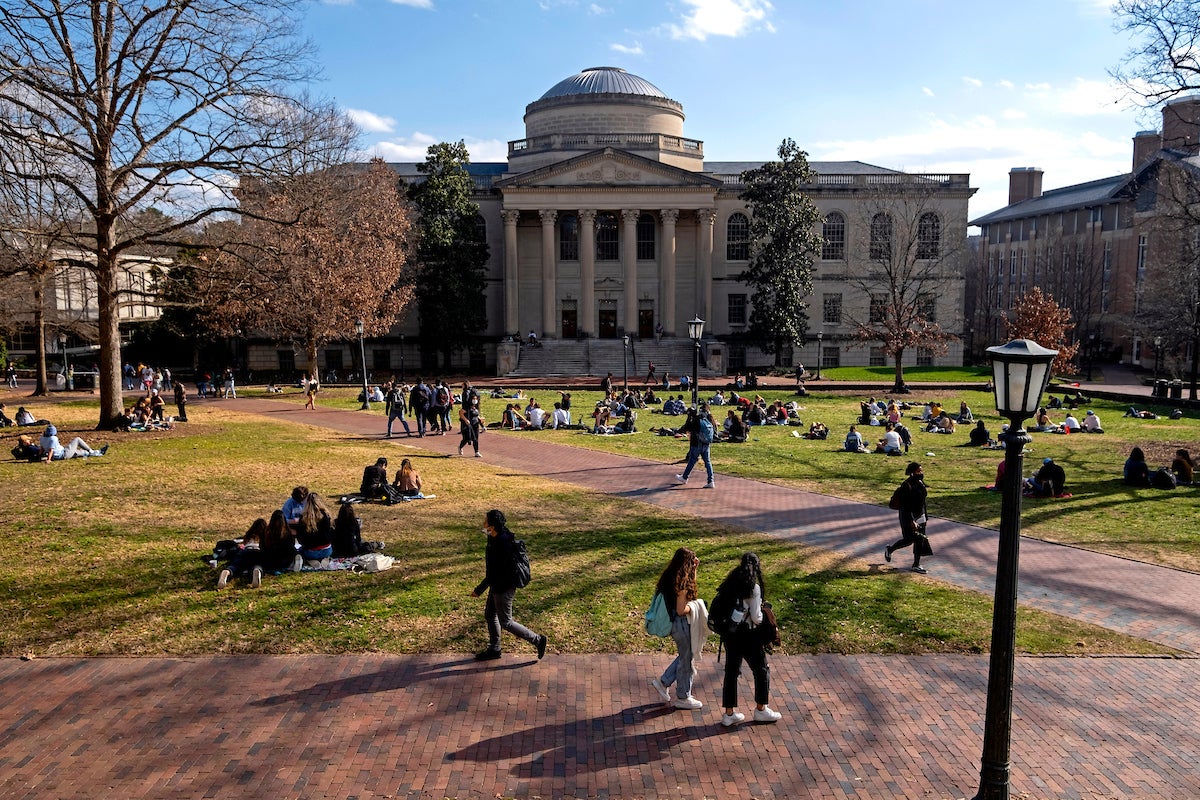
The University of North Carolina at Chapel Hill has launched a two-year study aimed at "understanding how North Carolina communities are encountering generative artificial intelligence and how local libraries can support AI literacy in meaningful, locally relevant and sustainable ways." The project, Local Libraries and Generative AI, will explore how "generative AI tools continue to shape education, work, and everyday information practices," in communities across the state. "According to project leaders, the study is designed not only to explore how libraries can respond to generative AI, but also to help ensure that local communities are included in conversations shaping the future of information access and digital literacy."
In the U.K., Critics Decry 'Orwellian' New library Policies
 Lewis Adams
In the U.K., the BBC reports on the reaction to new library policies in Essex County that reportedly advised library staff to "no longer promote events such as Pride and Black History Month. "Chris Hossack, Reform cabinet member for residents and community services, said he wanted Essex's 74 libraries to be 'neutral spaces' for all," the report notes. "Librarians were informed they should no longer promote events on social media channels or by creating bespoke book displays for them, during a verbal briefing."
And Finally This Week...
 TribLive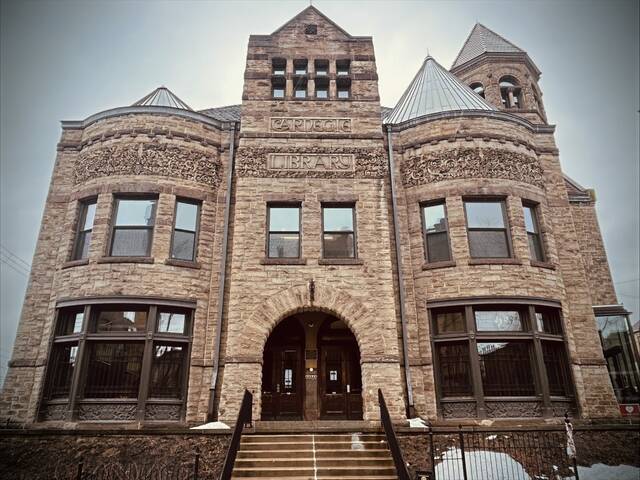
With summer reading programs getting underway, and widespread talk of a decline in reading, Andrew Medlar, President and Director of the Carnegie Library of Pittsburgh eloquently writes about the importance of libraries and the city's “Won’t You Be a Reader?” for TribLive. "The most powerful way we can advance equity is by increasing the number of people who are able to self-advocate, collaborate, and feel empowered to participate in civic life. That means there is no more urgent work than making sure every child builds strong early literacy skills, grows up knowing how to read, and finds joy in doing it," Medlar writes. "This is the work libraries were built for."